Goal
Achieve powered vertical flight using a single rotating blade driven by an internal-combustion-generated air jet.
Problem
Provide a simple, lightweight rotorcraft with only one blade, reducing mechanical complexity compared with conventional helicopters.
Concept Summary
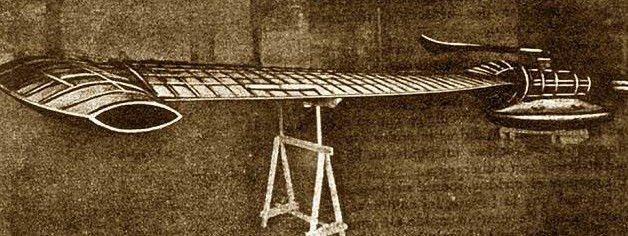
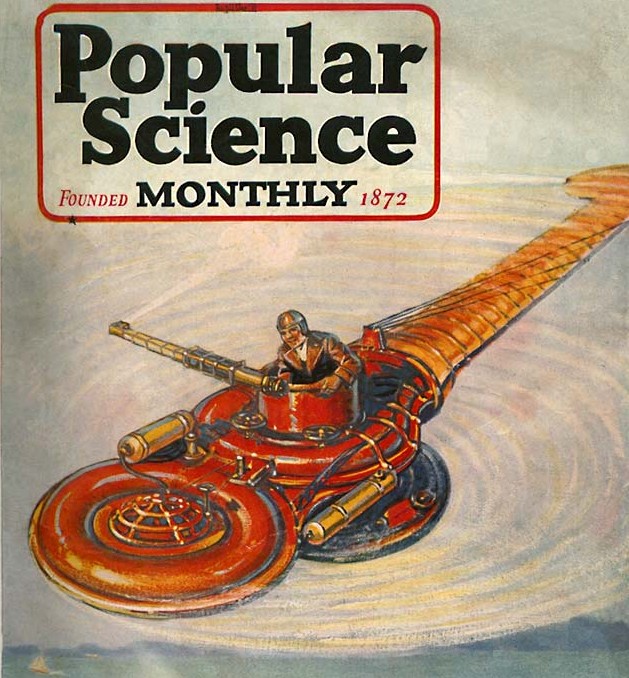
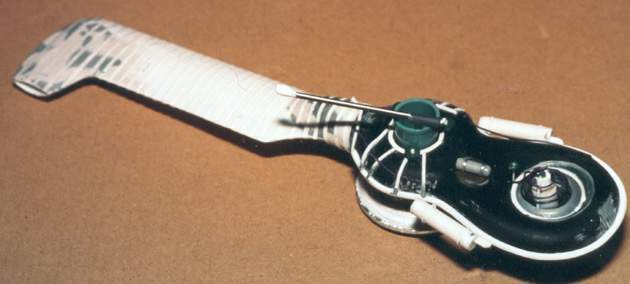
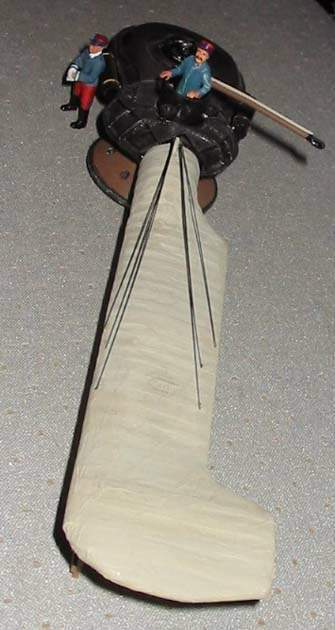
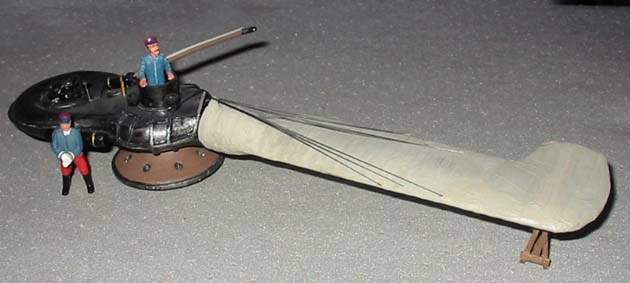
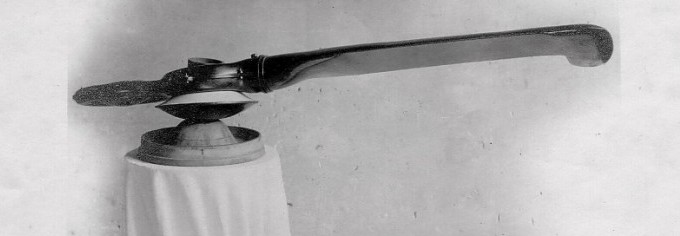
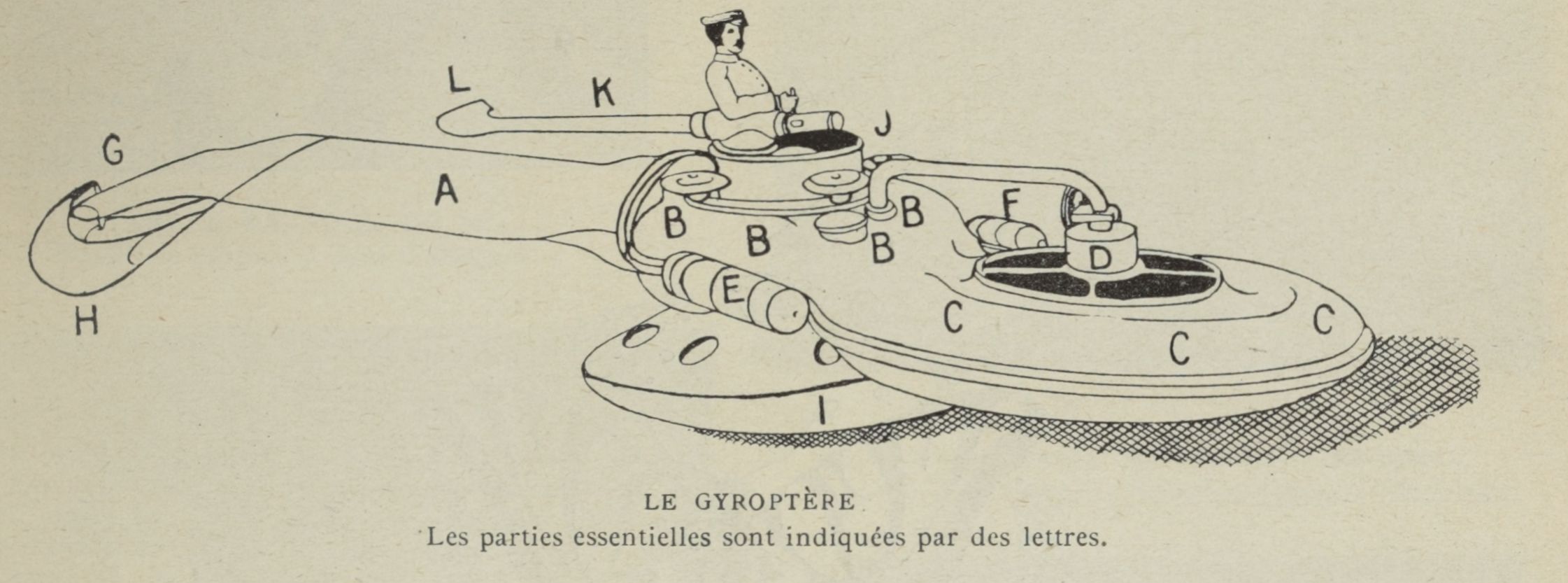
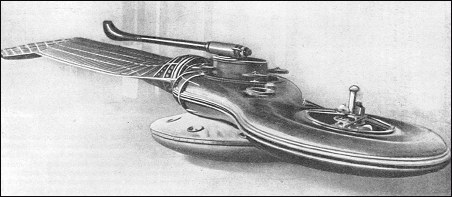
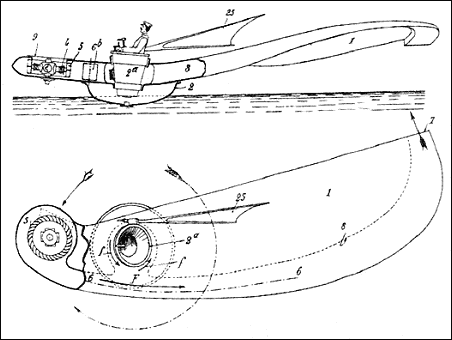
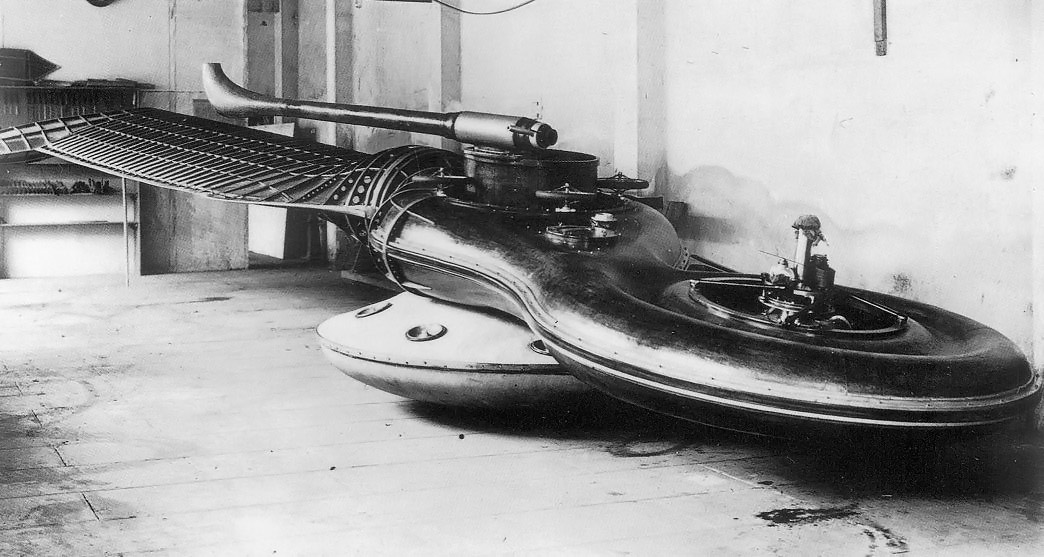
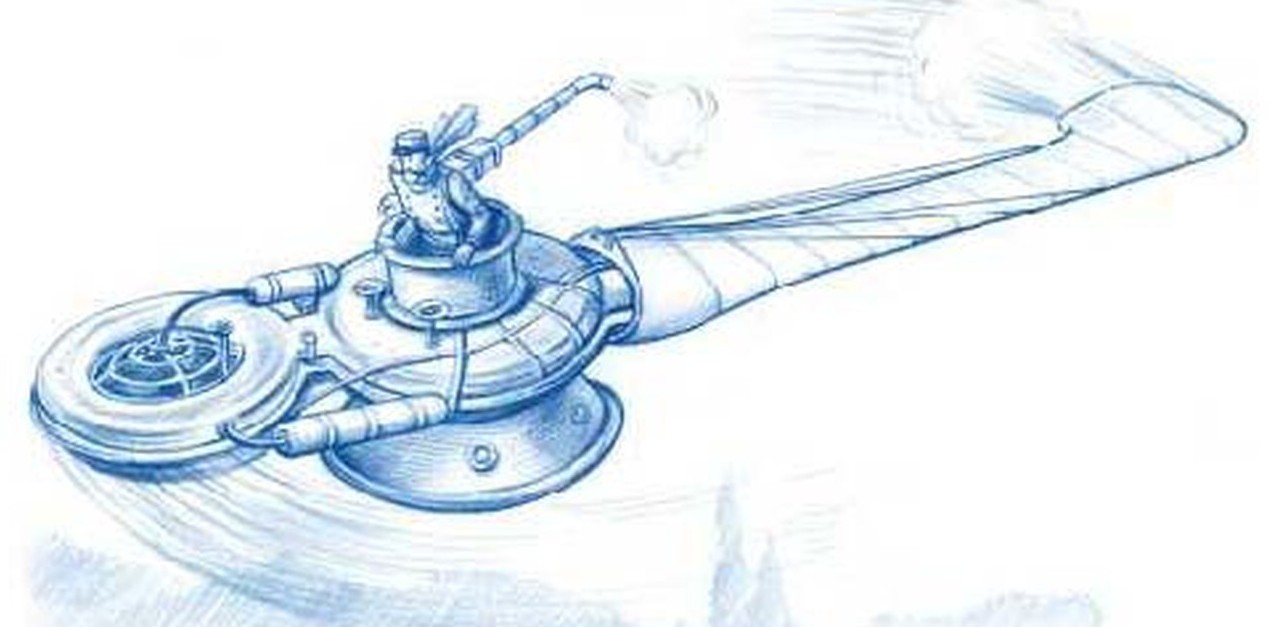
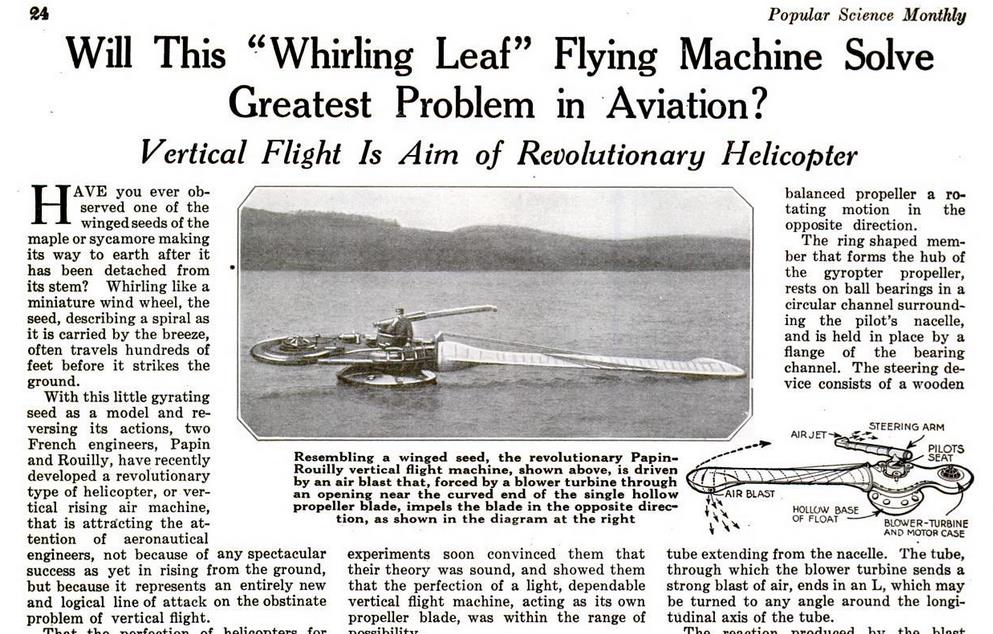
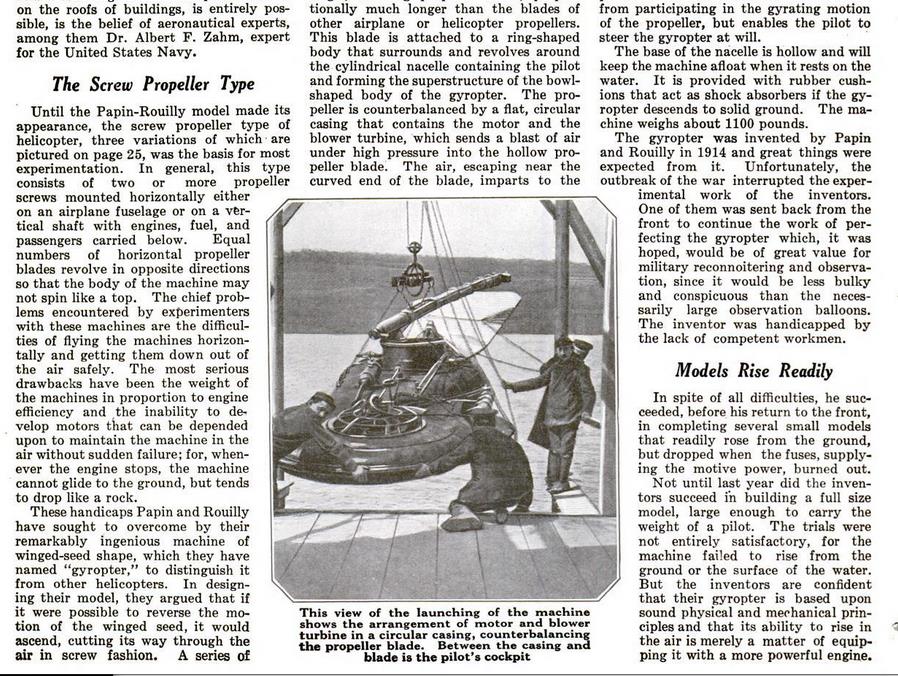
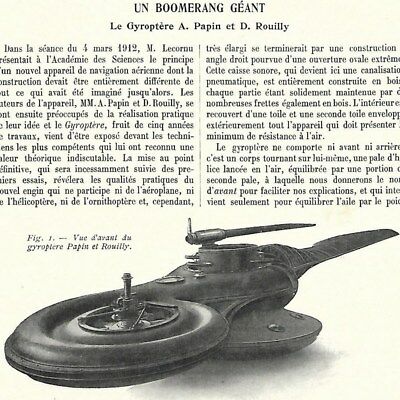
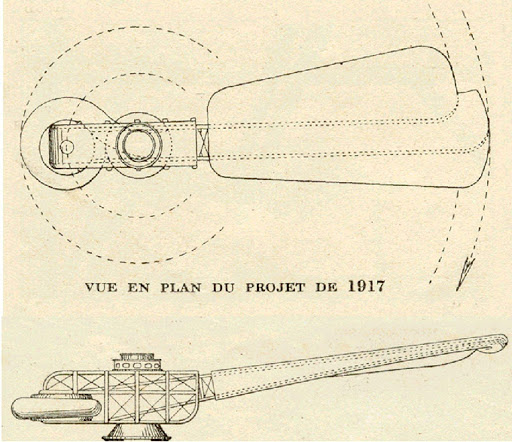
The Gyropter is a single-blade rotorcraft whose hollow blade acts as an air-jet nozzle. A Le Rhône 80 hp rotary engine drives a fan that forces air through the blade; the exiting jet both spins the blade and creates lift via gyroscopic forces. Directional control is achieved with a small auxiliary pipe that can be angled by the pilot.
Detailed Description
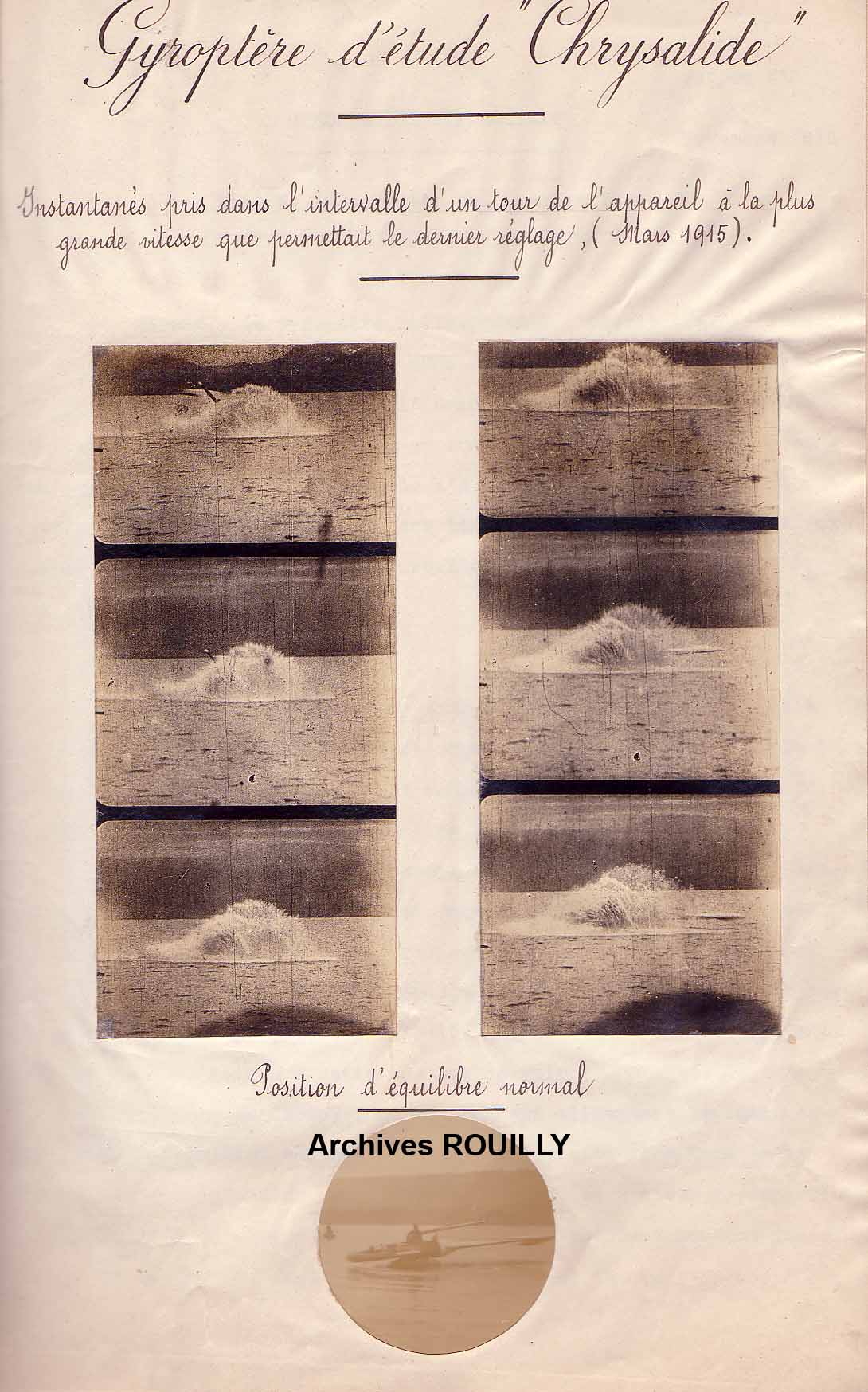
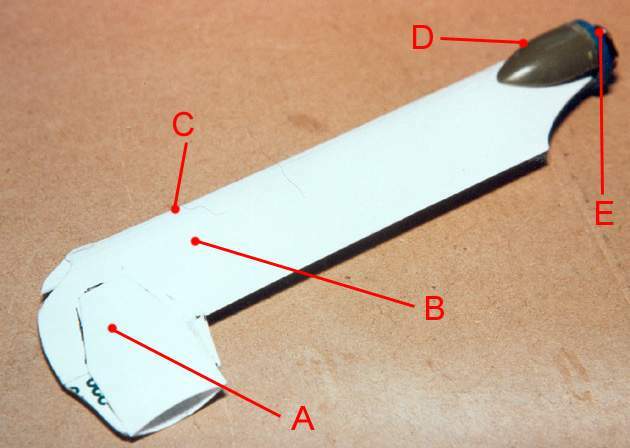
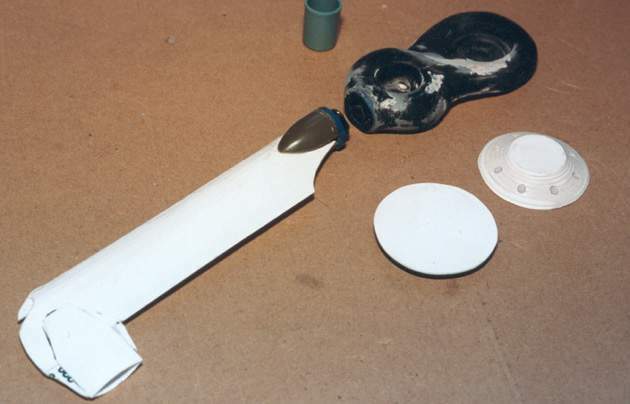
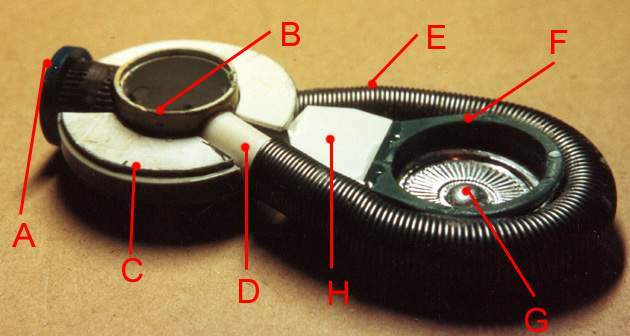
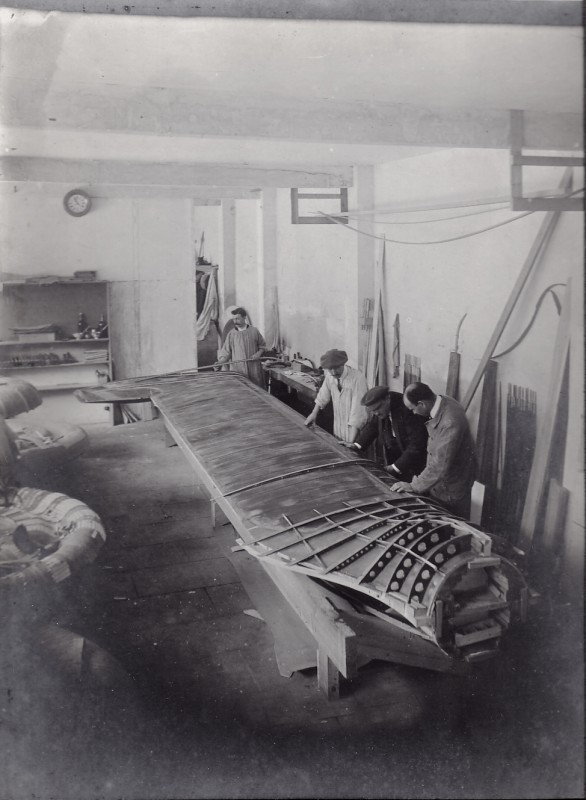
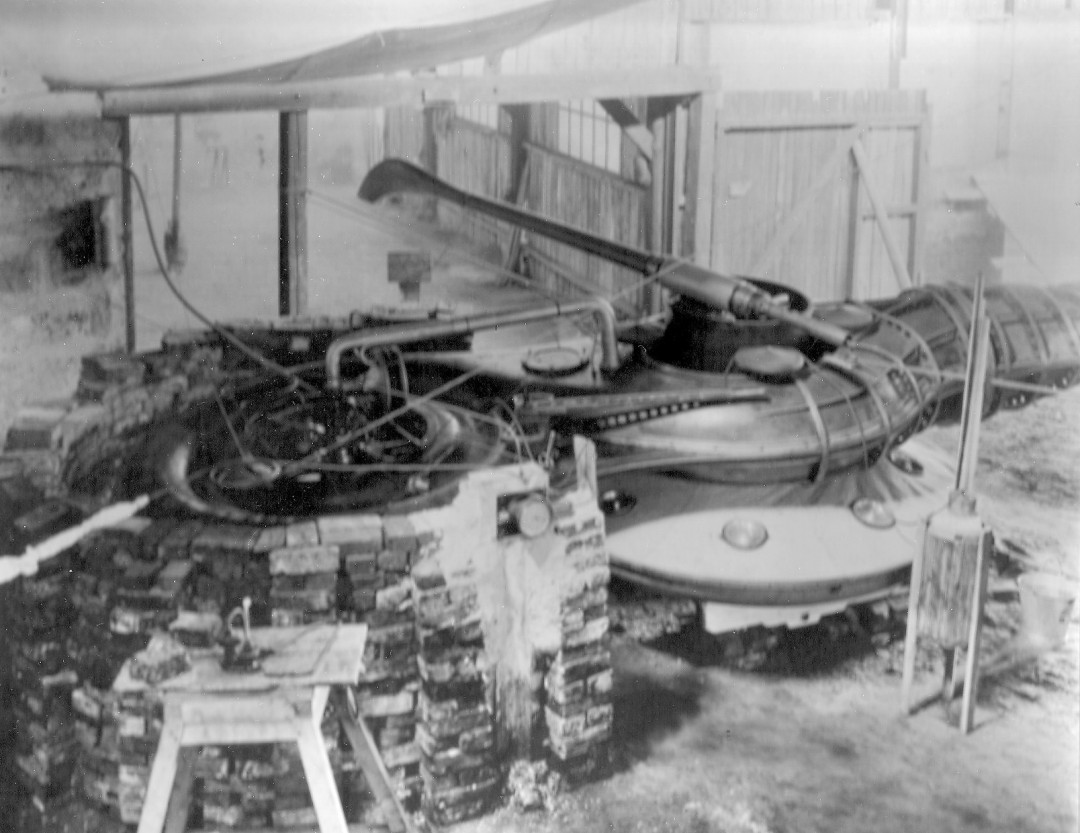
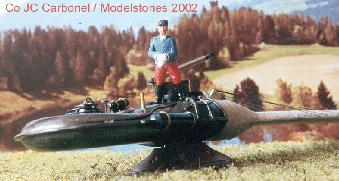
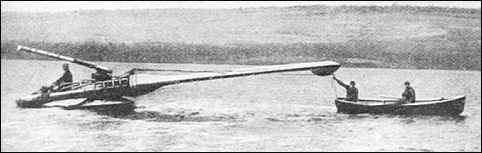
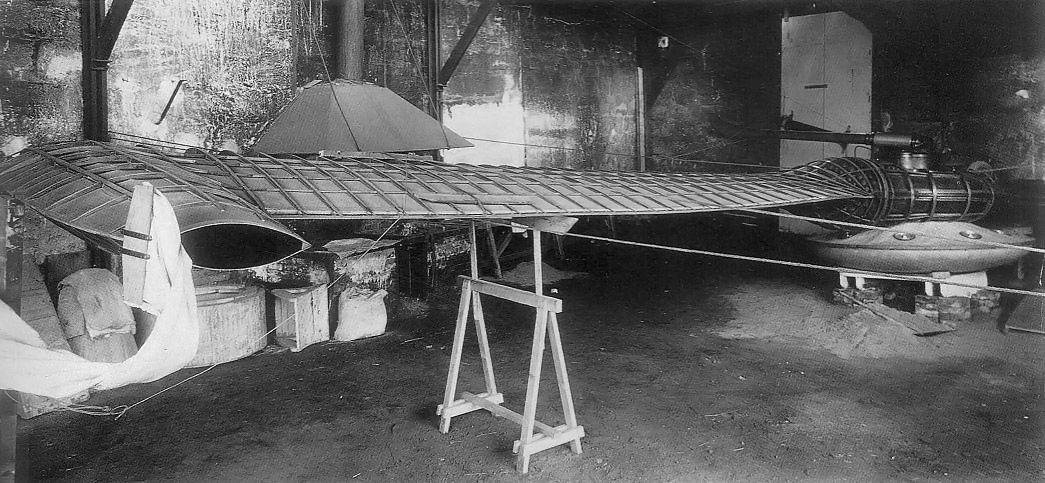
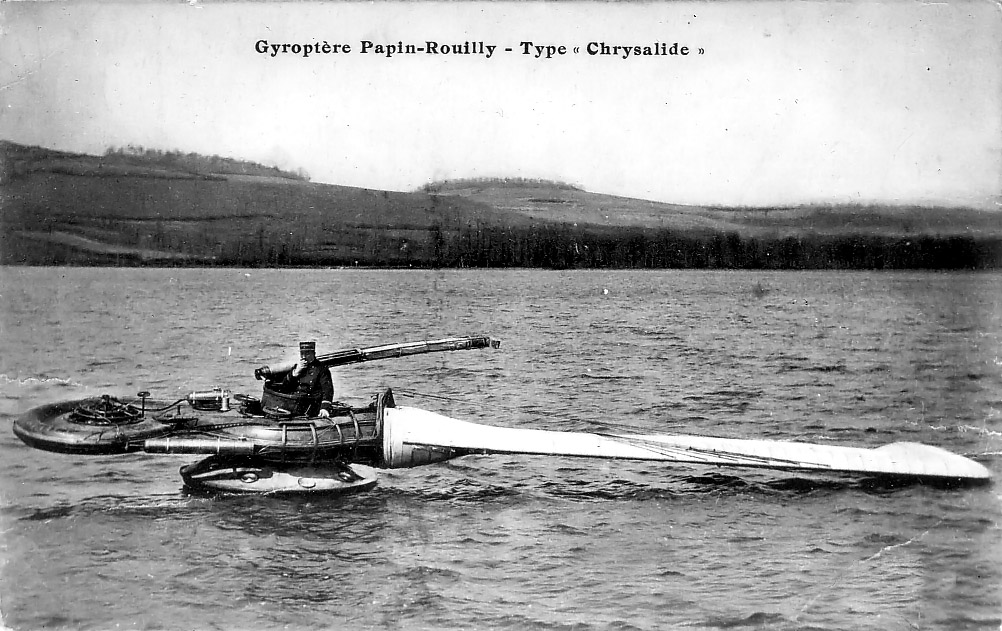
The prototype, named Chrysalis, had a 12 m^2 (130 ft^2) hollow wooden blade covered with fabric, a pilot nacelle at the rotation axis, and a Le Rhône nine-cylinder rotary engine (~=60 kW). The engine drove a fan delivering ~7 m^3 s^-^1 of air at 100 m s^-^1 through an L-shaped nozzle at the blade tip, causing the blade to spin. A foot-pedal-operated valve directed additional air to a rear L-shaped tube that acted as a rudder for steering. Tests on 31 Mar 1915 reached only 47 rpm (well below the ~60 rpm needed for lift) and the craft became unstable, eventually sinking.
Principles
- Air-jet propulsion
- Gyroscopic stabilization
- Aerodynamic lift from rotating blade
- Fluid dynamics of jet exhaust
- Mechanical balance of rotating mass
Scientific Domains
Materials
- Wood
- Fabric
- Metal
Mechanisms of Action
- Engine-driven fan forces air through hollow blade
- Jet exhaust at blade tip provides torque to spin blade
- Rotating blade generates lift via gyroscopic effect
- Auxiliary air pipe creates thrust and steering
Energy Sources
Applications
- Vertical flight
- Personal aerial transport
- Experimental rotorcraft research
Claimed Performance
Rotor speed 47 rpm; air flow 7 m^3 s^-^1; jet exit speed 100 m s^-^1; no sustained lift achieved.
Experimental Evidence
Test on Lake Cercey 31 Mar 1915 reached 47 rpm, aircraft became unstable and sank; no successful flight recorded.
Replication Status
No successful replication; prototype was sold for scrap in 1919.
Limitations
- Insufficient engine power (80 hp vs. 100 hp required)
- Rotor speed too low for lift
- Stability issues
- Control complexity