Goal
Inhibit or halt the growth of cancer cells using low-intensity, amplitude-modulated electromagnetic fields.
Problem
Uncontrolled proliferation of cancer cells and limited effectiveness of existing therapies.
Concept Summary
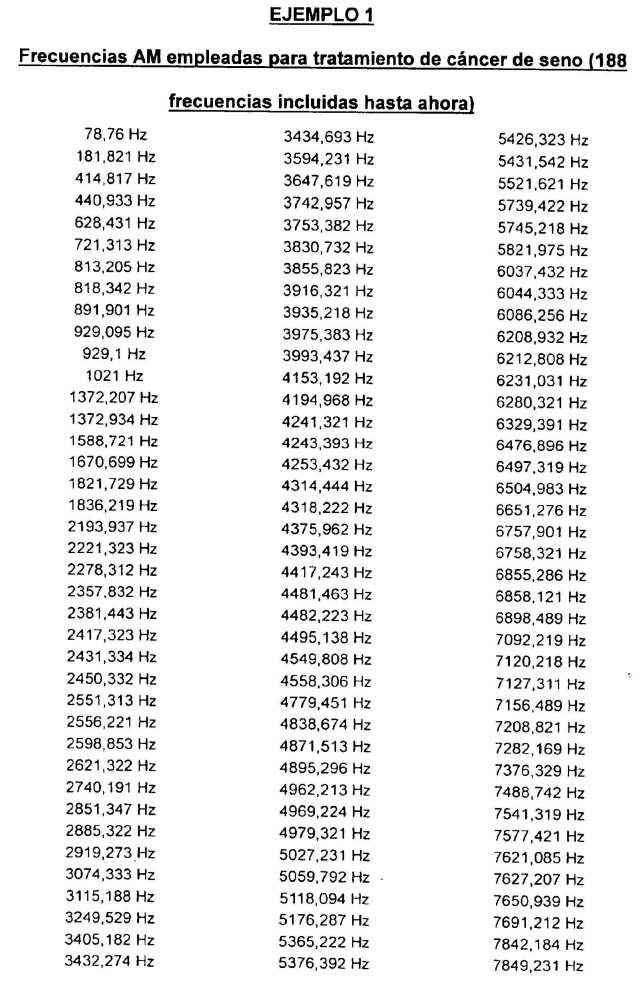
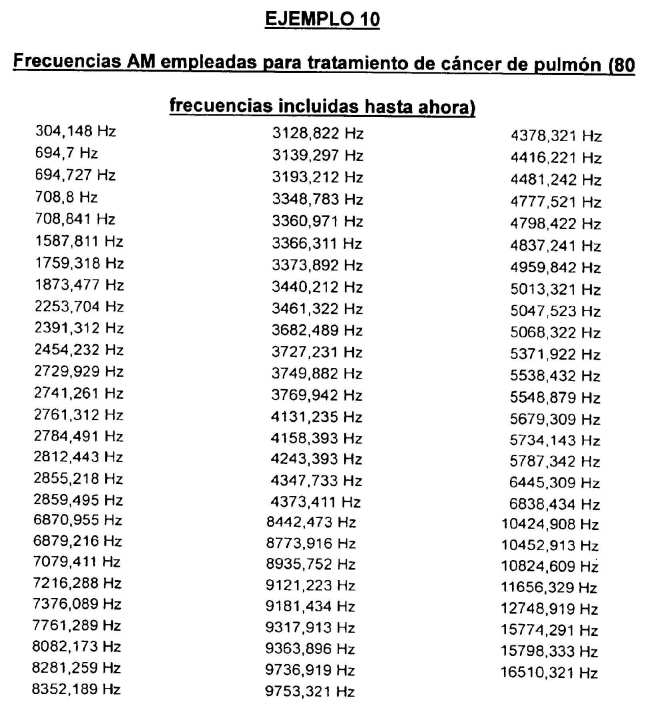
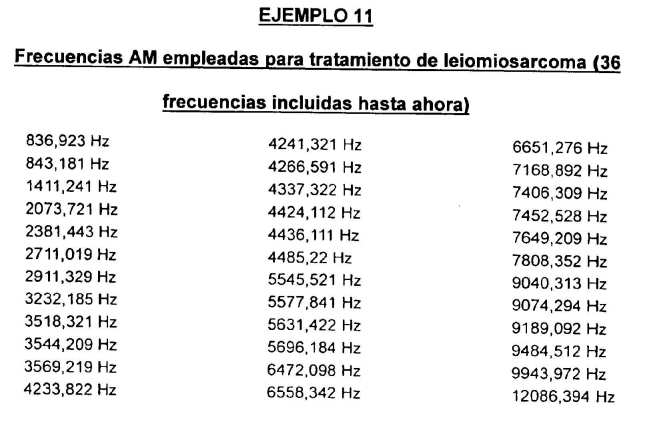
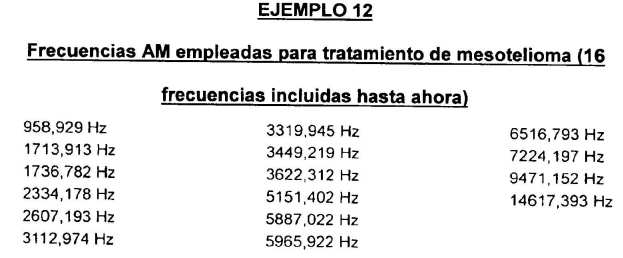
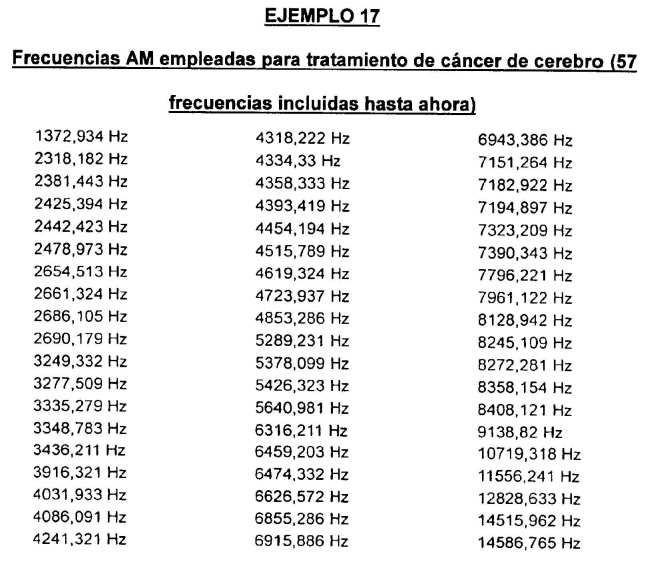
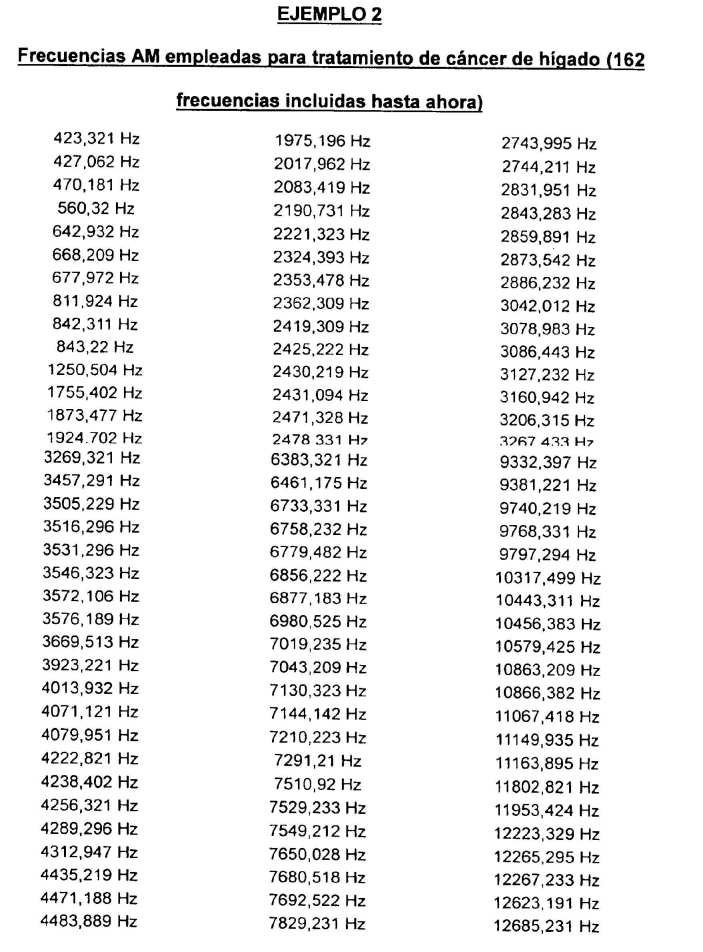
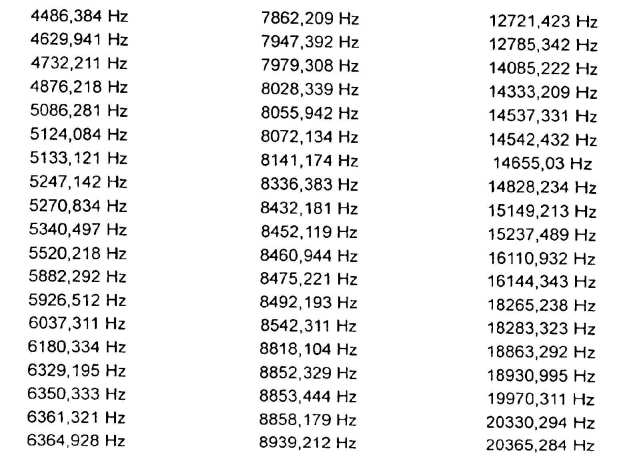
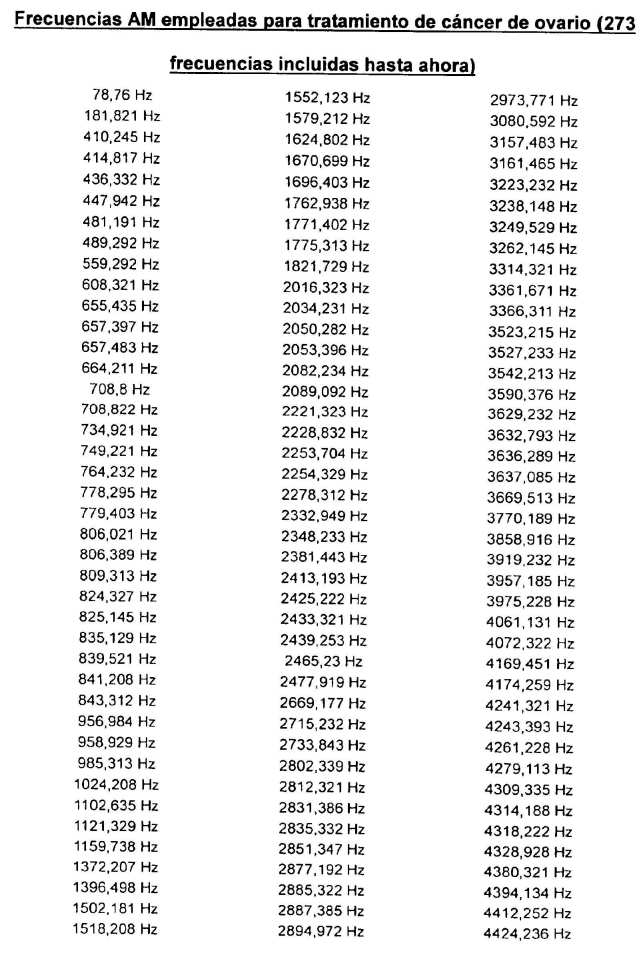
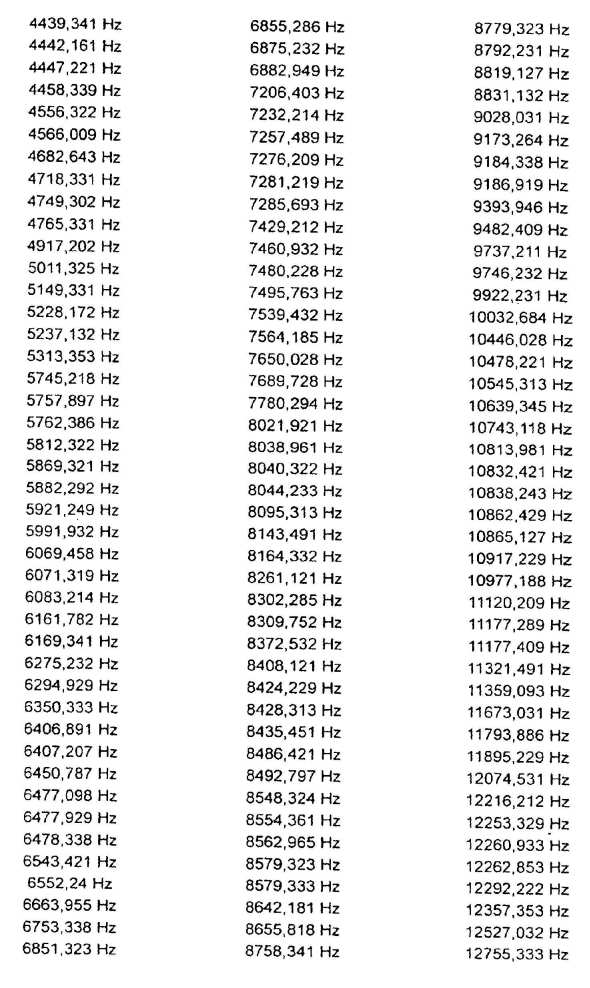
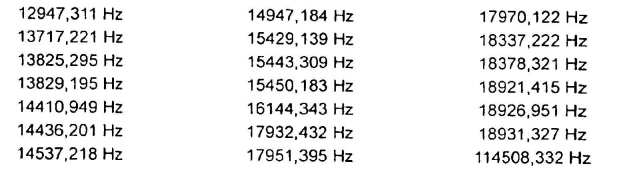
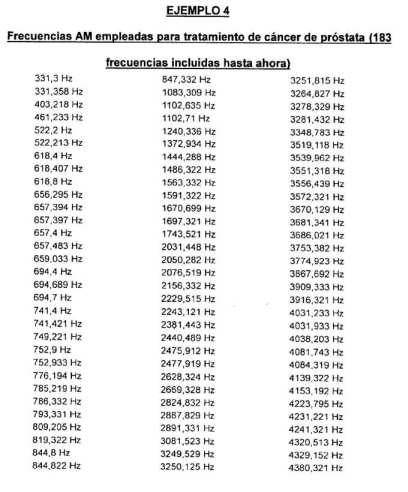
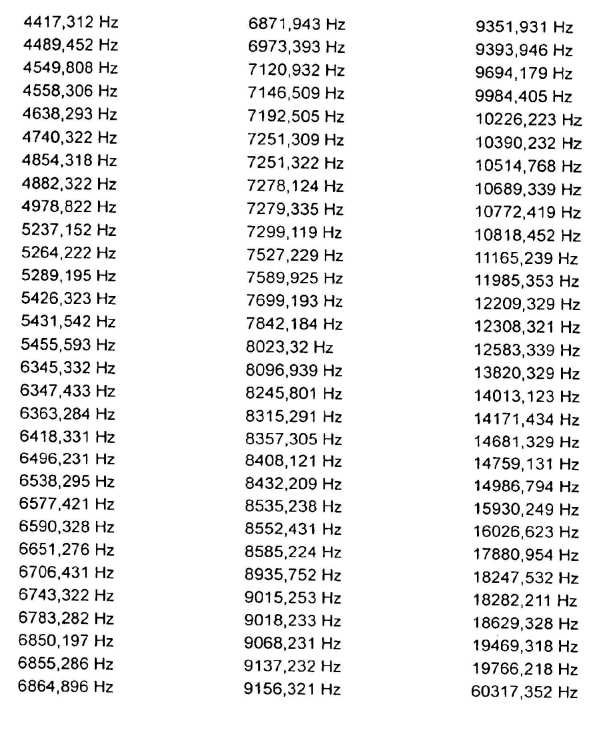
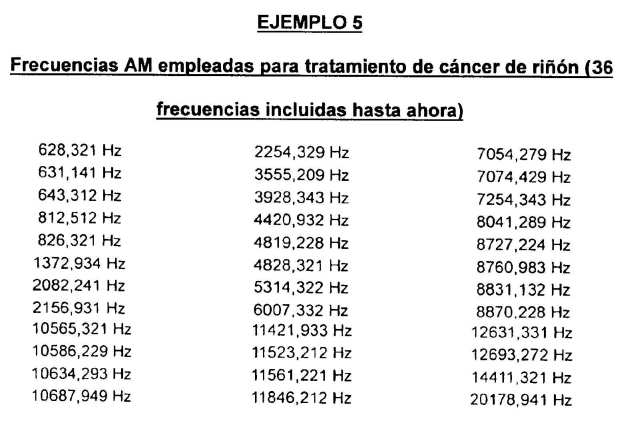
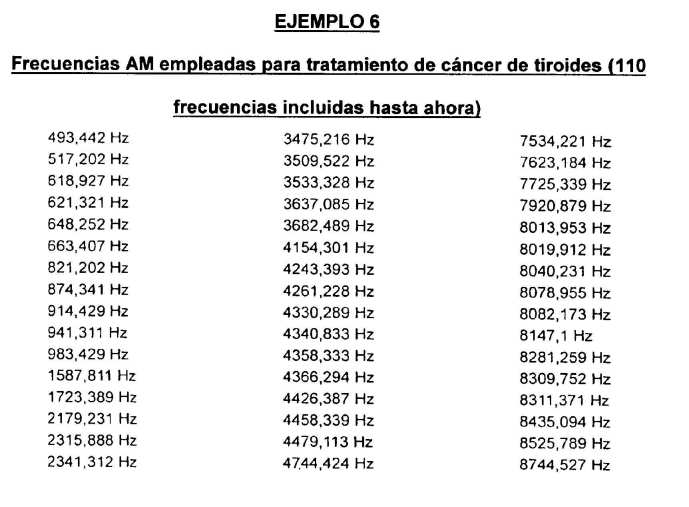
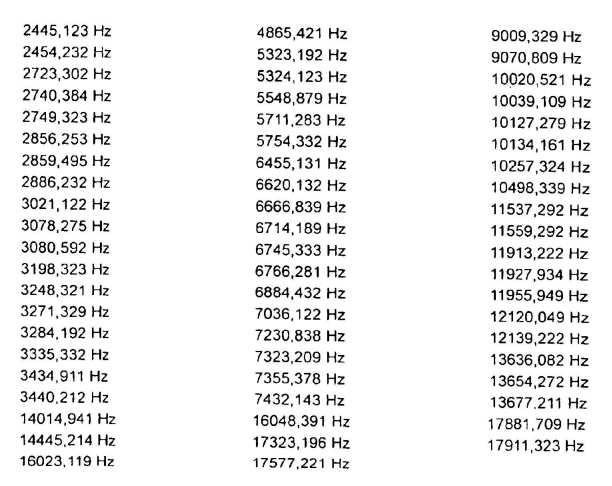
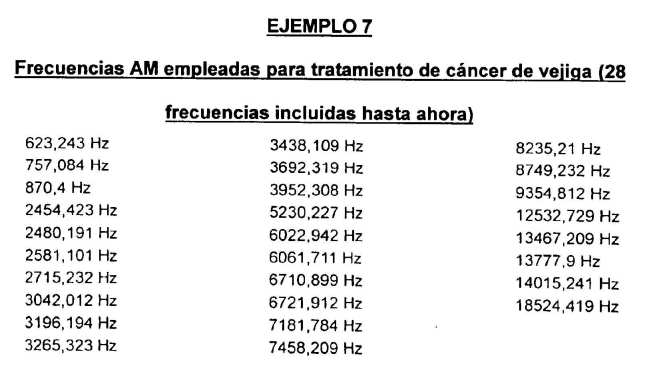
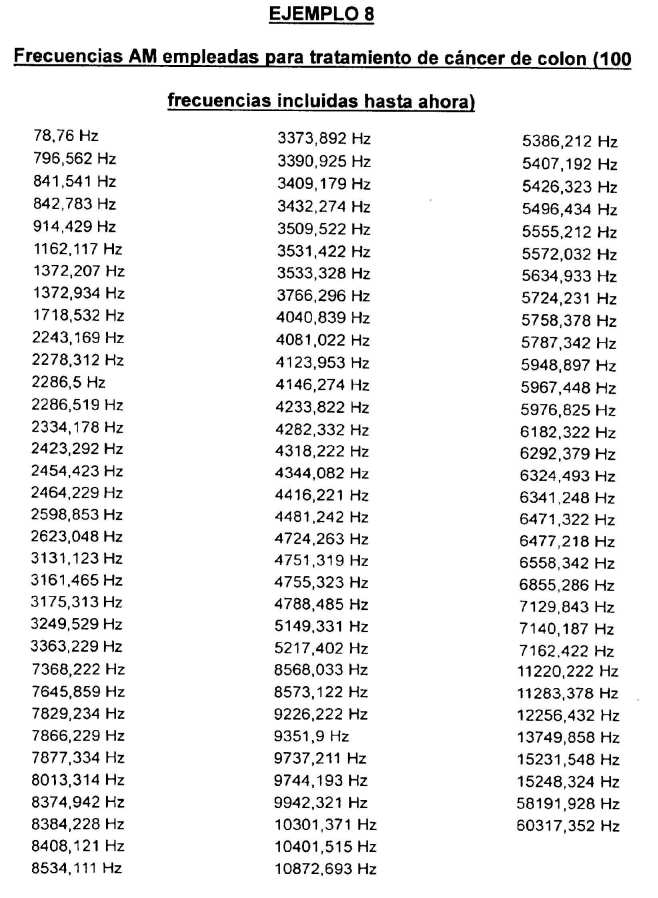
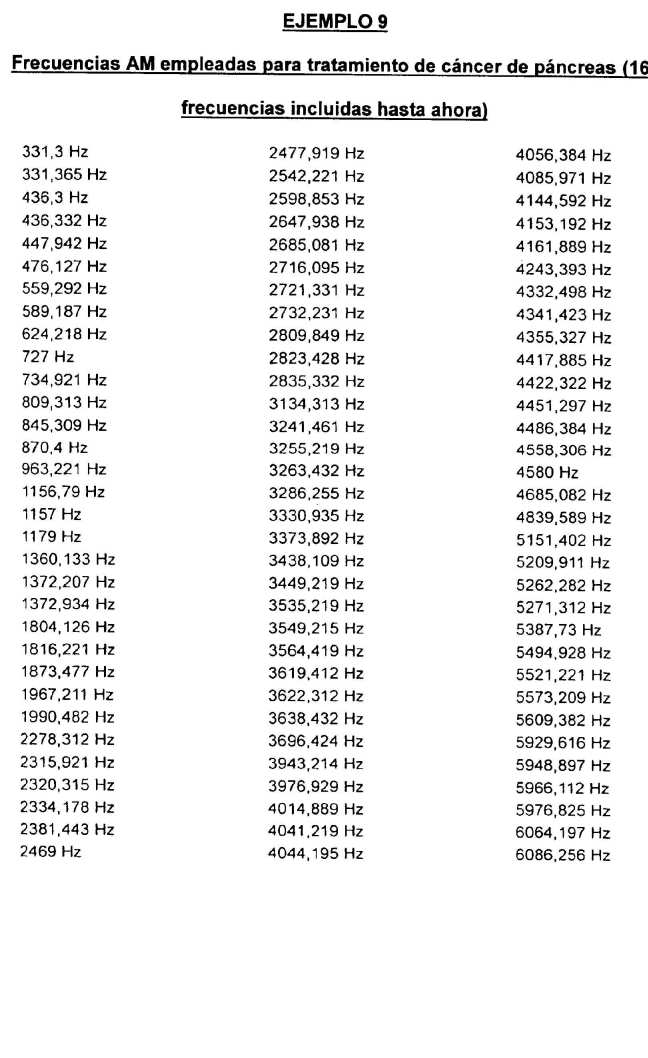
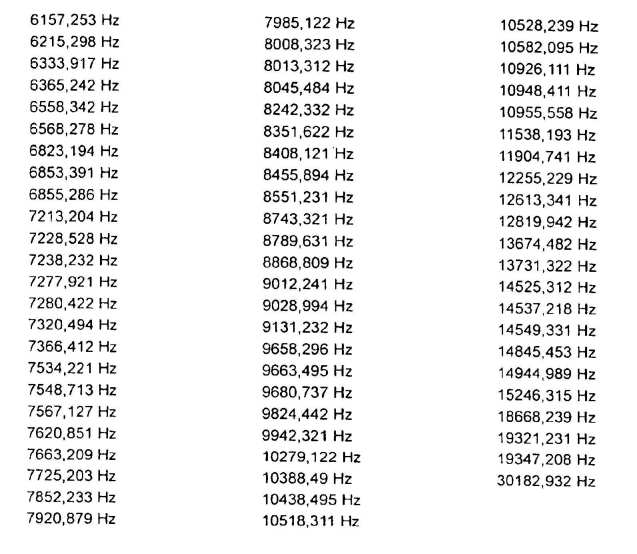
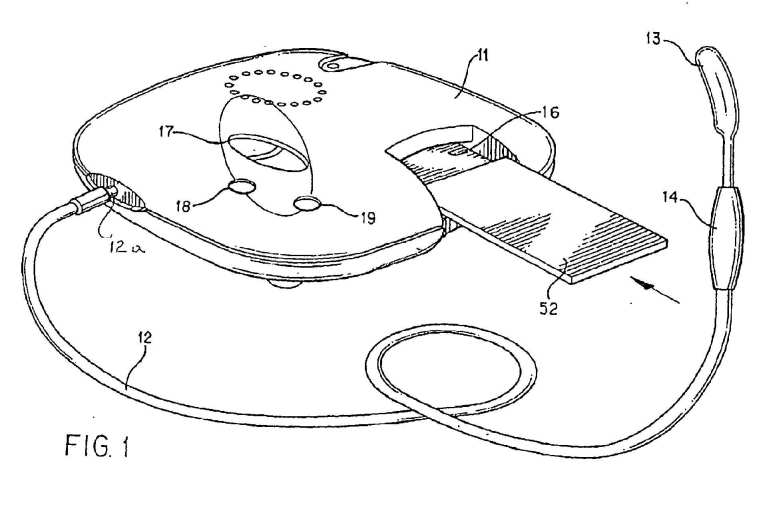
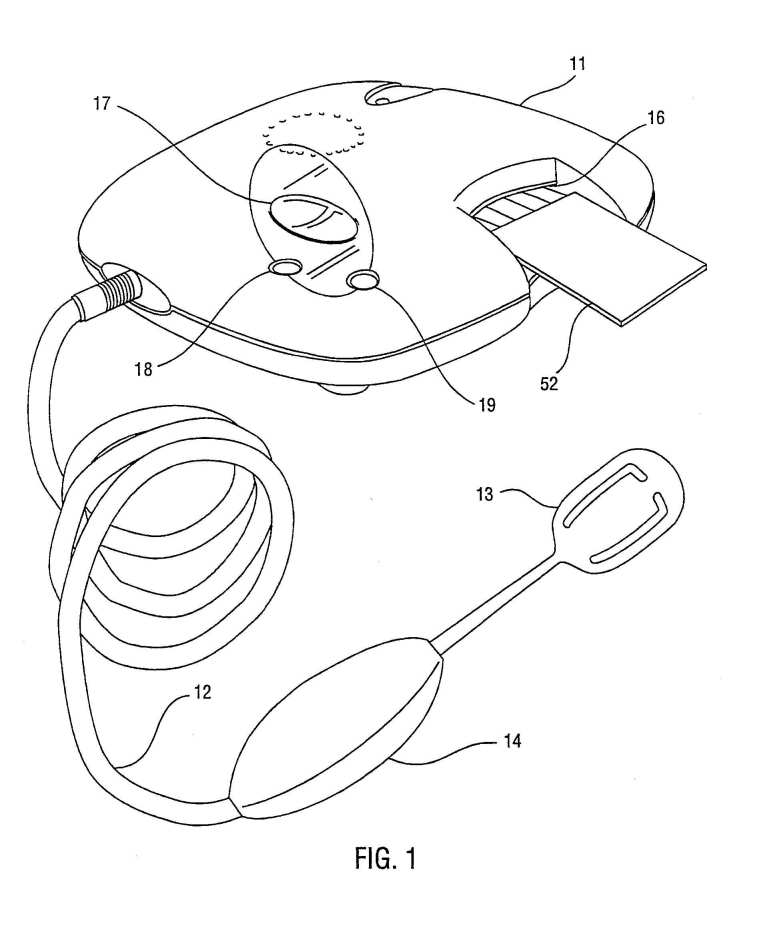
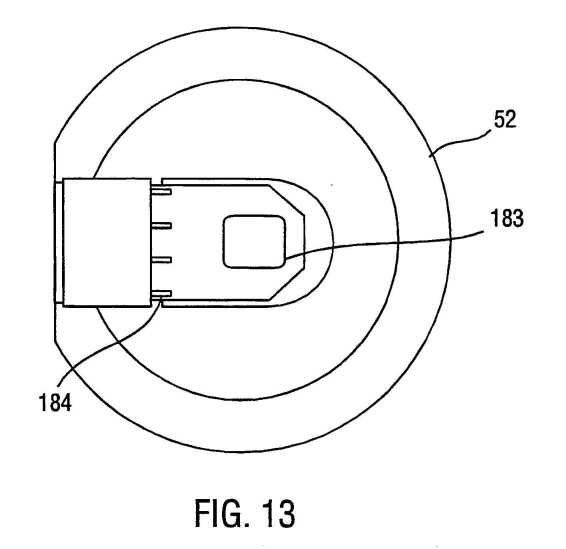
A low-intensity electromagnetic field, delivered via a spoon-shaped mouth antenna, is amplitude-modulated at precise frequencies (0.1 Hz-50 kHz). The device's microprocessor controls carrier frequency and modulation frequency with high accuracy, producing emissions that selectively affect cancer cells while sparing healthy tissue.
Detailed Description
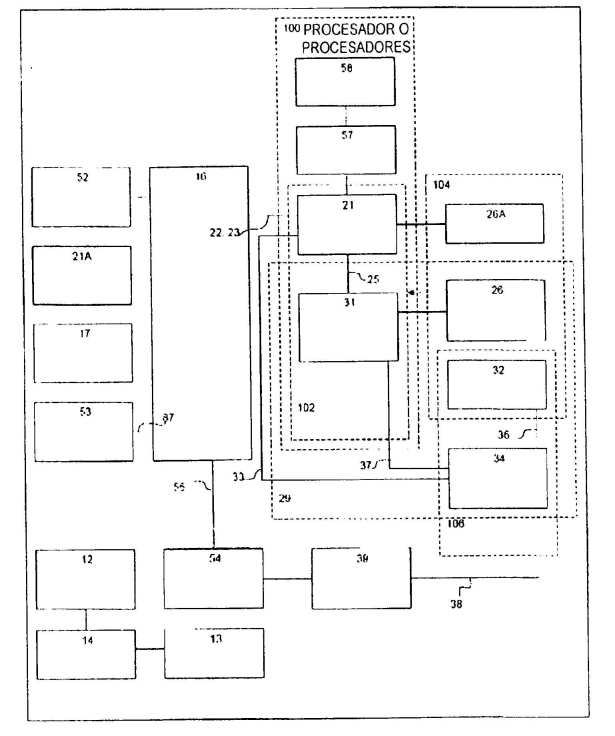
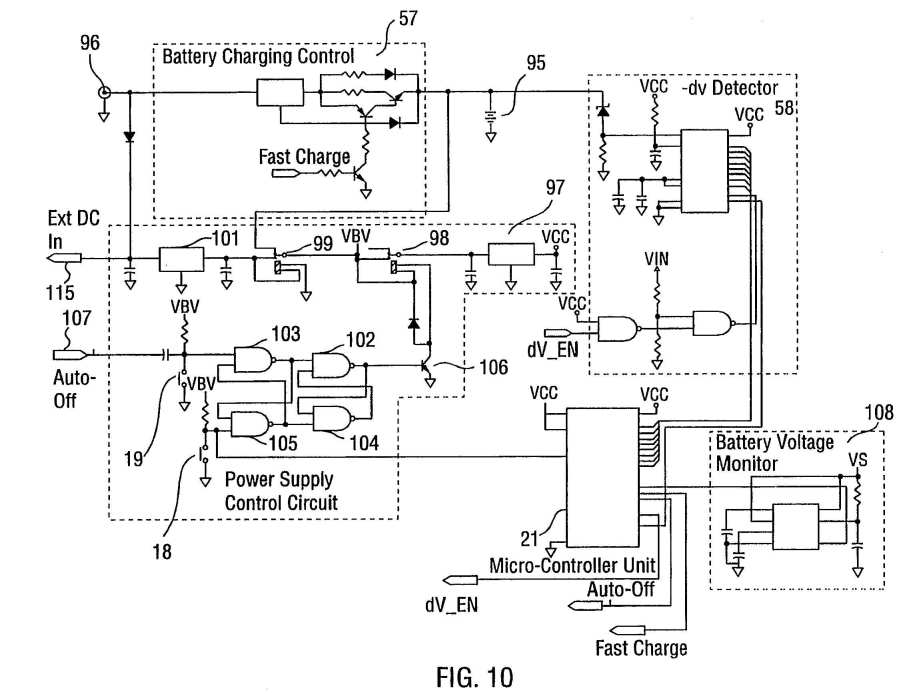
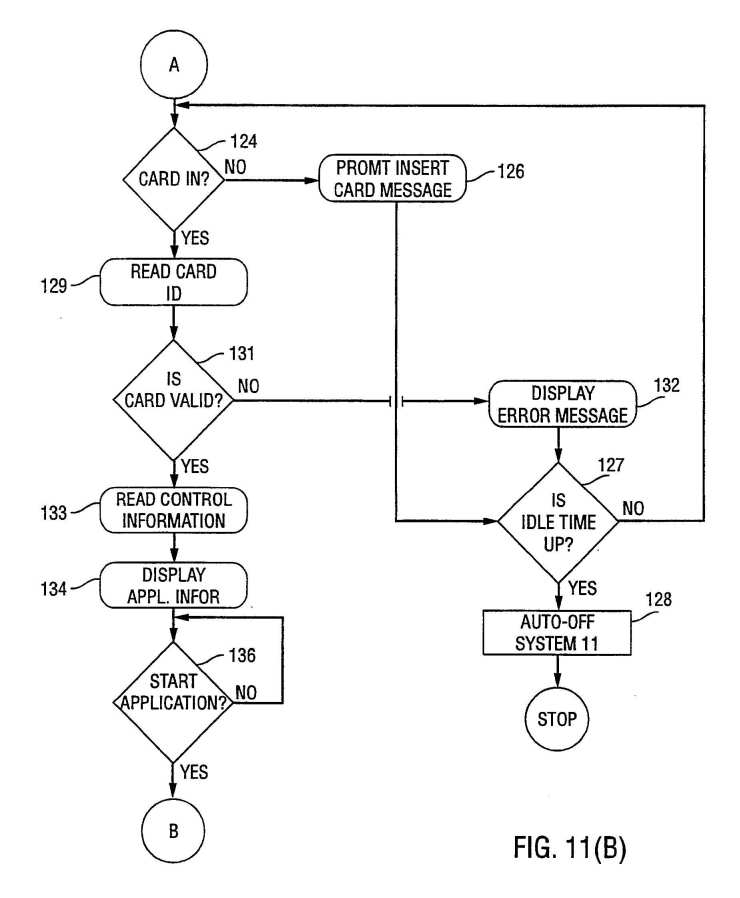
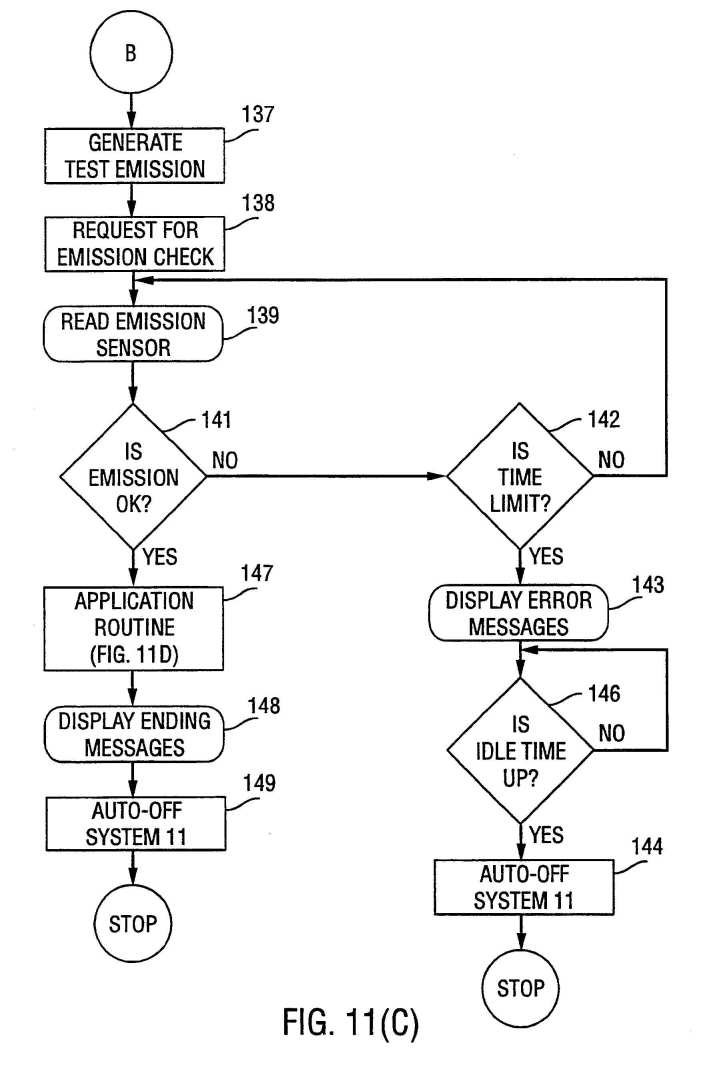
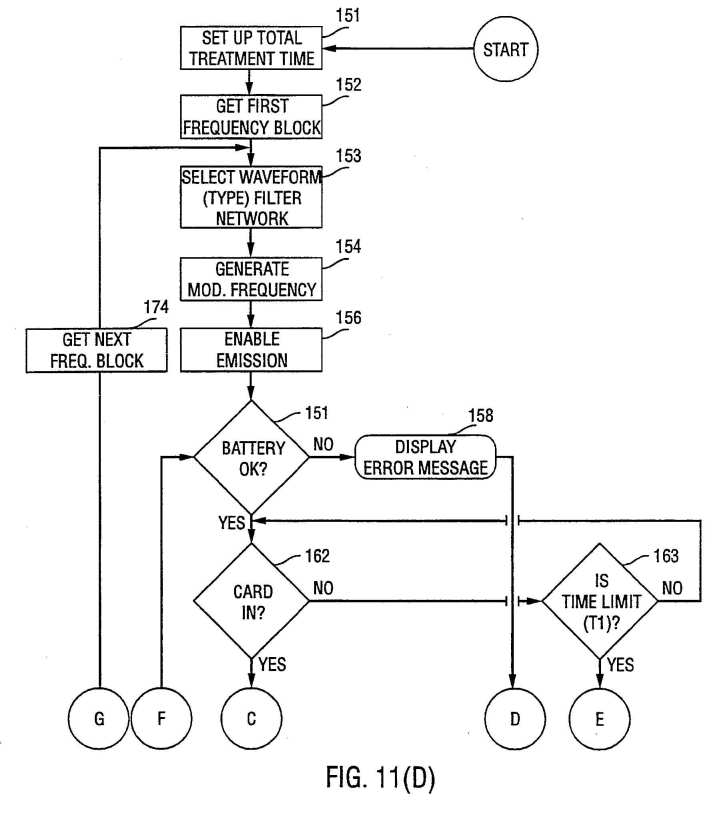
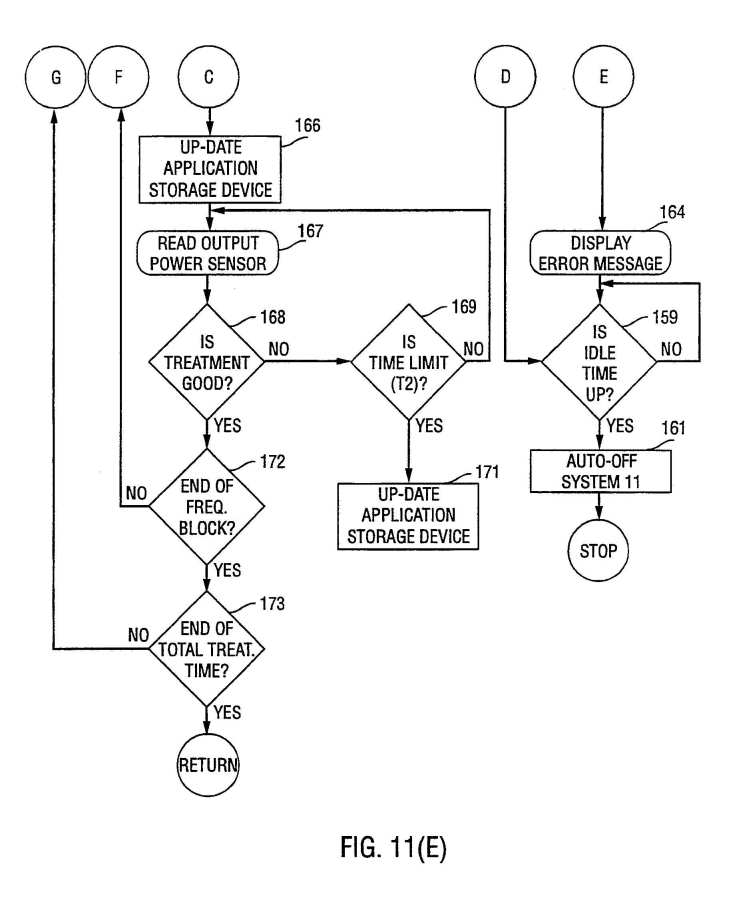
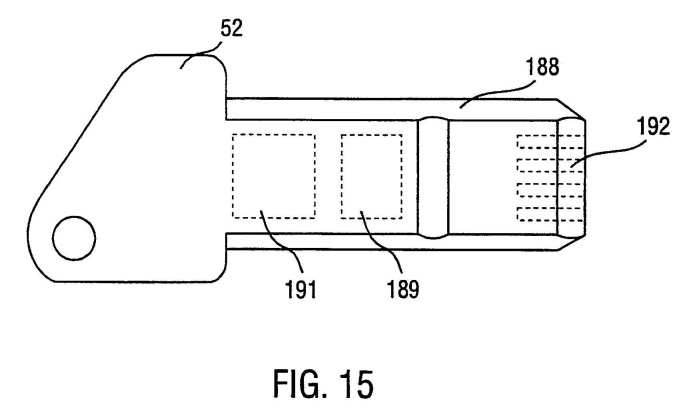
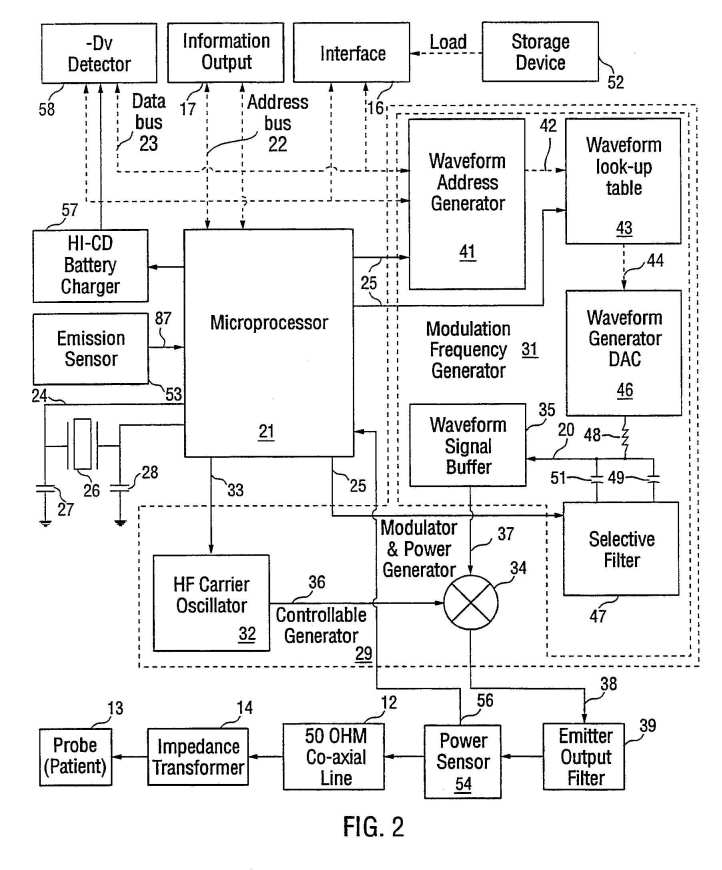
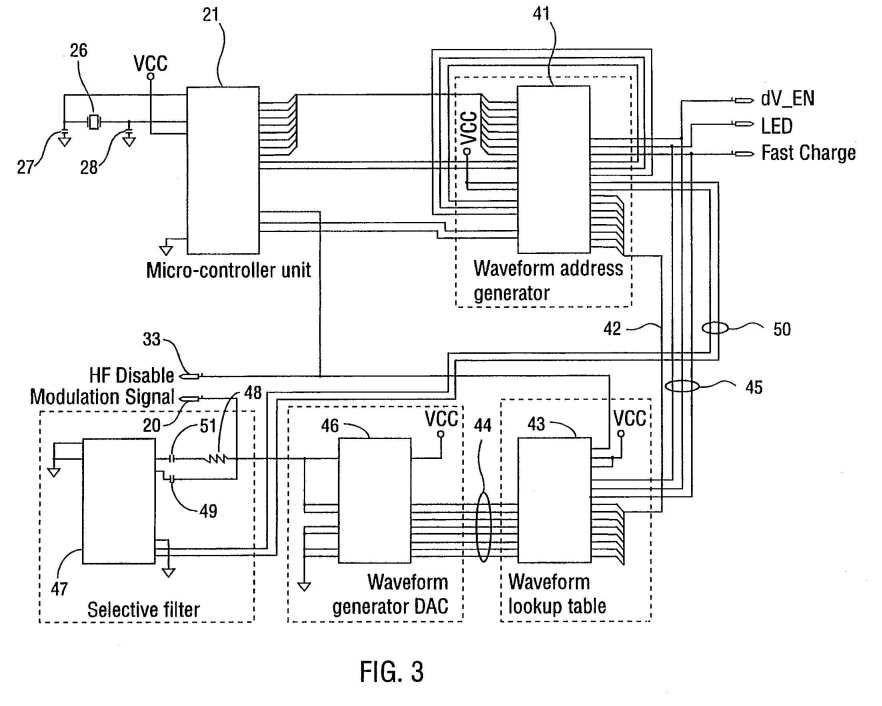
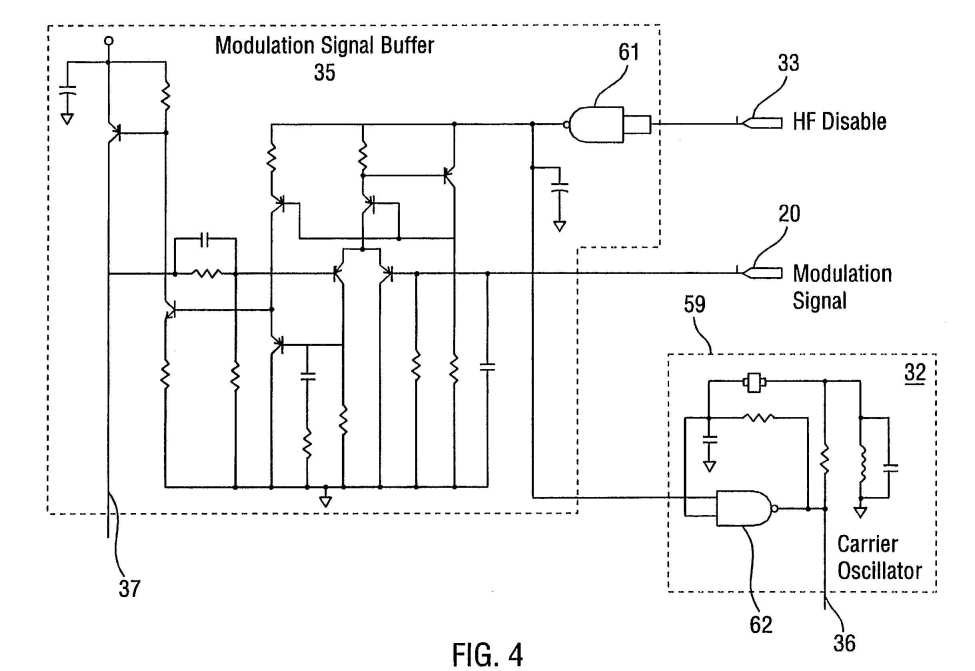
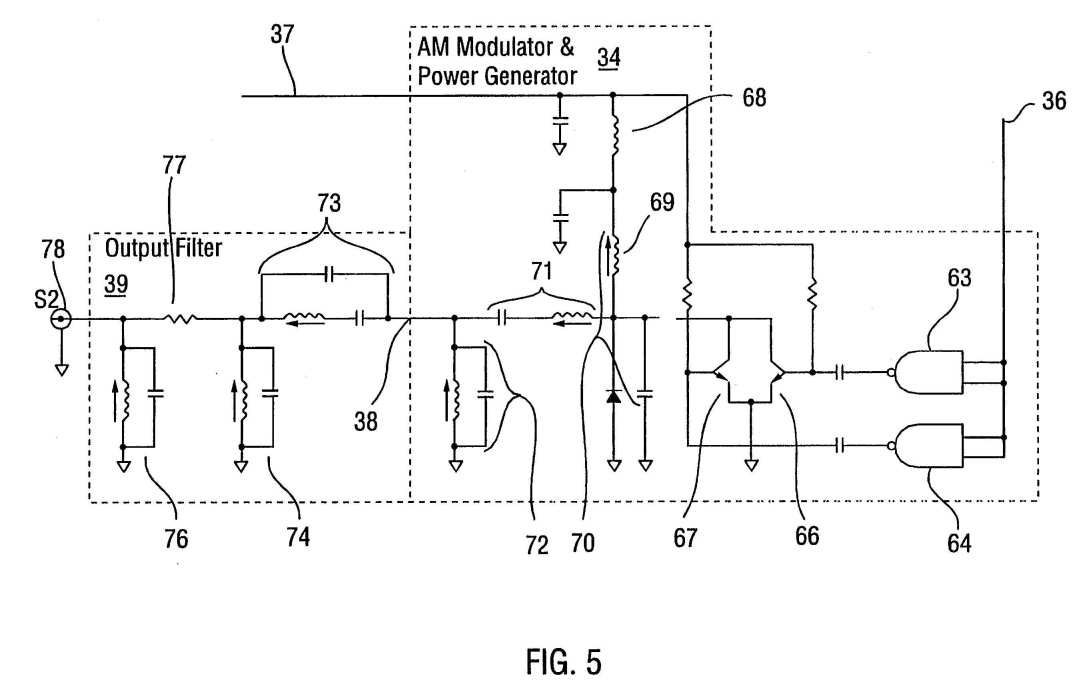
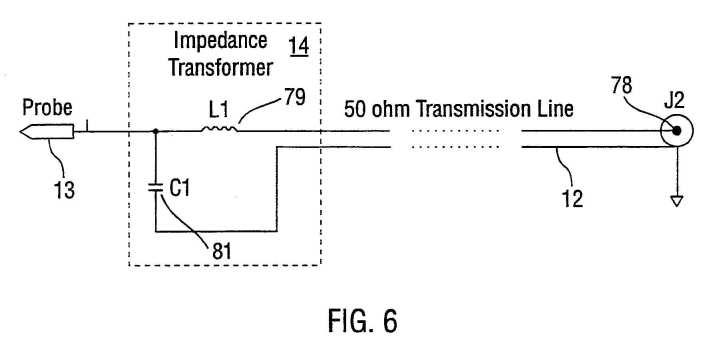
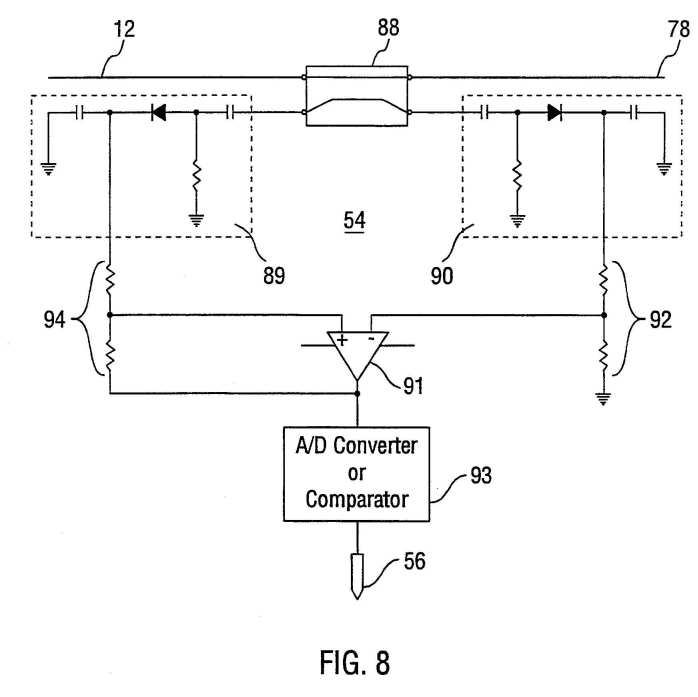
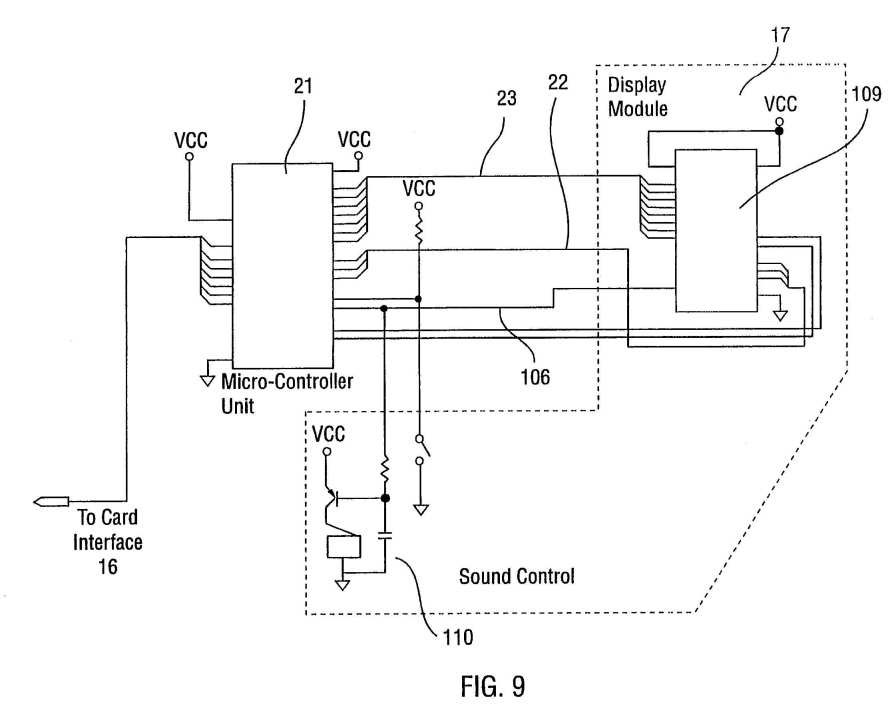
The patented system comprises controllable low-energy high-frequency carrier generators, amplitude-modulation control generators, and programmable modulation-frequency control generators. A microprocessor or integrated circuit receives control data and drives the generators. The emissions are coupled to an electrically conductive applicator (e.g., a mouth-placed probe) via an impedance transformer to match patient load. Clinical trials reported in the British Journal of Cancer used the device three times daily on patients with advanced liver cancer, resulting in tumor shrinkage and long-term survival for a small subset of participants. Laboratory studies suggest the fields interfere with gene activity in cancer cells, reducing their ability to divide.
Principles
- Low-intensity electromagnetic field exposure
- Amplitude modulation of carrier signal
- Precise frequency control (+/-0.001 Hz)
- Electronic control via microprocessor
Scientific Domains
Materials
- Copper (antenna conductors)
- Silicon (integrated circuits)
- Plastic (device housing)
- Battery (electrical power source)
Mechanisms of Action
- Modulation of gene expression in cancer cells
- Disruption of cellular signaling pathways
- Inhibition of cell division and proliferation
Energy Sources
Applications
- Cancer treatment (primary)
- Potential adjunct to existing oncological therapies
Claimed Performance
Tumour shrinkage and long-term survival observed in a small number of advanced liver cancer patients during three-times-daily treatment.
Experimental Evidence
Clinical trials reported in the British Journal of Cancer (2012) with advanced liver cancer patients; laboratory cell-culture experiments showing frequency-dependent growth inhibition.
Replication Status
Early-stage clinical trials; further large-scale studies required; no commercial deployment reported.
Limitations
- Very small patient cohort; statistical significance unclear
- Mechanism of action not fully elucidated
- Device requires precise frequency control and patient-specific calibration
Red Flags
- Lack of large-scale, peer-reviewed clinical data
- Potential over-statement of efficacy based on limited trials