Goal
Increase vehicle fuel efficiency (miles per gallon) by reducing aerodynamic drag through vortex-implosion and drag-utilization techniques.
Problem
High fuel consumption and low miles-per-gallon (MPG) performance of conventional road vehicles.
Concept Summary
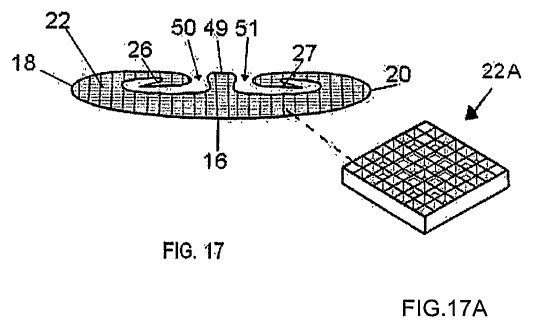
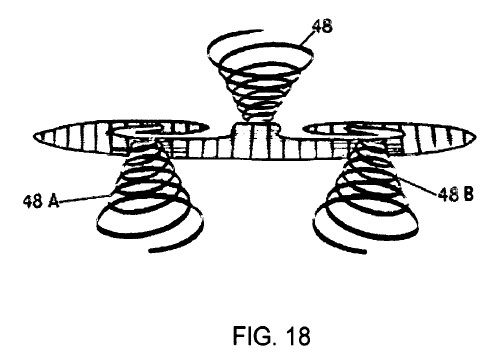
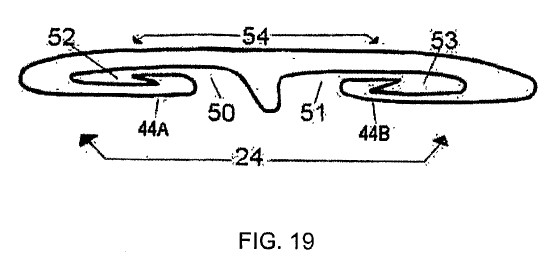
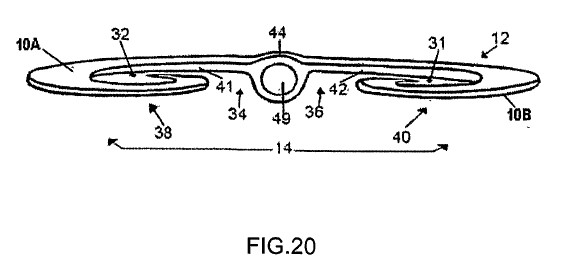
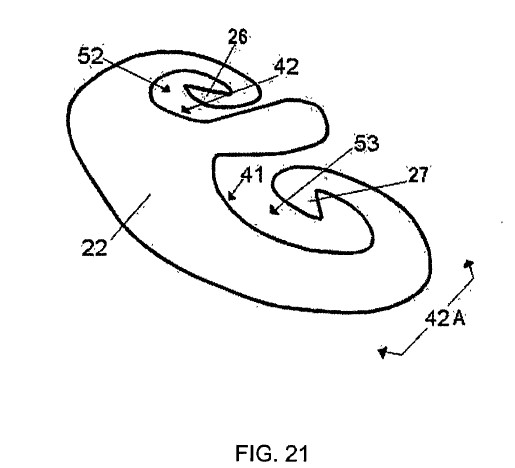
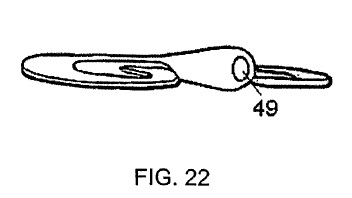
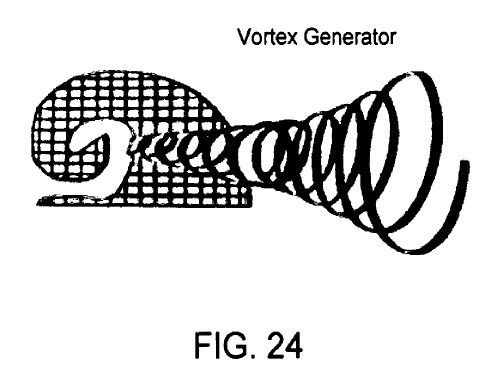
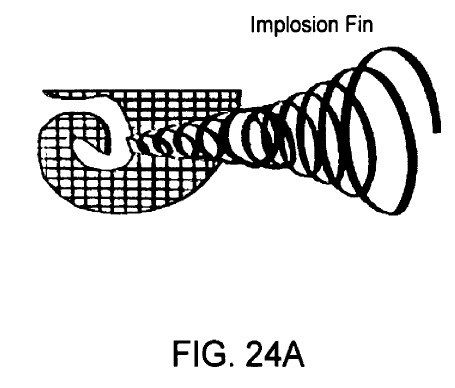
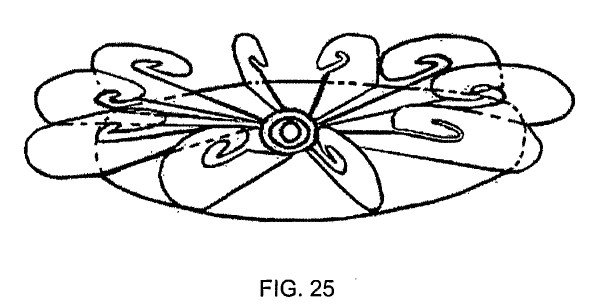
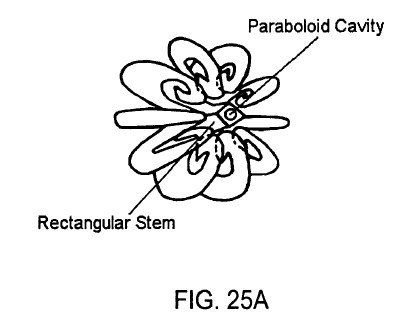
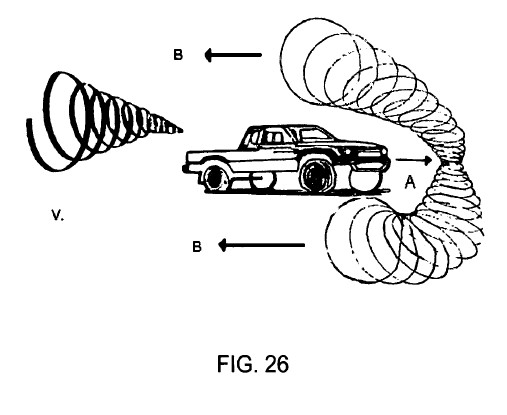
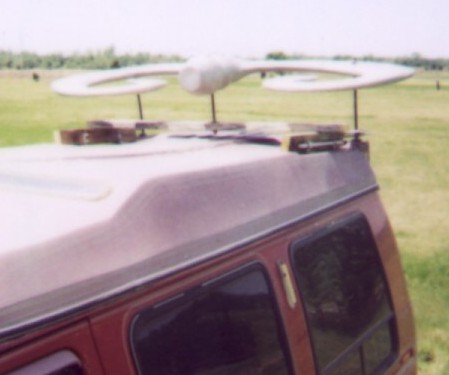
A hyperbolic-shaped, textured wing mounted on the roof of a vehicle creates a controlled vortex that "push-pulls" on the airflow, reducing wake drag and increasing drag utilization. The wing incorporates denticulate riblets, V-shaped grooves, and drag-utilization slots to enhance vortex implosion and improve MPG.
Principles
- Vortex implosion propulsion
- Drag utilization
- Aerodynamic shaping (hyperbolic wing profile)
- Surface texturing (denticles, riblets, V-grooves)
- Wake reduction
Scientific Domains
Materials
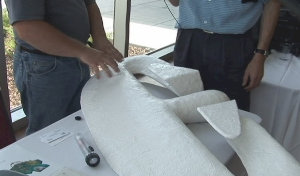
- Foam core
- Fiberglass
- Composite patterns
- Duct tape
- Mounting brackets (metal)
- Protective coating
Mechanisms of Action
- Generation of a controlled vortex that creates suction and thrust components
- Reduction of parasitic wake signature
- Enhanced drag conversion into forward thrust
- Surface riblet and denticle textures to manipulate boundary layer
Applications
- Automotive fuel-efficiency improvement
- After-market aerodynamic retrofits
Claimed Performance
2-3x normal MPG; test reports of 34 MPG (baseline 18 MPG), 23 MPG (baseline 8.5-9 MPG), 28 MPG (baseline 20 MPG), 56-57 MPG (baseline 17.8 MPG), and a single test claiming 101 MPG (0.2 gal for 20.2 mi).
Experimental Evidence
Anecdotal mileage data from several vehicle owners (Chevy S-10, Dodge Caravan, Chevy Suburban, Volvo, Lincoln Town Car) who installed the wing and reported increased MPG. No independent peer-reviewed studies were cited.
Replication Status
Multiple independent hobbyist builders have reported similar MPG gains, but no formal independent replication or certification is documented.
Limitations
- Performance claims are based on anecdotal, non-controlled tests
- Effectiveness appears limited to certain speed ranges (~=55-85 mph)
- Installation requires proper mounting angle and surface texturing
- No peer-reviewed validation or independent laboratory testing
Red Flags
- Claims of "quantum vortex implosion" and mileage gains far exceeding conventional physics expectations
- Lack of independent, peer-reviewed experimental data
- Reliance on self-reported testimonials and marketing materials