Goal
To investigate the existence and characteristics of biologically induced magnetic anomalies and to determine whether magnetic properties of materials can be temporarily altered by a biological activation process.
Problem
The lack of understanding of weak biomagnetic effects and their potential influence on material magnetization, as well as the difficulty of measuring such subtle magnetic changes.
Concept Summary
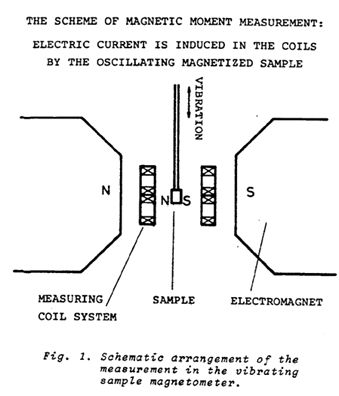
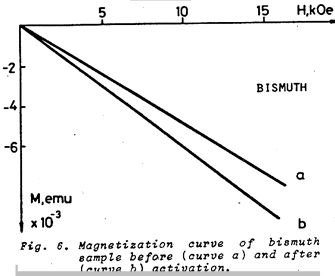
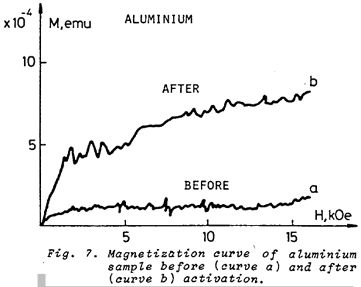
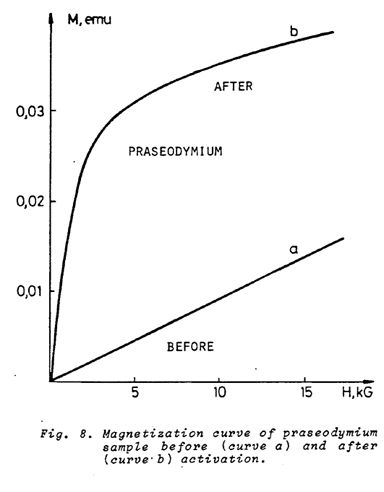
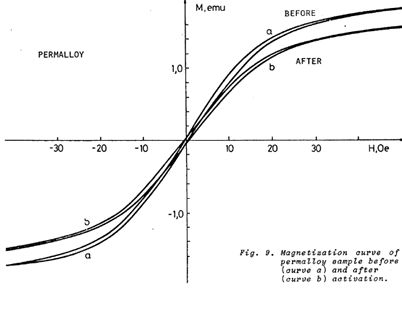
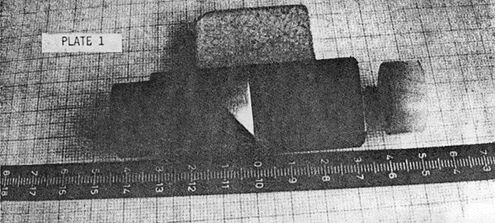
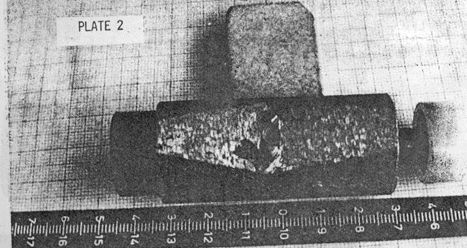
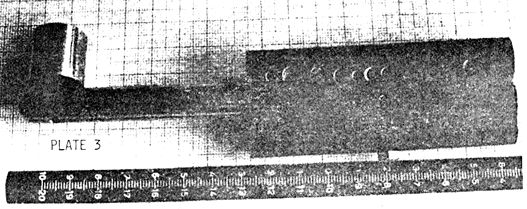
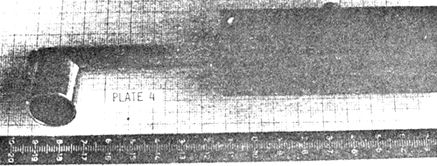
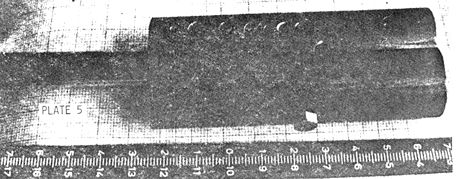
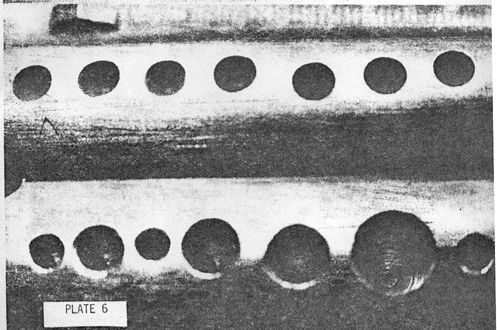
The study reports that placing samples of various materials (wood, PVC, metals) into a small metal device (PAD) while the operator concentrates mentally can temporarily change the samples' magnetization curves, as measured by a vibrating sample magnetometer. The effect is claimed to be reproducible under controlled laboratory conditions.
Principles
- Biological activation via mental concentration
- Amplification of weak biomagnetic fields
- Transient alteration of magnetic susceptibility and magnetization
Scientific Domains
Materials
- Wood
- PVC
- Iron
- Brass
- Steel
- Bronze
- Adhesive tape
Mechanisms of Action
- Mental concentration applied to a metal activation device
- Interaction of the device with the sample's magnetic domains
- Possible coupling of weak biomagnetic fields to material structure
Applications
- Fundamental research on biomagnetic interactions
- Potential new methods for magnetic material characterization
Claimed Performance
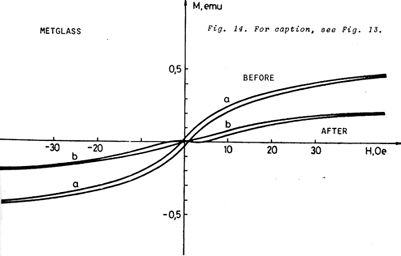
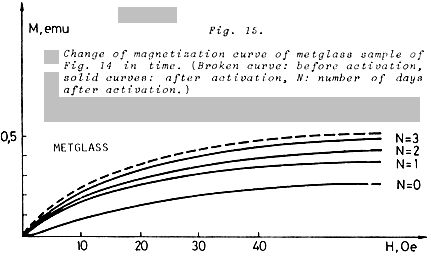
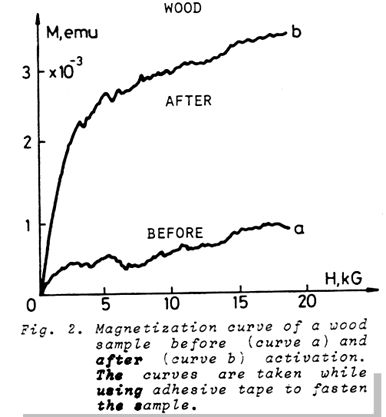
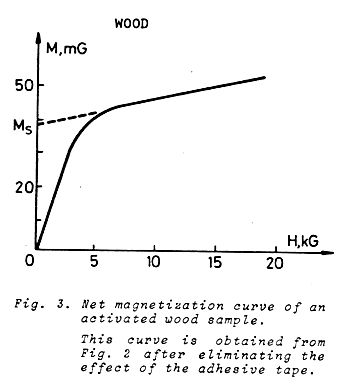
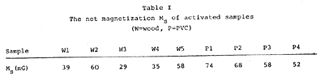
Magnetization curves of wood and PVC samples changed after activation; samples that were non-magnetic became measurably magnetic according to vibrating sample magnetometer readings.
Experimental Evidence
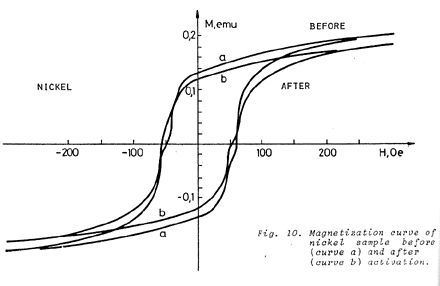
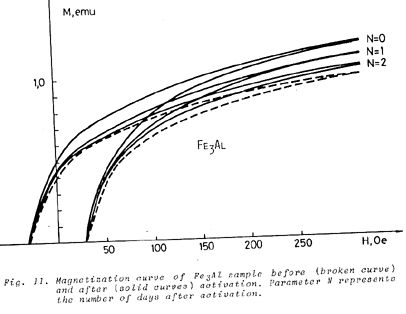
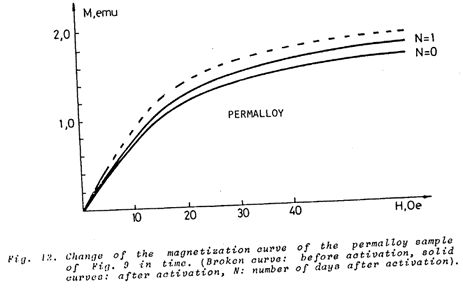
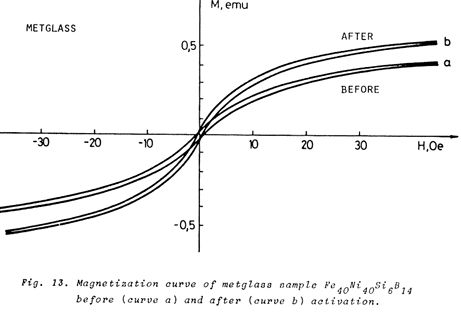
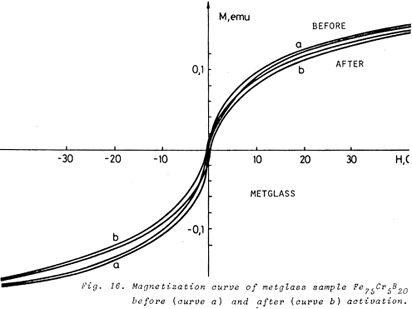
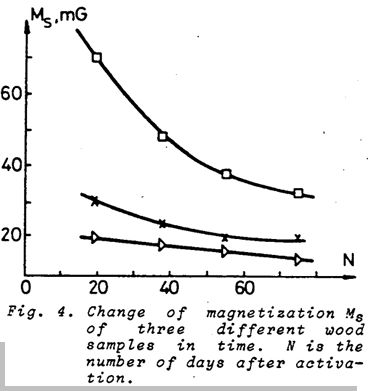
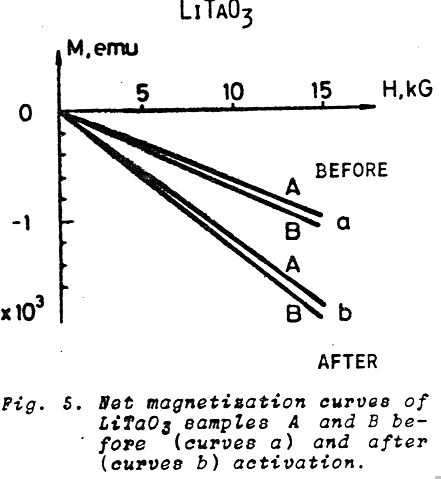
Measurements with a vibrating sample magnetometer showed differences in magnetization before and after activation for wood and PVC specimens. Figures in the paper illustrate net magnetization curves after background subtraction, with reported errors not exceeding 20 %.
Replication Status
The authors performed repeatable measurements on multiple samples; no independent replication by other laboratories is reported.
Limitations
- Requires a trained operator to perform mental concentration
- Effect size is small and measurement is near instrument sensitivity limits
- No clear physical mechanism identified
- Lack of independent verification
Red Flags
- Reliance on subjective mental concentration as a key input
- No peer-reviewed publication or independent replication cited
- Potential for observer bias in measurement handling