Goal
Generate clean, environmentally friendly renewable power using pressure-wave dynamics in a compact turbine.
Problem
Need for a low-cost, high-efficiency turbine with wide operating speed range and self-cooling capability.
Concept Summary
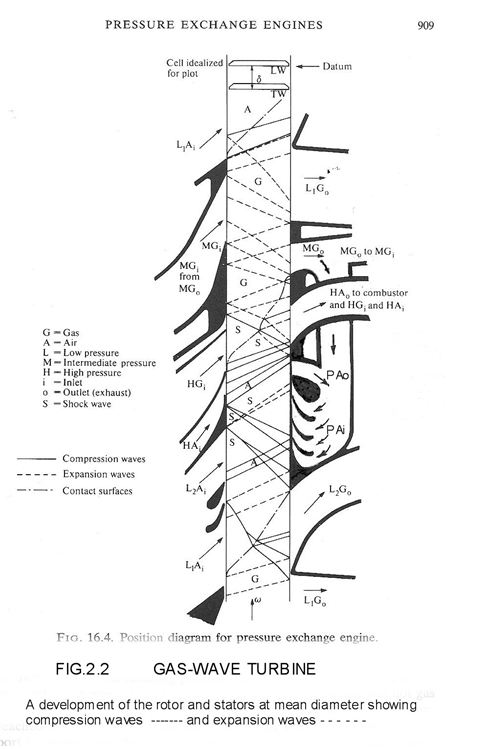
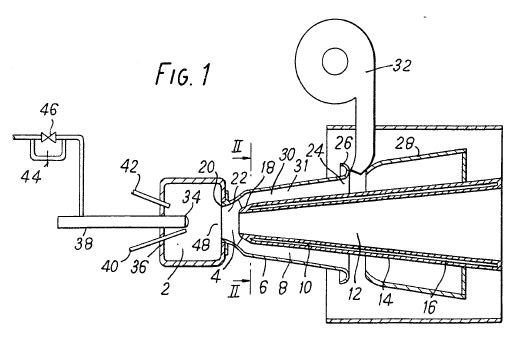
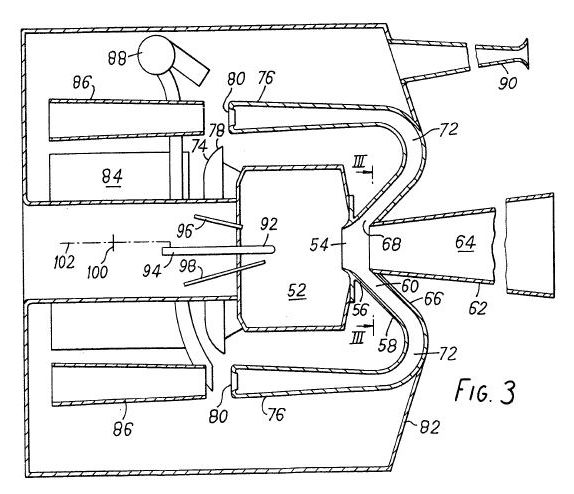
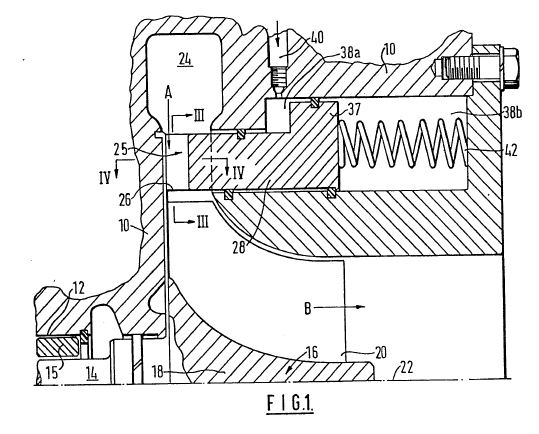
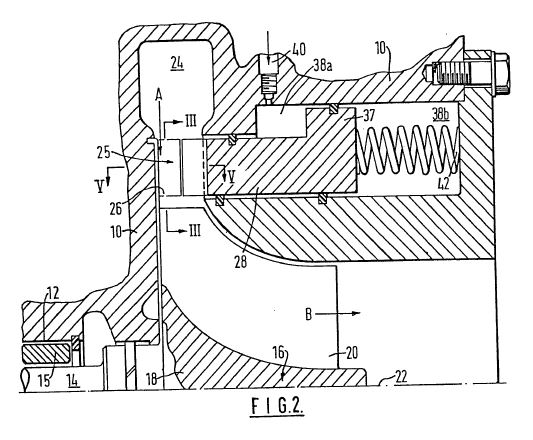
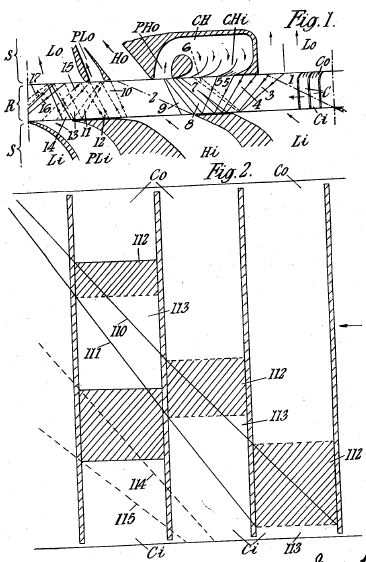
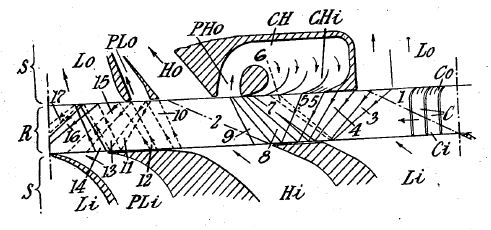
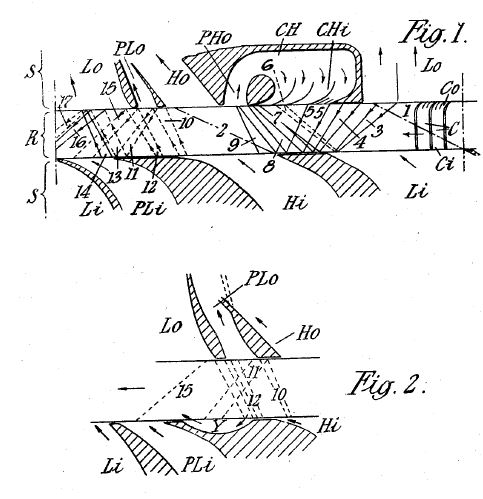
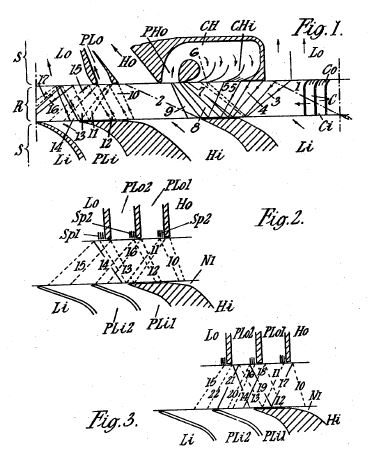
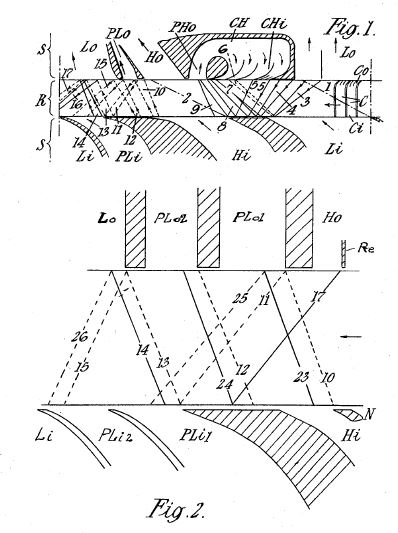
The Gas Wave Turbine uses intense pressure waves to compress air and rarefaction waves for expansion, producing shaft power with a single rotor. Hot-gas inlet, combustion chamber, and carefully timed wave-cancelling nozzles create a self-cooling, high-speed engine that can operate over a wide speed range without adjustable ports.
Detailed Description
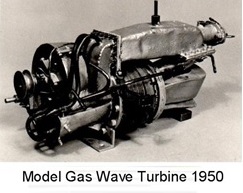
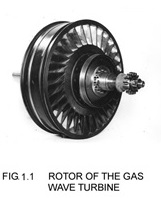
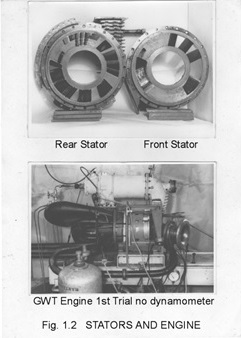
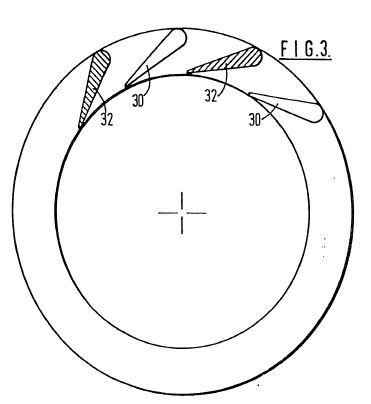
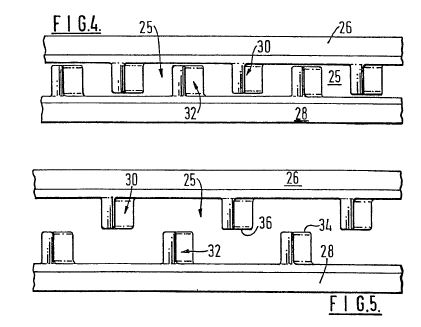
A prototype with a 2.5-inch rotor blade tip diameter was built and successfully started on the first try. A larger 9-inch rotor engine ran for over 400 hours, delivering 45 hp at 18 000 rpm. The rotor was made from an alloy called afortiwelda (similar in cost to mild steel). The design employs alternating hot and cool flows for self-cooling, helix-angled blades (37 deg to 50 deg ), and a wave-space-time diagram to manage compression and expansion waves. Future development was planned to couple the GWT with a centrifugal compressor to achieve a total pressure ratio of 15:1 for improved fuel economy.
Principles
- Pressure wave compression
- Rarefaction expansion
- Thermodynamic cycle
- Fluid-dynamic wave interaction
- Self-cooling via alternating hot/cool flows
Scientific Domains
Materials
- Aforthiwelda alloy (rotor)
- Mild steel (support structures)
- Standard high-temperature alloys for combustion chamber (unspecified)
Mechanisms of Action
- Compression waves increase air pressure
- Expansion waves allow work extraction
- Wave cancellation eliminates carry-over energy losses
- Rotating wave cells convert pressure fluctuations into shaft torque
Energy Sources
Applications
- Power generation
- Missile propulsion
- Marine propulsion
- Renewable energy from ocean platforms
Claimed Performance
45 horsepower at 18 000 rpm; continuous operation for >400 hours; start-up on first ignition.
Experimental Evidence
The article reports that a 9-inch rotor prototype was built, started on the first attempt, accelerated to 18 000 rpm, and ran for over 400 hours producing 45 hp.
Replication Status
Not replicated independently.
Limitations
- Funding cuts halted further development
- Precise wave-cancellation requires exact manufacturing tolerances
- No demonstrated self-sustained operation at commercial scale
Red Flags
- Lack of independent replication or peer-reviewed performance data
- Reliance on proprietary alloy (afortiwelda) without material specifications