Goal
Produce hydrogen on demand to replace fossil fuels and provide clean energy for marine, automotive, rail, aviation and power generation applications.
Problem
Need for efficient, safe, and economical hydrogen production to reduce reliance on heavy, polluting fossil fuels.
Concept Summary
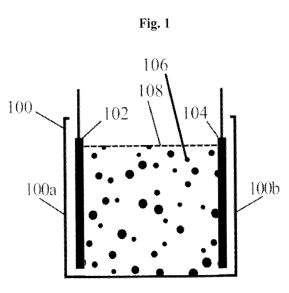
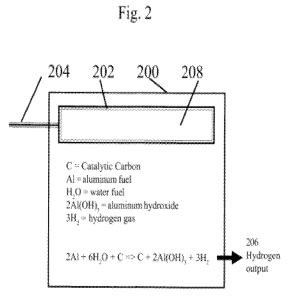
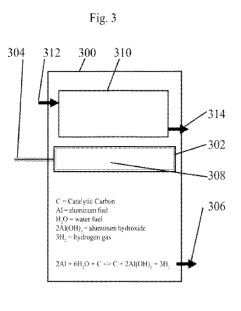
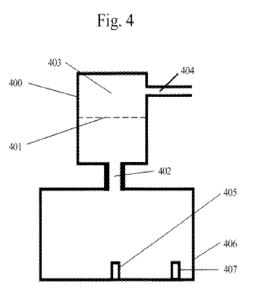
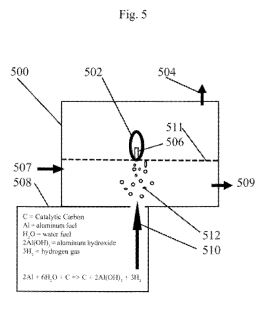
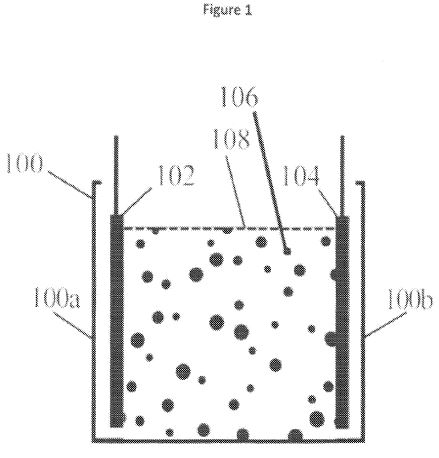
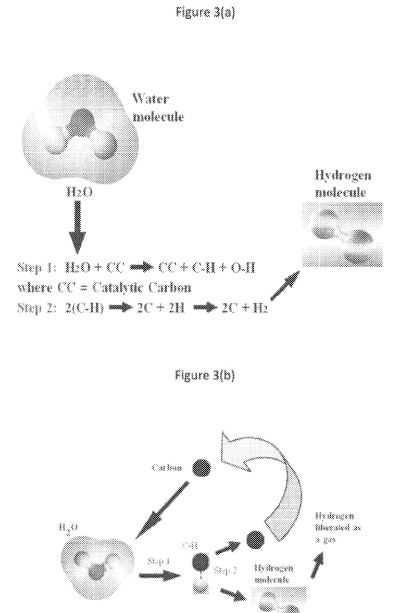
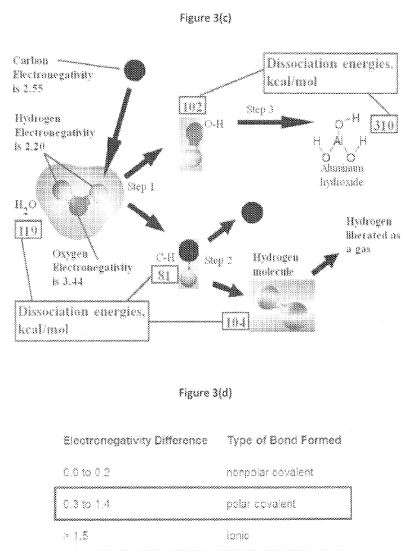
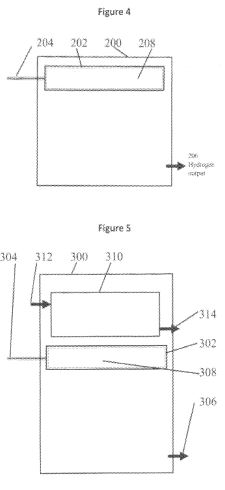
The Phillips Method uses an electro-activated carbon (or lead) catalyst combined with water and an aluminum fuel to generate hydrogen on demand. Electrical energy activates the catalyst, which then reacts with water (or other hydrogen-containing liquids) and aluminum to release hydrogen gas. The reaction rate can be controlled by heating or cooling the mixture.
Principles
- Electro-activation of catalyst material
- Chemical reaction of water with activated catalyst to release hydrogen
- Aluminum oxidation as additional hydrogen source
- Temperature control to modulate hydrogen production rate
Scientific Domains
Materials
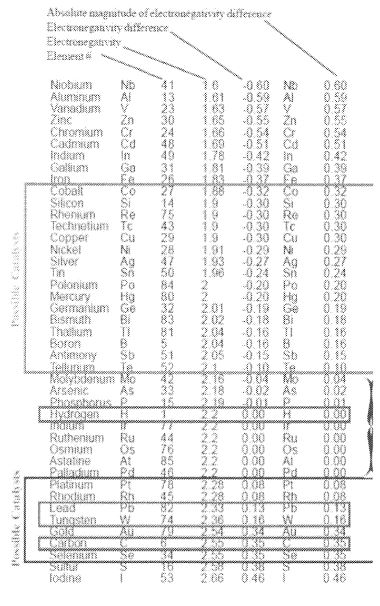
- Carbon
- Lead
- Aluminum powder
- Aluminum granules
- Aluminum shavings
- Water
- Tap water
- Sea water
- Salt water
- Alkaline water
- Acidic water
- Sodium bicarbonate
- Sodium chloride
- Potassium hydroxide
Mechanisms of Action
- Electro-activation of carbon, lead, or aluminum catalyst
- Reaction of water (or sea water, etc.) with electro-activated catalyst
- Aluminum fuel reacts with water to produce hydrogen
- Thermal management (heating/cooling) to adjust reaction kinetics
Energy Sources
Applications
- Marine propulsion
- Automotive power
- Rail locomotives
- Aviation fuel
- Industrial heating
- Power generation
Claimed Performance
Estimated savings of $29,000 per day for a mid-size oil tanker by replacing a portion of bunker fuel with on-demand hydrogen; ability to generate hydrogen on demand at rates controlled by temperature (150-190 deg F).
Limitations
- Requires external electrical power for catalyst activation
- Consumes aluminum fuel, adding material cost
- No publicly available large-scale performance data
- Catalyst durability and lifespan not demonstrated
Red Flags
- Lack of peer-reviewed experimental data
- Claims based on internal calculations rather than independent testing
- Potential overstatement of cost savings