Goal
Convert ambient infrared (thermal) radiation into usable electrical power continuously.
Problem
Low efficiency of conventional solar cells (only visible light) and wasted heat from industrial processes and the environment.
Concept Summary
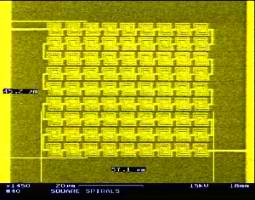
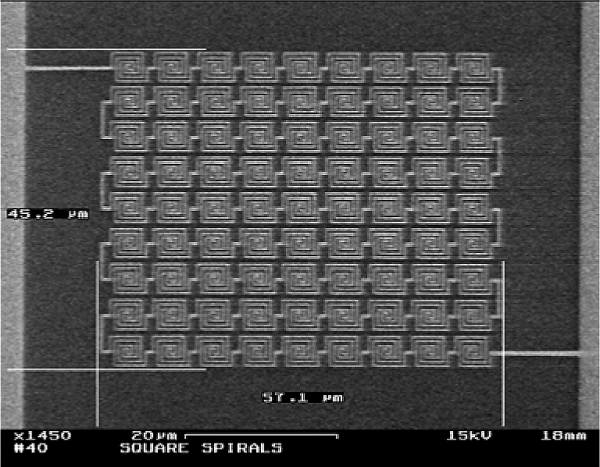
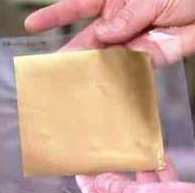
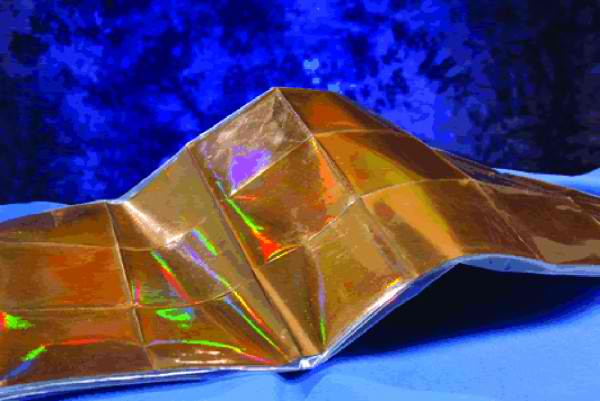
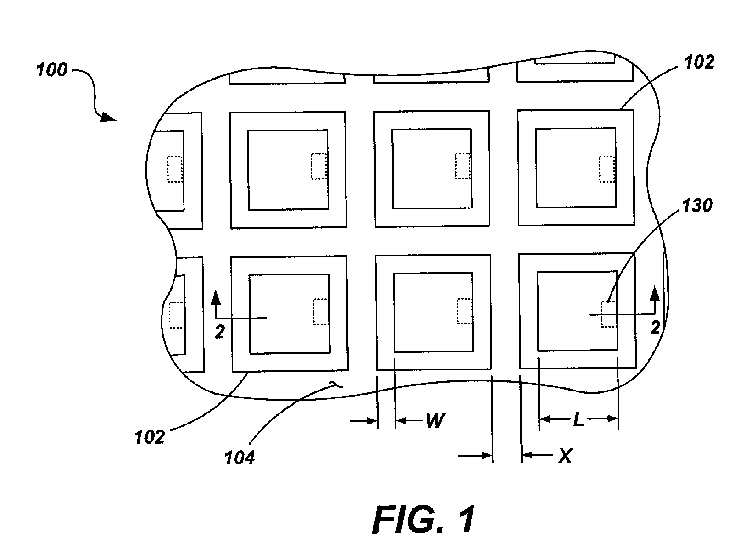
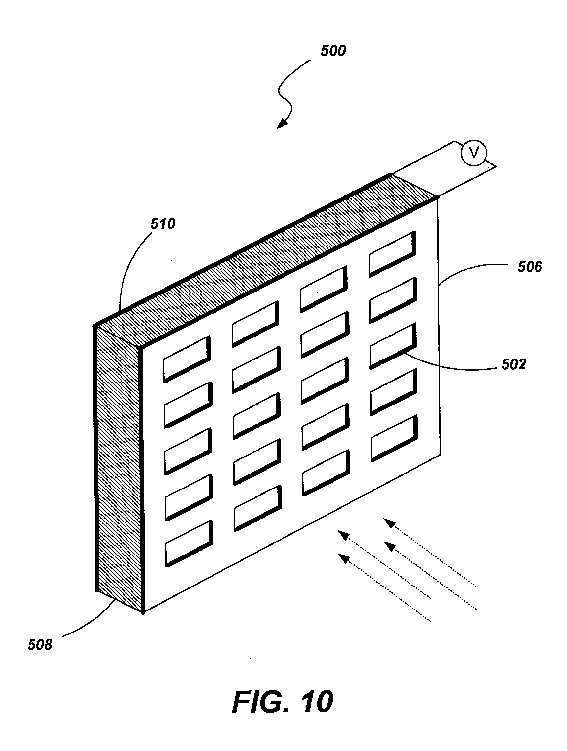
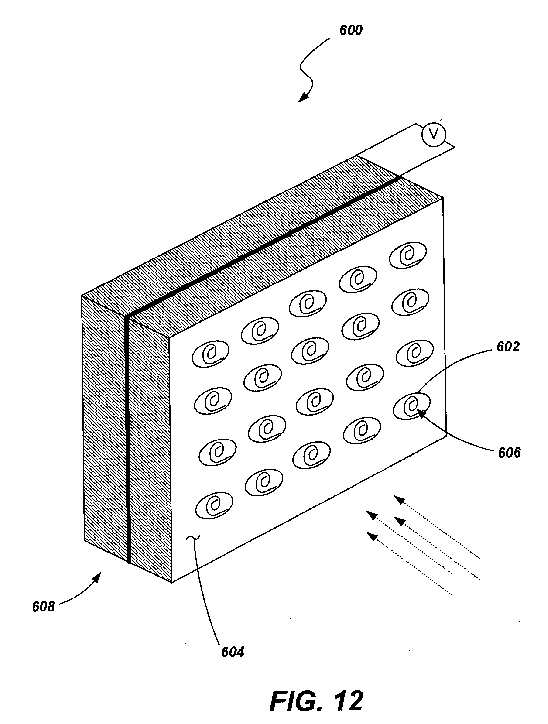
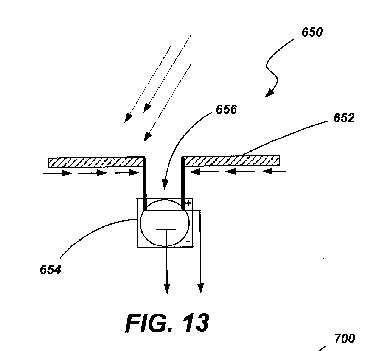
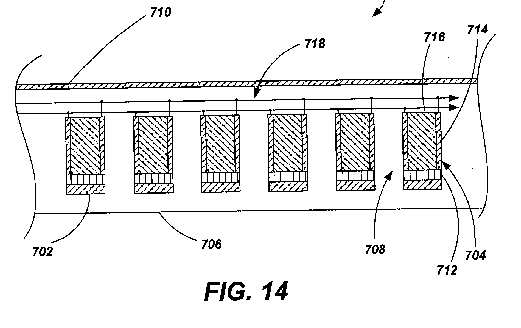
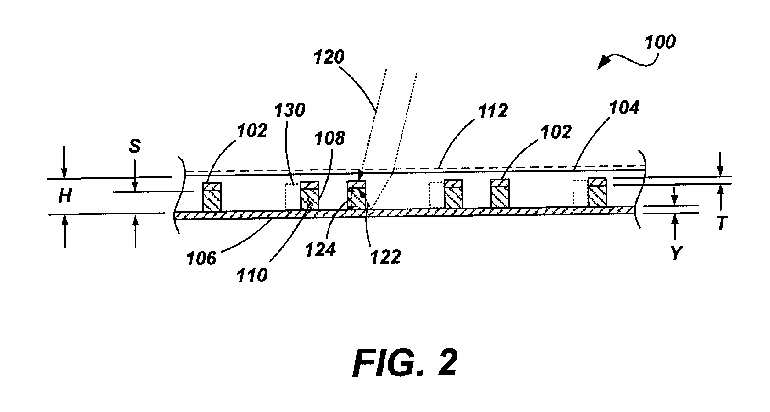
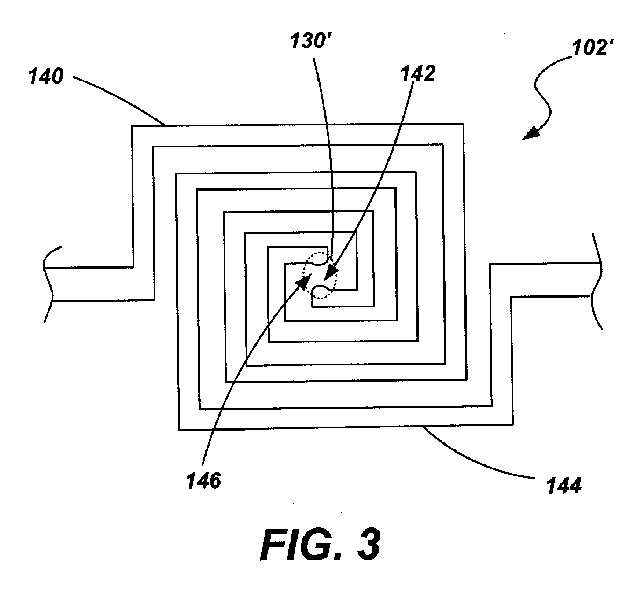
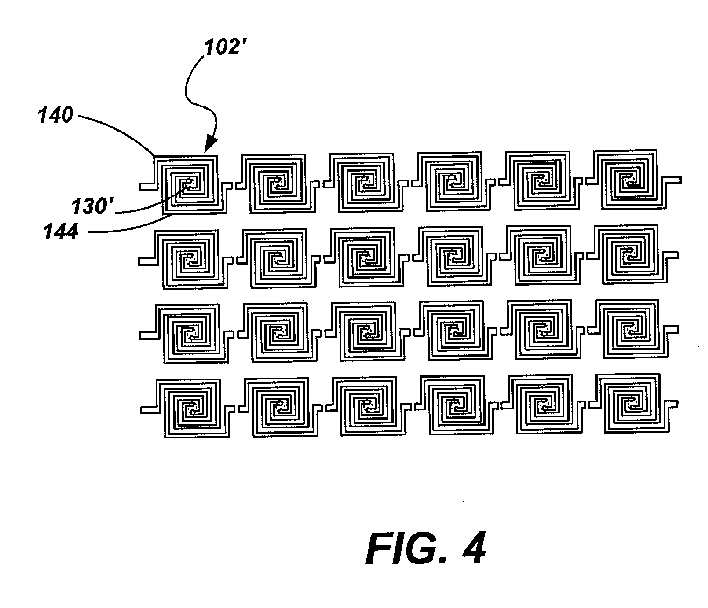
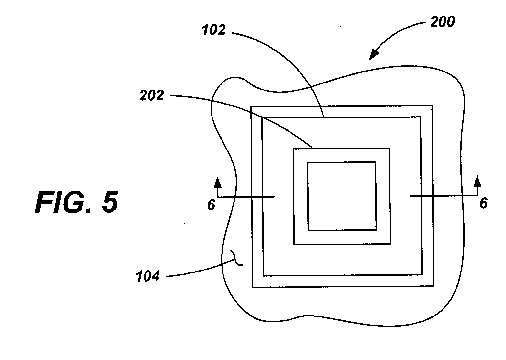
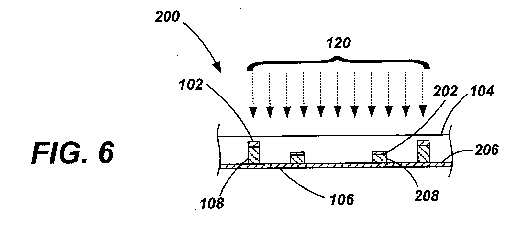
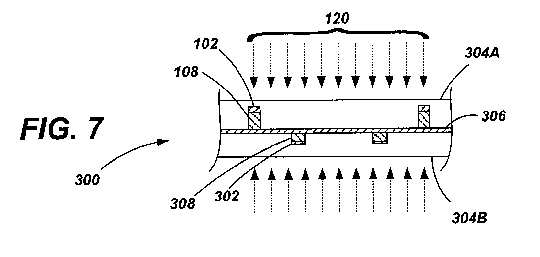
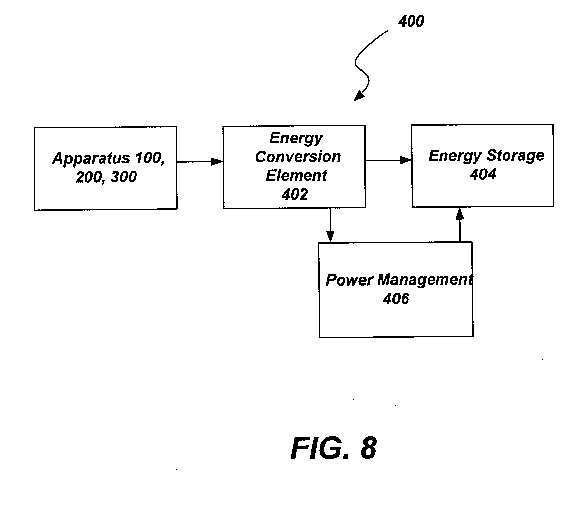
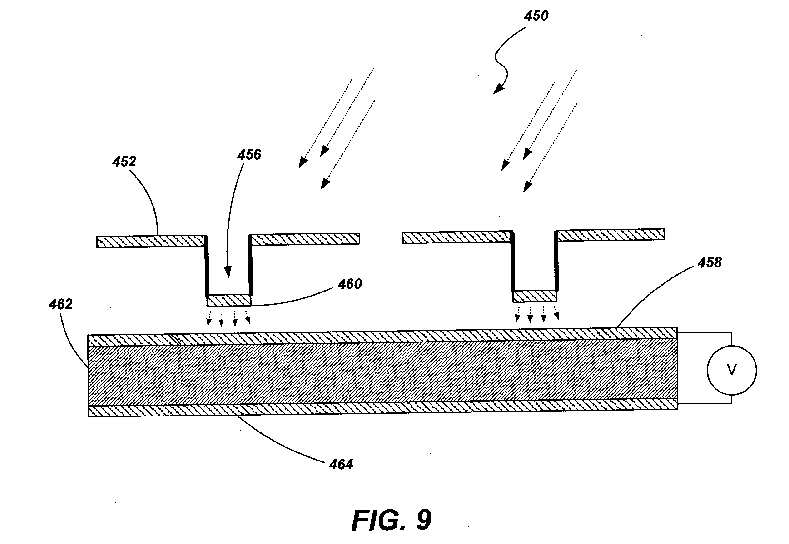
A dense array of nano-scale gold spiral antennas embossed on a flexible polyethylene-coated plastic sheet captures mid-infrared photons via resonant plasmonic absorption. The induced high-frequency alternating current is intended to be rectified by nanoscale diodes, delivering direct current electricity with reported conversion efficiencies above 80%.
Detailed Description
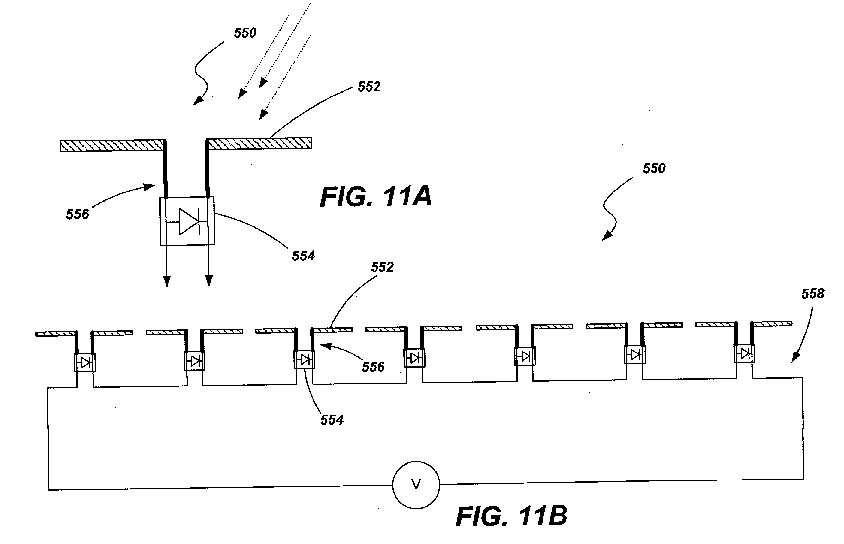
The researchers modeled gold, copper and manganese nano-antennas and found that correctly sized spirals could absorb >92 % of incident infrared energy. Prototypes were fabricated by etching gold spirals onto silicon wafers and by a stamp-and-repeat embossing process onto thin polyethylene-treated plastic sheets. Both prototypes demonstrated >80 % conversion of infrared radiation to electrical energy. The technology envisions roll-to-roll manufacturing of flexible sheets that could act as power-generating skins for buildings, vehicles, or handheld devices. A major hurdle is the lack of rectifiers capable of handling the terahertz-scale AC currents; the team proposes integrating nanoscale diodes directly into each antenna.
Principles
- Resonant plasmonic absorption of mid-infrared photons
- Conversion of photon energy to high-frequency alternating current in nano-antennas
- Nanorectification of terahertz AC to direct current
Scientific Domains
Materials
- Gold
- Polyethylene (treated)
- Silicon (wafer substrate)
- Copper
- Manganese
Mechanisms of Action
- Gold nano-spirals resonate at specific infrared wavelengths, concentrating electromagnetic energy
- Induced electron oscillations generate alternating current at terahertz frequencies
- Integrated nanoscale diodes (nanorectifiers) would convert the AC to usable DC
Energy Sources
Applications
- Power-generating skins for buildings
- Charging portable electronics
- Waste-heat recovery for industrial processes
- Passive cooling of structures
Claimed Performance
Prototype conversion efficiency >80 % (silicon and plastic sheets); simulated absorption up to 92 % of incident infrared energy.
Experimental Evidence
Laboratory prototypes etched on silicon wafers and embossed on plastic sheets showed >80 % conversion of infrared radiation to electricity; computer models predicted >92 % absorption.
Replication Status
Prototype demonstrated by INL research team; no independent replication reported in the article.
Limitations
- Abs of nanoscale rectifiers capable of terahertz-frequency AC conversion
- Long-term durability of nano-antenna arrays on flexible substrates
- Scalability of precise nano-patterning over large areas