Goal
Rebuild enamel and reverse tooth decay without drilling or filling.
Problem
Dental caries (tooth decay) that currently requires invasive drilling and filling.
Concept Summary
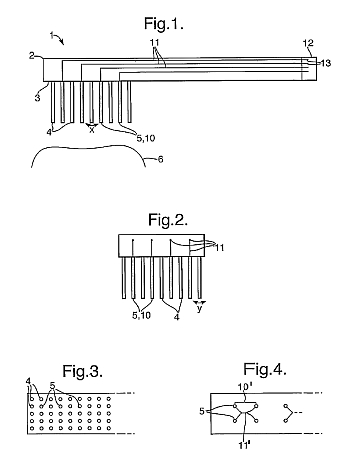
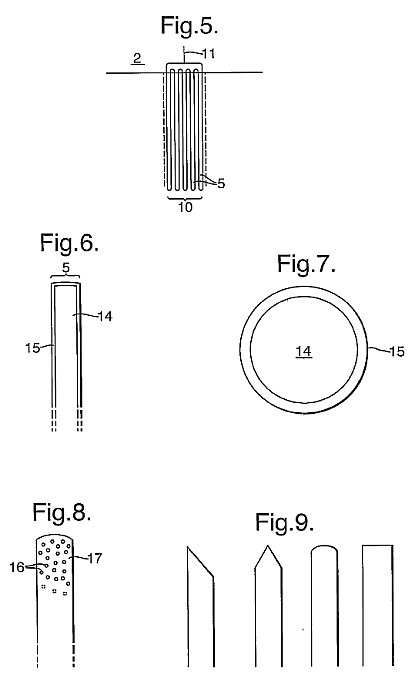
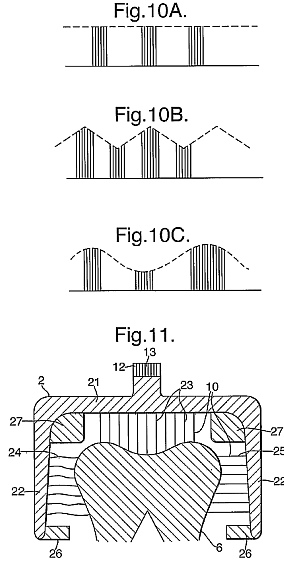
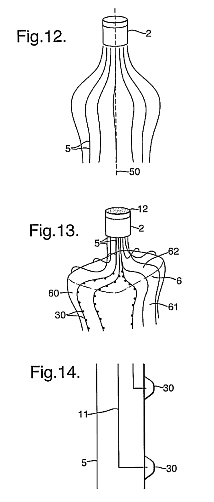
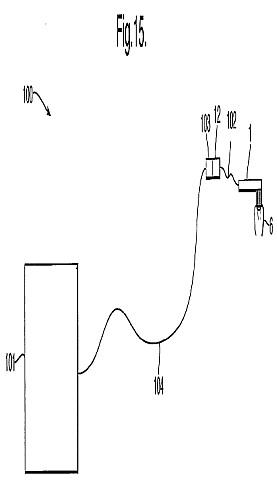
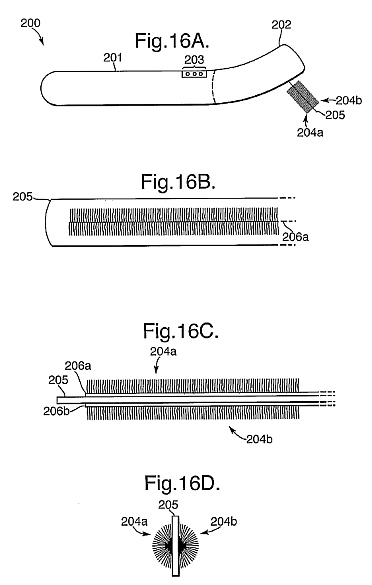
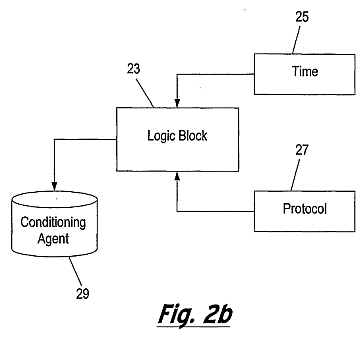
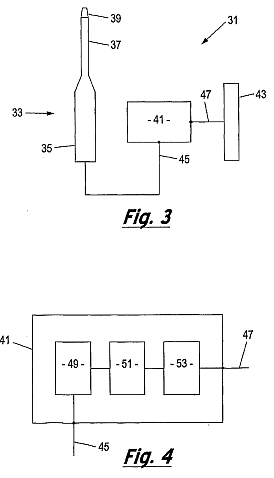
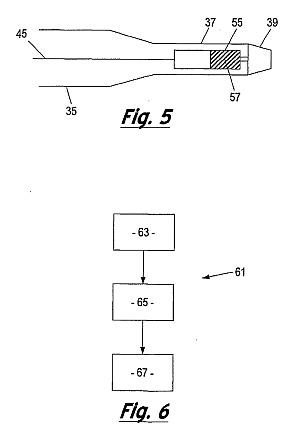
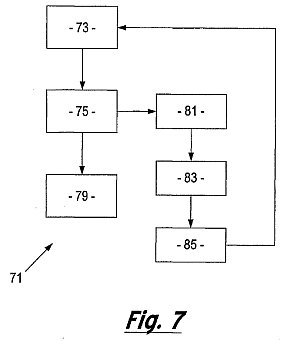
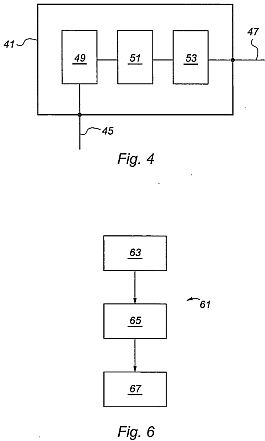
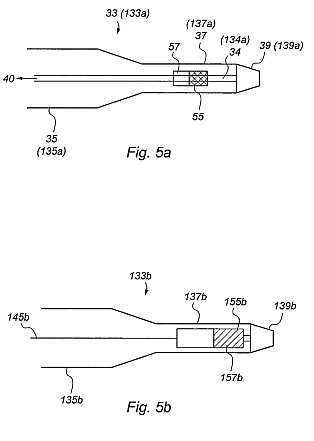
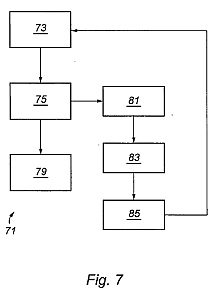
A two-step dental device that first prepares demineralised enamel and then uses a tiny electric current, combined with ultrasound-driven iontophoresis, to push calcium-phosphate mineralising agents into the tooth, restoring enamel and optionally whitening the teeth.
Principles
- Ultrasound-driven iontophoresis
- Electrosonophoresis (combined ultrasound and electrical stimulation)
- Electrical current-driven mineral ion transport
- Impedance-based feedback control
Scientific Domains
Materials
- Calcium phosphate
- Fluoride (optional)
- Gel/solution carrier for mineralising agent
Mechanisms of Action
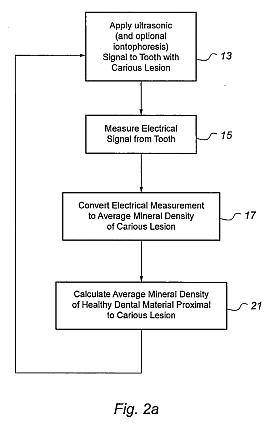
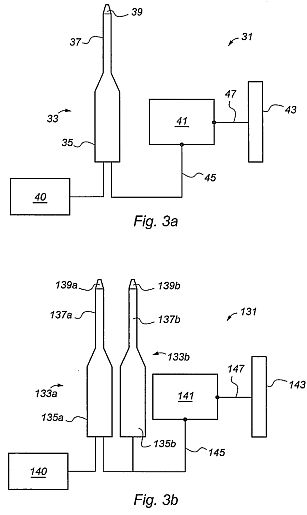
- Ultrasound generates acoustic pressure that assists transfer of mineralising agents from probe to tooth surface
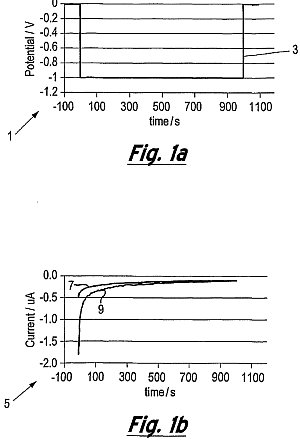
- Iontophoresis uses a low-level electric current to propel charged calcium/phosphate ions into enamel pores
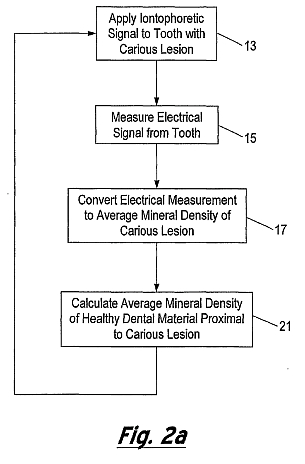
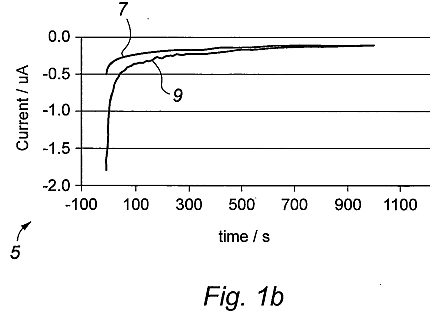
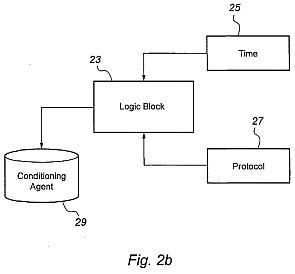
- Electrical impedance monitoring adjusts signal parameters to match the tooth's mineralisation state
Energy Sources
Applications
- Treatment of early-stage dental caries
- Enamel repair and regeneration
- Cosmetic tooth whitening
Claimed Performance
Device can rebuild enamel and halt caries progression without drills, injections or filling materials; also provides tooth whitening and is expected to be cost-effective compared with current dental treatments.
Experimental Evidence
The article reports a prototype demonstration and press releases but provides no quantitative data, clinical trial results, or peer-reviewed studies.
Limitations
- No published clinical trial data
- Effectiveness may vary with lesion size and patient anatomy
- Device not yet commercially available
Red Flags
- Claims of eliminating all fillings are not yet supported by peer-reviewed evidence
- Lack of quantitative performance data