Goal
Reduce vehicle smog-producing emissions and improve fuel efficiency by on-board conversion of a fraction of fuel into hydrogen-rich gas.
Problem
High NOx and other pollutant emissions from internal-combustion engines and dependence on foreign oil.
Concept Summary
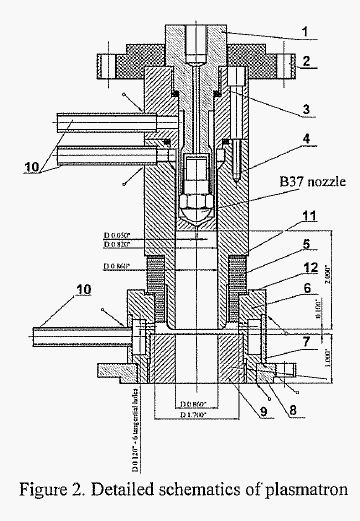
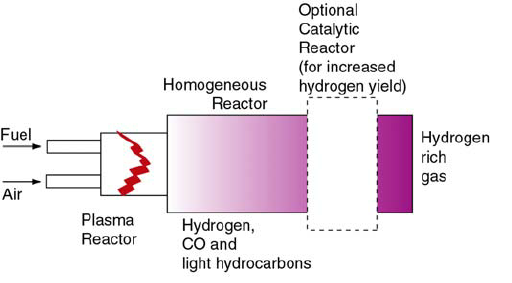
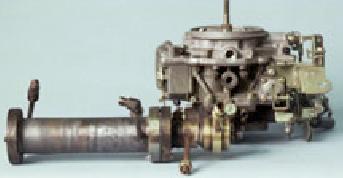
A compact, low-power plasma fuel reformer (the plasmatron) uses an electric arc to create a high-temperature plasma that rapidly converts gasoline, diesel, biocrude or vegetable-oil fuels into a hydrogen-rich gas. Adding this gas to the main fuel stream lowers combustion temperatures and reduces NOx emissions while modestly improving engine efficiency.
Detailed Description
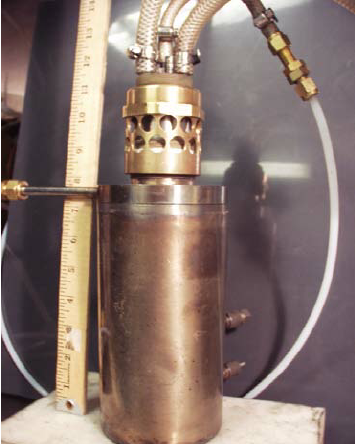
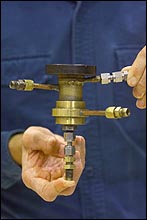
The plasmatron is roughly the size of a soup can or wine bottle and operates at < 1 kW electrical power. Fuel is injected into a discharge chamber where an electric arc ionizes the fuel and surrounding air, forming a plasma. The plasma accelerates chemical reactions, cracking hydrocarbons and producing a gas rich in hydrogen (~= 90 % conversion of the processed fuel). The hydrogen-rich gas is mixed with the unprocessed fuel and fed to the engine. Laboratory tests showed > 90 % conversion for gasoline, diesel and biocrude fuels, and engine tests demonstrated NOx reductions of up to two orders of magnitude (~= 2700 ppm -> 20 ppm). The system is designed to be inexpensive (~= $200-$300) and to use replaceable electrodes similar to spark plugs.
Principles
- Electrical discharge plasma generation
- Catalyst-free fuel cracking
- Hydrogen enrichment of fuel stream
Scientific Domains
Materials
- Tungsten (electrode material)
- Ceramic insulating components
- Metal housing (steel/aluminum)
Mechanisms of Action
- Electric arc ionizes fuel and air -> plasma
- Plasma accelerates hydrocarbon reforming reactions
- Hydrogen-rich gas mixed with main fuel reduces combustion temperature and NOx formation
Energy Sources
Applications
- Vehicle emissions control
- On-board hydrogen production
- Improved fuel efficiency for cars, trucks and buses
Claimed Performance
Over 90 % conversion of processed fuel to hydrogen-rich gas; NOx emissions reduced from 2700 ppm to 20 ppm (~= 100x) in engine tests; 25-50 % fuel conversion can cut NOx by a factor of 5-10.
Experimental Evidence
Engine-mounted plasmatron operated reliably for two weeks (4-6 h/day) with NOx drop from 2700 ppm to 20 ppm; laboratory conversion > 90 % for gasoline, diesel and biocrude.
Replication Status
Device installed in a commercial car engine and operated successfully for two weeks; next step planned vehicle integration (bus prototype).
Limitations
- Plasmatron consumes electrical power, reducing net fuel-savings if too much fuel is processed
- Electrode wear requiring periodic replacement
- Current designs process only a fraction of total fuel flow
- Integration with vehicle control systems still required