Goal
Generate electrical power directly from atmospheric electricity
Problem
Provide a cheap, continuous power source without fuel or conventional generation
Concept Summary
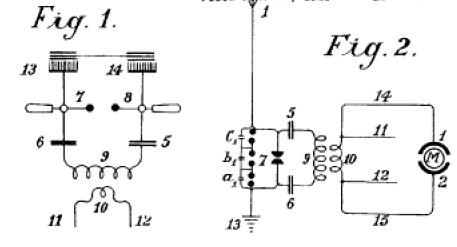
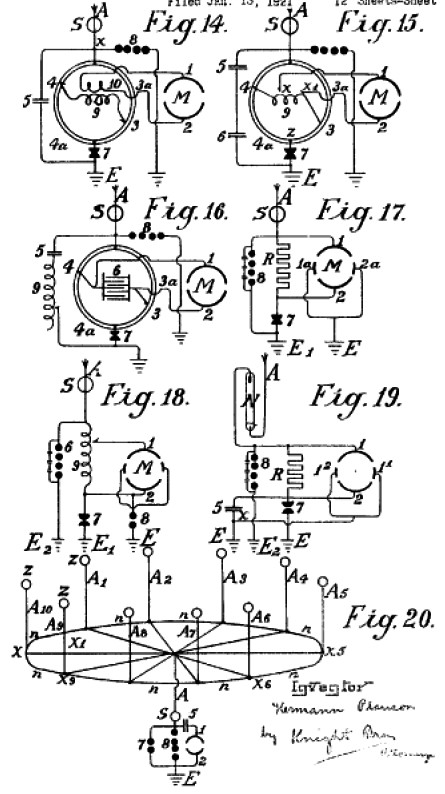
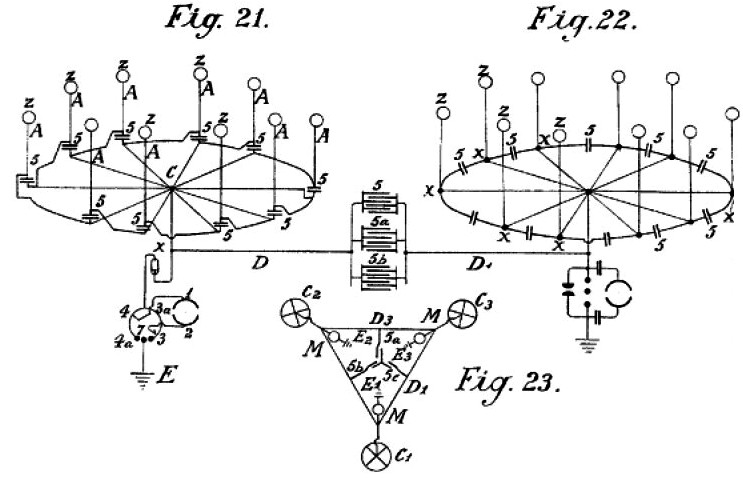
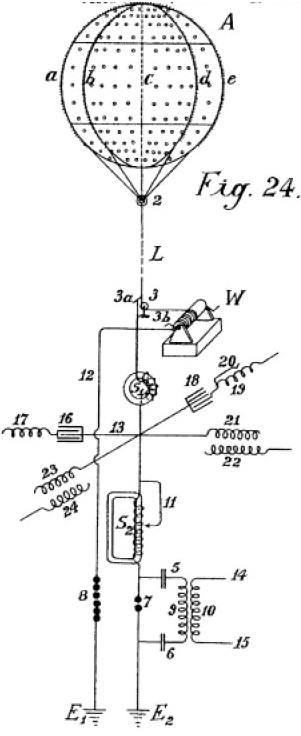
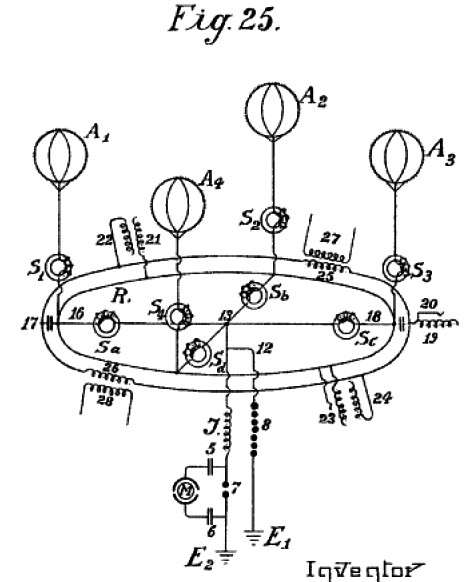
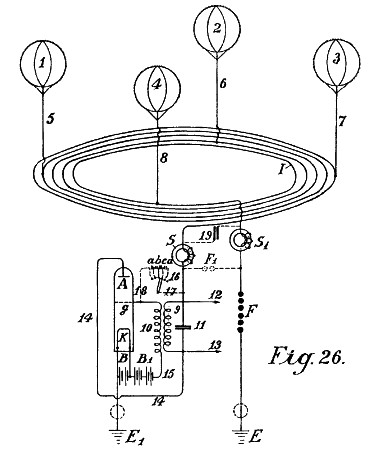
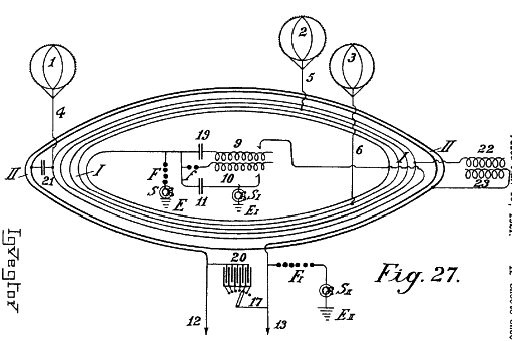
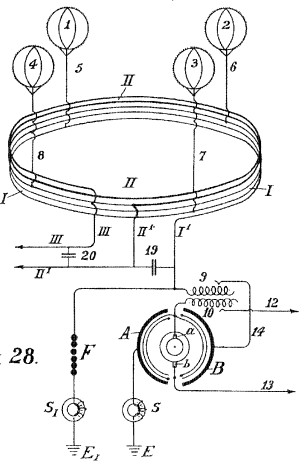
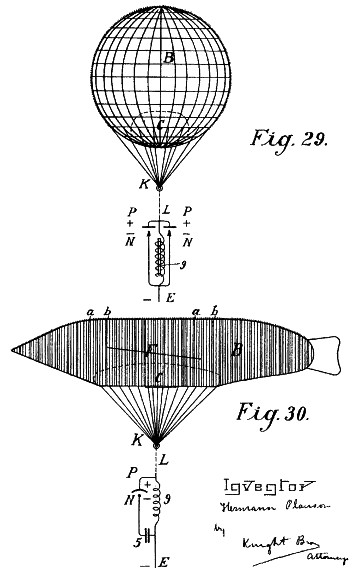
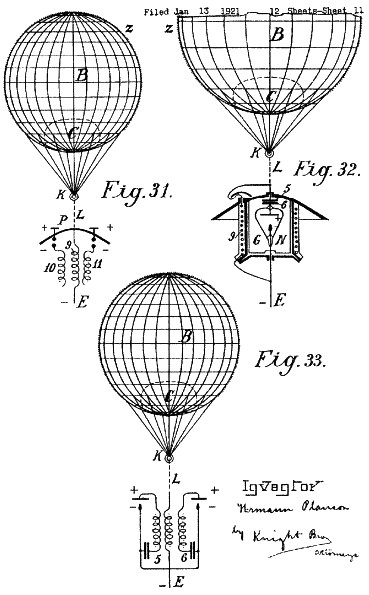
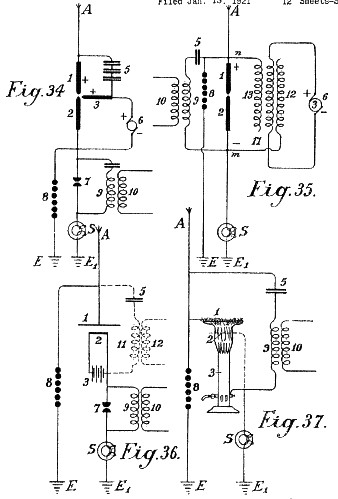
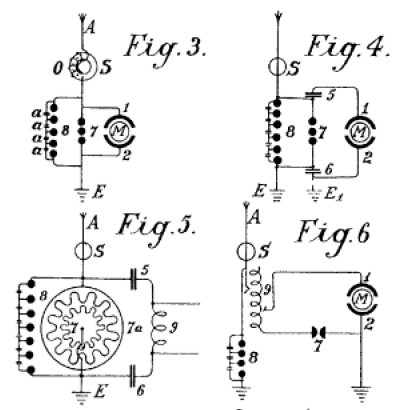
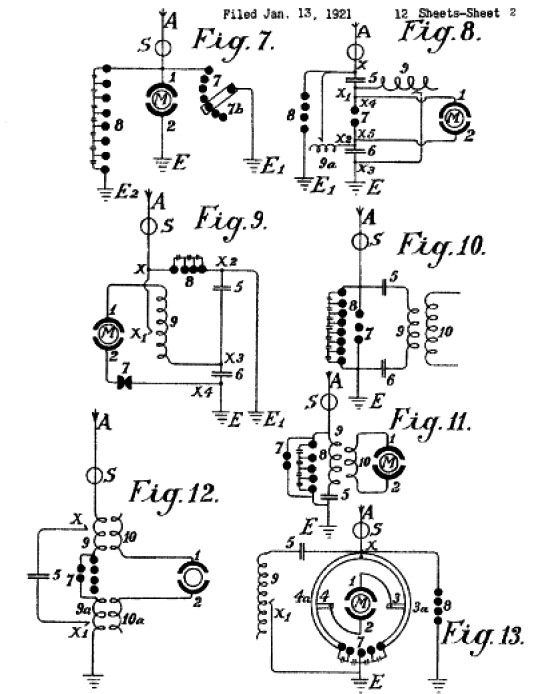
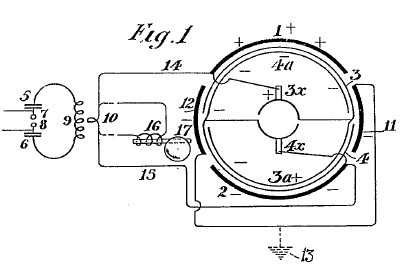
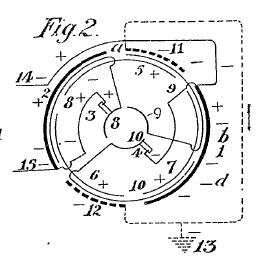
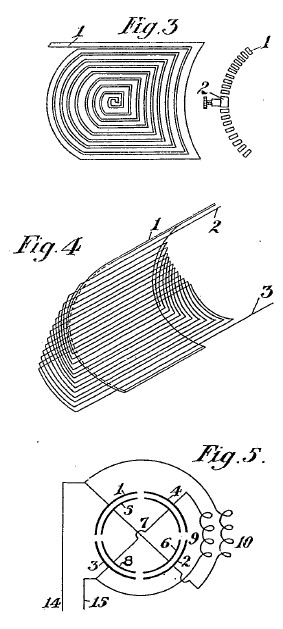
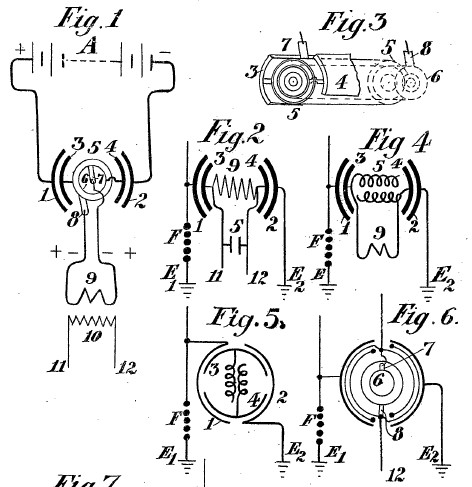
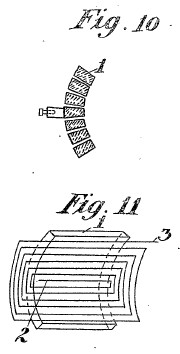
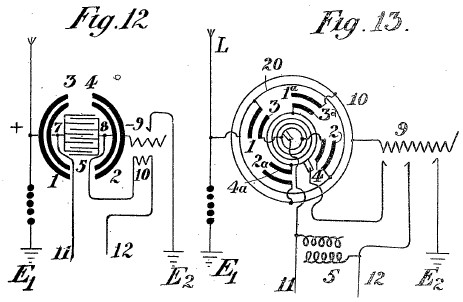
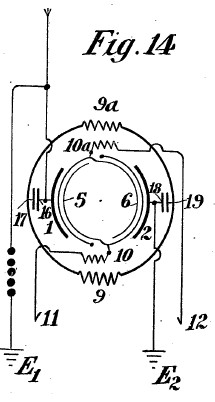
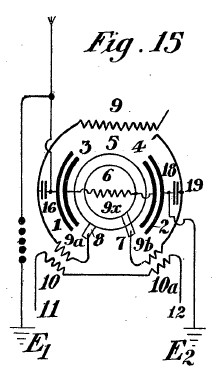
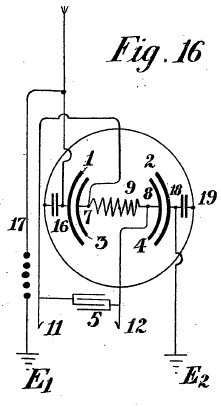
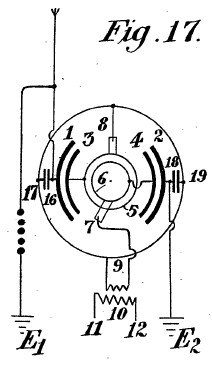
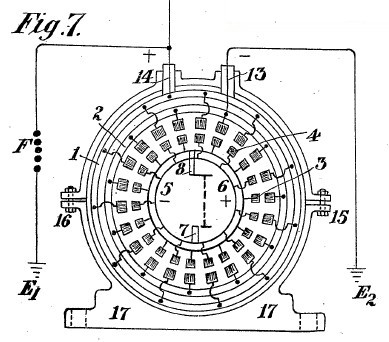
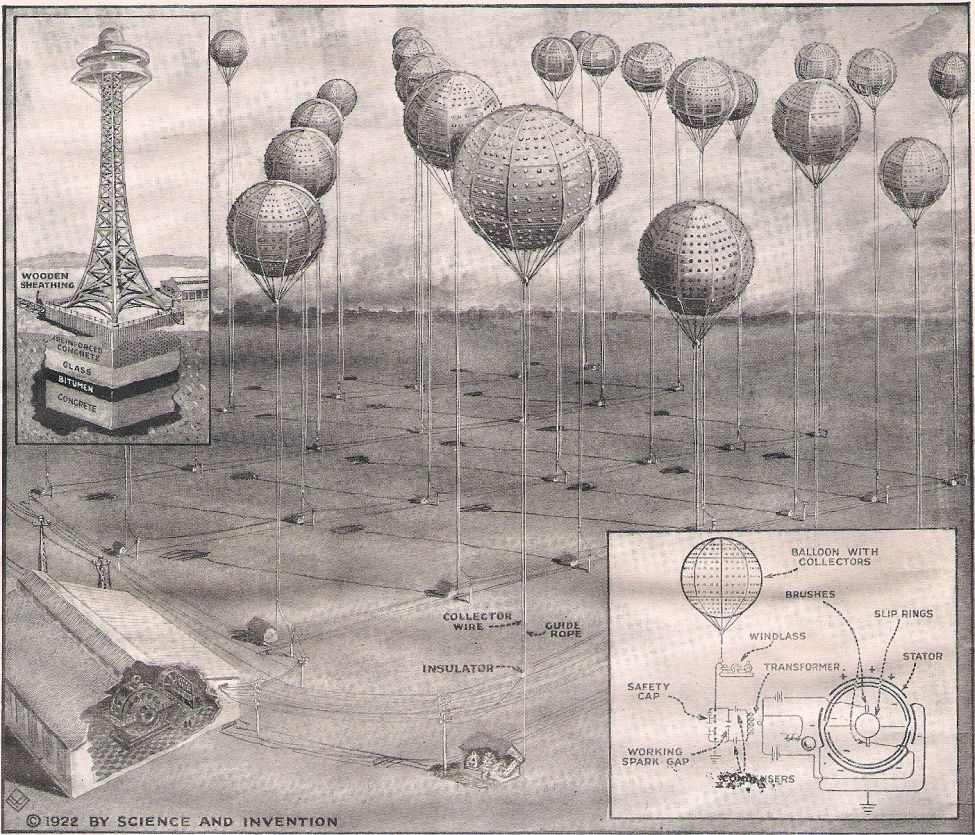
Plauson's system uses thin metallic leaf balloons equipped with sharp, ionizing pins (zinc-amalgam, radium, polonium) to collect static charge from the atmosphere. The collected charge is rectified into continuous current pulses and can be stored in condenser banks or used to drive an electrostatic rotary motor that operates without conventional coils.
Principles
- Electrostatic charge collection
- Ionization of air using radioactive/amalgam pins
- Photoelectric effect on metal points
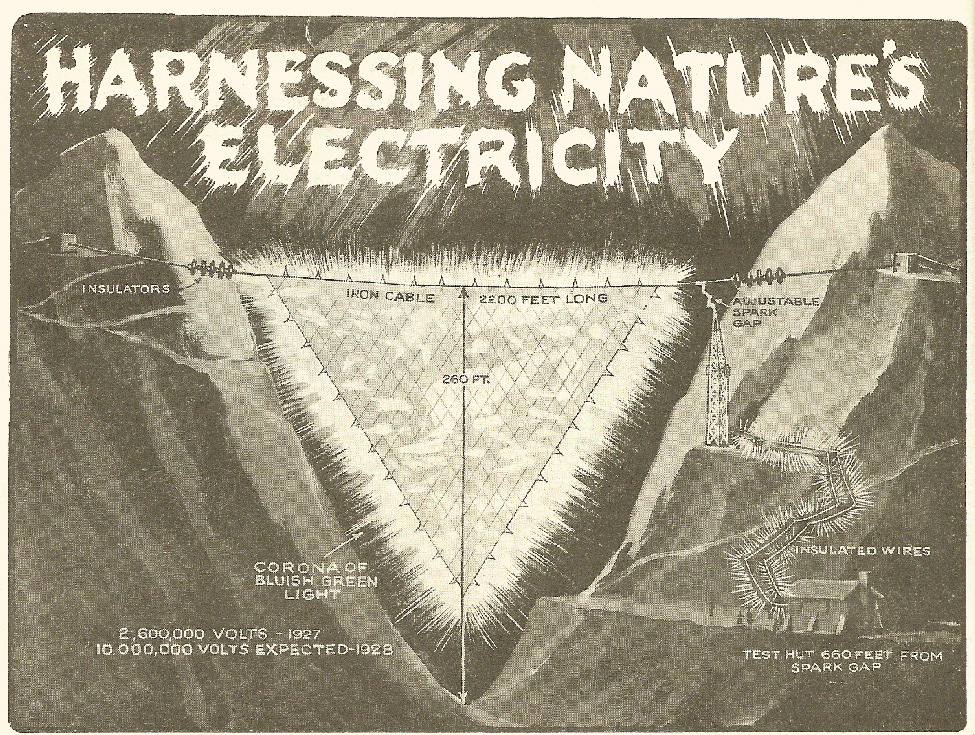
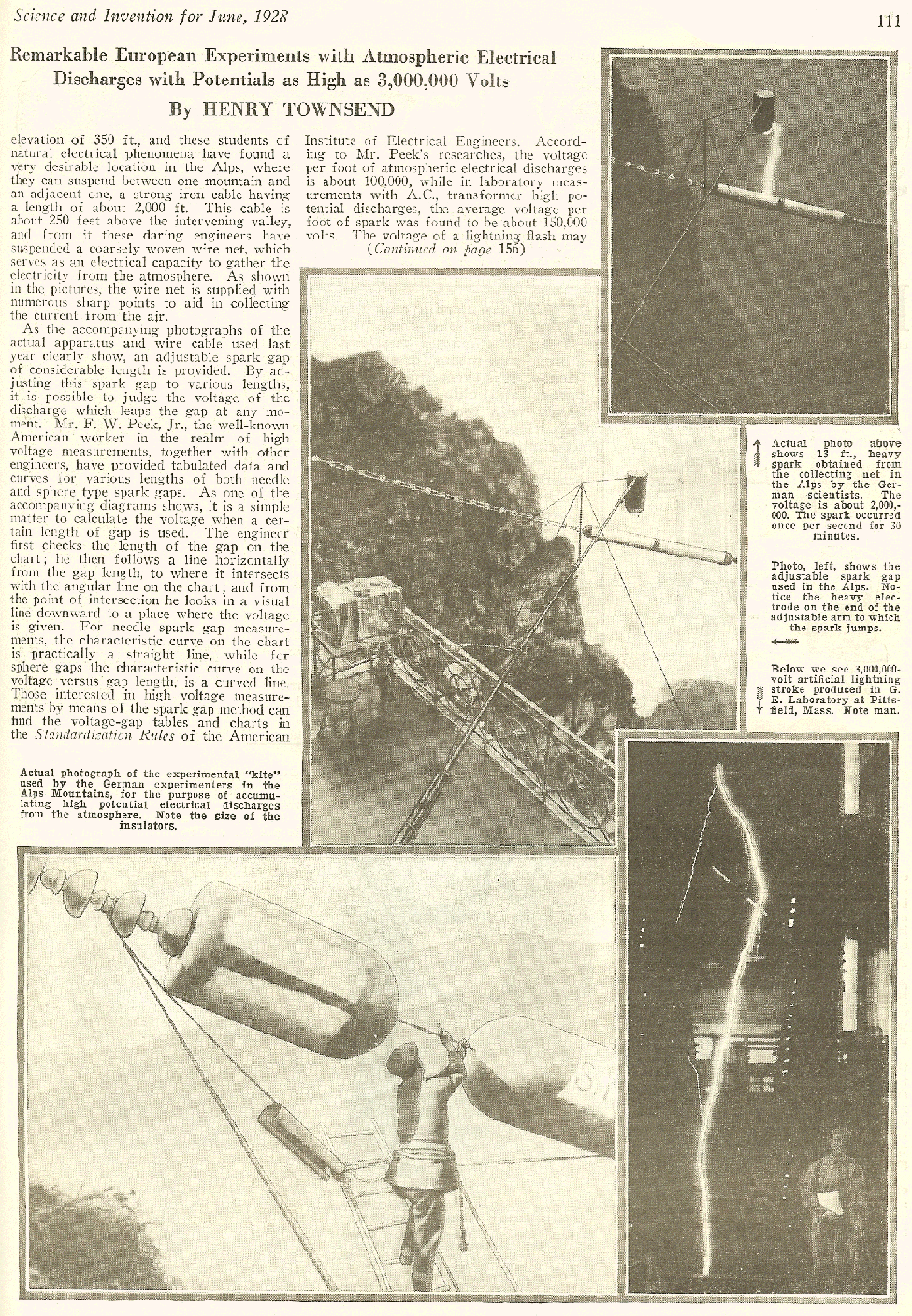
- High-voltage potential difference between atmosphere and ground
- Rectification of alternating radiant static electricity
Scientific Domains
Materials
- Aluminum leaf (thin metallic sheet)
- Zinc-amalgam
- Radium salts
- Polonium salts
- Mercury
- Gold plating
- Copper wire
- Steel wire
- Helium or hydrogen gas
Mechanisms of Action
- Sharp conductive pins ionize surrounding air and attract atmospheric ions
- Metallic balloon acts as a collector electrode at high altitude
- Collected charge flows through a ground-connected circuit, producing DC pulses
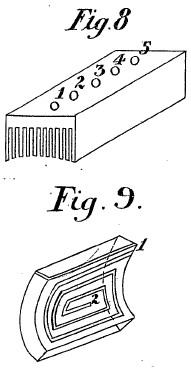
- Condenser banks store the energy; a rotary electrostatic motor converts charge polarity alternation into mechanical rotation
Energy Sources
Applications
- Remote power generation
- Lighting
- Motor drive
- Battery charging
Claimed Performance
1.8 A at 400 V (~0.72 kW) per balloon; two balloons 6.8 A at 500 V (~3.4 kW); 100 balloons claimed 200 hp (~=150 kW) in winter
Experimental Evidence
Experiments with a single balloon at ~300 m altitude produced a constant 1.8 A at 400 V; a second balloon raised the current to over 3 A; adding a large condenser increased current to 6.8 A at 500 V, yielding 3.4 kW total power.
Limitations
- Dependence on atmospheric conditions
- Balloon durability and lifespan
- Use of radioactive materials (radium, polonium)
- Low power density compared to conventional sources
- Need for high-altitude deployment
Red Flags
- Inclusion of radium and polonium in collector pins
- Lack of independent, peer-reviewed verification
- Extraordinary power claims based on anecdotal data