Goal
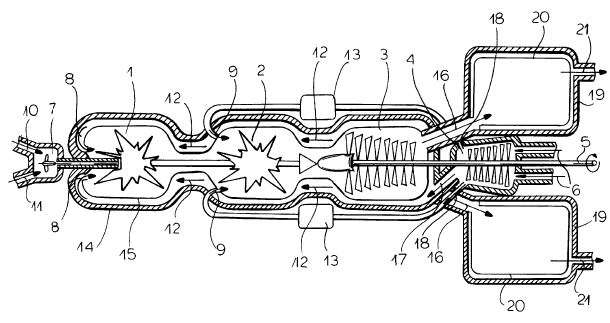
Provide an abundant, high-energy fuel alternative to hydrocarbons by using long-chain silanes that combust with both oxygen and nitrogen.
Problem
Dependence on limited carbon-based fuels, low combustion efficiency (only 20 % of air used), and the need for a cleaner, higher-temperature energy carrier.
Concept Summary
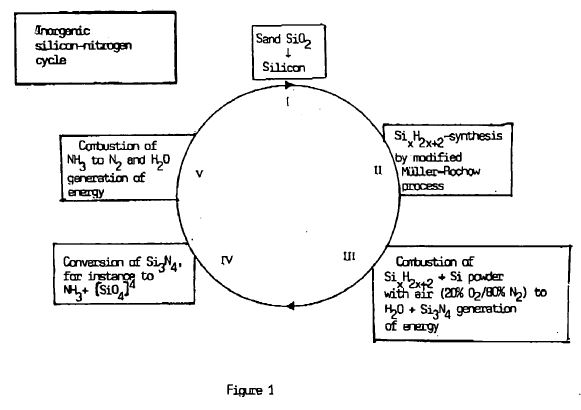
Peter Plichta developed stable, long-chain silanes (5-10 Si atoms) that are liquid at room temperature. When burned, the hydrogen component reacts with oxygen to form water, while silicon reacts with nitrogen to form silicon nitride (Si_3N_4). This dual-oxidant combustion yields higher temperatures (~2000 deg C) and utilizes virtually all of the air, promising higher thermal efficiency and a non-toxic exhaust.
Principles
- Combustion of silanes using both O_2 and N_2
- Silicon-nitrogen exothermic reaction producing Si_3N_4
- High-temperature oxidation (~2000 deg C)
- Use of silicon nitride as a valuable ceramic by-product
Scientific Domains
Materials
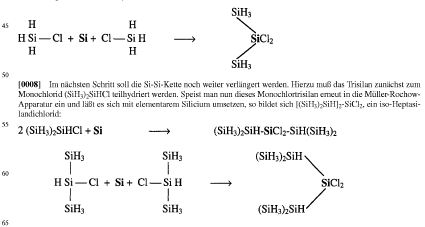
- Higher silane oil (Si_5H_1_2 - Si_1_0H_2_2)
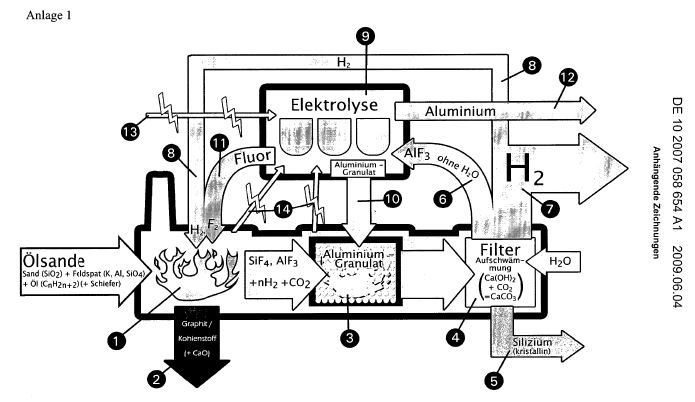
- Silicon powder
- Silicon nitride (Si_3N_4) powder
- Hydrogen fluoride (catalyst)
- Aluminium silicate
- Tar, pitch, bitumen
Mechanisms of Action
- Thermal decomposition of silane oil into H and Si radicals
- Hydrogen radicals oxidize with O_2 -> H_2O
- Silicon radicals react with N_2 -> Si_3N_4
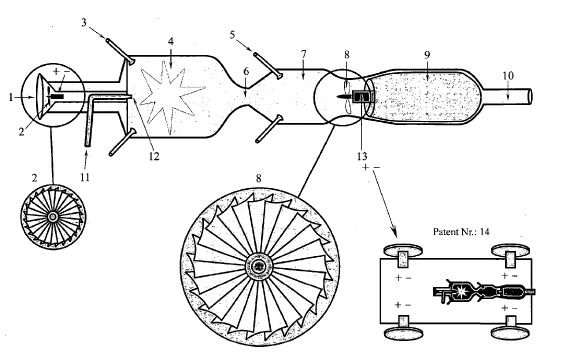
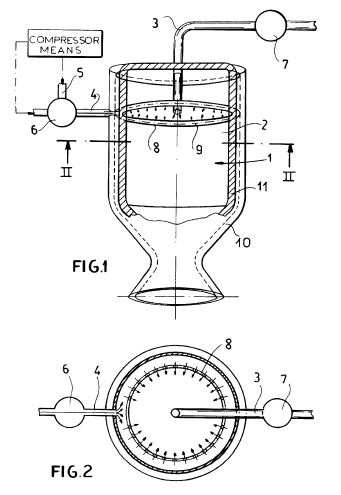
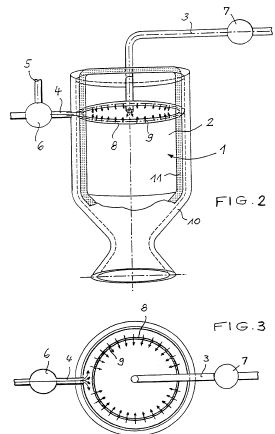
- Heat release drives turbines or pistons
Energy Sources
Applications
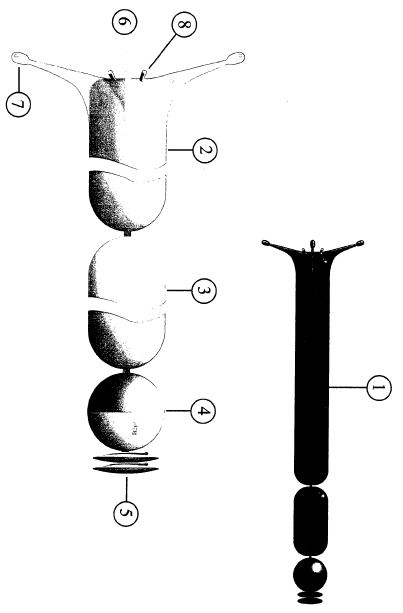
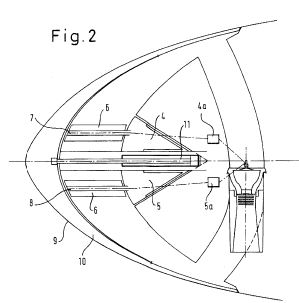
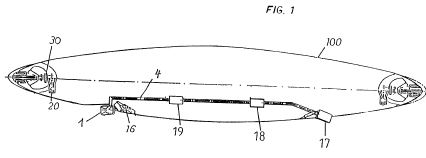
- Space rocket propulsion
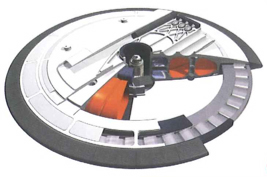
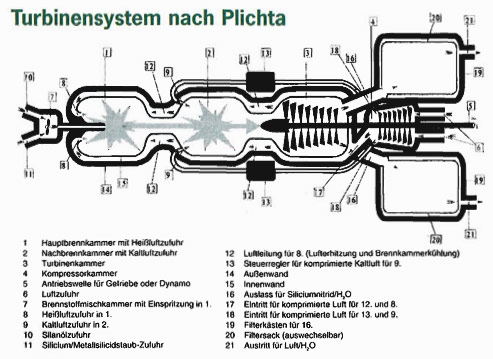
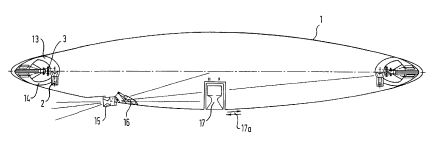
- High-temperature turbines
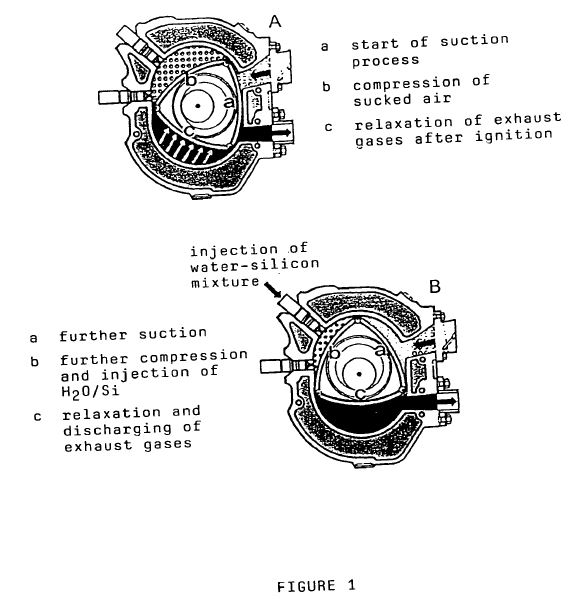
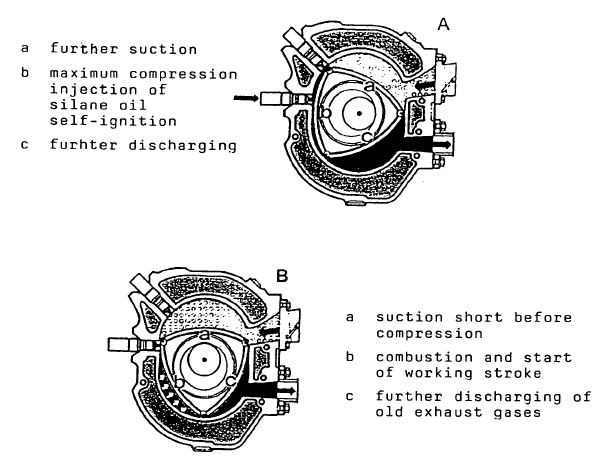
- Modified internal combustion engines
Claimed Performance
Combustion temperature near 2000 deg C, utilization of ~100 % of air for combustion, no toxic residues, and production of valuable silicon-nitride ceramic by-product.
Experimental Evidence
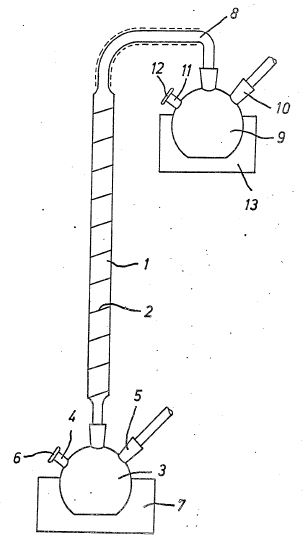
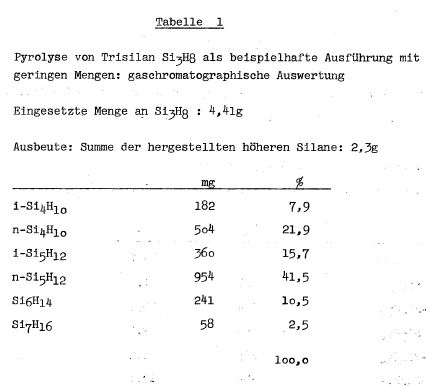
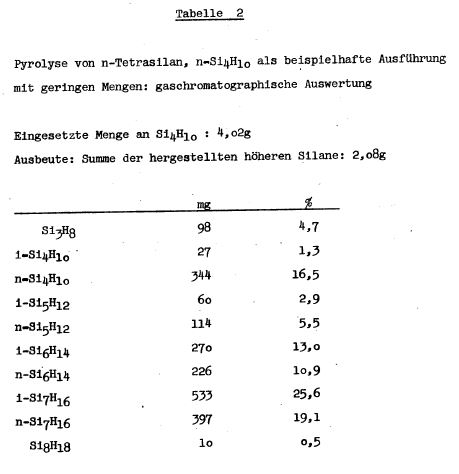
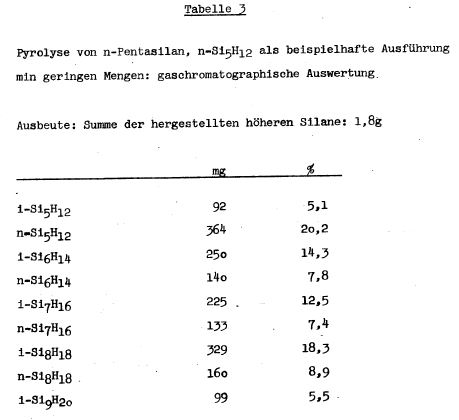
Plichta succeeded in producing longer-chained silanes that are stable at room temperature and demonstrated their combustion yielding water and silicon nitride; patents filed for a turbine adapted to this fuel.
Limitations
- Large-scale, low-cost production of long-chain silanes not demonstrated
- Process requires high-purity silicon and energy-intensive reduction steps
- Silicon nitride by-product may cause turbine blade wear if not properly cooled
Red Flags
- Claims of a "free-energy" source without independent verification
- Lack of peer-reviewed data or third-party replication
- Potential over-statement of efficiency gains