Goal
Achieve dramatically higher fuel economy (~=200 mpg) by delivering a fully vaporized, pre-heated fuel-air mixture to the engine.
Problem
Inefficient fuel atomization and incomplete vaporization in conventional carburetors leading to high fuel consumption and excess engine heat.
Concept Summary
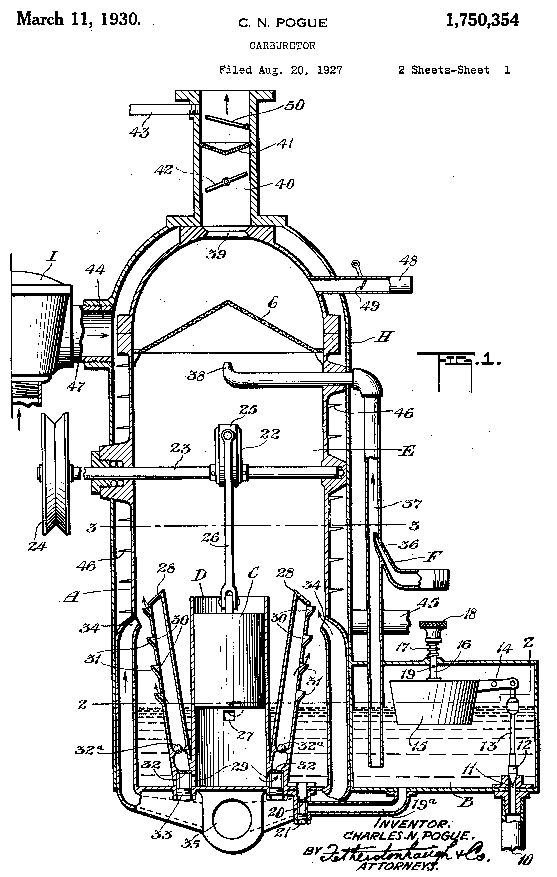
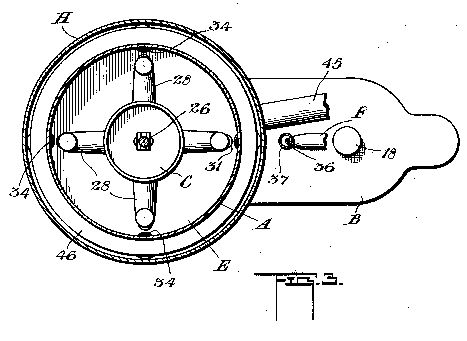
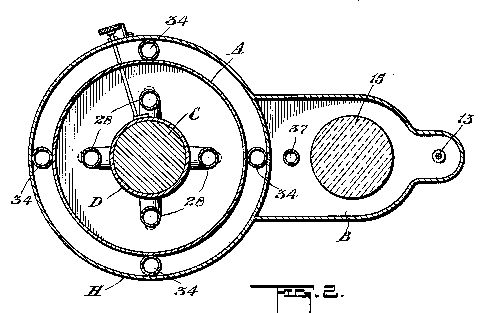
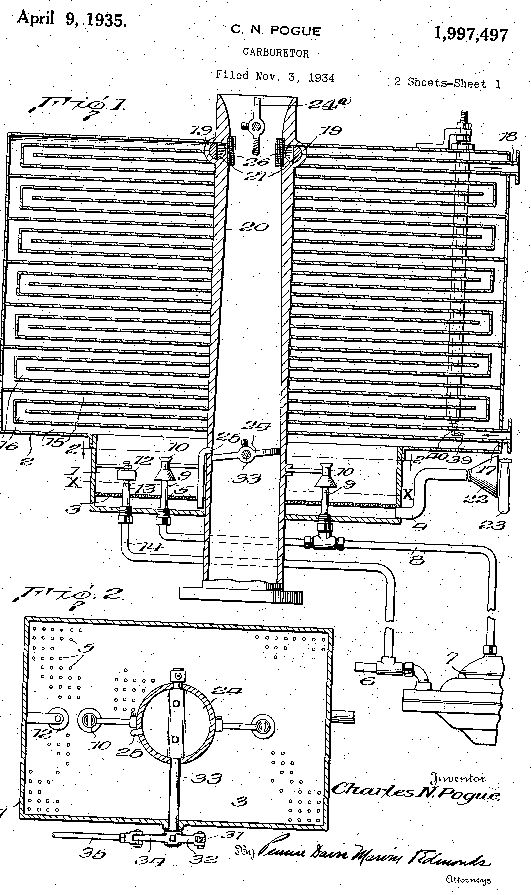
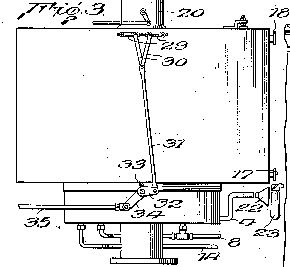
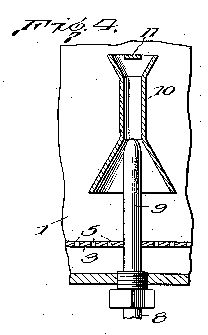
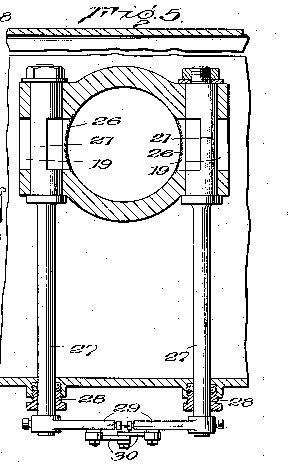
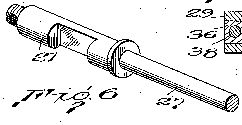
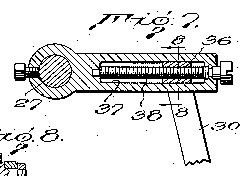
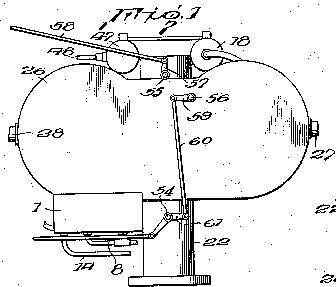
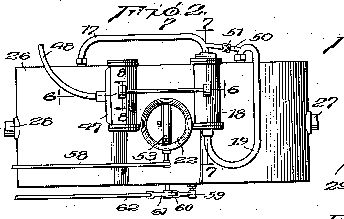
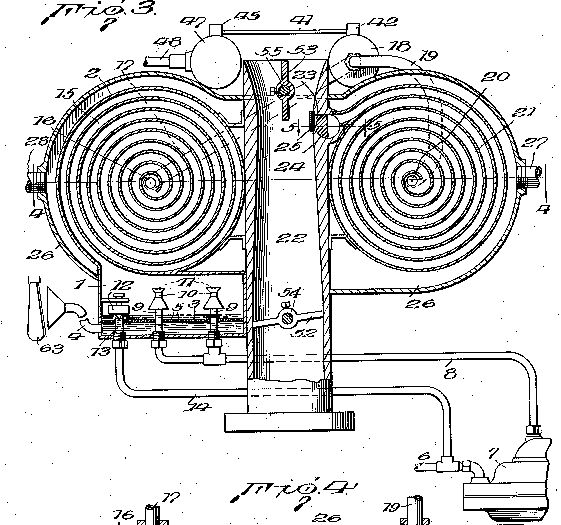
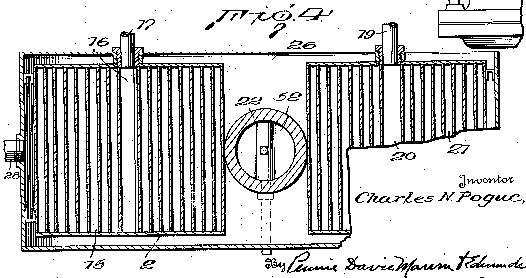
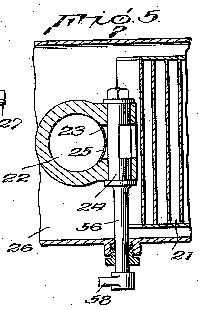
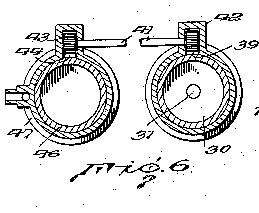
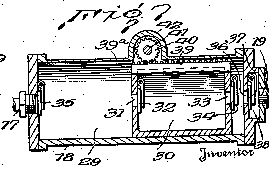
The device atomizes liquid fuel, injects compressed air, and passes the mixture through a heated vaporizing chamber where the fuel is fully vaporized and pre-heated before entering the engine. A reserve of dry vapors is maintained under slight pressure and mixed with additional air, improving combustion efficiency.
Principles
- Fuel atomization
- Vaporization
- Pre-heating of fuel-air mixture
- Pressurized feed of vapors
- Air-fuel mixing
Scientific Domains
Materials
- gasoline
- kerosene
- crude oil
- water vapor
Mechanisms of Action
- Positive pumping of liquid fuel
- Air injection for atomization
- Heating of vaporizing chamber using exhaust gases
- Mixing of vapor with additional air in a conical screen
- Regulation of vapor pressure and temperature
Energy Sources
Applications
- Automotive fuel-economy improvement
- Low-fuel-consumption engines
Claimed Performance
200 miles per gallon of fuel; a lawn-mower ran for 7 days on a quart of petrol.
Experimental Evidence
1930s test reports claimed the device worked; a lawn-mower test showed 7 days operation on a quart of petrol.
Replication Status
Attempts by later engineers produced unsatisfactory results; no verified commercial replication.
Limitations
- Complex mechanical arrangement requiring precise heating and timing
- Potential loss of acceleration due to reduced fuel flow rate
- Lack of modern independent testing
Red Flags
- No peer-reviewed data or independent replication
- Historical claims of suppression and conspiracy
- Performance claims exceed typical engineering limits of the era