Goal
Explain and harness the properties of the newly described exclusion-zone (EZ) phase of water for biological and energy-related applications.
Problem
Conventional science treats water as a simple H_2O liquid, overlooking a structured phase that may store charge and energy, which limits understanding of cellular processes and potential energy technologies.
Concept Summary
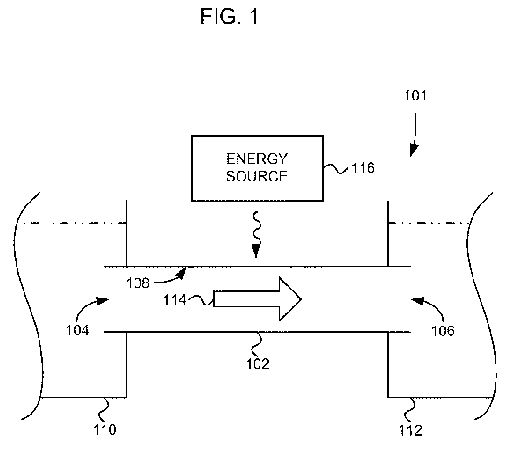
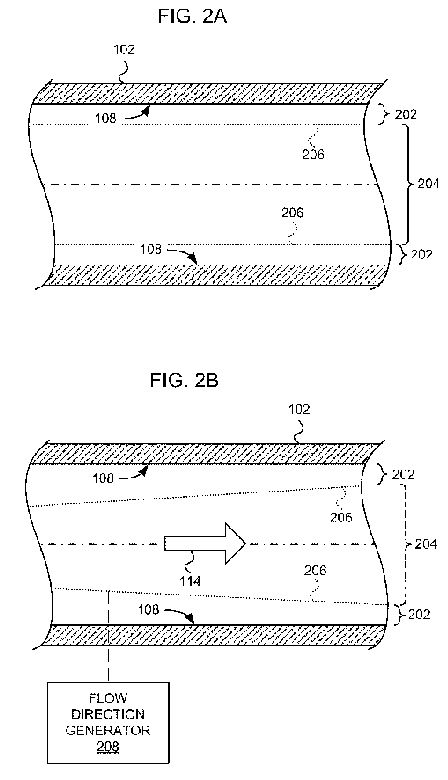
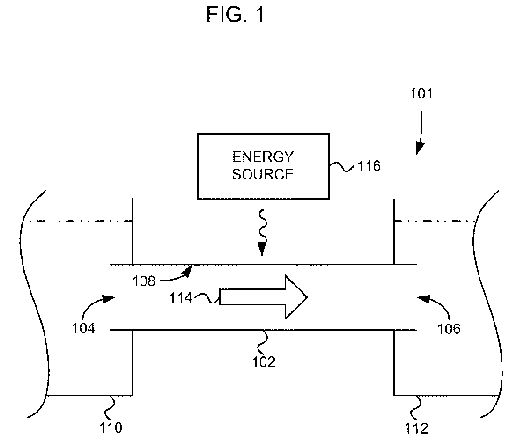
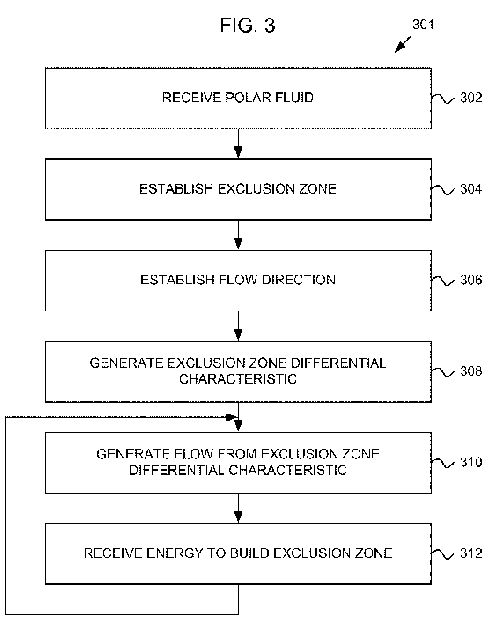
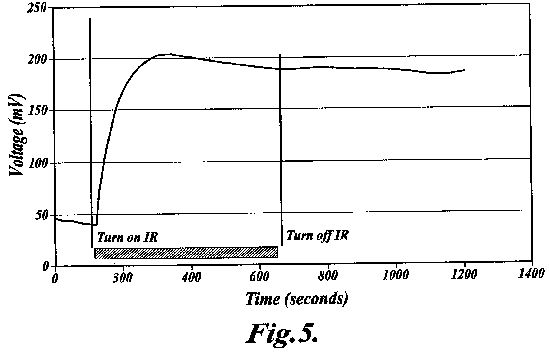
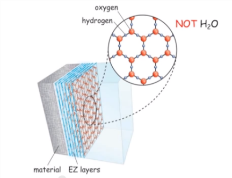
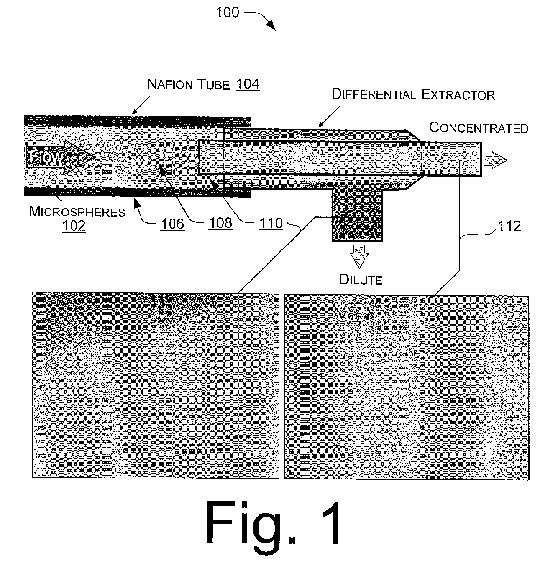
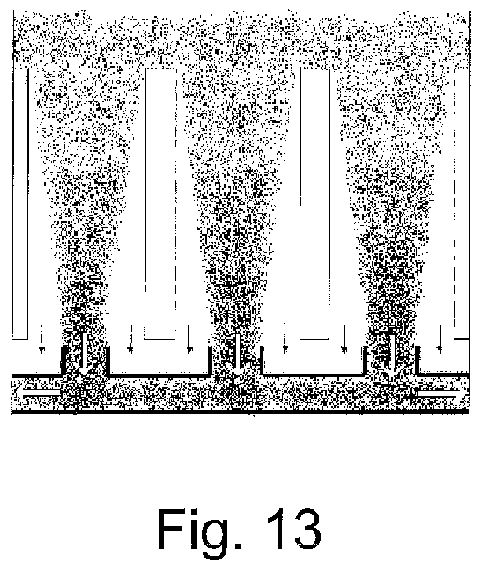
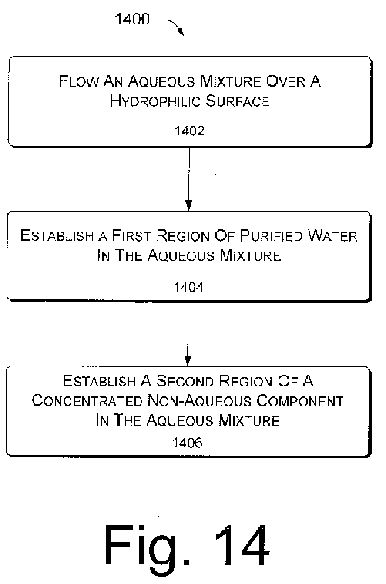
Pollack proposes a fourth phase of water, called exclusion-zone (EZ) or structured water, with a chemical formula H_3O_2 and a hexagonal crystalline lattice. When water contacts charged or hydrophilic surfaces and is exposed to light (especially infrared), it forms layered sheets that exclude solutes, acquire a negative charge, and can store electrical energy similar to a battery.
Principles
- Phase transition of water to a liquid-crystalline EZ state
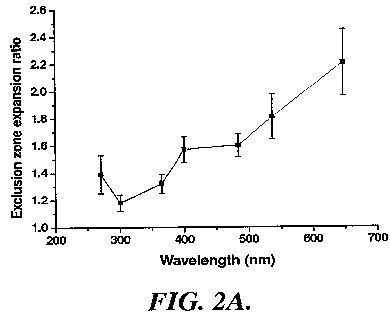
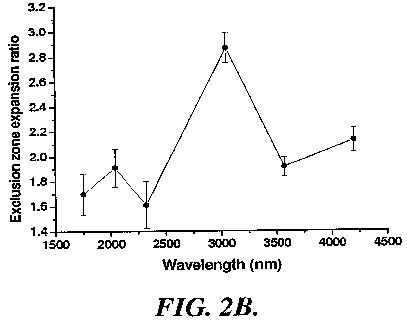
- Light-induced structuring (visible, UV, infrared)
- Charge separation and negative potential of EZ water
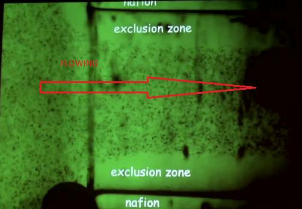
- Exclusion of particles and solutes from EZ layers
Scientific Domains
Materials
- Water (H_2O)
- Structured water (H_3O_2)
Mechanisms of Action
- Infrared and other electromagnetic radiation energizes water molecules at hydrophilic surfaces
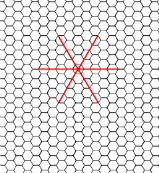
- Water molecules self-assemble into hexagonal sheets (H_3O_2) that exclude dissolved species
- Resulting EZ layer acquires a net negative charge, creating a potential difference with bulk water
Energy Sources
Applications
- Health and wellness supplements
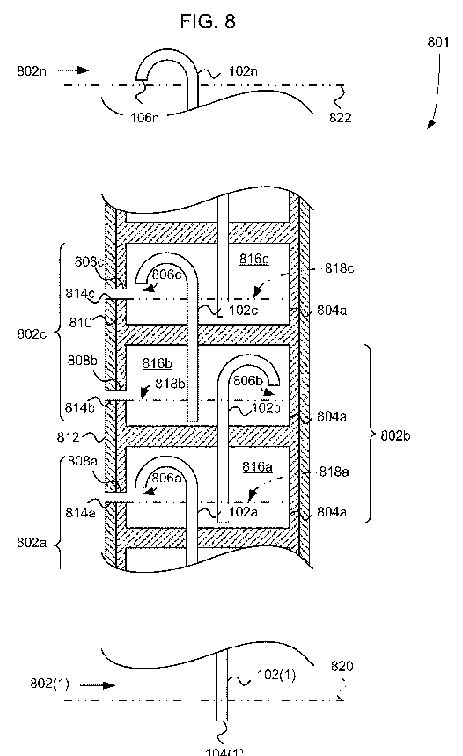
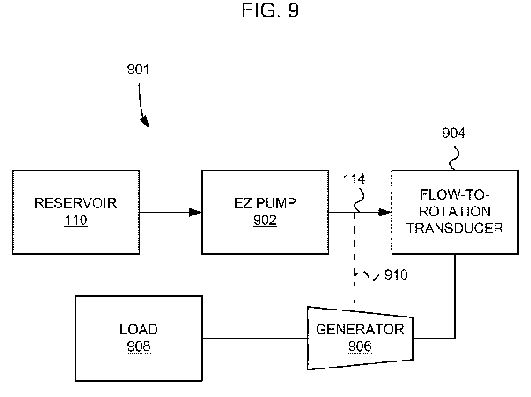
- Potential low-grade energy storage
- Improved hydration products
Claimed Performance
EZ water can hold and deliver electrical energy comparable to a battery; it excludes particles and solutes, and exhibits higher density, refractive index, and alkalinity than bulk water.
Experimental Evidence
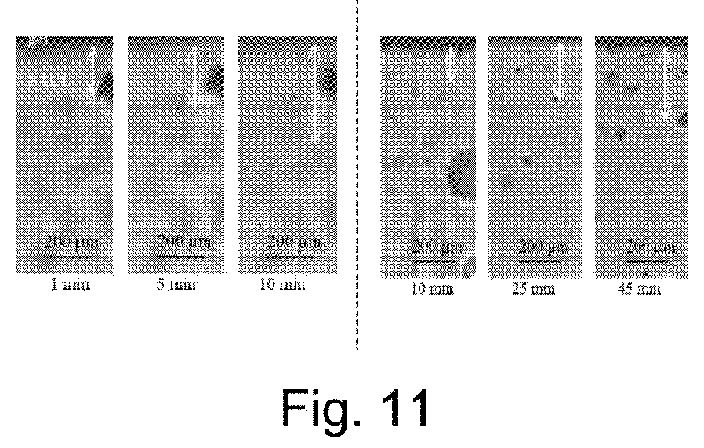
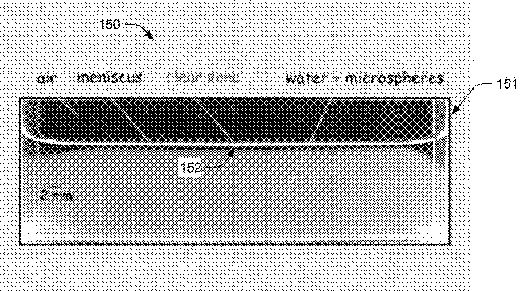
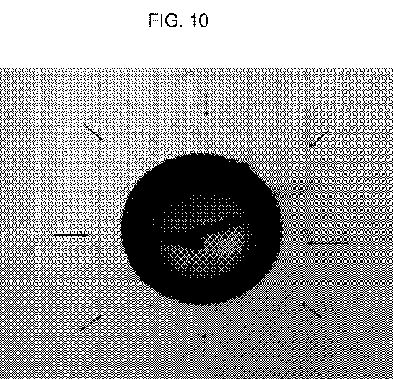
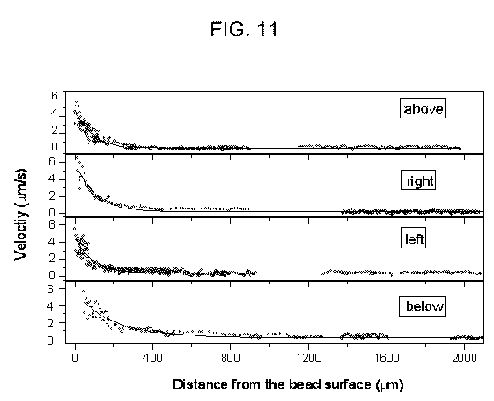
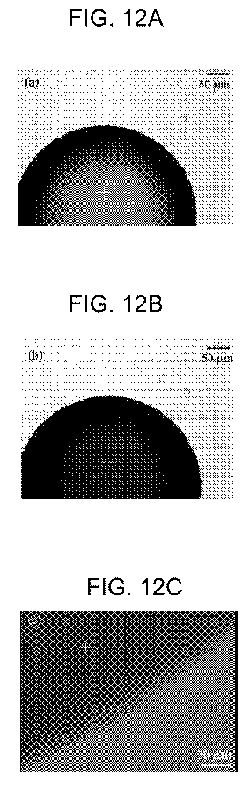
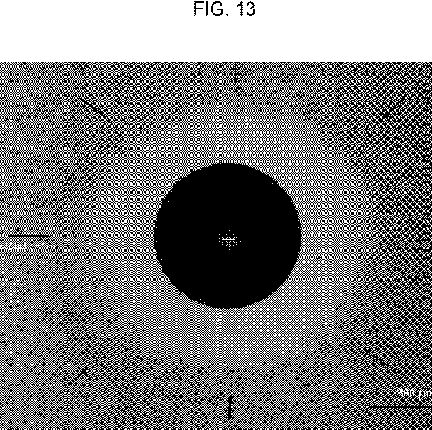
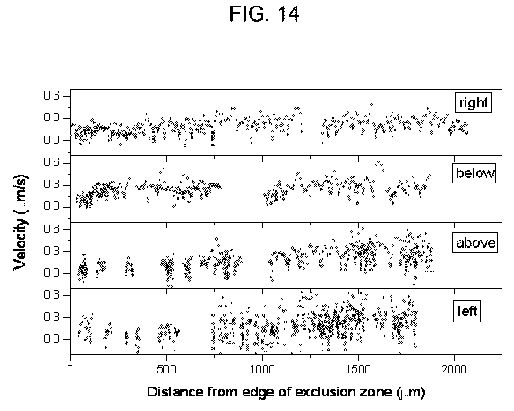
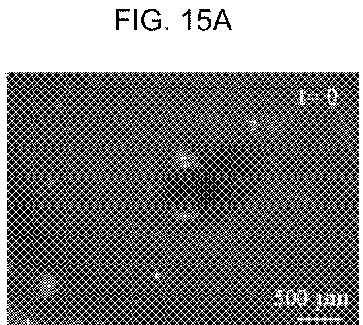
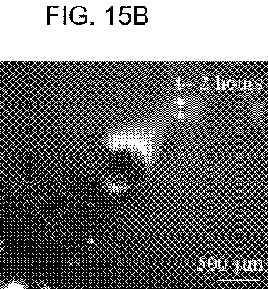
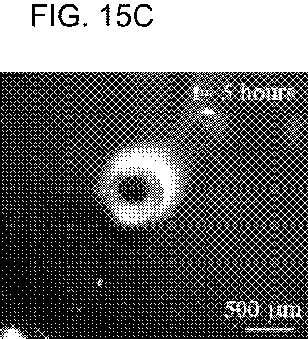
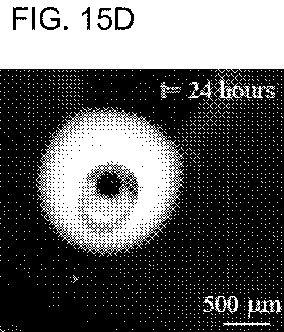
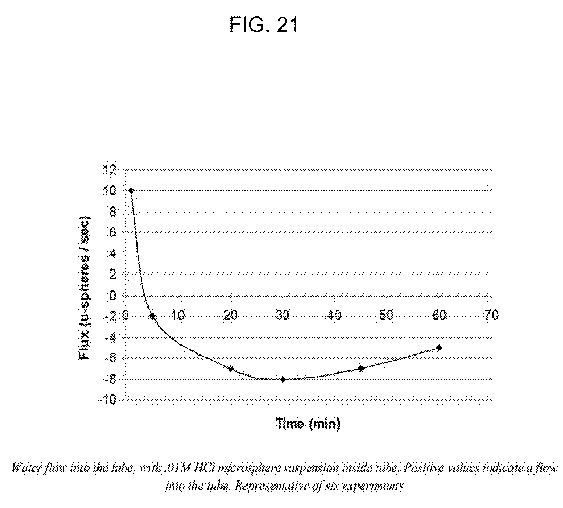
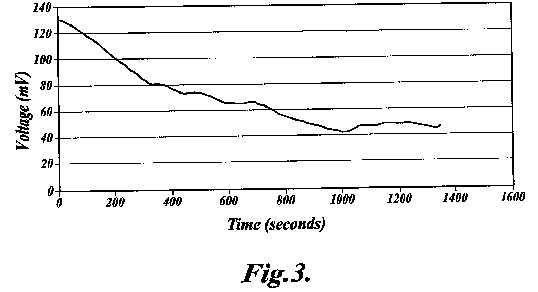
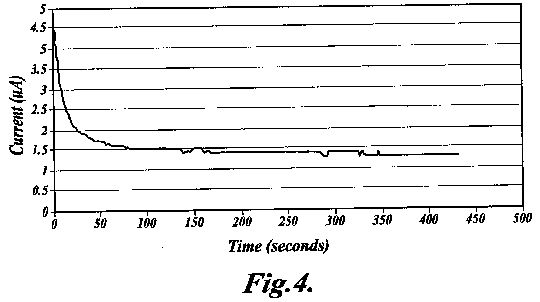
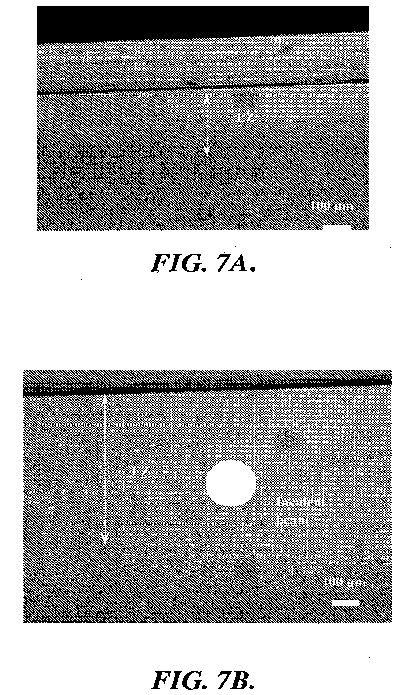
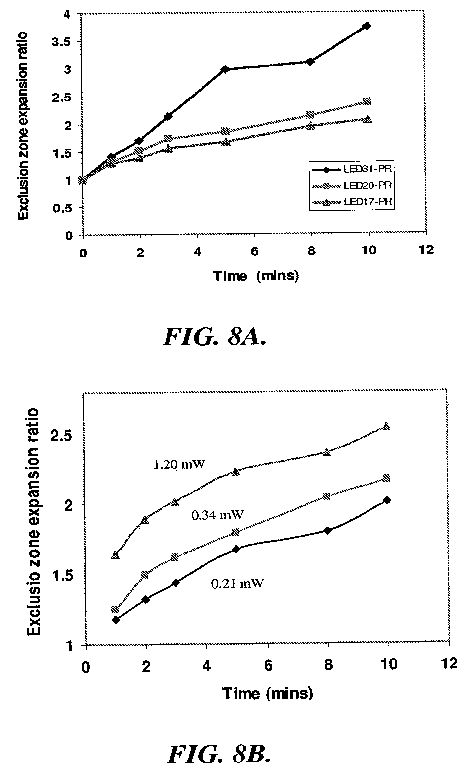
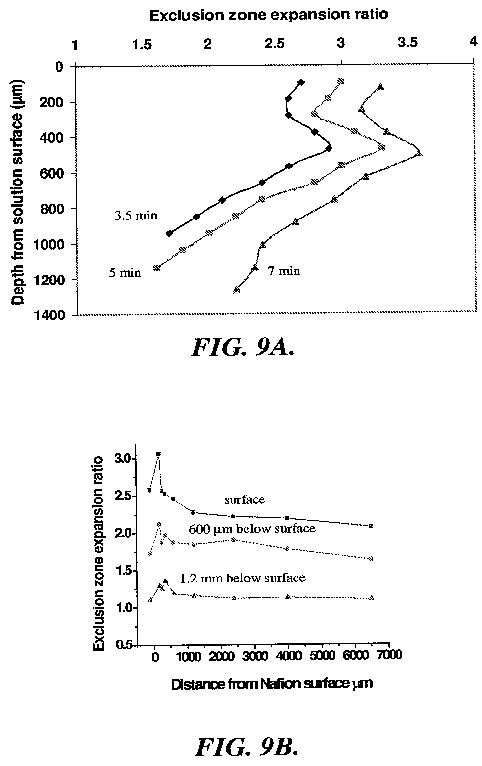
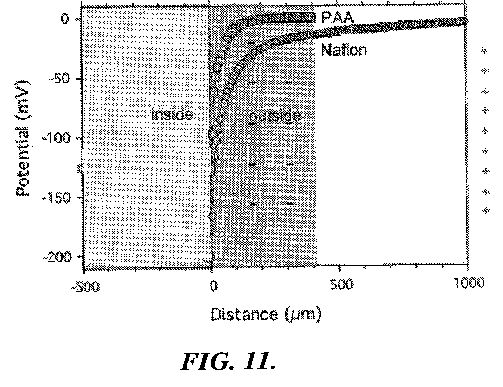
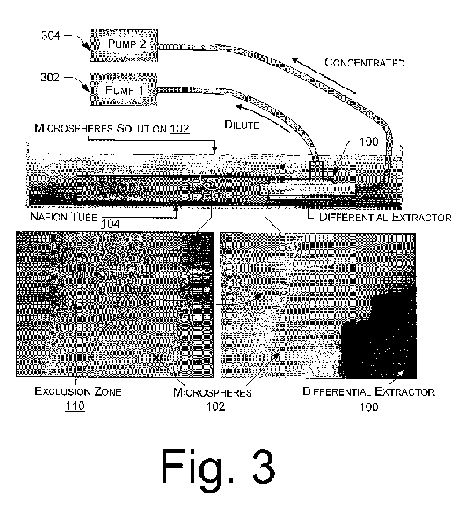
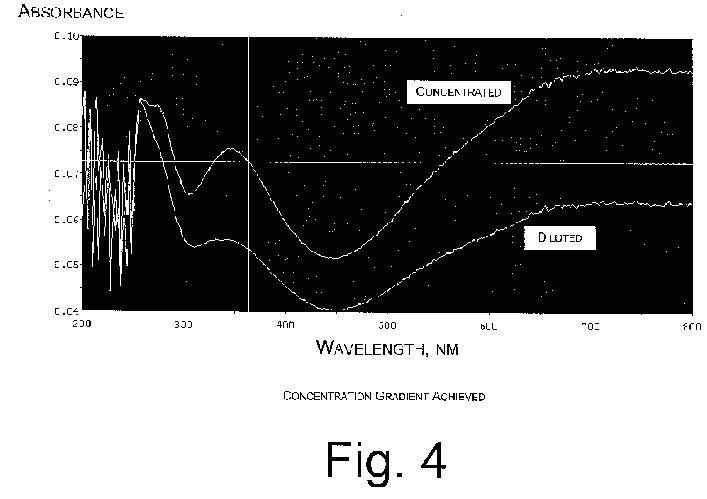
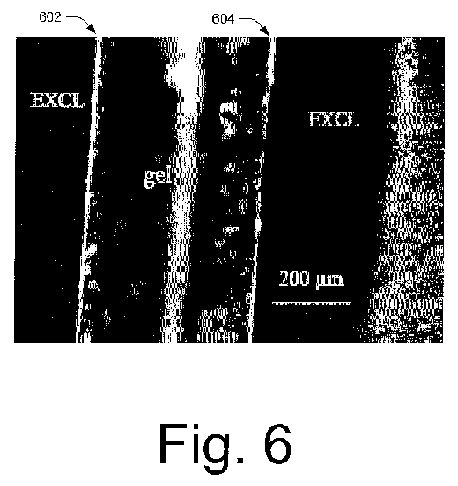
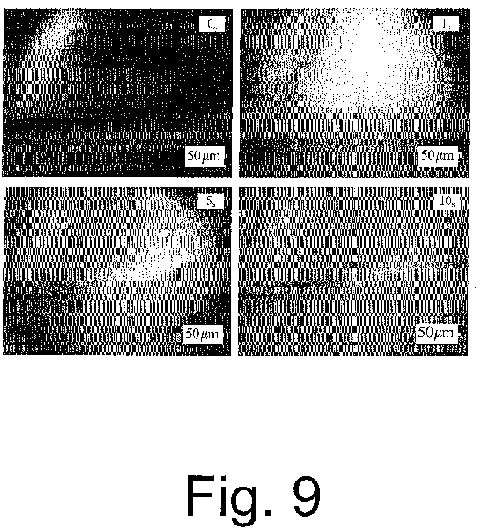
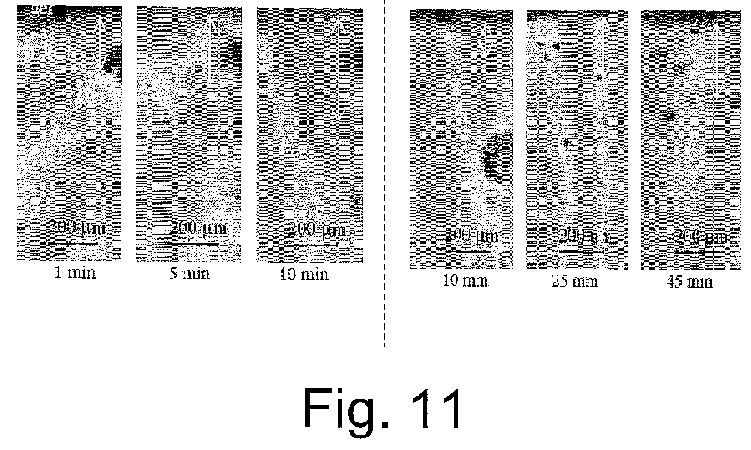
Observations of particle exclusion zones, UV-visible spectrometry showing absorption at ~270 nm, and measurements of a negative electrical potential (~-100 mV) in gels and cells containing EZ water.
Replication Status
No independent replication or large-scale demonstration is reported in the article.
Limitations
- Lack of quantitative performance data
- No peer-reviewed replication of energy-generation claims
- Unclear scalability of EZ water production
Red Flags
- Claims of battery-like energy storage without rigorous measurement
- Use of non-standard chemical formula (H_3O_2) not recognized by mainstream chemistry