Goal
Provide a curative, single-dose treatment for malaria that is more effective and safer than existing therapies.
Problem
Rising drug-resistant malaria parasites and the need for longer-acting, curative antimalarial drugs.
Concept Summary
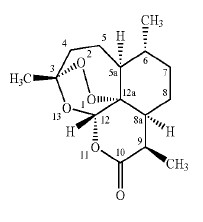
A series of synthetic peroxide (trioxane) compounds modeled on the ancient Chinese herbal remedy artemisinin. The molecules contain an oxygen-oxygen peroxide linkage that, upon encountering heme released by the parasite, generates free radicals that kill the parasite. The new derivatives are designed to be more lipophilic, have a longer half-life, and be less toxic than first-generation endoperoxides.
Detailed Description
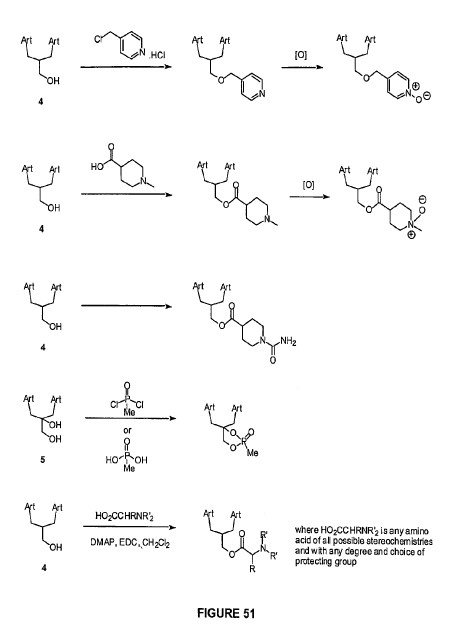
Posner's team at Johns Hopkins synthesized semi-synthetic artemisinin-derived trioxanes with enhanced lipophilicity and metabolic stability. In mouse studies a single low dose cured malaria infection, and three oral doses cleared febrile disease. Patent filings (WO2008127381, HK1047047, US7417156) describe various dimers, water-soluble carboxylic acid derivatives, and other analogues that show up to ten-fold higher in-vitro potency than artemisinin and selective anticancer activity. The compounds act by peroxide cleavage in the presence of heme, producing carbon-free radicals that oxidize essential parasite components.
Principles
- Peroxide-mediated radical generation
- Increased lipophilicity for cellular uptake
- Extended metabolic half-life
Scientific Domains
Materials
- Artemisinin
- Artemisia annua plant extract
- Synthetic trioxane dimers
- Carboxylic acid derivatives of trioxanes
Mechanisms of Action
- Peroxide cleavage by heme -> free radical formation -> parasite self-destruction
- Disruption of parasite hemoglobin digestion pathway
Applications
- Human malaria treatment
- Antiparasitic therapy
- Potential anticancer agents
Claimed Performance
Single-dose curative activity in mice; >10-fold higher in-vitro potency than artemisinin; longer half-life and lower toxicity predicted.
Experimental Evidence
Mice infected with malaria were cured after a single low dose of the new compounds; in-vitro assays showed nanomolar activity; patents describe gram-scale synthesis and stability data.
Limitations
- Efficacy demonstrated only in rodent models
- Human safety and pharmacokinetics not yet evaluated
- Synthetic route may be costly at scale