Goal
Extract usable petroleum-based fuels (oil, gas) from waste hydrocarbons and unconventional resources using selective microwave frequencies.
Problem
Low-yield, high-cost recovery of oil from waste tires, plastics, shale, coal, tar sands and capped wells; environmental hazards of petroleum-containing waste.
Concept Summary
The HAWK system uses high-frequency microwave radiation (4-18 GHz) generated by klystrons in a vacuum/oxygen-starved chamber. Specific frequencies resonantly excite polar hydrocarbon molecules, cracking them into liquid fuels, gases and carbon black without combustion or added chemicals.
Principles
- Selective microwave frequency excitation of hydrocarbon molecules
- Molecular resonance and vibrational energy absorption
- Vacuum-induced pressure acceleration
- Klystron-generated high-power RF fields
Scientific Domains
Materials
- Tire rubber
- Plastic polymers
- Shale rock
- Coal
- Tar sands
Mechanisms of Action
- Microwave-induced molecular excitation
- Thermal decomposition via resonant heating
- Cracking of hydrocarbon chains into smaller fuel molecules
Energy Sources
Applications
- Fuel recovery from waste tires and plastics
- Oil extraction from shale, coal, tar sands
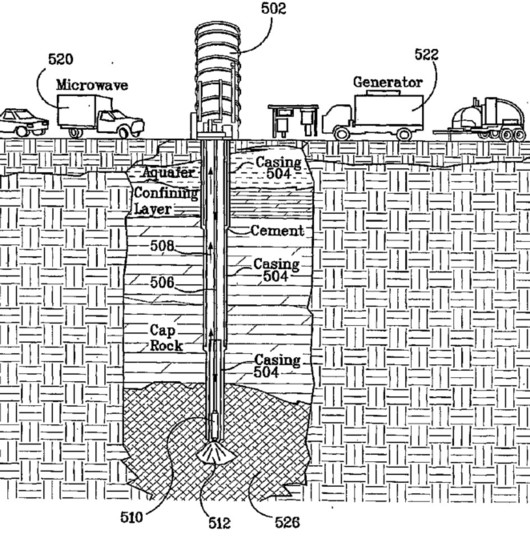
- Enhanced recovery from depleted oil wells
Claimed Performance
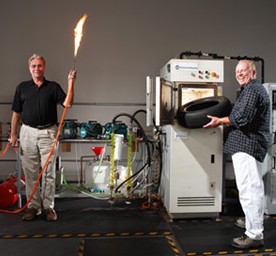
Ground-up tire loses ~60 % of its weight, producing diesel-range oil and combustible gases; 100 g of tires demonstrated to convert to oil and gas in a video.
Experimental Evidence
Company videos show conversion of 100 g tires; press releases claim conversion of coal to kerosene and oil from shale; patent filing details frequency range (4-18 GHz).
Replication Status
No independent replication reported; performance demonstrated only by the company's own tests.
Limitations
- Requires high-power klystron equipment and vacuum chambers
- Energy efficiency not quantified
- Scalability and cost of RF generators uncertain
Red Flags
- Claims of "emissions-free" without quantitative data
- Proprietary frequency sets not disclosed
- No peer-reviewed studies or independent verification