Goal
Convert end-of-life car and truck tyres into usable oil, carbon and steel while reducing waste and emissions.
Problem
Massive stockpiles of discarded tyres that pose fire, health (mosquito breeding) and environmental hazards.
Concept Summary
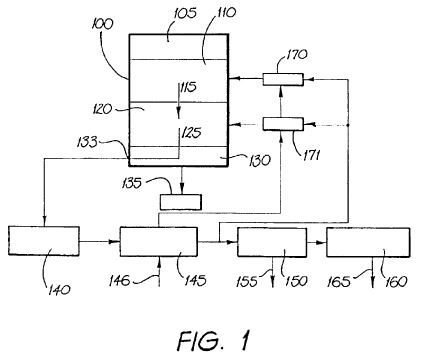
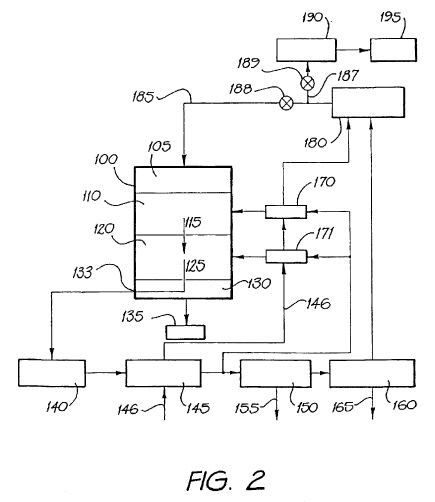
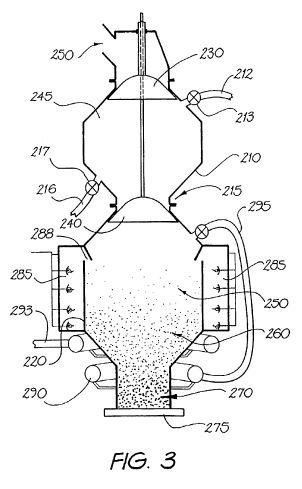
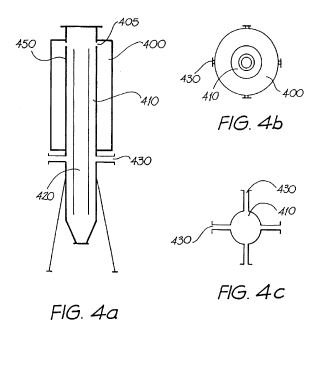
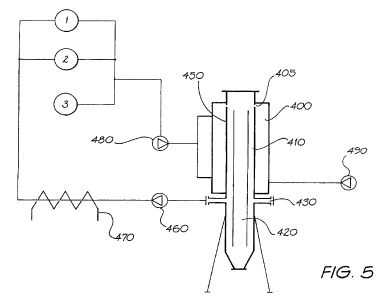
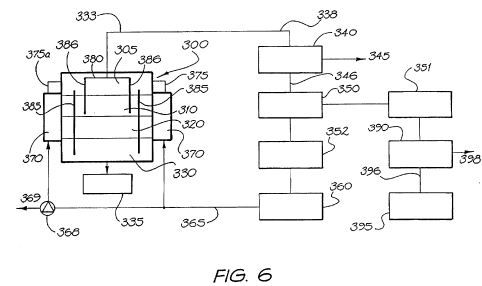
The process loads whole tyres into an evacuated chamber, heats them to induce destructive distillation (pyrolysis). The tyre material breaks down into a carbon-rich solid, a combustible gas mixture and condensable oil. The oil is collected and can be blended with diesel or refined further; the carbon is sold as a high-grade solid; the steel rims are recovered. The recovered oil is also used to supply heat for the process, making it effectively emission-free.
Principles
- Pyrolysis (thermal decomposition)
- Destructive distillation
- Condensation of volatile hydrocarbons
- Combustion of gaseous products for heat
Scientific Domains
Materials
- Tyre rubber (natural and synthetic)
- Carbon (solid)
- Steel
- Recovered oil (hydrocarbon liquid)
- Water vapour (used in secondary gasification)
Mechanisms of Action
- Heat-driven breakdown of tyre polymers
- Separation of oil vapour and condensation into liquid oil
- Combustion of produced gases to generate process heat
- Physical separation of carbon solid and steel components
Energy Sources
Applications
- Diesel fuel blending
- Heating fuel
- Feedstock for automotive or aviation jet fuel
- Carbon material for industrial use
- Steel recycling for tyre manufacturers
Claimed Performance
30 % reduction in NOx emissions when tyre oil is blended at 10-20 % with diesel; a 10 kg car tyre yields ~4 L oil, 1.5 kg steel and 4 kg carbon; a 70 kg truck tyre yields ~28 L oil, 11 kg steel and 28 kg carbon.
Experimental Evidence
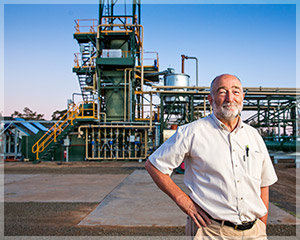
QUT mechanical engineers tested 10 % and 20 % tyre-oil diesel blends in a turbocharged diesel engine at four loads (25-100 %); results showed a 30 % NOx reduction and no loss of performance. GDT pilot plant in Warren, NSW has been operating since 2009 and is producing commercial quantities of oil, carbon and steel.
Replication Status
Pilot plant operating commercially in Warren, NSW (since 2009); additional plant planned for Longford, Tasmania pending approvals.
Limitations
- Requires high-temperature processing infrastructure
- Oil may need further refining for certain applications
- Economic viability depends on scale and tyre feedstock logistics