Goal
Generate mechanical rotation and electricity without consuming fuel or emitting fumes.
Problem
Dependence on fossil fuels and emissions from conventional power generation and transportation.
Concept Summary
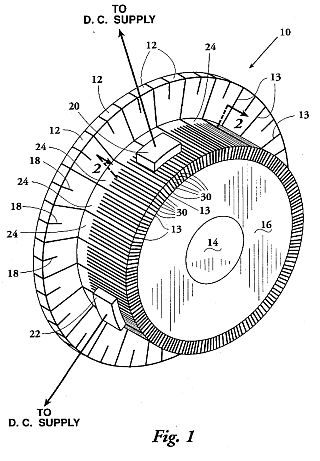
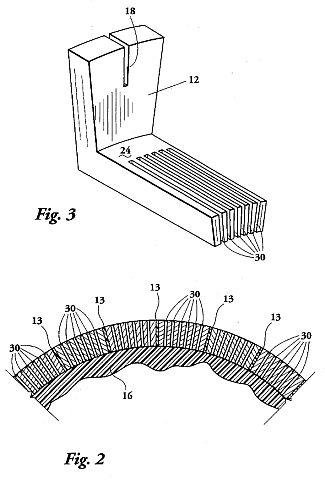
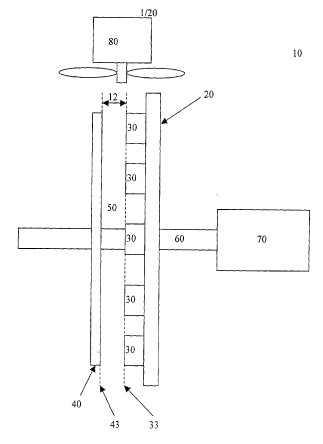
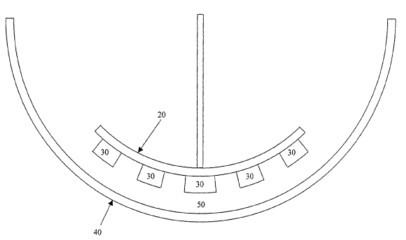
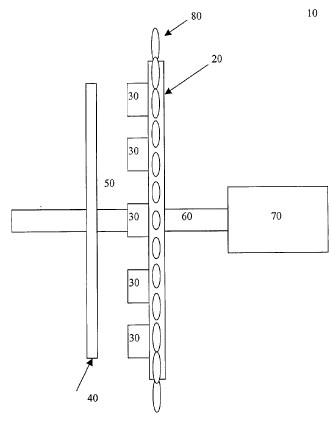
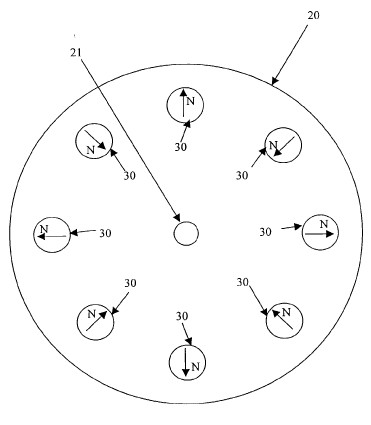
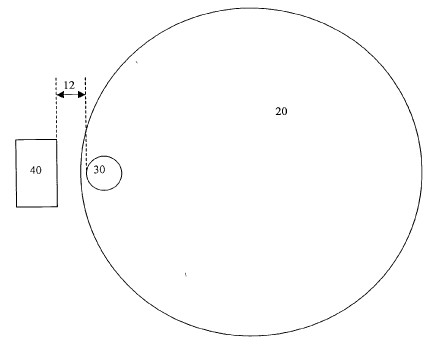
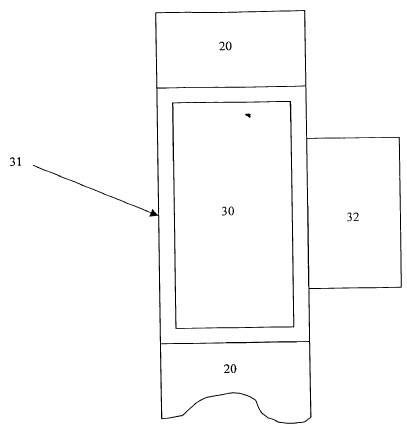
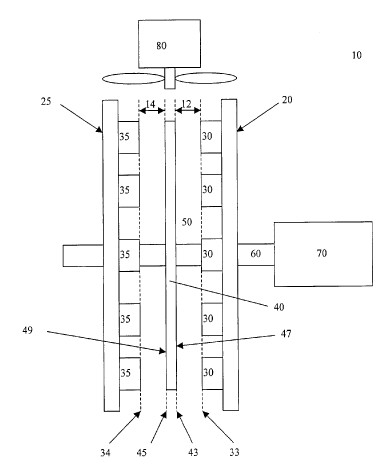
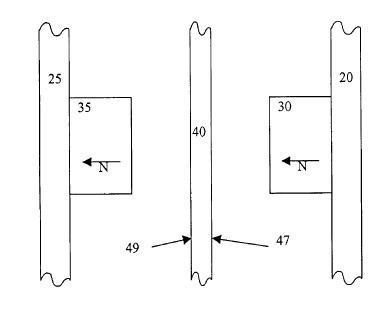
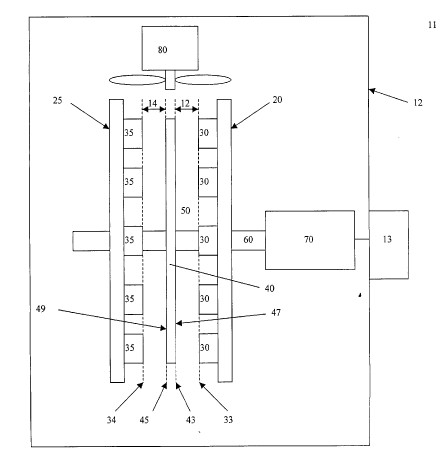
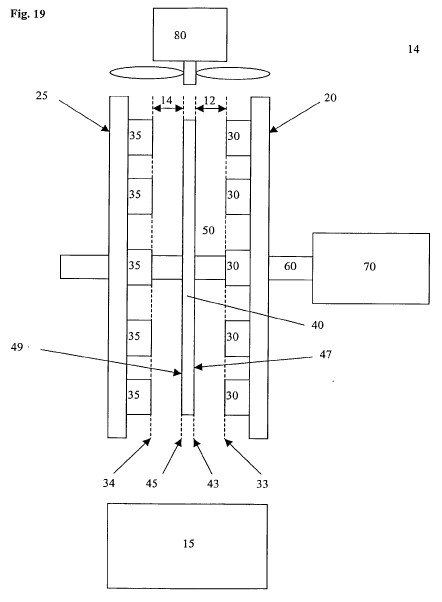
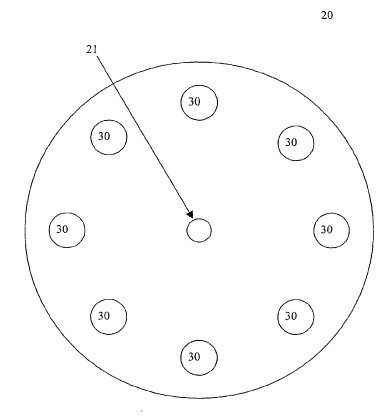
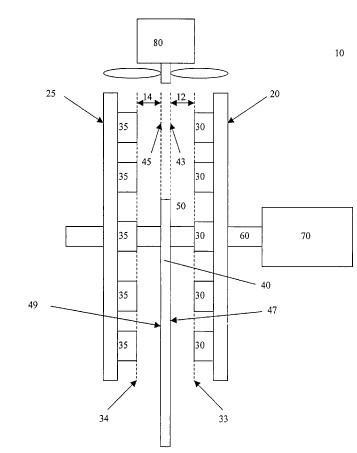
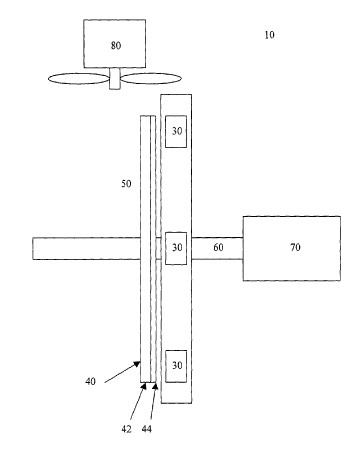
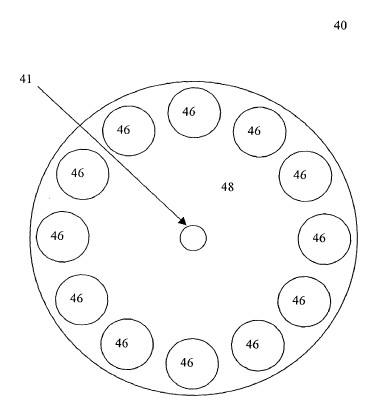
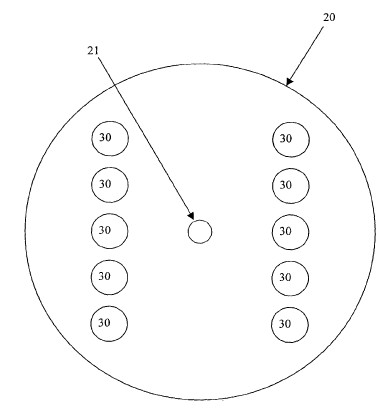
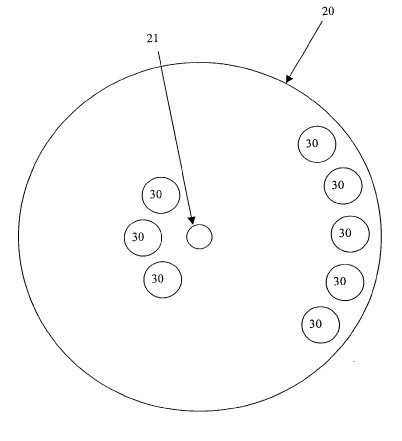
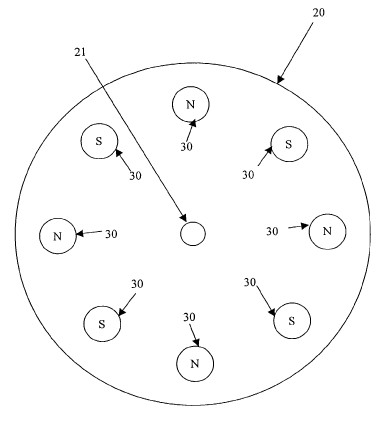
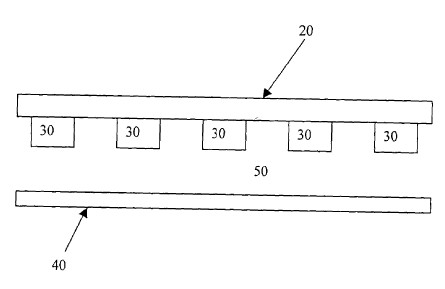
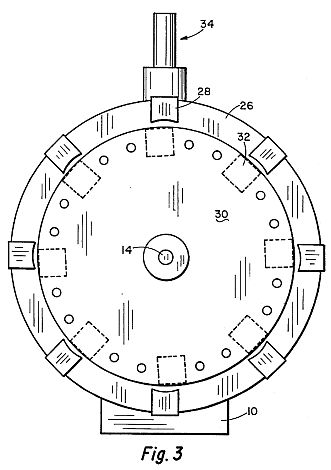
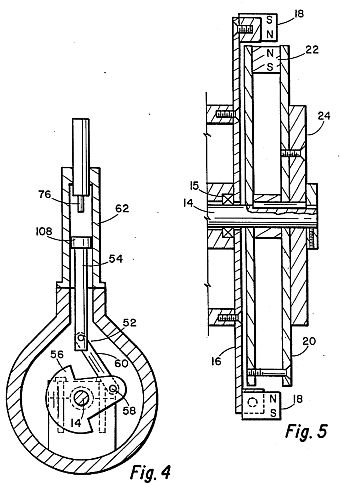
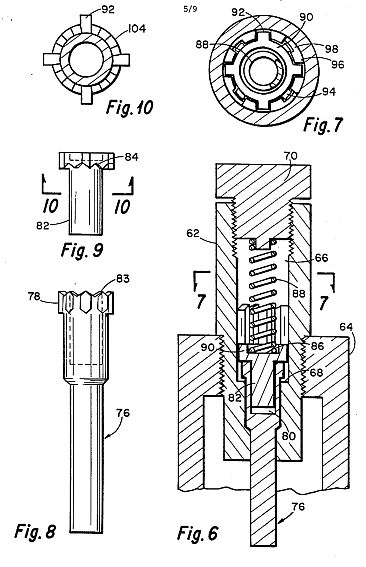
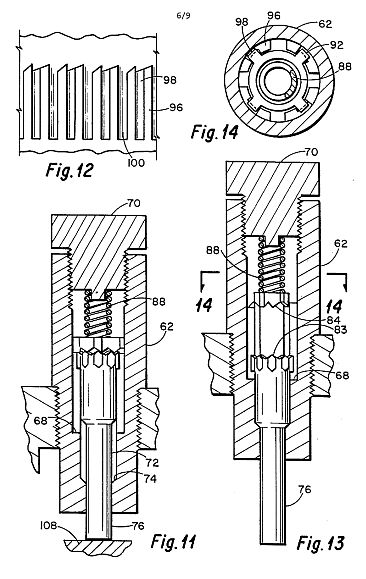
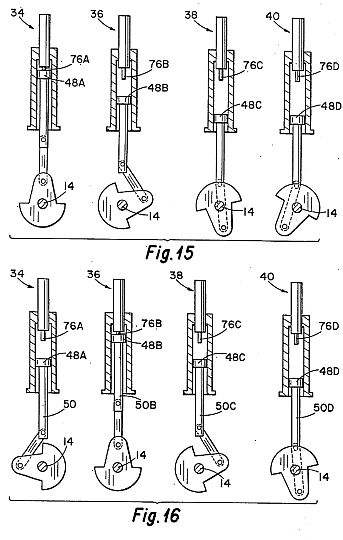
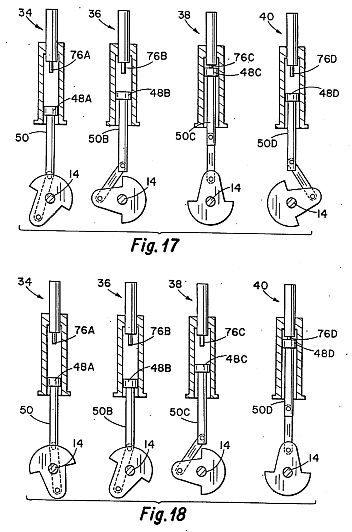
A permanent-magnet based motor that uses stationary and rotating magnets, magnetic spring-loaded pistons (in early prototypes) or an electronic control system (in later versions) to start and sustain shaft rotation. The shaft is magnetically suspended, eliminating bearings, and can drive a generator capable of producing several kilowatts of electricity.
Detailed Description
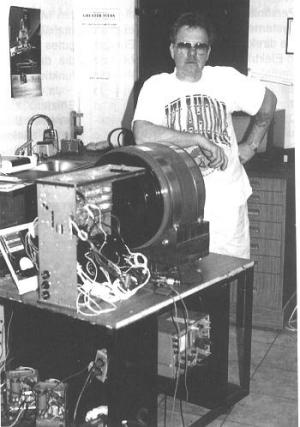
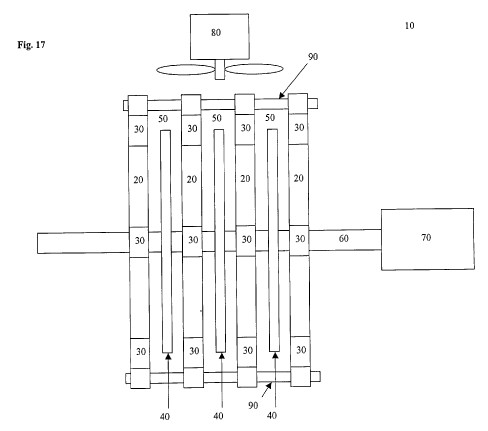
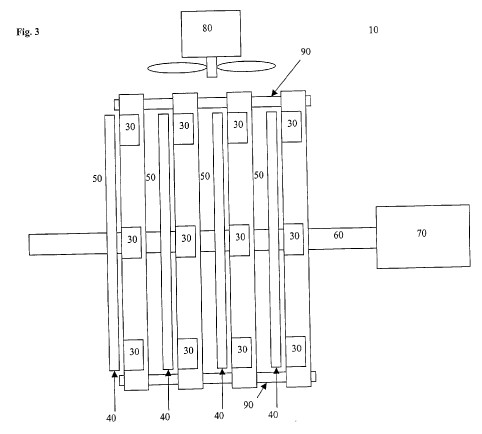
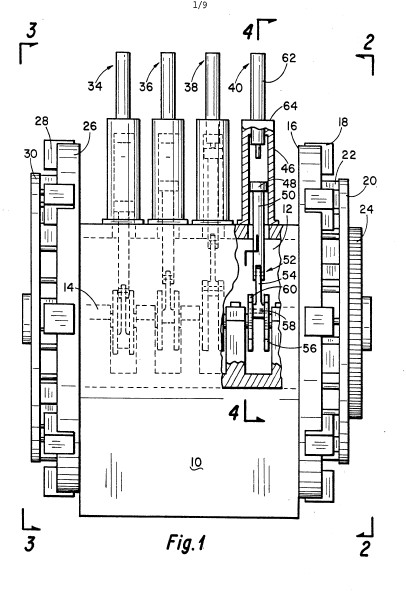
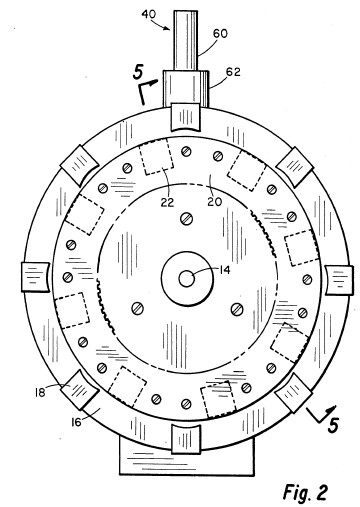
The original 1989 prototype was a 7-ft tall, 500-lb device with a horizontal shaft, four vertical spring-loaded pistons bearing magnets, and a hand crank starter. It powered a 500-W generator. The latest model is 20 inches high, <200 lb, with a single moving part (the shaft) that spins in a bearing-free, magnetically suspended environment. The shaft is driven by an electronic system that energizes stationary magnets to kick-start motion. The motor can run a 7 kW generator and is claimed to be able to power a home or a vehicle (the "Surge" car) without external fuel.
Principles
- permanent magnet attraction/repulsion
- magnetic spring-loaded pistons
- magnetic suspension
- electromechanical conversion of magnetic forces to rotation
Scientific Domains
Materials
- permanent magnets
- steel shaft
- car batteries (for starter power)
- electronic control circuitry
Mechanisms of Action
- magnetic torque generated by interacting permanent magnets
- magnetic spring-loaded pistons to overcome static attraction
- magnetically suspended shaft reducing mechanical friction
Energy Sources
Applications
- home electricity generation
- fuel-free vehicle propulsion
- fluid heating (magnetic heater patent)
Claimed Performance
Can drive a 7 kW generator; a later "Mach II" design claimed ~400 HP at 1500 RPM.
Experimental Evidence
Prototype demonstrated turning a 500-W generator (1989) and later a 7 kW generator; video tapes and demonstrations reported at scientific conferences; no independent peer-reviewed data provided.
Replication Status
Claims of successful demonstrations; no independent replication documented.
Limitations
- Lack of independently verified performance data
- Unclear physics of net energy gain
- Commercial licensing pending, no mass production
Red Flags
- Free-energy claims without quantitative evidence
- Reliance on anecdotal demonstrations
- Association with fringe free-energy groups