Goal
Generate coherent terahertz radiation by sending a mechanical shock wave through a crystalline material, providing a new diagnostic tool for shock-wave properties.
Problem
Lack of non-laser sources of coherent light, especially in the terahertz band, and the need for precise diagnostics of shock-wave speed and crystal structure.
Concept Summary
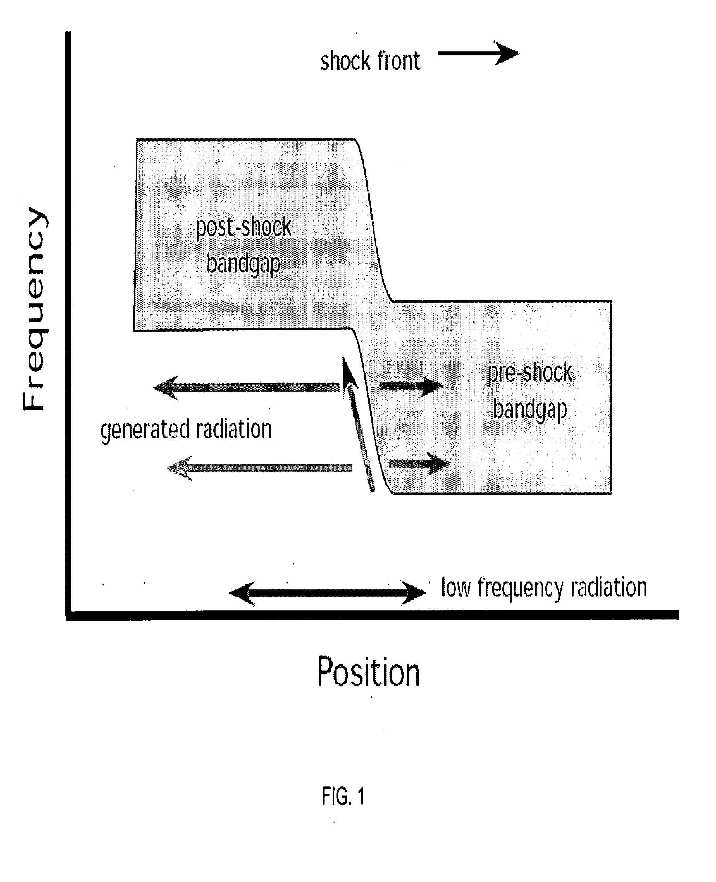
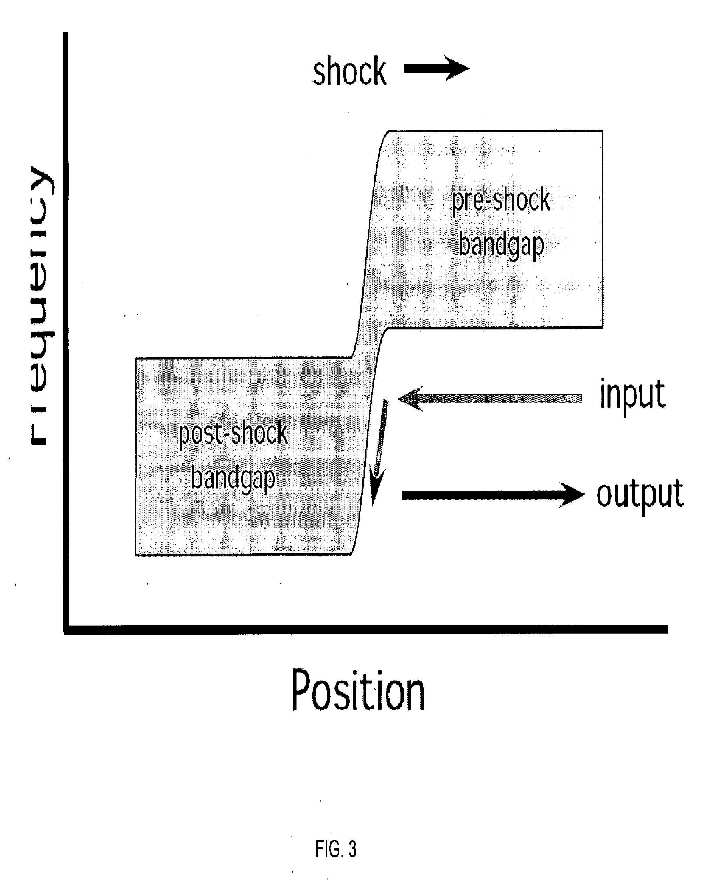
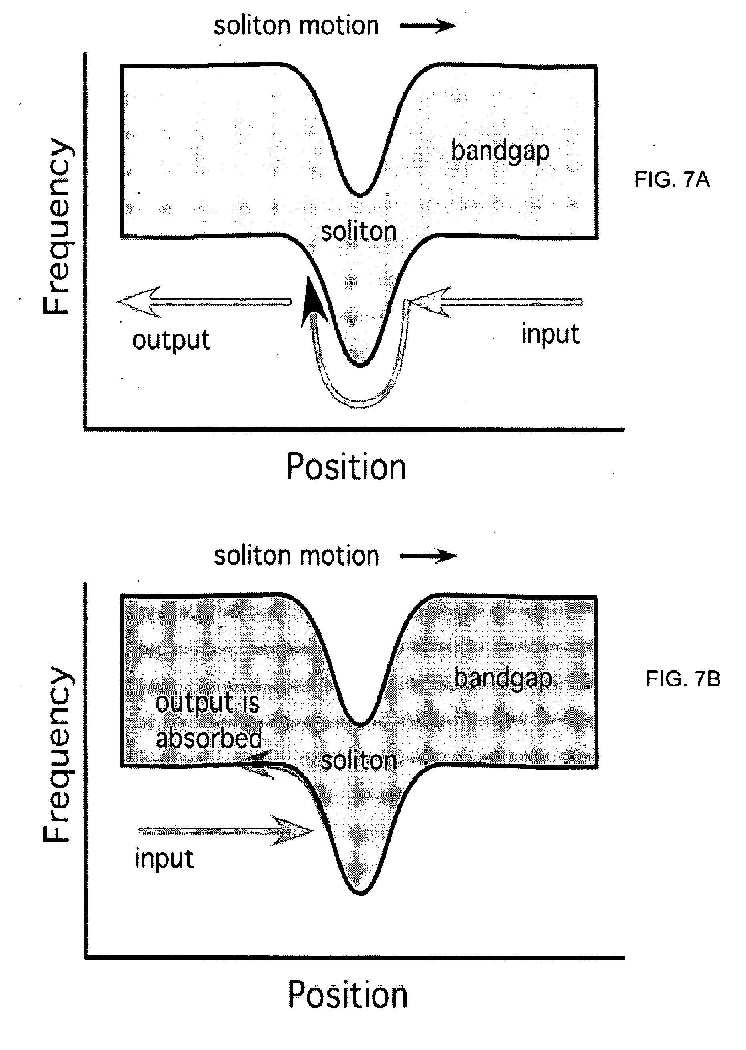
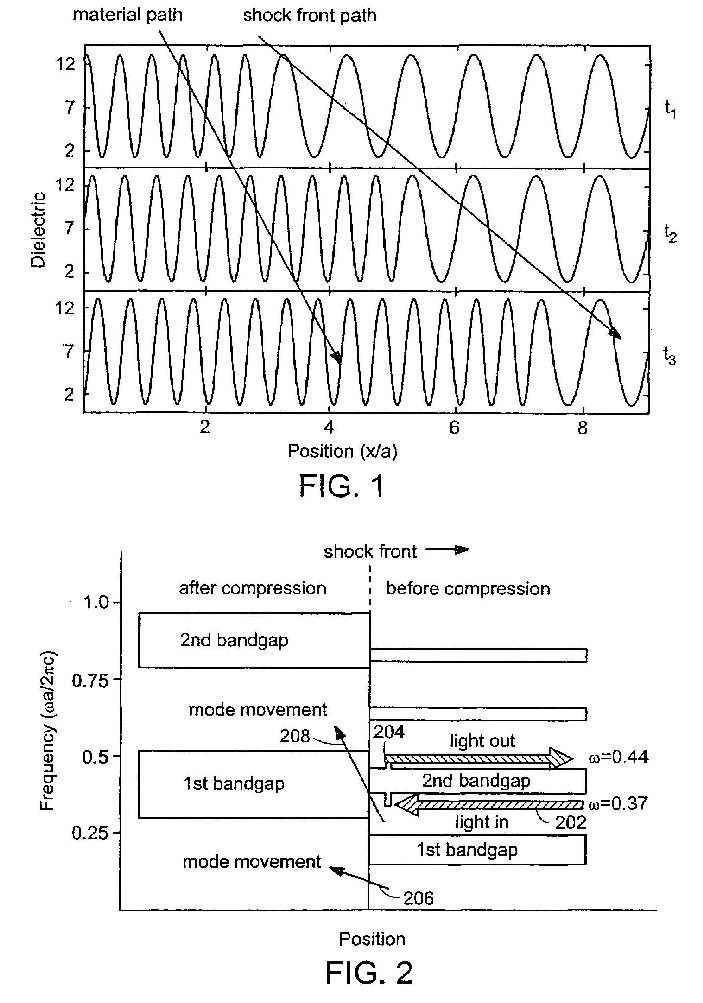
When a strong shock front propagates through a dielectric crystal such as NaCl, the lattice atoms move in a synchronized fashion. This collective motion emits narrow-bandwidth electromagnetic radiation (coherent light) in the terahertz frequency range (1-100 THz). The emission frequency is set by the shock speed and lattice constants, allowing the radiation to be used as a diagnostic of shock parameters.
Detailed Description
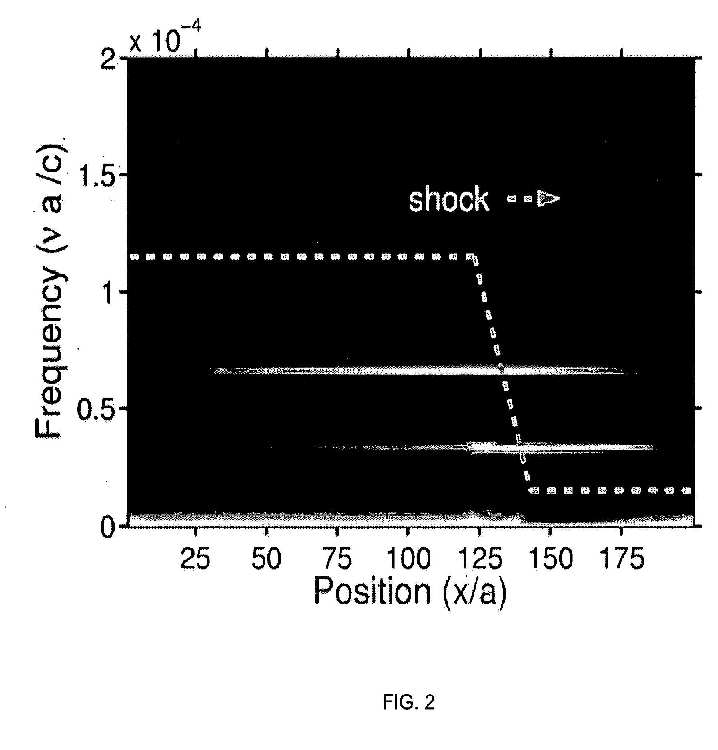
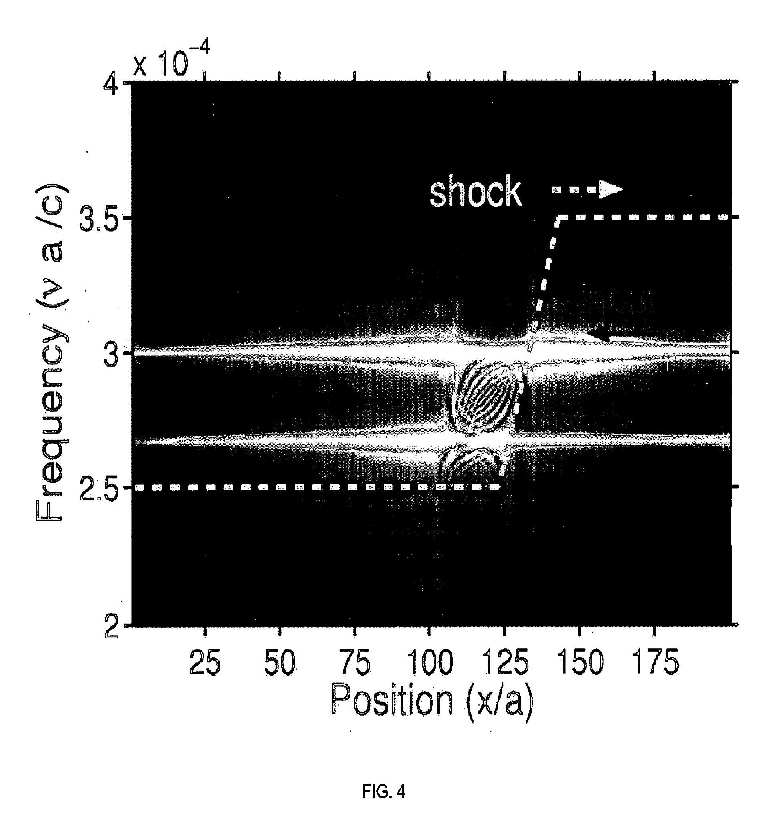
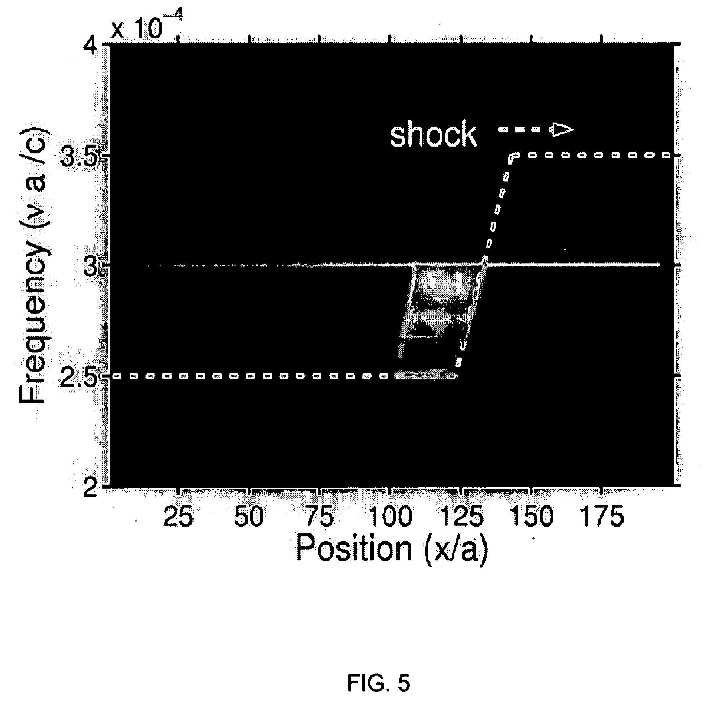
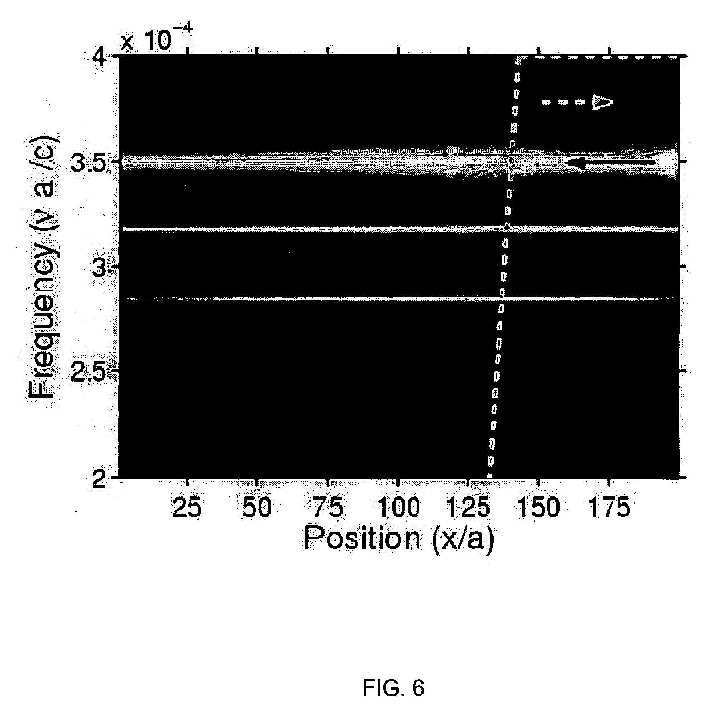
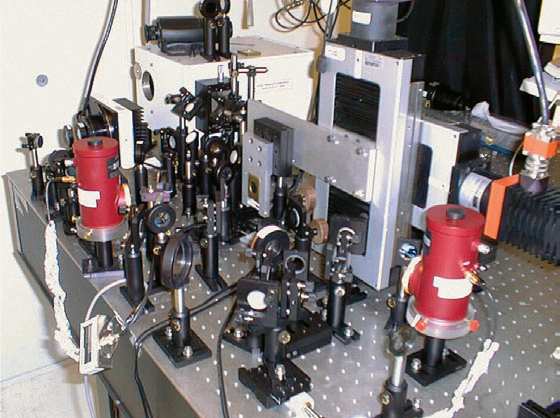
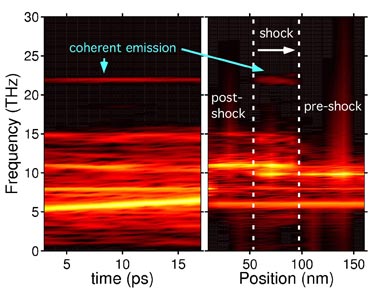
The researchers performed molecular-dynamics simulations of a shock wave traveling through NaCl, observing coherent emission at ~22 THz generated at the shock front. Laboratory experiments at Lawrence Livermore and Los Alamos National Laboratories have detected weak but measurable coherent terahertz photons emerging from shocked salt crystals. The phenomenon is distinct from stimulated-emission lasers; it arises from the concerted motion of rows of atoms driven by the shock. Ongoing work aims to improve detection and quantify the emitted power.
Principles
- Shock wave propagation in solids
- Synchronized atomic motion
- Coherent electromagnetic radiation generation
Scientific Domains
Materials
- Sodium chloride (NaCl) crystal
Mechanisms of Action
- Mechanical shock induces rapid lattice deformation
- Collective atomic displacement emits electromagnetic waves
- Radiation frequency determined by shock speed and lattice spacing
Energy Sources
Applications
- Shock-wave speed and crystallinity diagnostics
- Terahertz imaging for biomedical and security uses
- Material characterization under extreme conditions
Claimed Performance
Weak but measurable coherent terahertz light observed; emission frequency tunable by shock speed; coherence length on the order of millimetres (~=20 THz).
Experimental Evidence
Molecular-dynamics simulations showed coherent emission at 22 THz; laboratory tests at LLNL detected weak coherent photons from shocked NaCl; further experiments planned at LLNL and LANL.
Replication Status
Experiments underway at Lawrence Livermore and Los Alamos National Laboratories; no independent third-party replication reported yet.
Limitations
- Very weak emitted signal, difficult to detect
- Requires high-energy shock generation
- Scalability and efficiency not yet demonstrated