Goal
Generate mechanical rotation and electrical power without consuming fuel or emitting fumes.
Problem
Reliance on fossil-fuel-based power generation and associated emissions; need for a self-sustaining energy source for homes and vehicles.
Concept Summary
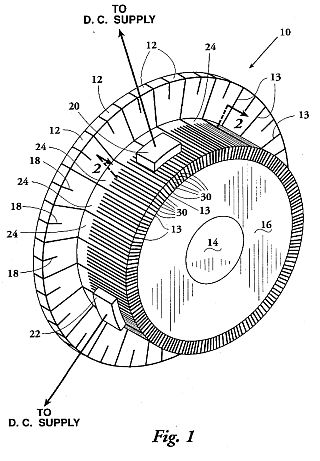
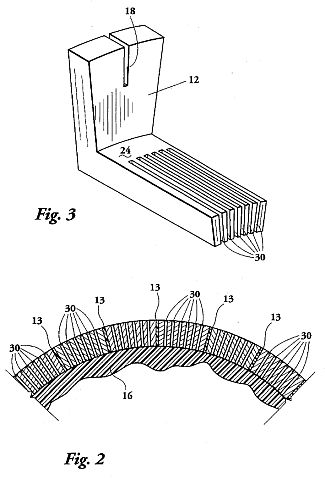
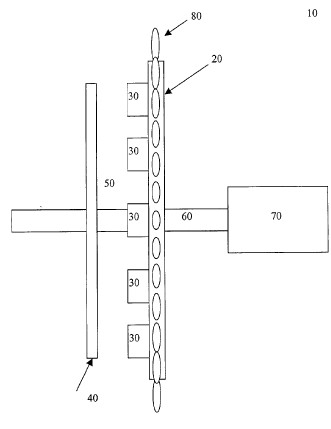
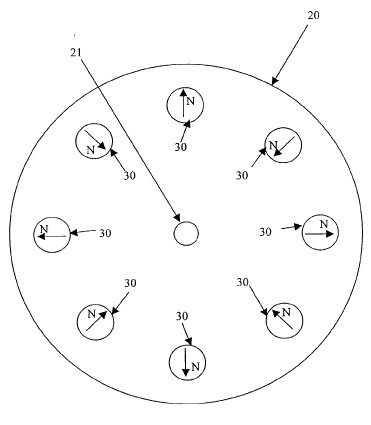
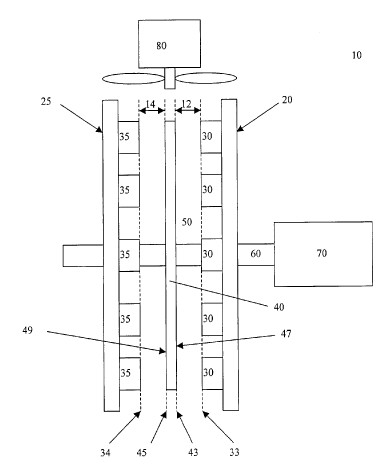
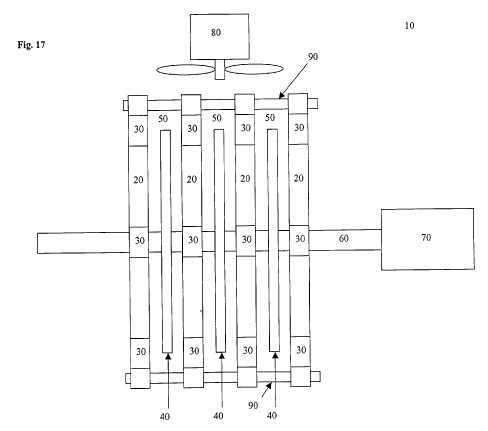
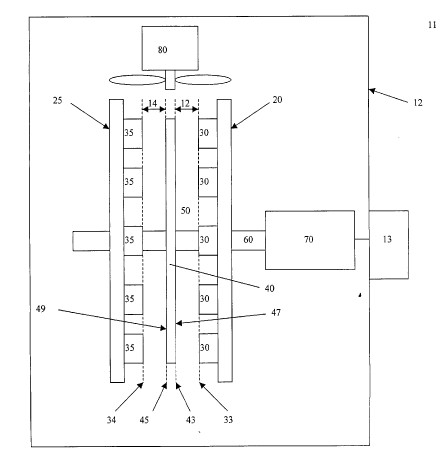
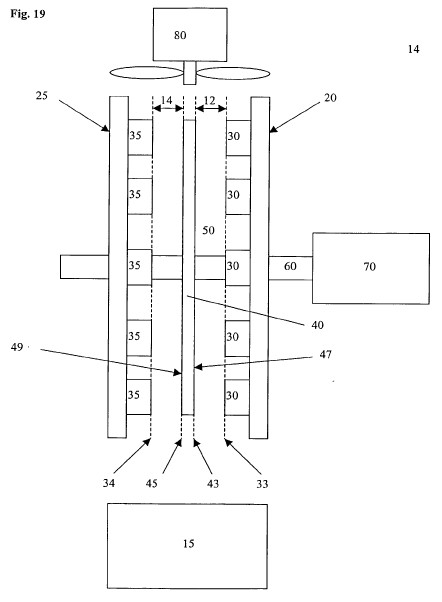
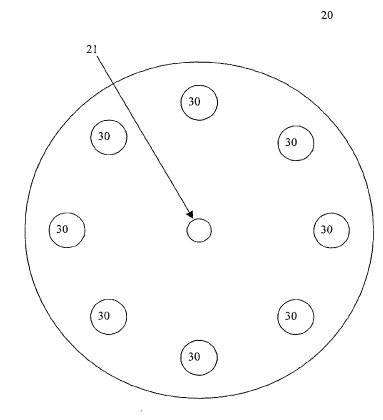
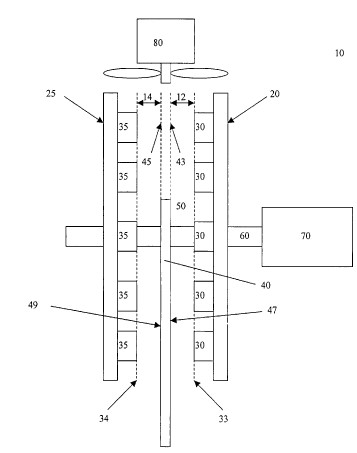
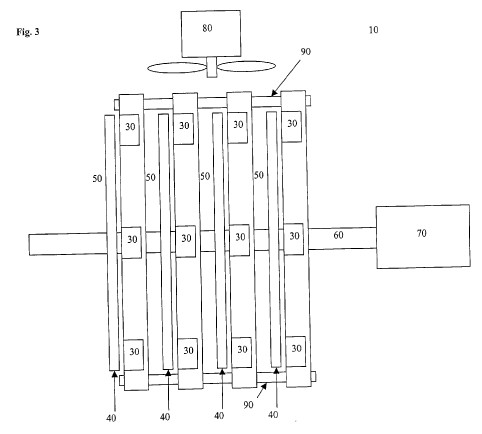
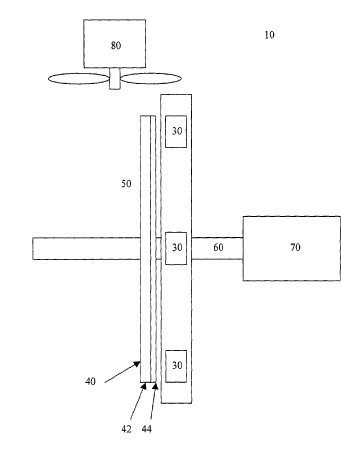
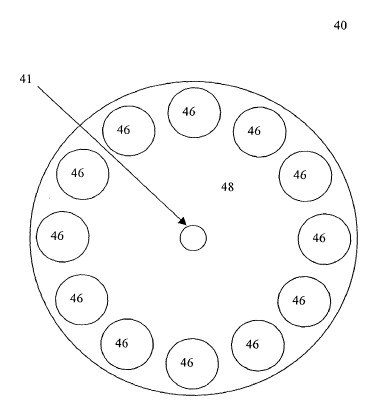
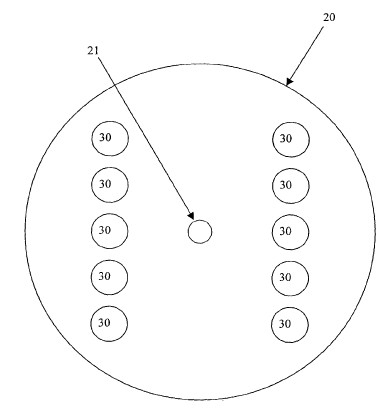
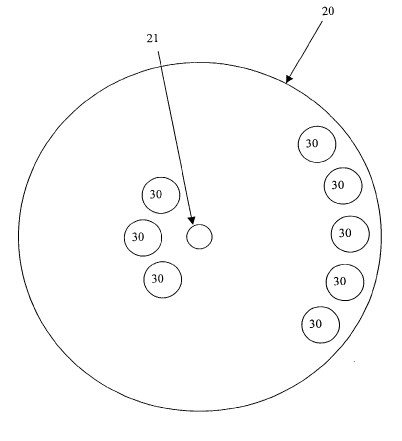
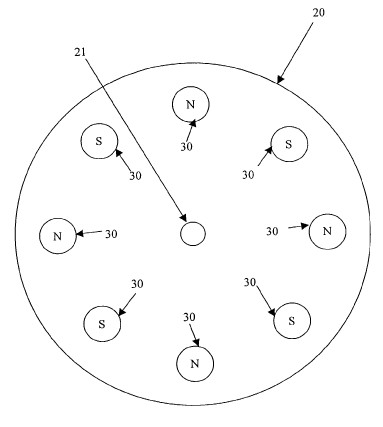
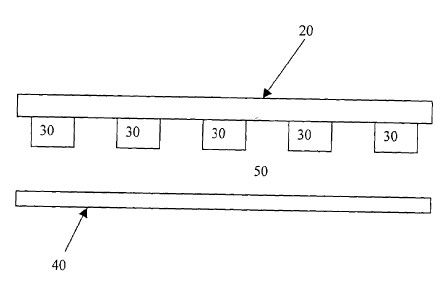
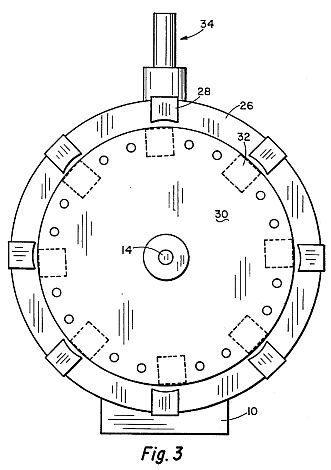
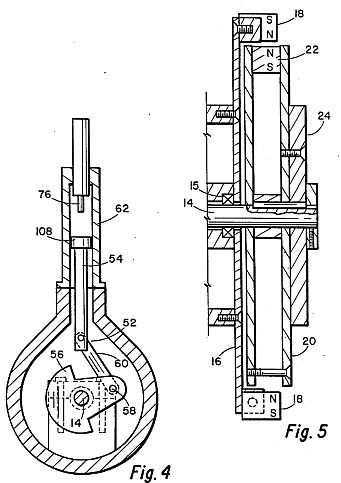
A permanent-magnet based motor that uses stationary and rotating magnets, magnetic spring-loaded pistons (in early versions) or electronic control of stationary magnets (in later versions) to keep a horizontal shaft rotating. The shaft is magnetically suspended, eliminating bearings, and can drive a generator to produce kilowatts of electricity.
Detailed Description
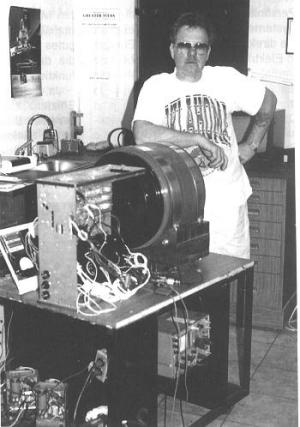
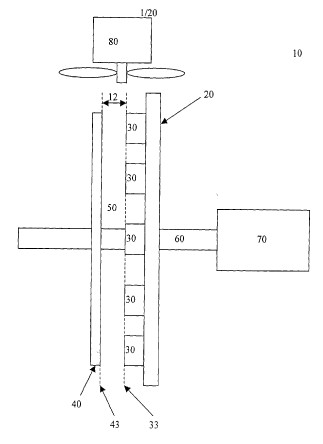
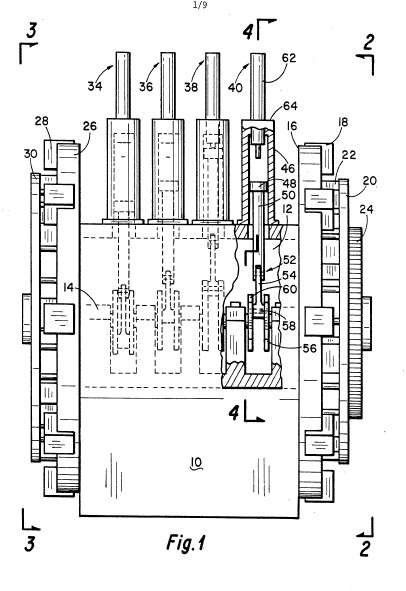
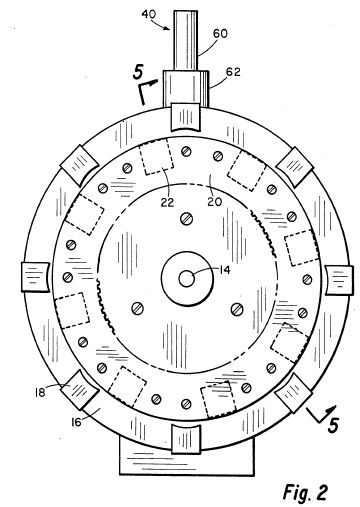
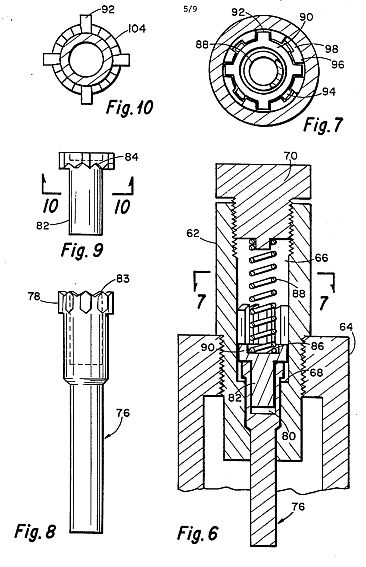
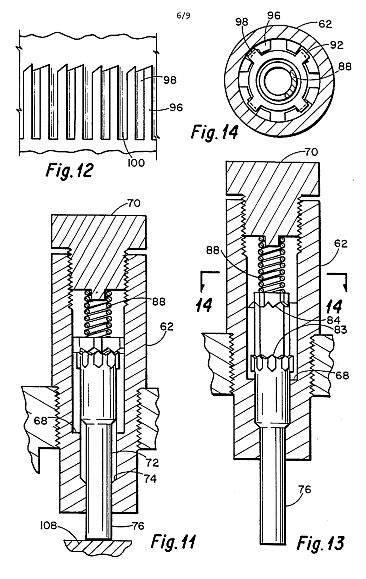
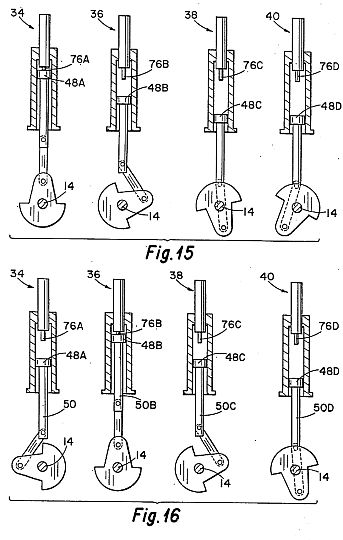
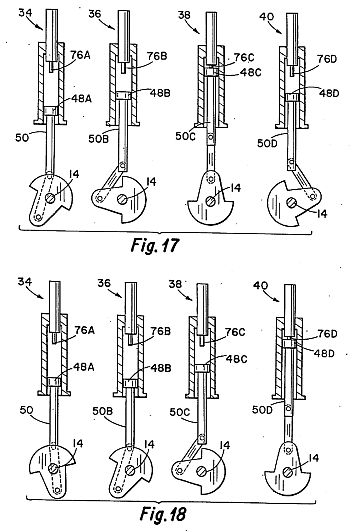
The original 1989 prototype featured a horizontal shaft with four vertical spring-loaded pistons bearing magnets that moved up and down as the shaft turned, powered by a hand-crank. The latest design replaces the pistons with an electronic control system and stationary magnets; only the shaft moves, rotating in magnetic bearings. The motor can be started with a starter motor or a pair of car batteries and then runs continuously, driving a generator (500 W in early prototypes, up to 7 kW in later claims). The inventor claims the motor can be mass-produced for about $3,500 each and that NASA has expressed interest in testing it.
Principles
- Permanent magnet attraction and repulsion
- Magnetic suspension (levitation) of rotating shaft
- Electromechanical conversion of magnetic forces to rotation
- Electronic control of magnetic fields
Scientific Domains
Materials
- Permanent magnets (likely rare-earth or ferrite)
- Steel/iron shaft and frame
- Copper conductive members (in heater variant)
- Car batteries (for start-up)
Mechanisms of Action
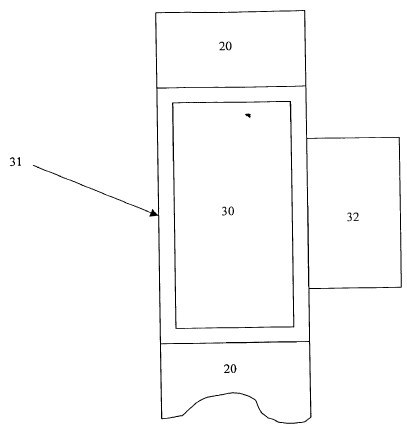
- Magnetic spring-loaded pistons impart torque to shaft (early model)
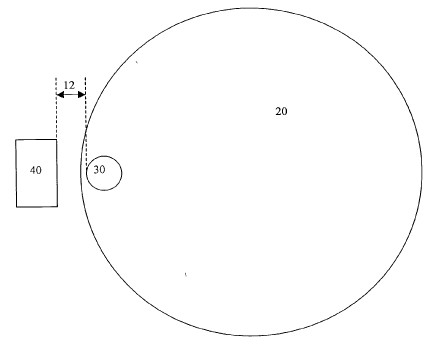
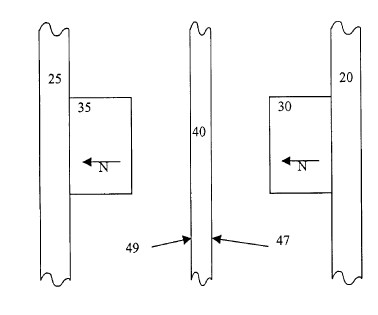
- Stationary magnets interact with rotating magnets to sustain motion (later model)
- Magnetic bearings reduce friction and wear
Energy Sources
Applications
- Home electricity generation
- Vehicle propulsion (electric car "Surge")
- Portable power generation
Claimed Performance
Drives a 7 000-watt generator; earlier prototype drove a 500-watt generator; Mach II design claimed ~400 HP at 1500 RPM.
Experimental Evidence
Hand-crank prototype (1989) powered a 500 W generator; later model claimed to run a 7 kW generator; demonstrations at scientific conferences; patent filings; NASA interest reported; anecdotal reports of integration into EZGO golf cart.
Replication Status
Licensed to an American company and an Indian company; no independent third-party replication documented.
Limitations
- No peer-reviewed experimental data
- Claims of net energy gain lack quantitative validation
- Licensing and commercial rollout not verified
Red Flags
- Free-energy claim without reproducible evidence
- Reliance on anecdotal reports and promotional language
- Potential for fraud or unsubstantiated marketing