Goal
Treat cancer and other diseases by correcting lipid metabolic imbalances with non-toxic lipid-based compounds and trace-element (e.g., selenium) therapeutics.
Problem
Advanced-stage cancers and other chronic diseases caused by anabolic/catabolic imbalance and abnormal lipid metabolism.
Concept Summary
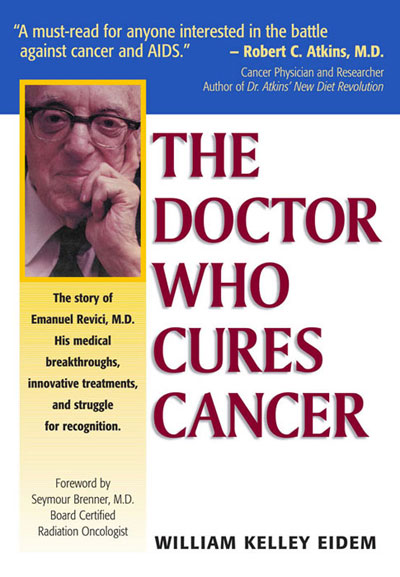
Revici's "guided lipid" therapy uses specially prepared lipids, fatty acids, sterols and trace-element-metallic compounds (notably a bivalent-negative form of selenium) to restore the body's anabolic-catabolic balance. The compounds are claimed to have a natural affinity for tumor tissue, delivering therapeutic elements directly to malignant cells while remaining non-toxic.
Principles
- Anabolic-catabolic balance theory
- Lipid-based drug delivery
- Trace-element (selenium) incorporation into fatty acids
- Guided chemotherapy individualized to metabolic tests
Scientific Domains
Materials
- Lipids
- Fatty acids
- Sterols (e.g., cholesterol)
- Selenium (bivalent-negative form)
- Copper
- Sulfur
- Zinc
- Calcium
- Nickel
- Beryllium
- Mercury
- Lead
Mechanisms of Action
- Restores lipid metabolic balance
- Delivers selenium-laden lipid molecules that preferentially accumulate in tumor tissue
- Incorporates low-toxicity metallic elements into unsaturated fatty acids
- Modulates anabolic/catabolic signaling pathways
Applications
- Cancer treatment
- AIDS therapy
- Arthritis
- Alzheimer's disease
- Chronic pain
- Drug addiction
Claimed Performance
Remission reported up to 20 years after treatment; case reports of terminal patients becoming cancer-free; reductions in tumor size and pain in a 140-patient study.
Experimental Evidence
Case histories from the United States, France, Italy and Austria; a 140-patient study reported by Dr. R. Donaldson (1983) showing tumor size reduction and pain relief; nine of twelve terminal-cancer patients treated in Belgium showed significant improvements.
Replication Status
Limited replication in European clinics (France, Italy, Austria) and isolated case reports; not widely accepted or validated by mainstream clinical trials.
Limitations
- Lack of randomized, peer-reviewed clinical trials
- Regulatory opposition and blacklist status
- Predominantly anecdotal evidence
- Potential variability in individual formulations
Red Flags
- Listed as an unproven method by the American Cancer Society
- Historical legal challenges and license disputes
- Claims of high-dose selenium administration without extensive toxicology data