Goal
Increase magnetic field strength and improve efficiency of electronic devices through a doughnut-shaped coil geometry.
Problem
Conventional coil designs provide uneven magnetic field distribution, limiting performance of transformers, motors and LED drivers.
Concept Summary
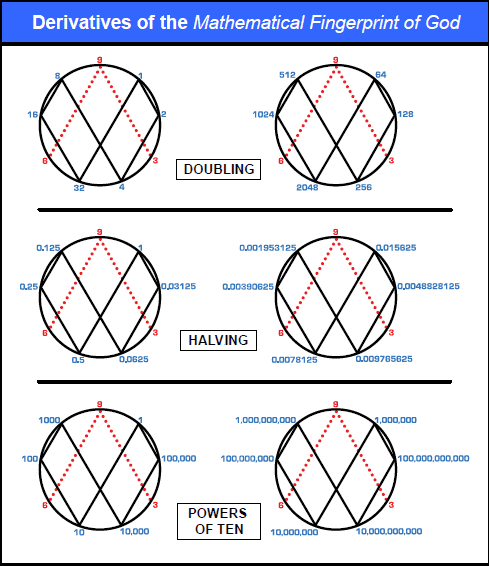
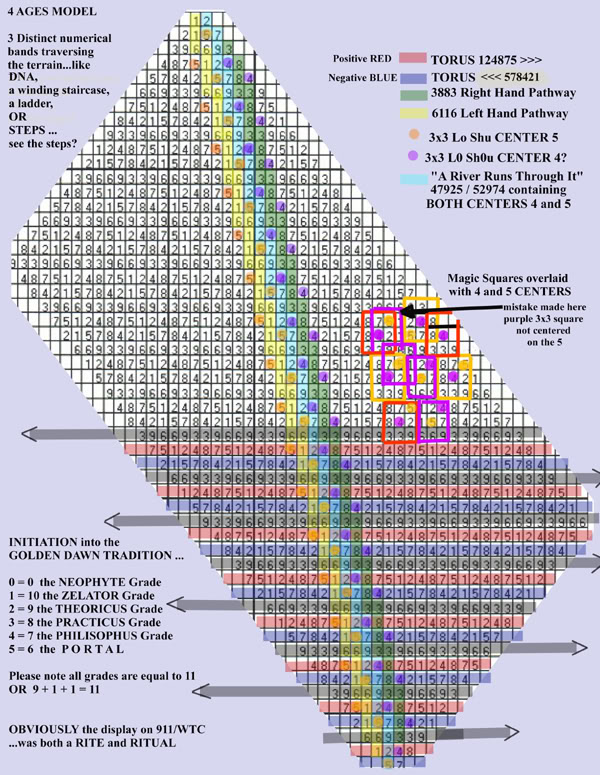
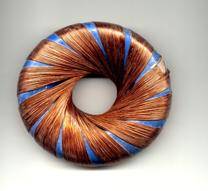
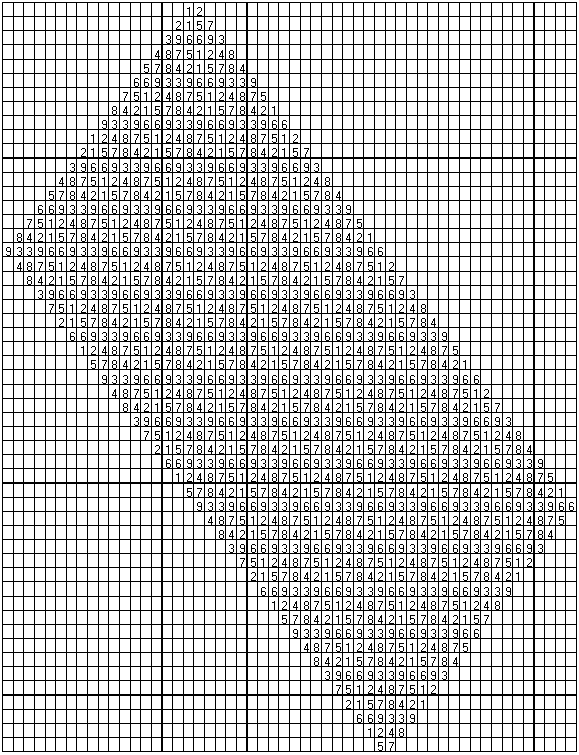
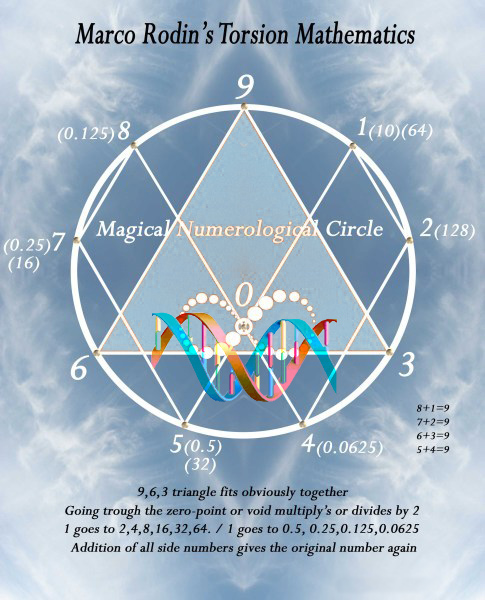
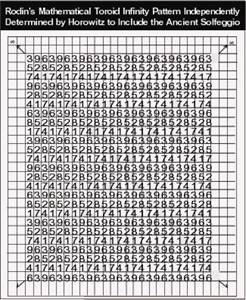
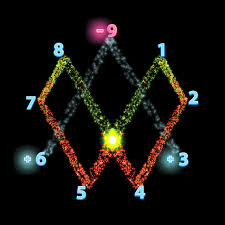
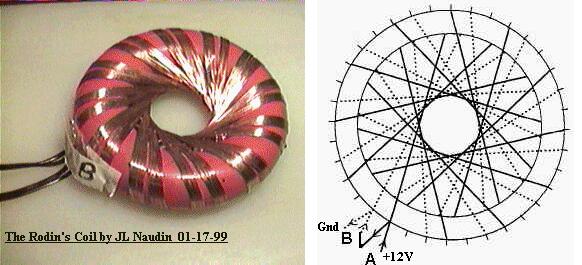
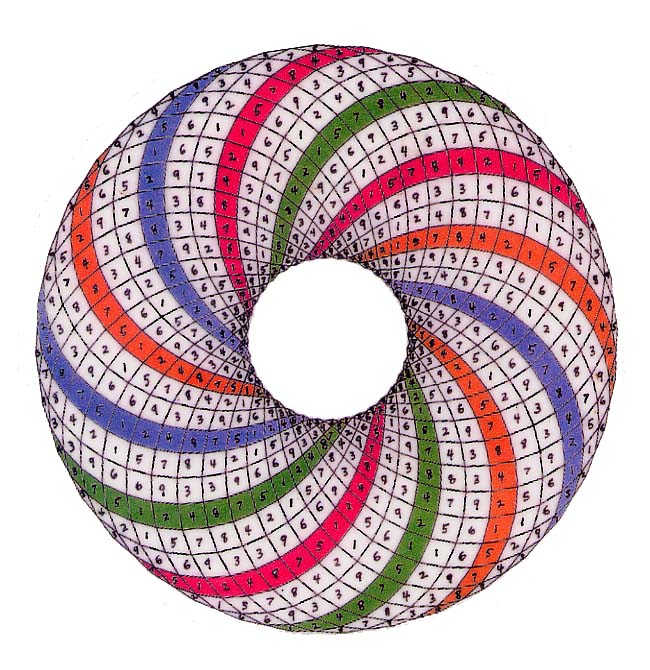
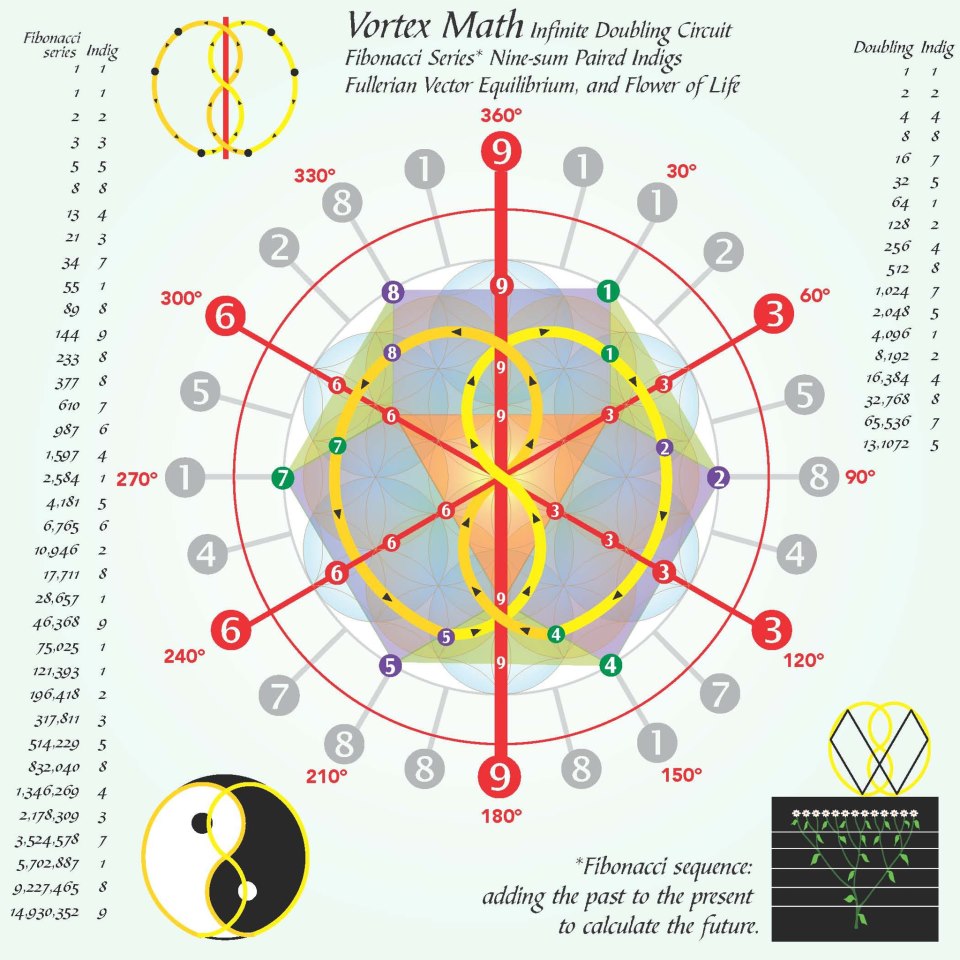
The Rodin Coil is a toroidal (doughnut-shaped) winding of copper wire that, according to the inventor, distributes magnetic fields more evenly across the circuit, leading to higher magnetic flux density and more efficient electronic devices. The design is linked to Vortex-Based Mathematics and the Rodin Number Map.
Detailed Description
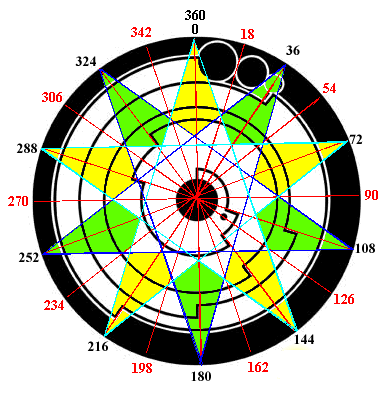
The coil consists of multiple turns of insulated copper wire wound in a specific toroidal pattern derived from Vortex-Based Mathematics. The geometry is claimed to create a self-reinforcing magnetic vortex that enhances field strength. Demonstrations include an LED driver, a motor that reached >10 000 RPM with no load, and a transformer configuration. The underlying theory references the Rodin Number Map and a proposed mathematical formulation of the torus shape.
Principles
- Vortex-Based Mathematics
- Rodin Number Map
- Toroidal magnetic field distribution
Scientific Domains
Materials
- copper wire
- insulating enamel
Mechanisms of Action
- Doughnut-shaped winding creates a toroidal magnetic flux path
- Even distribution of magnetic field lines reduces losses
- Self-reinforcing vortex pattern allegedly amplifies field strength
Energy Sources
Applications
- Electronic device efficiency
- LED lighting
- Low-speed motor drives
Claimed Performance
More efficient electronic devices; Rodin Motor achieved over 10 000 RPM with no load; LED driver with higher output.
Experimental Evidence
Test results PDF shows a Rodin Motor running >10 000 RPM with no load and a Rodin Coil LED transformer/driver; video demonstrations of LED + coil + motor operation.
Replication Status
Test results reported by the inventor; no independent replication or peer-reviewed validation mentioned.
Limitations
- Lack of peer-reviewed quantitative data
- Theoretical basis not widely accepted
- No independent replication reported
Red Flags
- Claims of revolutionary efficiency without rigorous experimental data
- Association with fringe concepts such as Vortex-Based Mathematics