Goal
To achieve self-sustained rotation, weight reduction and thrust generation by exploiting magnetic-gravity coupling in a rotating magnetic system.
Problem
The need for a novel energy conversion / propulsion method that can produce thrust or apparent reduction of weight without conventional fuel.
Concept Summary
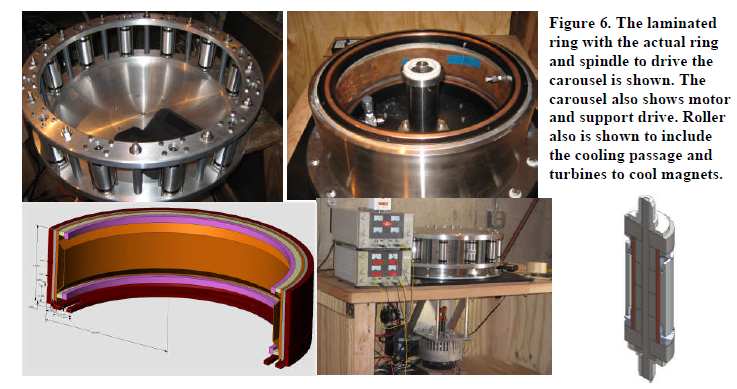
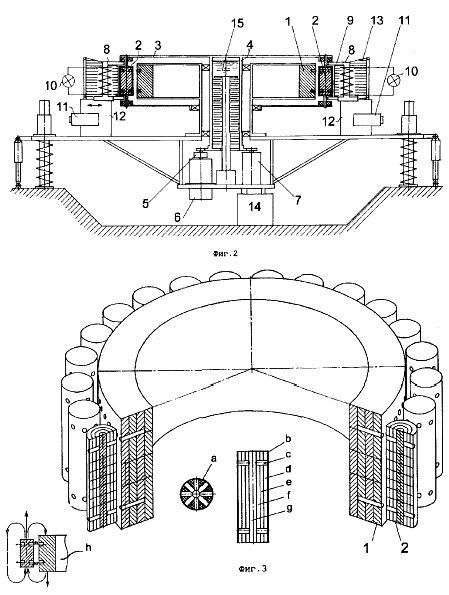
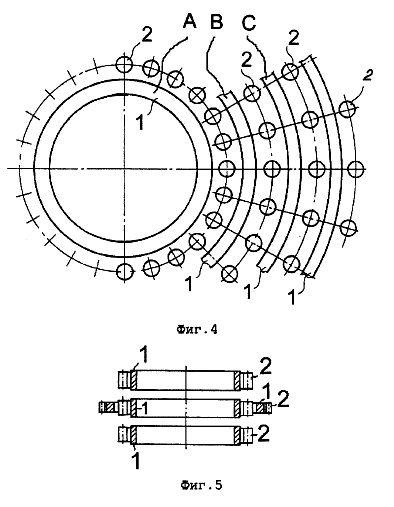
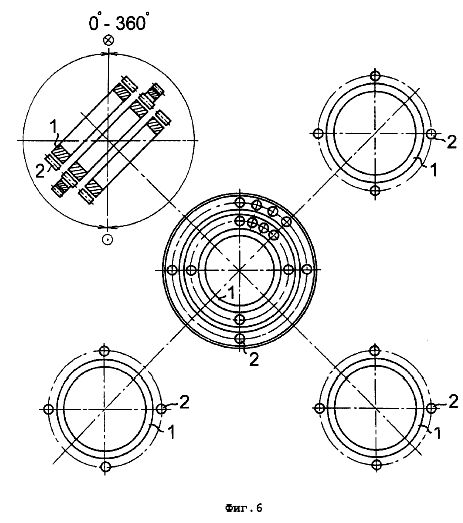
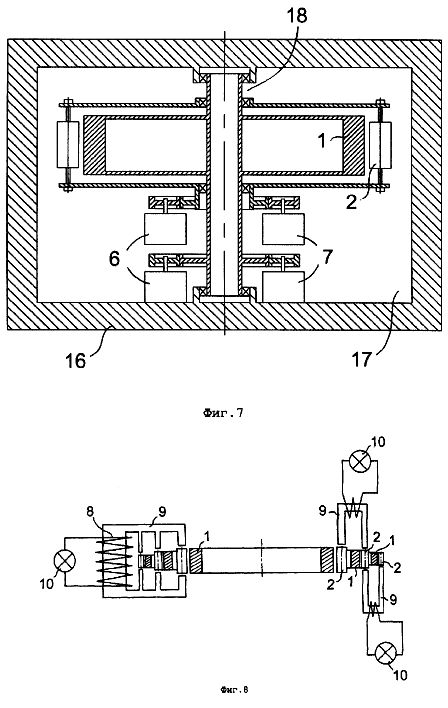
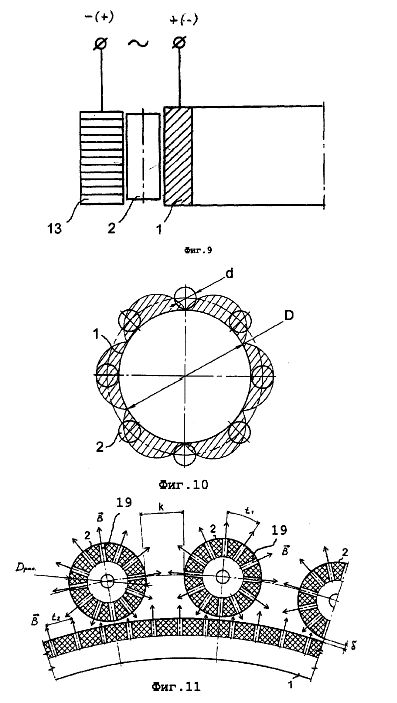
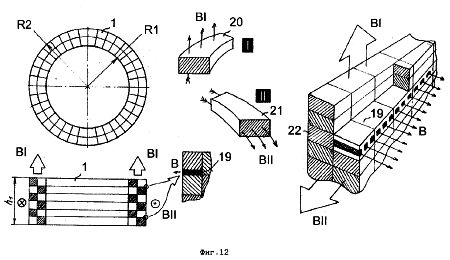
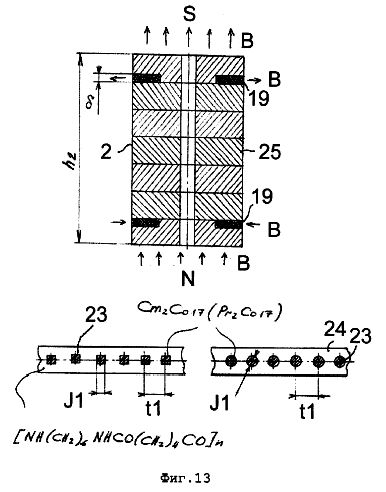
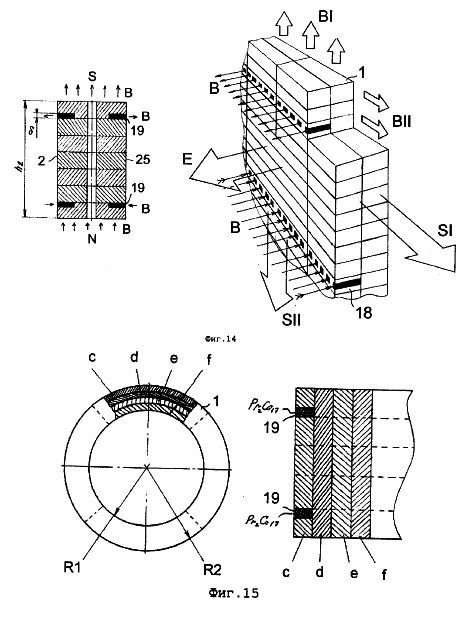
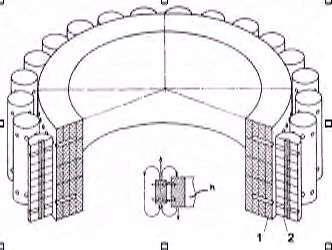
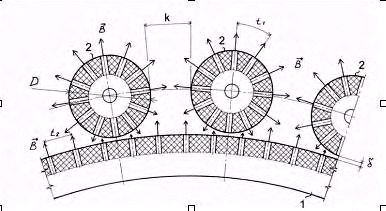
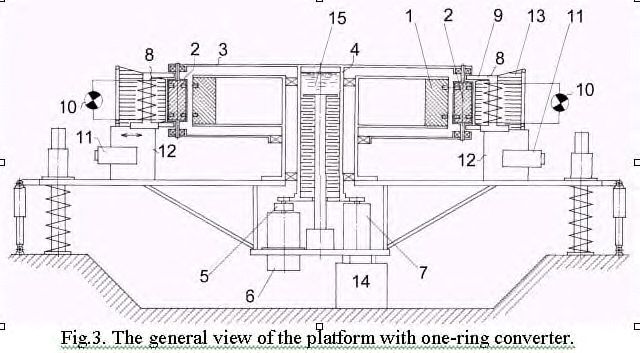
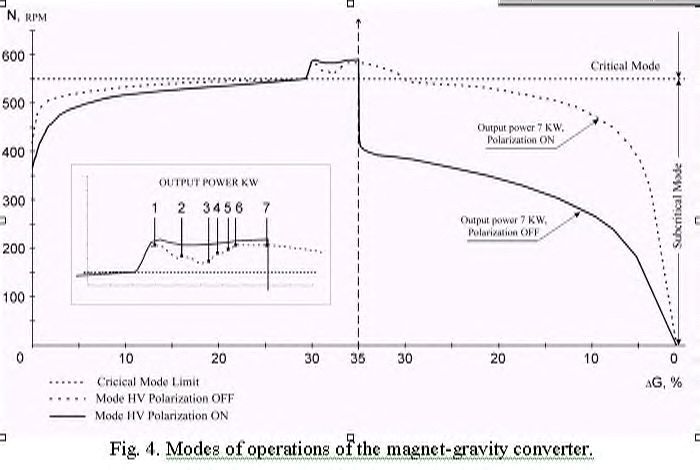
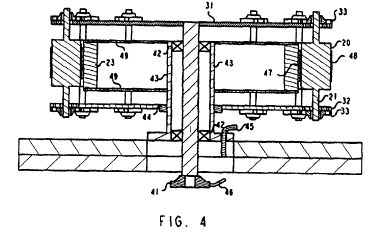
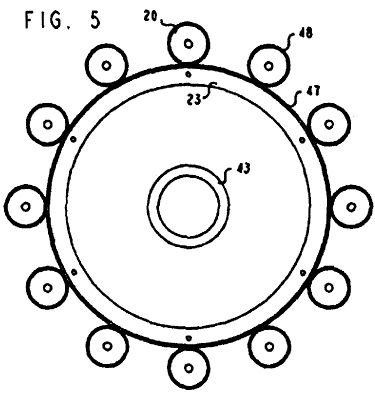
The authors built a one-ring magnetic converter consisting of a stator and rotor made from rare-earth magnets, cross-magnetic inserts, and air bearings. By energising the rotor with an electric motor and applying a high-voltage polarising field, the device entered a "critical" regime (~=550 rpm) where the measured weight of the platform dropped up to 35 % and electrical power of 6-7 kW was generated. Additional phenomena such as distant magnetic "walls", luminescence, ozone smell, and temperature drops were reported.
Principles
- Law of the Squares (Searl's hypothesis)
- Magnetic spin-wave resonance
- Magneto-gravitational coupling
- Electromagnetic induction
- High-voltage polarisation of rotating magnetic fields
Scientific Domains
Materials
- Rare-earth (neodymium) magnets
- Titanium layer
- Iron layer
- Nylon layer
- Copper foil (0.8 mm)
- Aluminium platform
- Air bearings
Mechanisms of Action
- Rotating magnetic fields induce torque on rollers
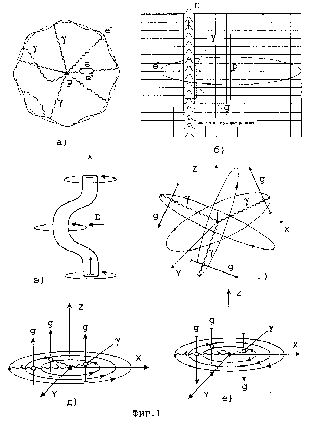
- Cross-magnetic inserts create a resonant flux pattern
- High-voltage electrodes polarise the magnetic system
- Induced emf in open-core inductors powers external loads
- Observed weight change attributed to local gravity alteration or thrust
Energy Sources
Applications
- Propulsion for vehicles
- Weight-reduction systems
- Low-cost electrical power generation
Claimed Performance
Weight reduction of up to 35 % of a 350 kg platform (~=122 kg) at 6-7 kW output; self-accelerating rotation begins at ~=550 rpm; thrust direction reverses with rotation sense.
Experimental Evidence
Back-current detected at 550 rpm; magnetic sensor recorded weight change at 200 rpm; temperature drop of 6-8 deg C near the device; magnetic field layers (~=0.05 T) detected up to 15 m; luminescence and ozone smell observed.
Replication Status
No independent replication reported in the article; a separate "Morningstar Energy Box" replication is mentioned but not described.
Limitations
- Lack of independent, peer-reviewed verification
- Measurements rely on proprietary sensors
- High-voltage safety concerns
- Scalability and efficiency not demonstrated
Red Flags
- Extraordinary claims (gravity manipulation, thrust) without mainstream theoretical support
- Absence of detailed quantitative data and statistical analysis
- Reliance on anecdotal observations (luminescence, ozone smell)
- Potential pseudoscientific terminology (ether, Faraday-Maxwell-Mie media)