Goal
Increase fuel efficiency and reduce emissions by achieving more complete combustion of hydrocarbon fuels.
Problem
Incomplete combustion in gasoline, diesel, and turbine engines leading to lower fuel economy and higher pollutant emissions.
Concept Summary
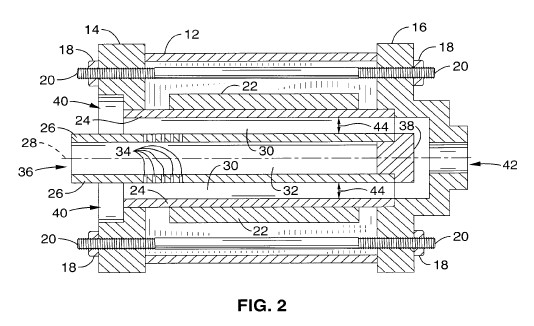
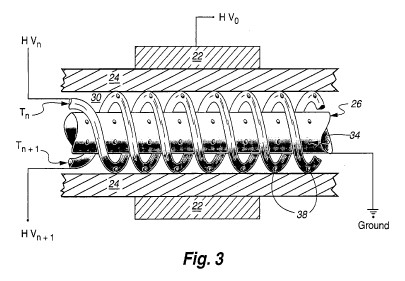
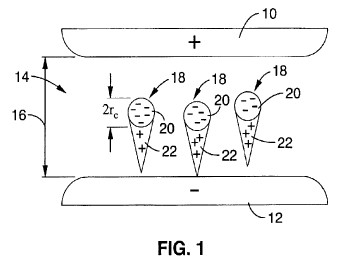
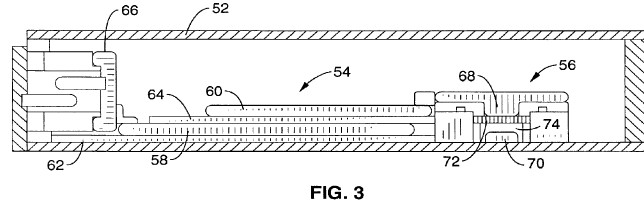
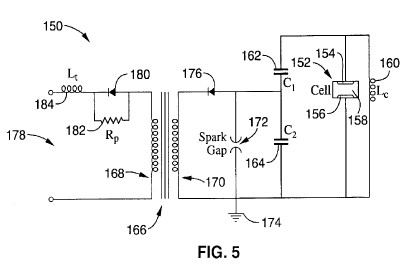
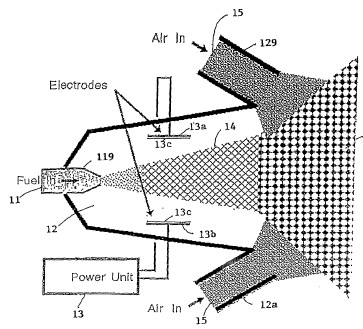
An electronic device mounted on a fuel injector applies high-voltage nanosecond pulses to the atomized fuel, creating a non-thermal plasma that breaks long hydrocarbon chains into smaller fragments and generates free radicals, thereby promoting more complete and cleaner combustion.
Principles
- Non-thermal plasma generation
- Dielectric barrier discharge
- High-voltage nanosecond pulsed discharges
- Molecular cracking
- Free-radical chemistry
Scientific Domains
Materials
- Hydrocarbon fuel (gasoline, diesel, turbine fuel)
- Dielectric barrier material (e.g., ceramic, glass)
- Metal electrodes (e.g., copper, stainless steel)
Mechanisms of Action
- Plasma-induced dissociation of hydrocarbon molecules
- Generation of reactive radicals that accelerate oxidation
- Pre-combustion fuel atomization enhancement
Energy Sources
Applications
- Automotive internal-combustion engines
- Gas-turbine engines
- Aviation propulsion
Claimed Performance
Higher miles per gallon and lower harmful emissions, though the two benefits may not be achieved simultaneously.
Experimental Evidence
The article reports laboratory research and prototype testing that demonstrate cleaner emissions and modest fuel-efficiency gains, but no quantitative performance data are provided.
Limitations
- Simultaneous achievement of both higher efficiency and lower emissions not yet demonstrated
- Requires high-voltage pulsed power electronics
- Potential cost and integration complexity for existing engine designs