Goal
Use separated electric or magnetic microwave fields to induce rapid phase transformations, alloying, decrystallization, and structural changes in solids and liquids.
Problem
Conventional high-temperature processing is slow, energy-intensive, and often cannot achieve desired microstructures; need for low-temperature, rapid material modification and novel water-treatment methods.
Concept Summary
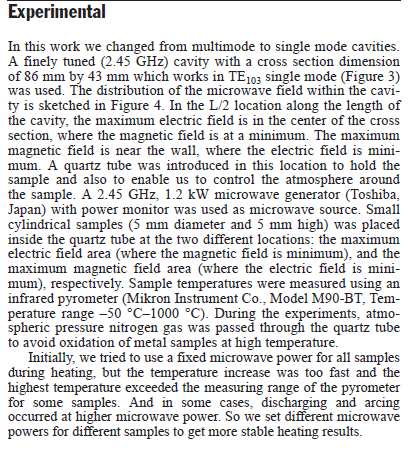
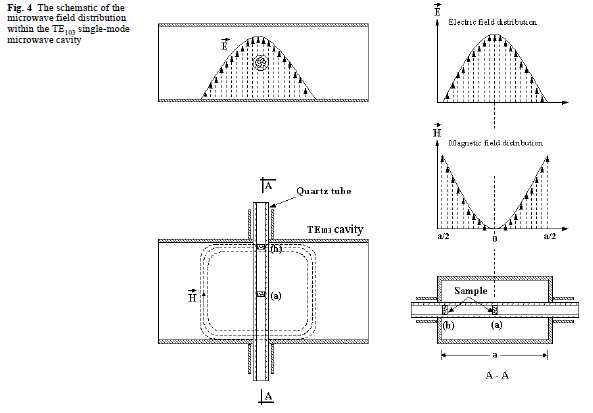
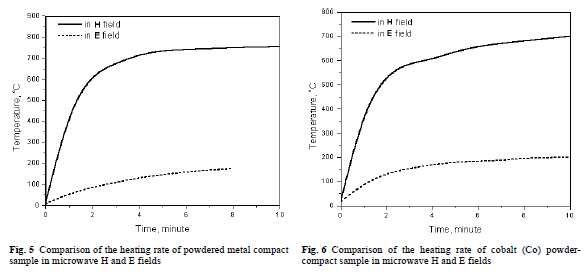
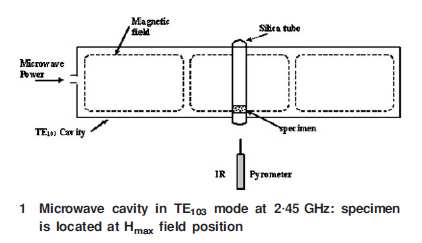
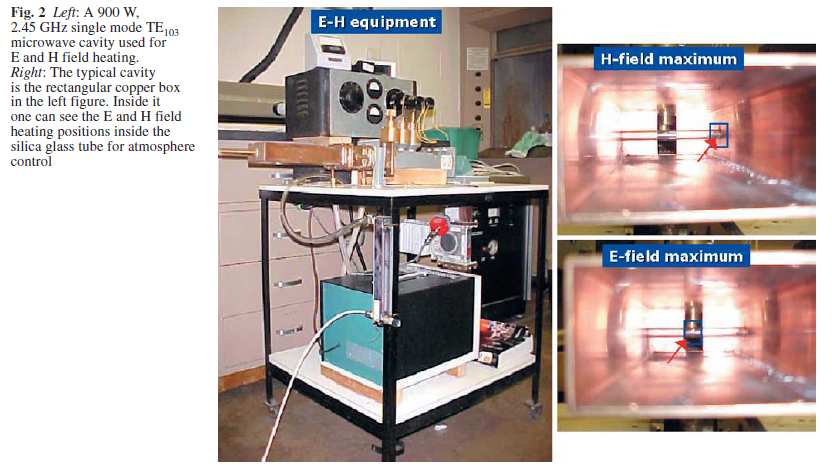
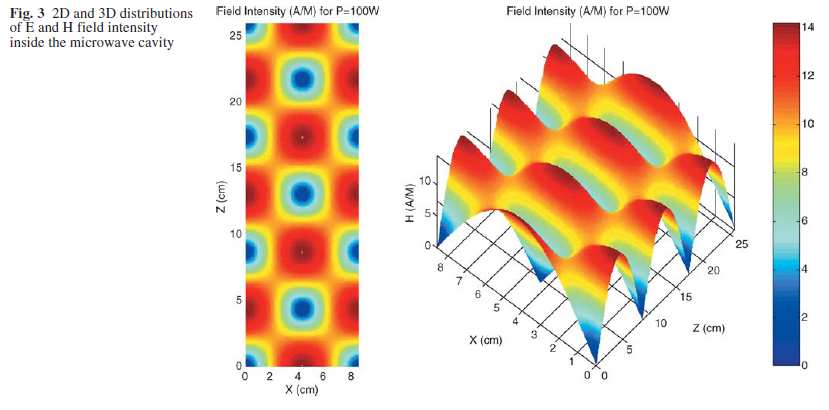
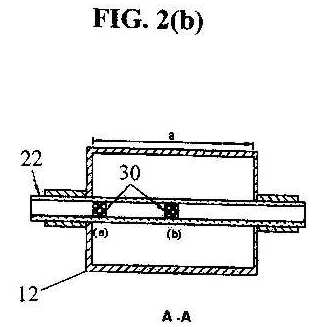
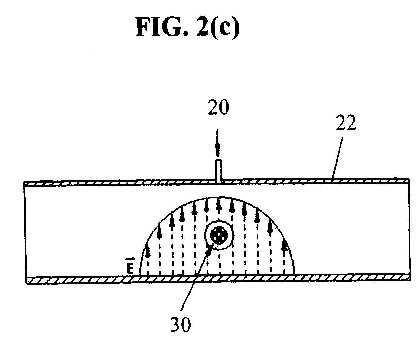
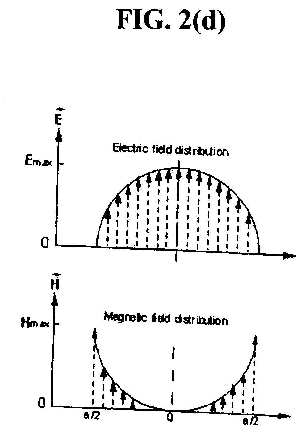
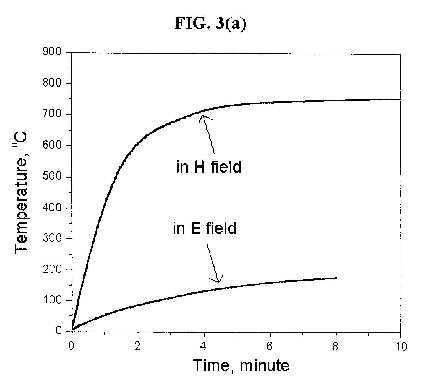
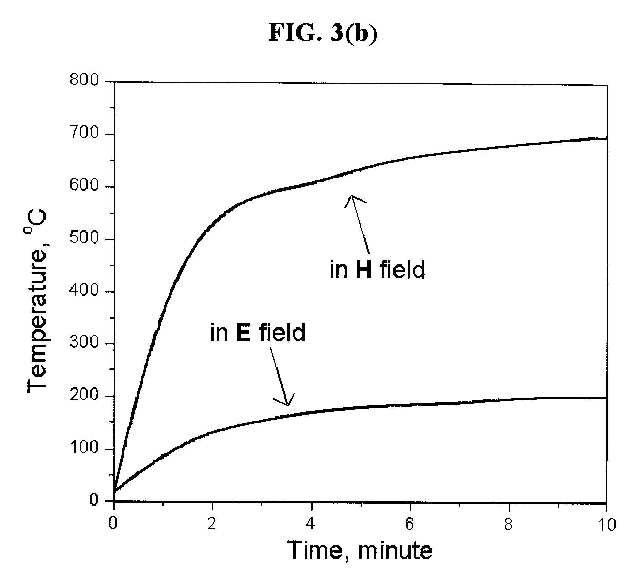
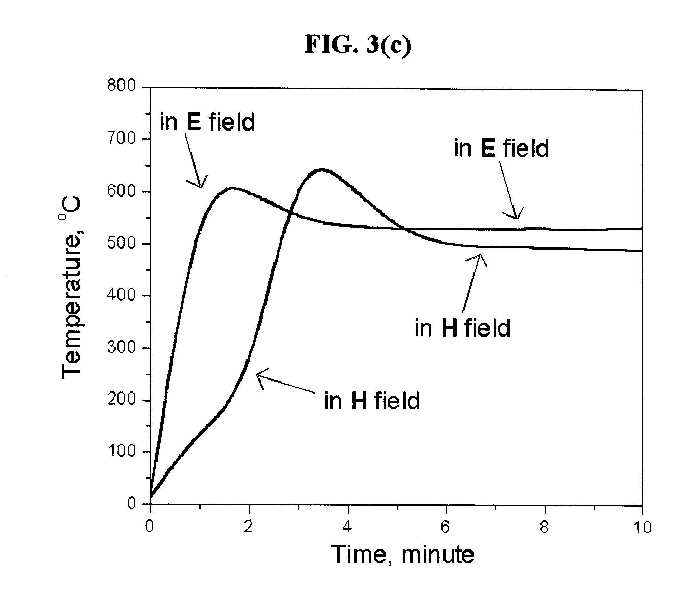
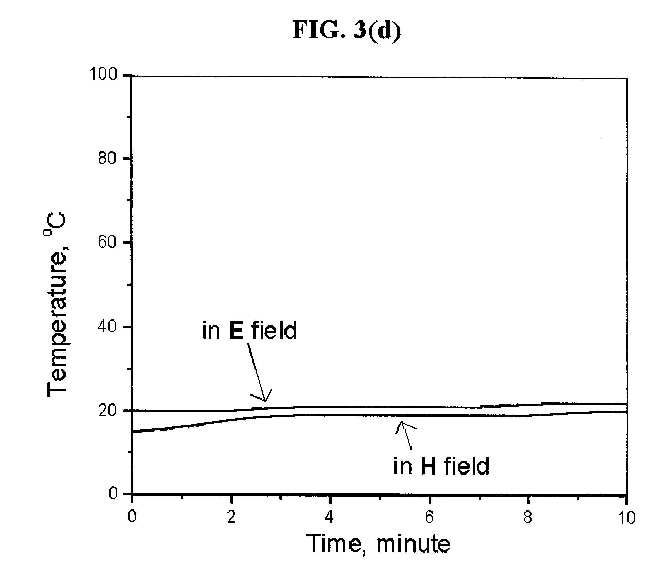
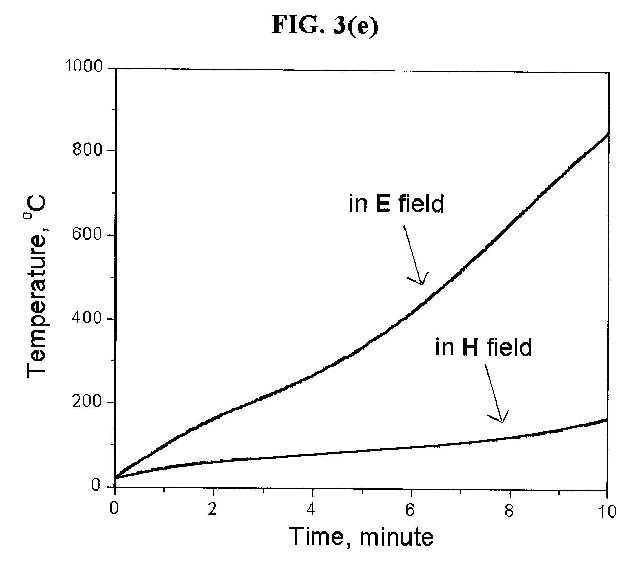
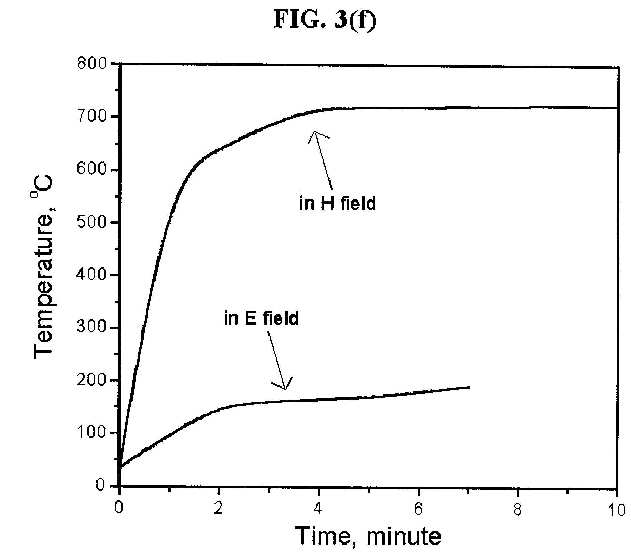
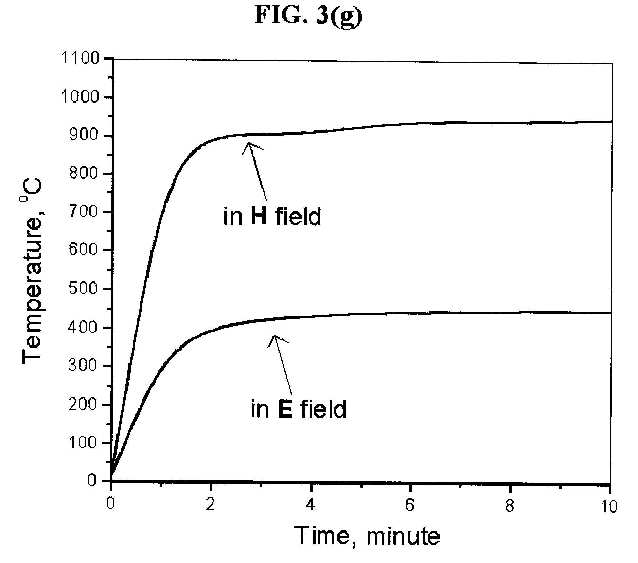
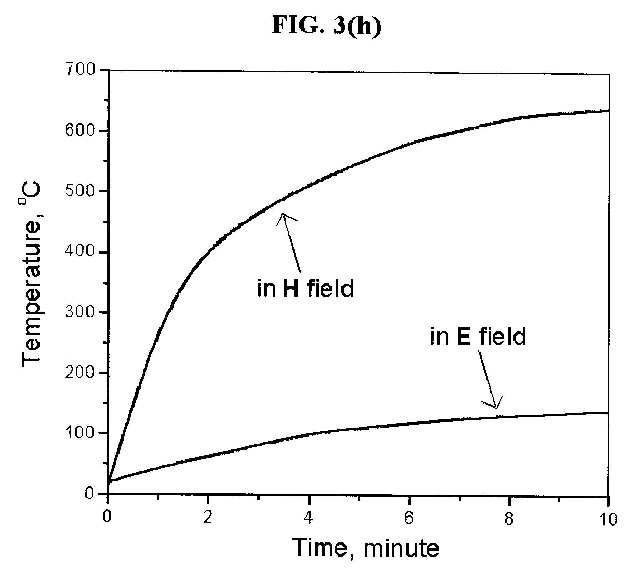
The invention employs a single-mode microwave cavity that generates a pure electric (E) or pure magnetic (H) field at 2.45 GHz (or 915 MHz). When materials are placed in the field, the separated fields produce non-thermal effects that can alloy silicon with germanium, decrystallize oxides, convert hard magnets to soft magnets, and dramatically restructure water, even causing electrodeless dissociation of water into hydrogen and oxygen.
Detailed Description
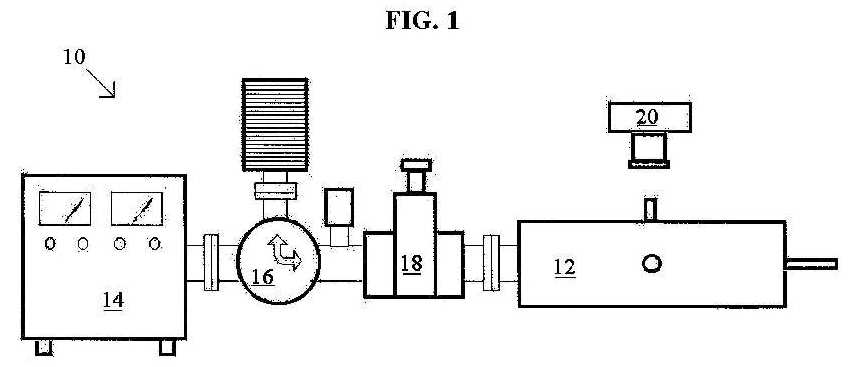
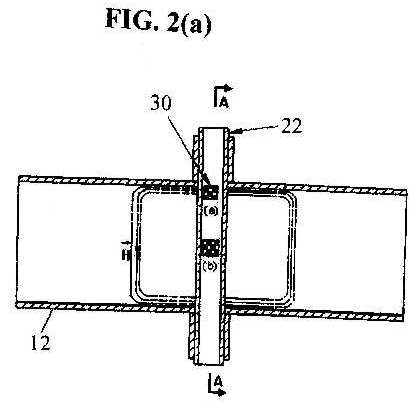
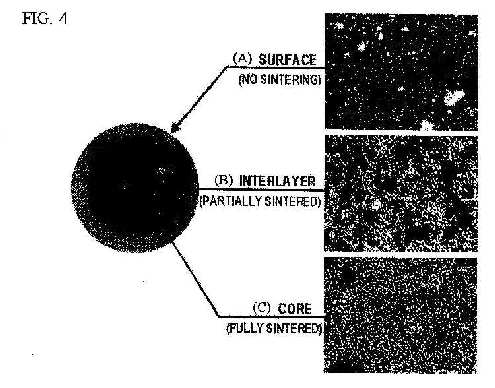
In the described experiments a microwave magnetron feeds a resonant cavity tuned to produce either a dominant electric or magnetic field component. Solid powders (e.g., Si, Ge, ferrite oxides) or liquids (water with or NaCl) are exposed for seconds to minutes. Raman spectroscopy, X-ray diffraction and magnetic measurements show rapid phase changes, loss of crystallinity, and magnetic property reversal. The process is claimed to operate well below melting points, relying on field-induced lattice destabilization rather than bulk heating. A related patent (US2009183597) outlines metal extraction from chalcogenide minerals using separate E and H fields.
Principles
- Microwave electromagnetic radiation
- Separated electric field (E-field)
- Separated magnetic field (H-field)
- Polarized microwave and RF radiation
- Resonant cavity field enhancement
- Non-thermal field effects
Scientific Domains
Materials
- Silicon
- Germanium
- Ferrite oxides (BaFe12O19, CoFe2O4, Fe3O4, ZnFe2O4)
- Water
- Sodium chloride (NaCl)
- Corundum
- Diamond
- Quartz
- Silica gel precursors
Mechanisms of Action
- Field-induced lattice destabilization
- Magnetic field driven phase transformation
- Electric field induced bond breaking
- Polarized radiation induced water structuring
- Rapid localized energy deposition
Energy Sources
Applications
- Rapid alloy production
- Magnetic material tuning
- Water treatment and gas generation
- Silica gel manufacturing
Claimed Performance
Phase transformations and decrystallization occur within seconds at temperatures far below melting points; water O-H stretching mode reduction observed within minutes; electrodeless water dissociation produces combustible gases; alloying of Si-Ge achieved rapidly.
Experimental Evidence
Raman spectroscopy of treated water shows O-H mode reduction; X-ray diffraction and magnetic measurements confirm rapid phase changes in ferrites; US2009183597 patent documents metal extraction using separate fields; multiple peer-reviewed papers (2002, 2008) report the observations.
Replication Status
Multiple peer-reviewed publications and a granted patent report successful replication of the effects under laboratory conditions.
Limitations
- Requires high-power microwave equipment and resonant cavities
- Mechanistic understanding of non-thermal effects remains incomplete
- Scale-up to industrial throughput not demonstrated
Red Flags
- Claims of electrodeless water splitting lack independent verification
- Some results rely on qualitative observations rather than quantitative metrics