Goal
Incapsulate a target by inducing disorientation, vertigo, nausea, or temporary visual impairment using flashing light.
Problem
Need for a non-lethal, portable incapacitation device for security, crowd-control, and military applications.
Concept Summary
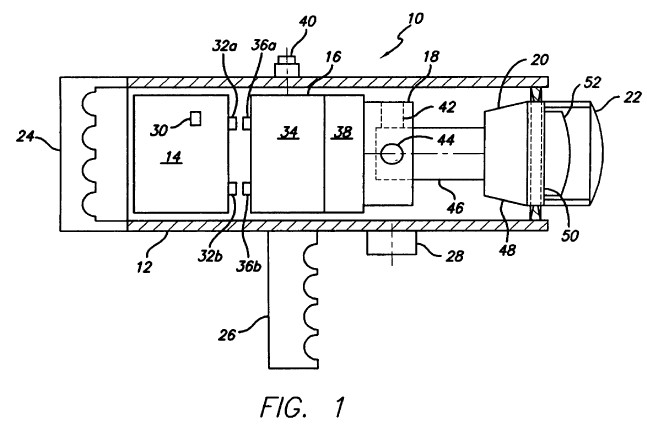
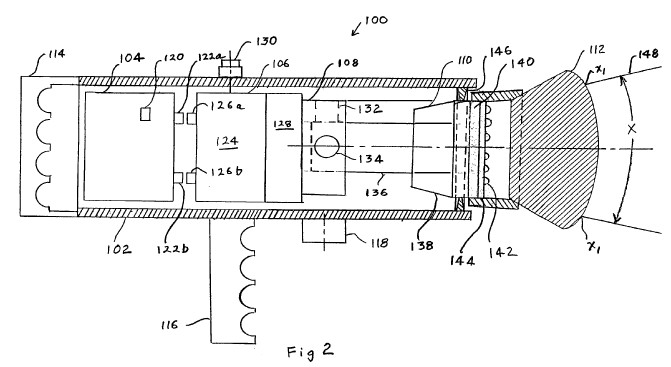
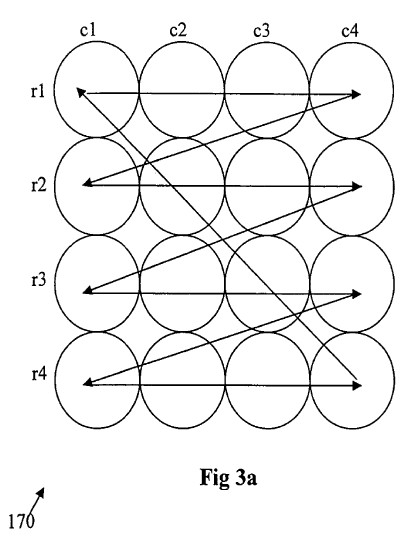
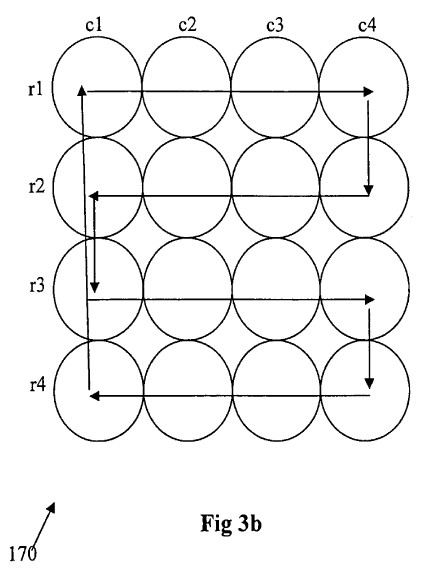
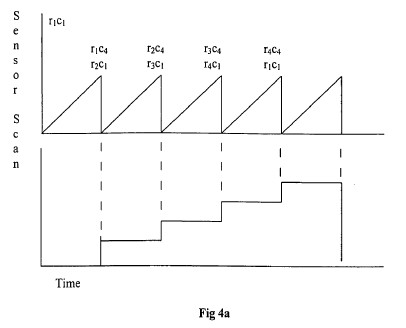
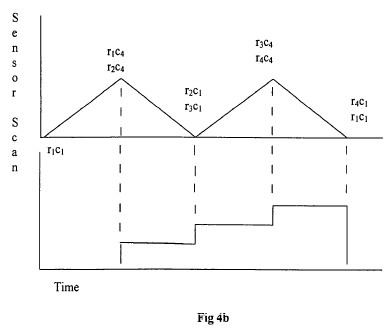
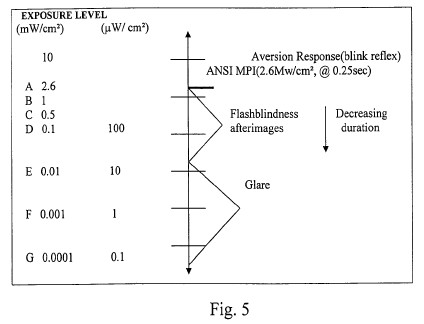
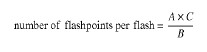
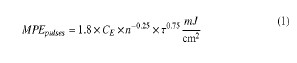
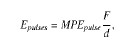
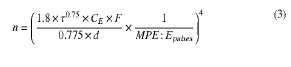
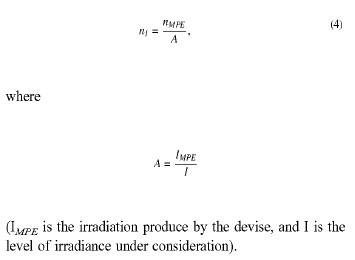
The LED Incapacitator (also called the Incapacitating Flashing Light Apparatus) uses an array of LEDs or laser diodes that are spatially scanned and temporally flashed in a programmed pattern. The combination of rapid temporal flashing and spatial scanning creates a high-irradiance field that, when viewed, can cause nausea, vertigo, or temporary visual impairment. A range-finder measures the distance to the target's eyes, allowing the device to adjust flash parameters for maximum effect while staying within the Maximum Permissible Exposure (MPE) limits.
Principles
- Temporal stroboscopic flashing
- Spatial beam scanning
- Maximum Permissible Exposure (MPE) compliance
- LED/laser diode illumination
- Patterned flash sequencing
Scientific Domains
Mechanisms of Action
- Rapid flash rates induce visual flicker leading to disorientation
- Spatial scan covers a target area preventing escape from the effect
- Irradiance above visual discomfort threshold causes nausea and vertigo
- Temporal-spatial pattern prevents adaptation
Energy Sources
Applications
- Law-enforcement crowd control
- Military non-lethal engagement
- Security checkpoint deterrence
Claimed Performance
Prototype (15 in x 4 in) can induce nausea and disorientation at distances up to ~15 inches; next-generation version aims for belt-size (D-cell Maglite) with comparable effect.
Experimental Evidence
No quantitative data are provided; the article cites Technology Review observations that the light causes disorientation, vertigo, and nausea, but no peer-reviewed studies or measured performance metrics are included.
Limitations
- Effectiveness varies between individuals
- Mitigation possible by looking away or wearing tinted glasses
- Current prototype size is larger than desired portable form factor
- Regulatory limits on eye exposure (MPE) restrict power levels
Red Flags
- Potential for misuse as a weapon
- Lack of peer-reviewed experimental data
- Claims of a universal "evil color" without scientific justification