Goal
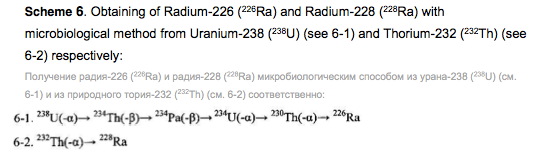
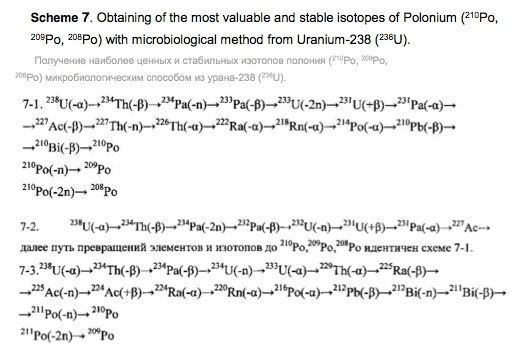
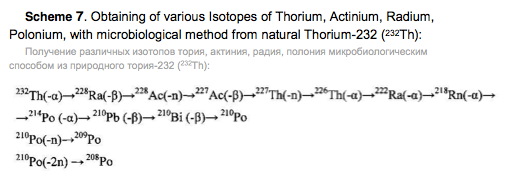
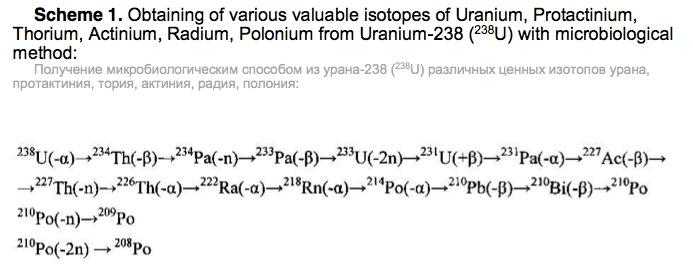
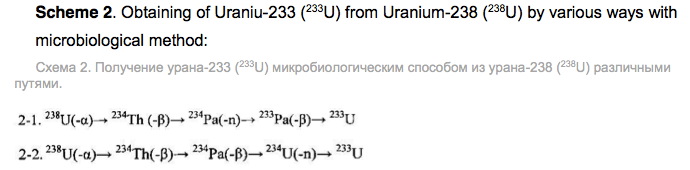
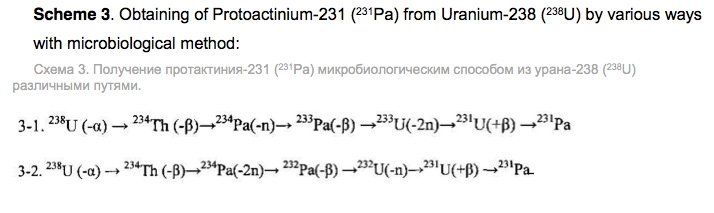
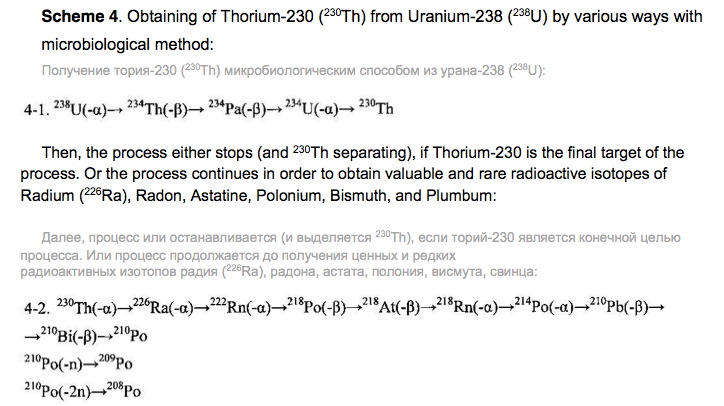
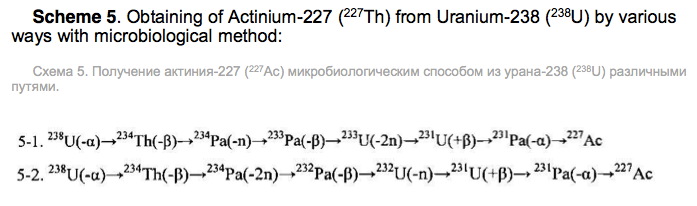
To transmute chemical elements and isotopes biologically, producing valuable radioactive and stable isotopes without nuclear reactors.
Problem
Need for rare and valuable elements and isotopes and safe, low-cost disposal of radioactive waste without complex nuclear facilities.
Concept Summary
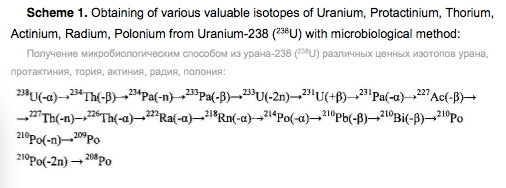
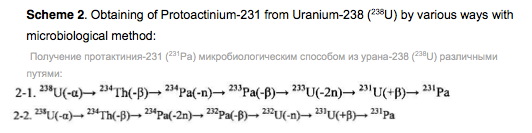
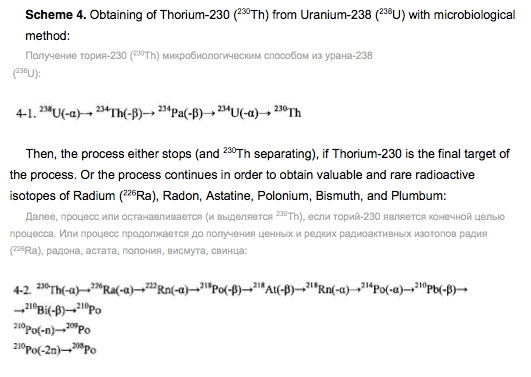
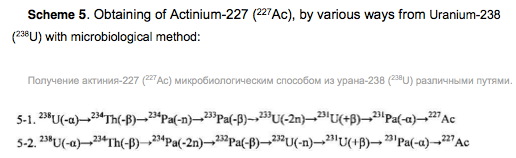
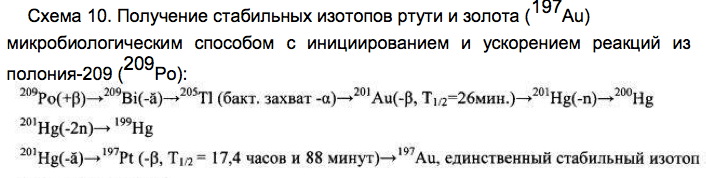
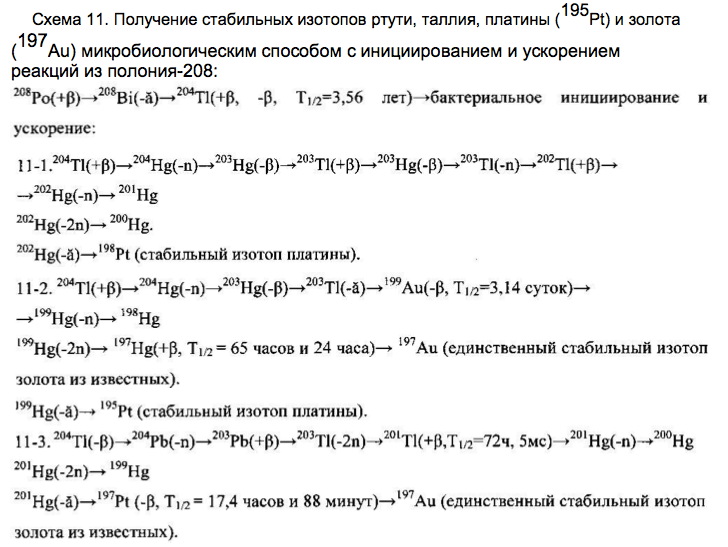
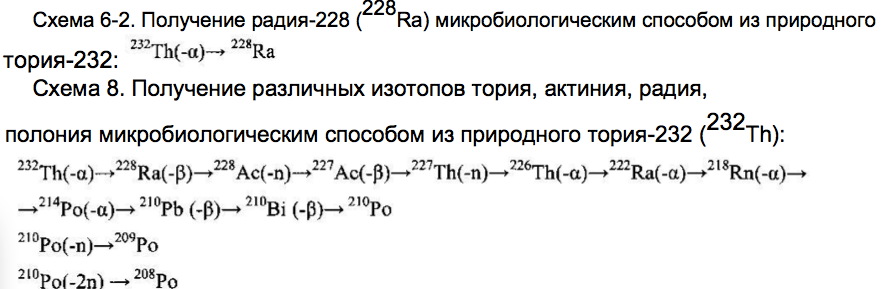
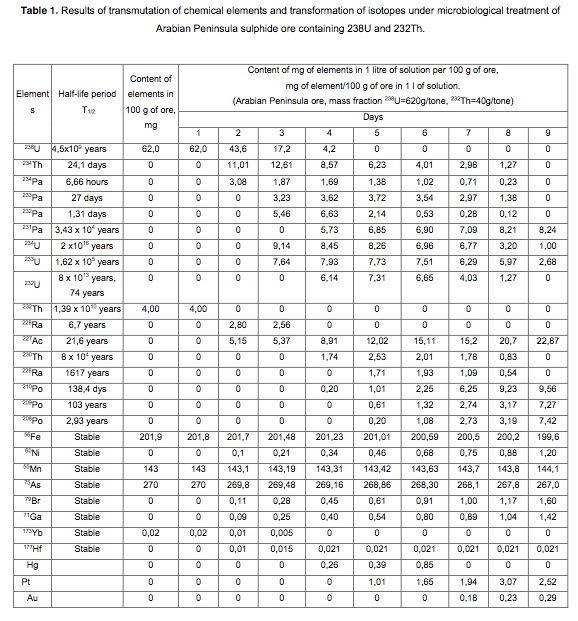
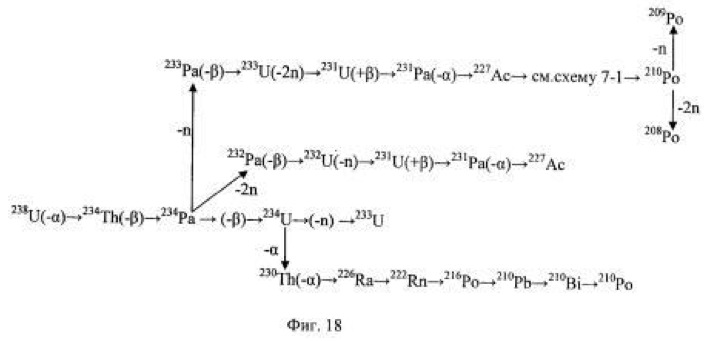
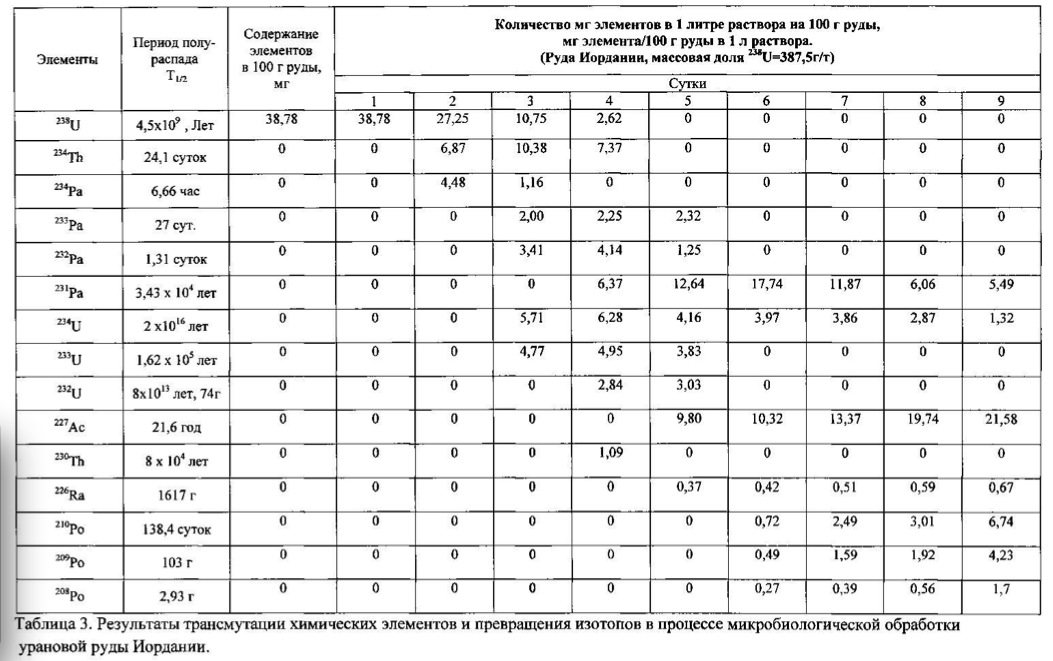
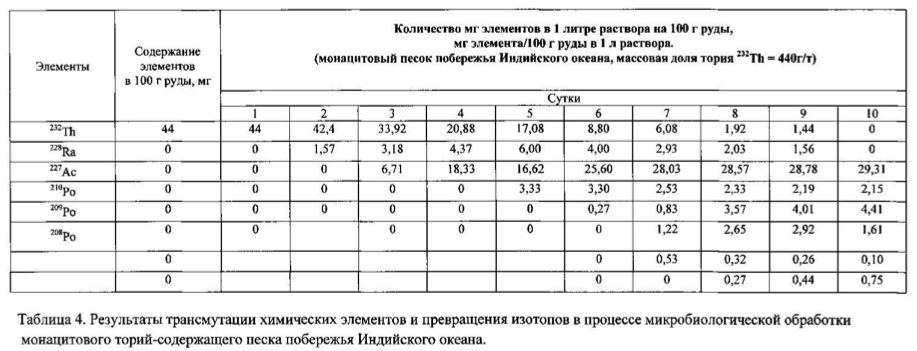
A patented biotechnological method uses an aqueous suspension of Thiobacillus bacteria together with a feedstock of radioactive ore or waste and a set of variable-valence metals (e.g., iron). The bacteria create a high redox potential (400-800 mV) that allegedly accelerates nuclear decay pathways, converting the feedstock into a range of valuable elements (polonium, gold, uranium, etc.) and their isotopes. The process is claimed to run in closed vessels for two-to-three weeks, yielding industrial-scale quantities.
Principles
- High redox potential induced by bacteria
- Bacterial metabolism of sulfide-reducing Thiobacillus species
- Acceleration of alpha, beta-minus and beta-plus decay
- Variable-valence metal catalysis
Scientific Domains
Materials
- Thiobacillus bacteria (sulphur-reducing species)
- Radioactive ore or nuclear waste
- Iron (Fe)
- Vanadium (V)
- Chromium (Cr)
- Manganese (Mn)
- Cobalt (Co)
- Nickel (Ni)
- Copper (Cu)
- Zinc (Zn)
Mechanisms of Action
- Bacterial redox reactions create an electrochemical environment that influences nuclear decay rates
- Interaction of valence metals with isotopic nuclei under redox conditions
- Biochemical conversion of radioactive isotopes to stable isotopes
Energy Sources
Applications
- Production of rare and valuable elements for industry
- Neutralization of radioactive waste
- Supply of medical isotopes
- Energy sector material recovery
Claimed Performance
High-yield production of target elements in industrial quantities within a few months; process runs for 2-3 weeks per batch.
Experimental Evidence
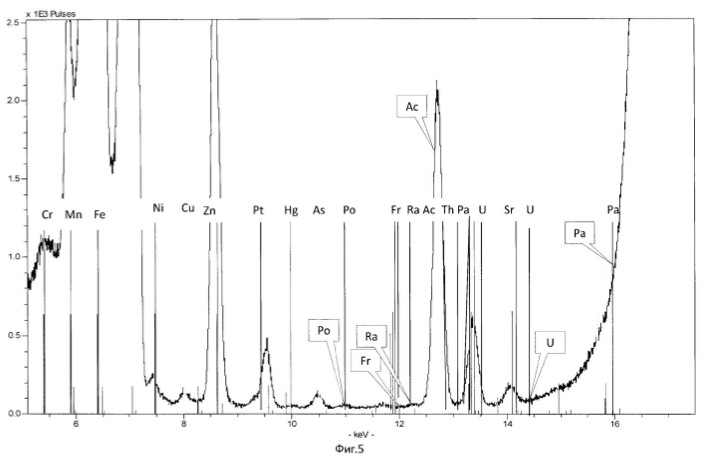
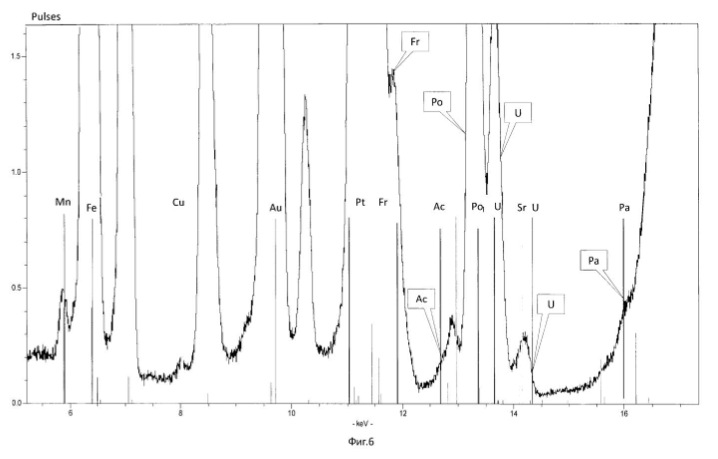
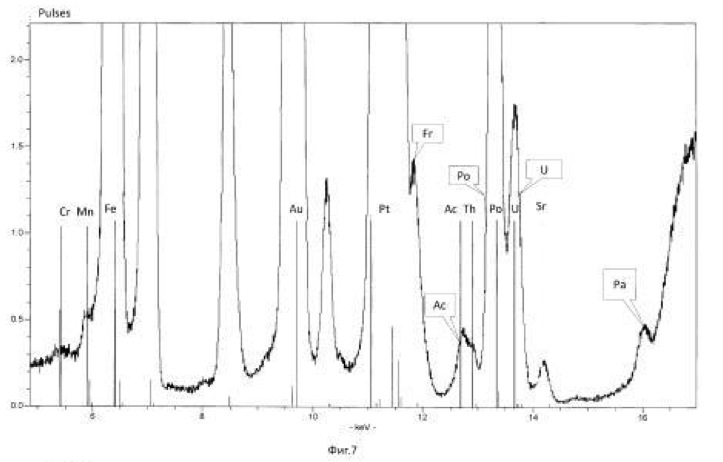
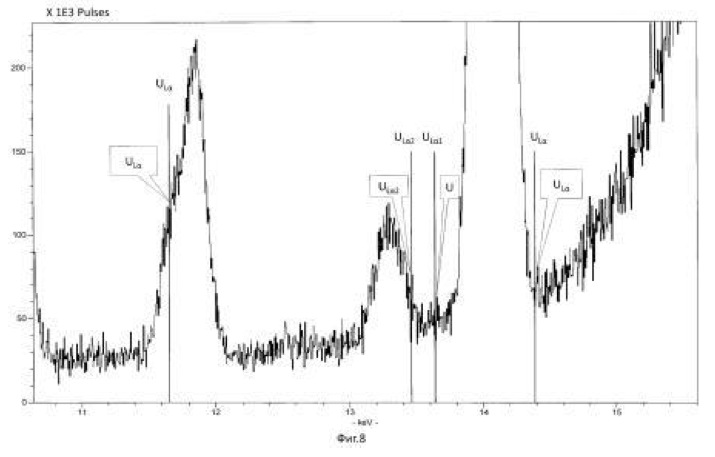
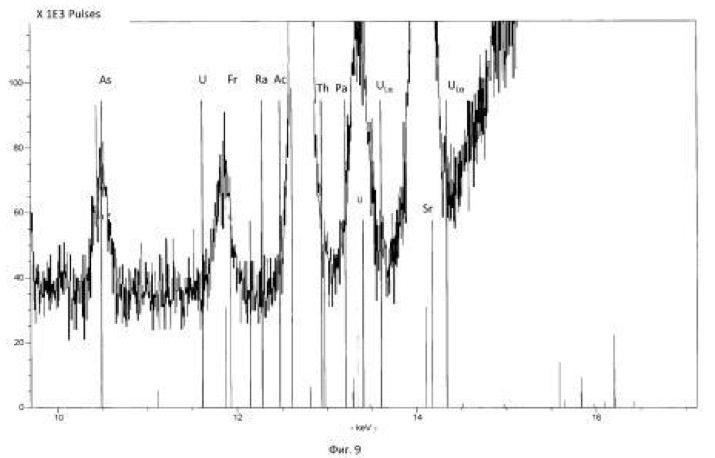
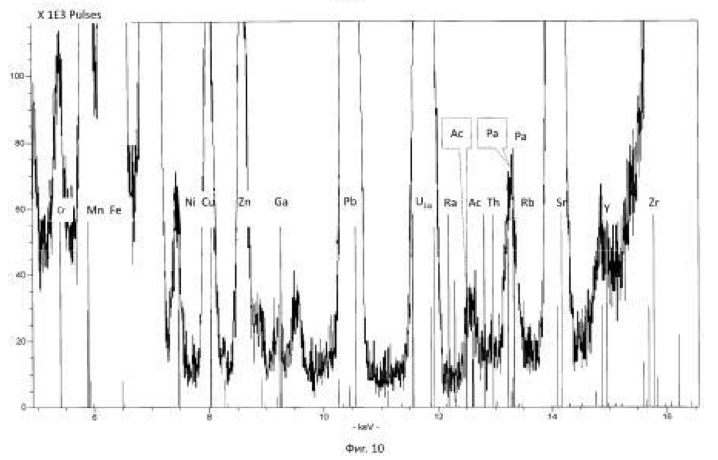
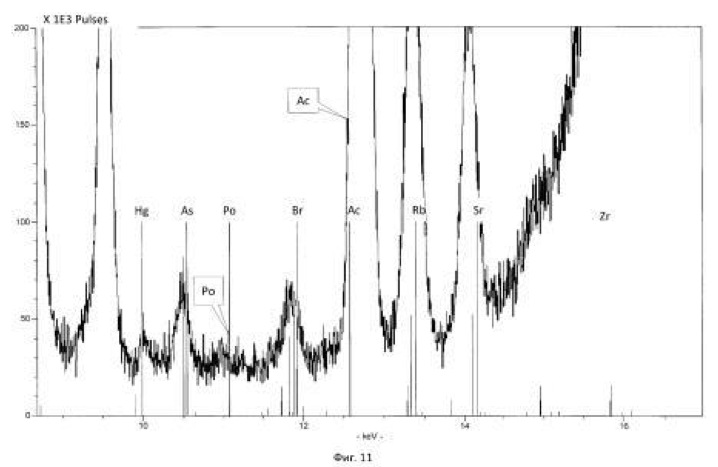
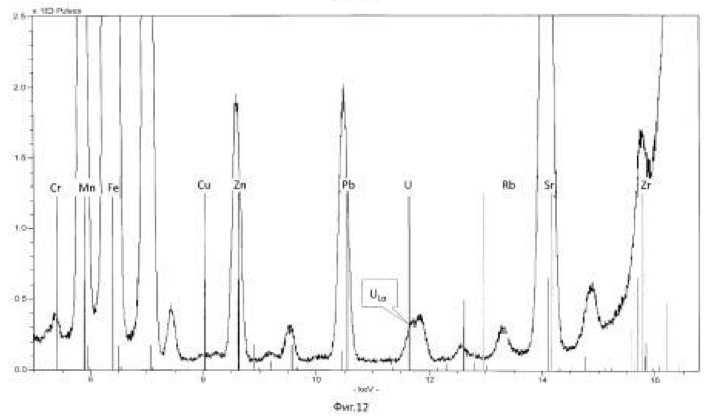
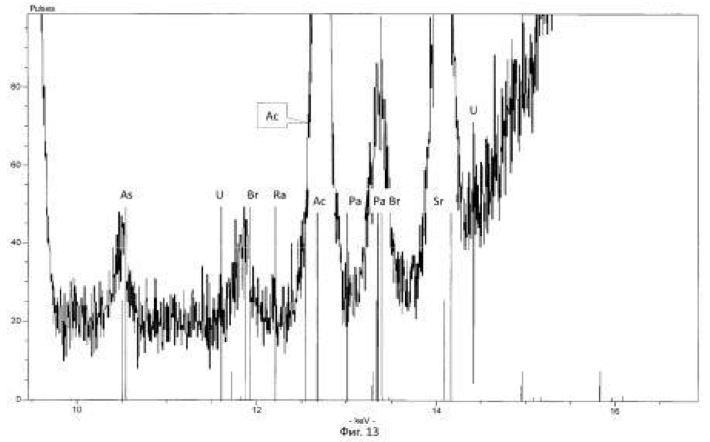
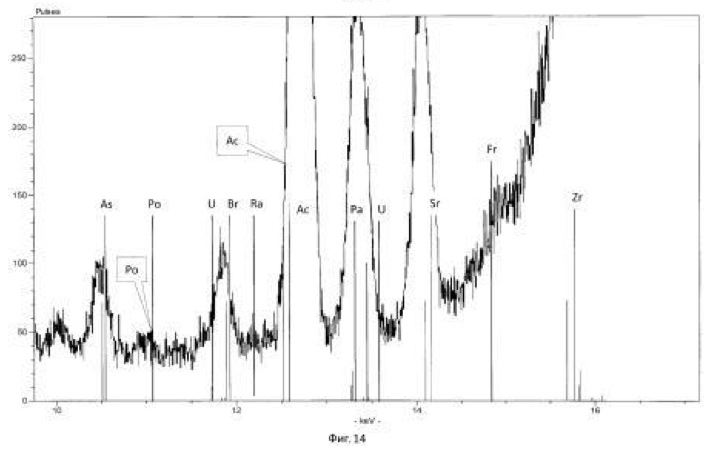
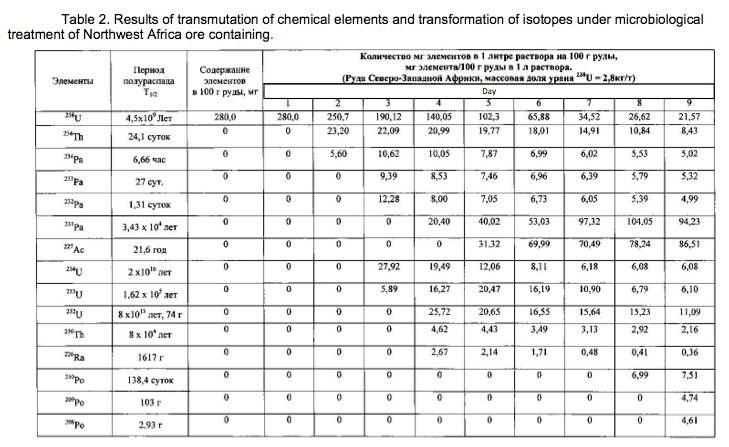
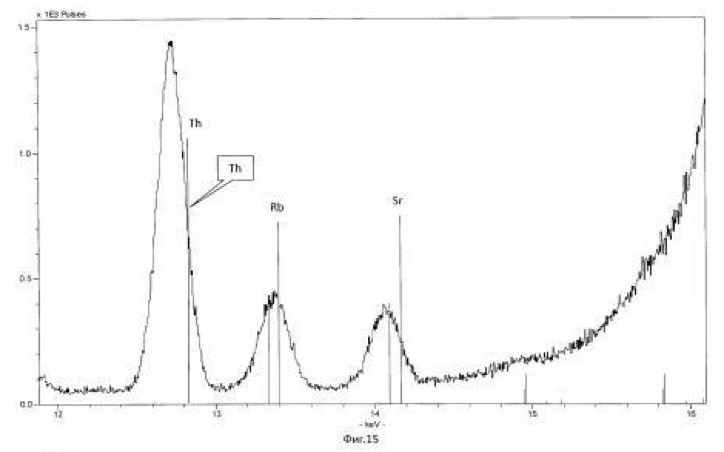
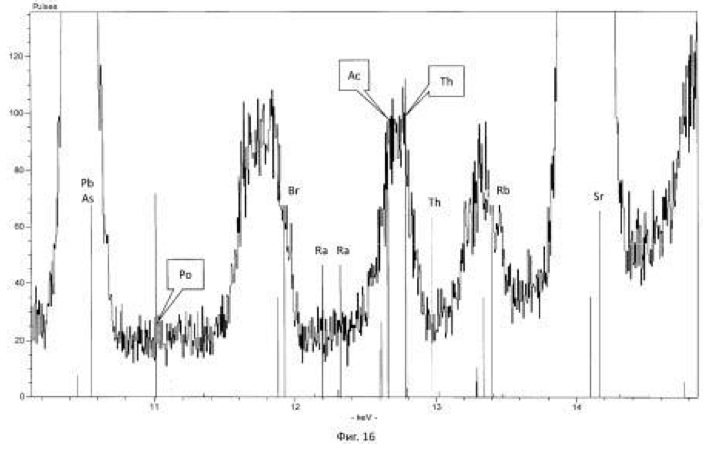
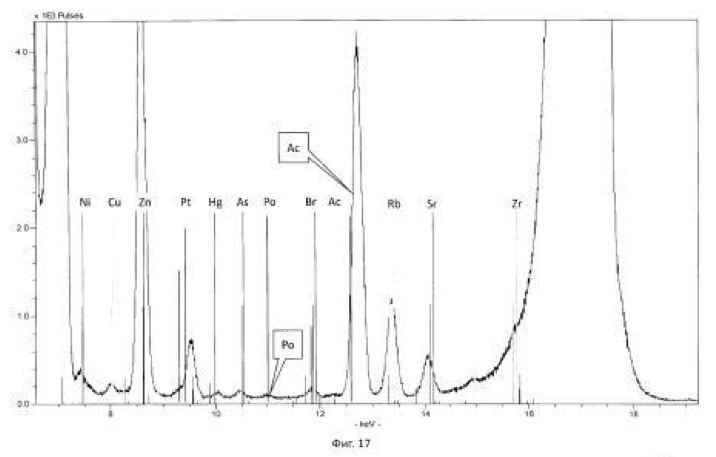
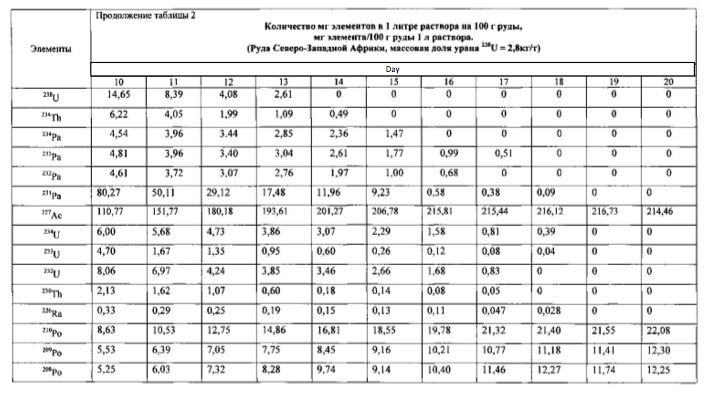
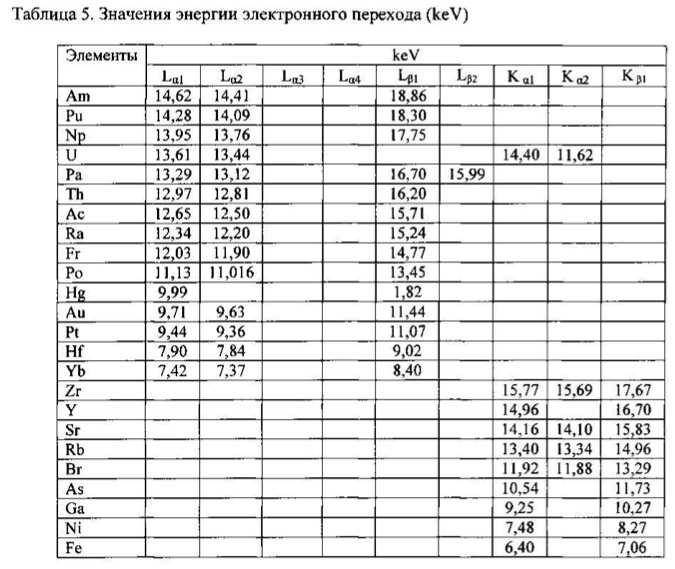
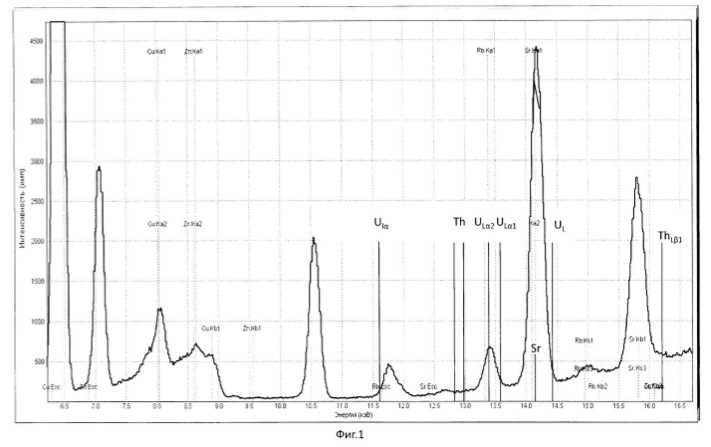
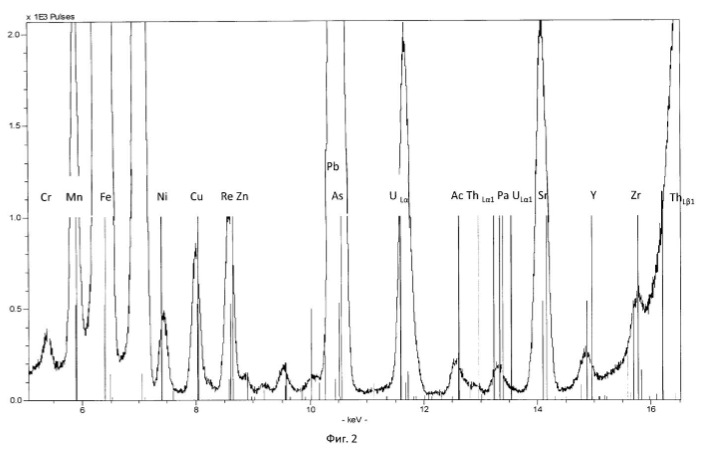
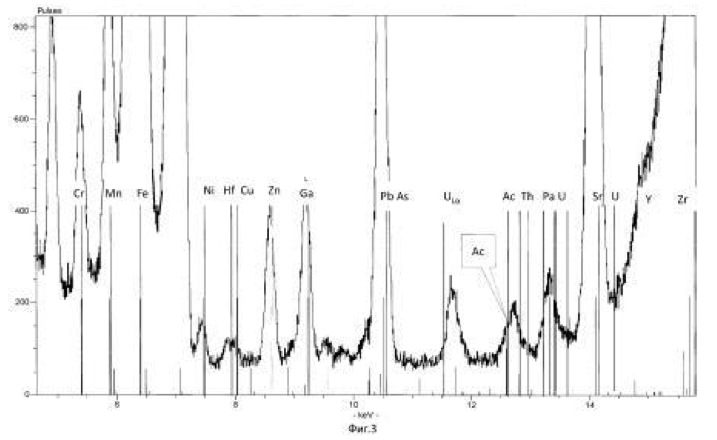
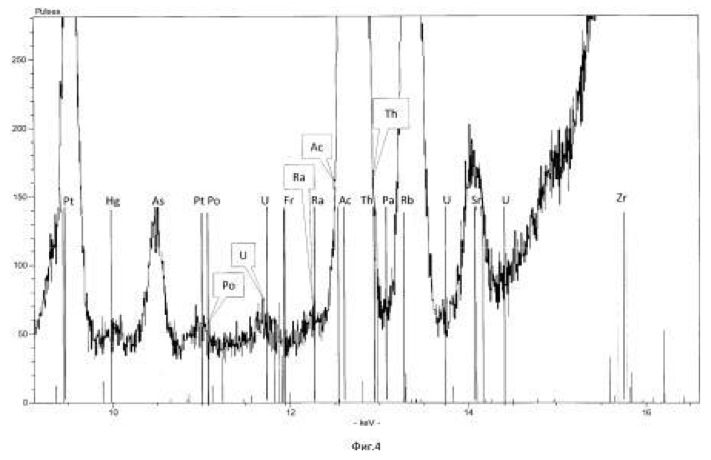
The inventors state that "hundreds of successful experiments" were performed in 2013 and that "analysis of the isotopic composition of elements by mass spectrometry" confirmed the results.
Replication Status
No independent replication reported; claims are based on inventor-provided data.
Limitations
- Lack of peer-reviewed, independent data
- Scalability and process control not demonstrated
- Potential regulatory hurdles for handling radioactive material
Red Flags
- Extraordinary claim of nuclear transmutation without reactors
- No published scientific validation or replication
- Potential for commercial hype or fraud