Goal
Produce a low-cost, nutrient-rich liquid fertilizer that can be applied via irrigation to improve crop yields, especially on saline soils.
Problem
High cost and limited availability of synthetic and organic fertilizers; waste of vegetable/grass residues; reduced yields on saline soils.
Concept Summary
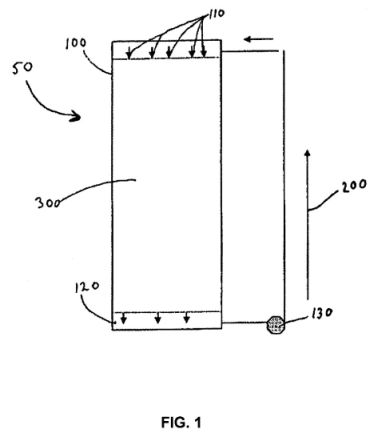
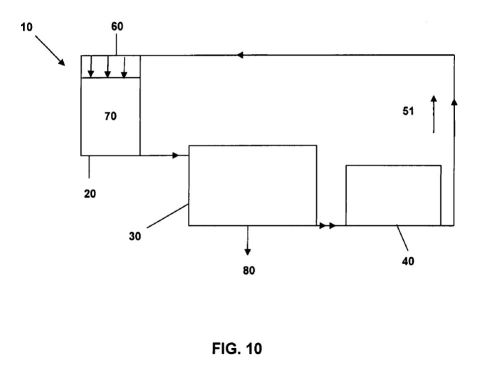
A two-phase process that uses successive extraction and accelerated bio-leaching of organic waste (e.g., grass clippings, vegetable market waste) with a bacteria-laden leachate. The leachate hydrolyzes and acidifies the organic material, releasing nutrients into a liquid solution that can be concentrated (heat or solarization) and applied through drip irrigation.
Detailed Description
The invention comprises a first-phase container holding packed plant matter and a leachate distribution system with a recirculation pump. Bacterial cultures are added to water to form a leachate that is periodically recirculated through the solid bed, promoting hydrolysis and acidification of the organic substrate. After a set period the leachate is extracted and transferred to a second-phase container where it is heated (~=80 deg F) or solarized to concentrate nutrients without loss. The resulting liquid, containing about 6.35 % nitrogen, can be mixed directly into irrigation water or drip lines. The process can be performed with minimal pre-treatment, uses low-grade heat, and the final product is odor-reduced. Laboratory and greenhouse experiments showed a 23 % increase in Chile pepper yields and improved plant growth under saline conditions.
Principles
- Accelerated bio-leaching
- Hydrolysis
- Acidification
- Successive extraction
- Solarization
Scientific Domains
Materials
- Grass clippings
- Vegetable market waste
- Alfalfa
- Water
- Bacterial inoculum (soil microbes)
Mechanisms of Action
- Microbial breakdown of organic matter
- Solubilization of nitrogen, phosphorus, potassium
- Reduction of soil salinity effects
- Concentration of nutrients by controlled heating
Energy Sources
Applications
- Organic agriculture
- Irrigation-based fertilization
- Soil salinity mitigation
- Low-cost fertilizer for smallholder farms
Claimed Performance
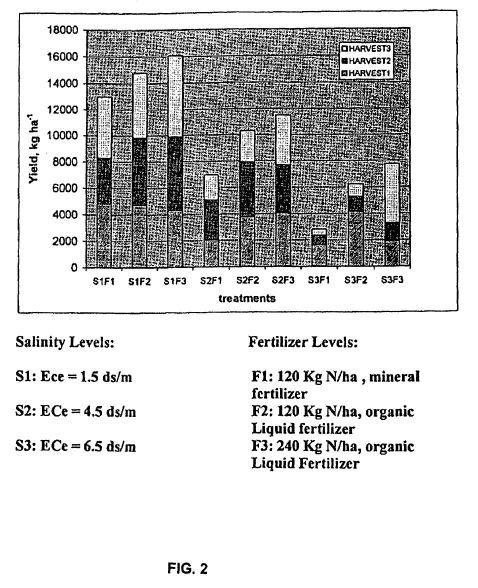
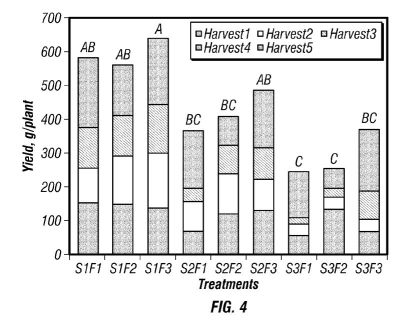
Yield increase of 23 % for green chile in greenhouse trials; nitrogen concentration of 6.35 % in the concentrated product; cost reduction from $7,000 / acre (fish fertilizer) to $300 / acre; odor reduction during production.
Experimental Evidence
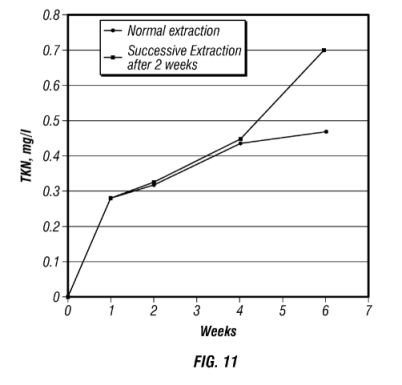
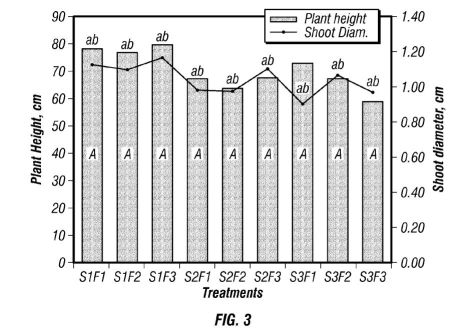
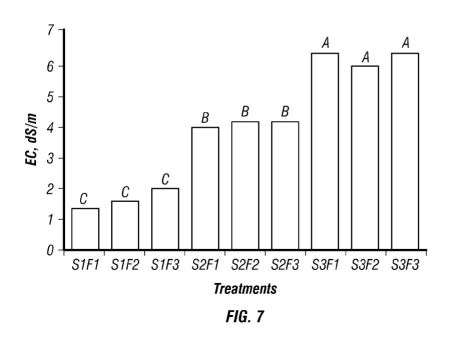
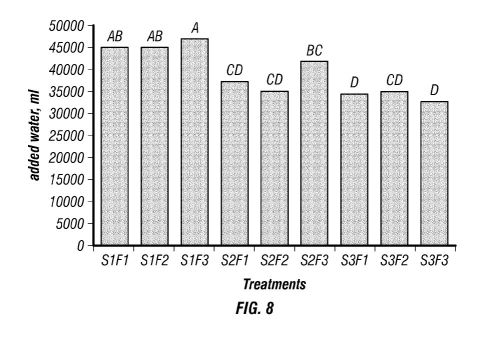
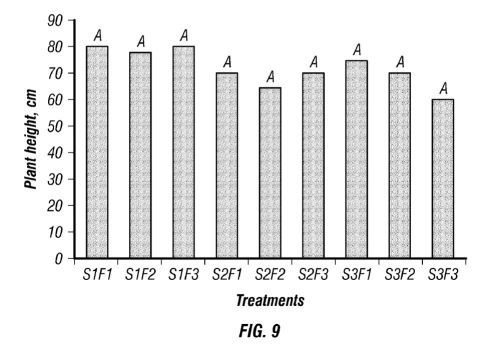
Greenhouse experiments comparing the liquid fertilizer to a control showed statistically significant increases in plant height, shoot diameter, total yield, and water-use efficiency, especially under high-salinity conditions. Graphs (Figures 2-10) illustrate yield improvements and nitrogen content over time.
Limitations
- Requires controlled heating or solarization for concentration
- Dependence on bacterial activity which may vary with temperature
- Scale-up to large farms not yet demonstrated