Goal
Achieve very high speed with low fuel consumption, stealth (low sonar/radar signature), and high maneuverability for military and rescue missions.
Problem
Swarm attacks by small boats, piracy, coastal defense, fuel inefficiency of conventional marine vessels, and the need for rapid response in maritime security.
Concept Summary
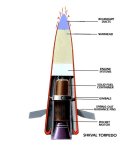
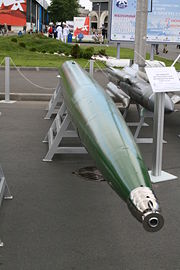
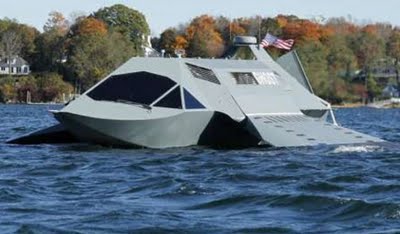
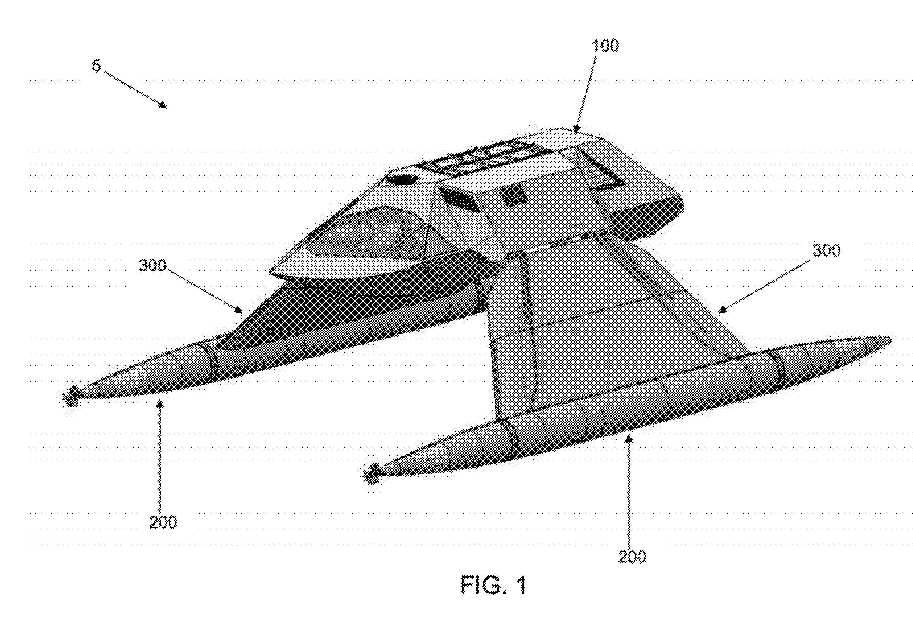
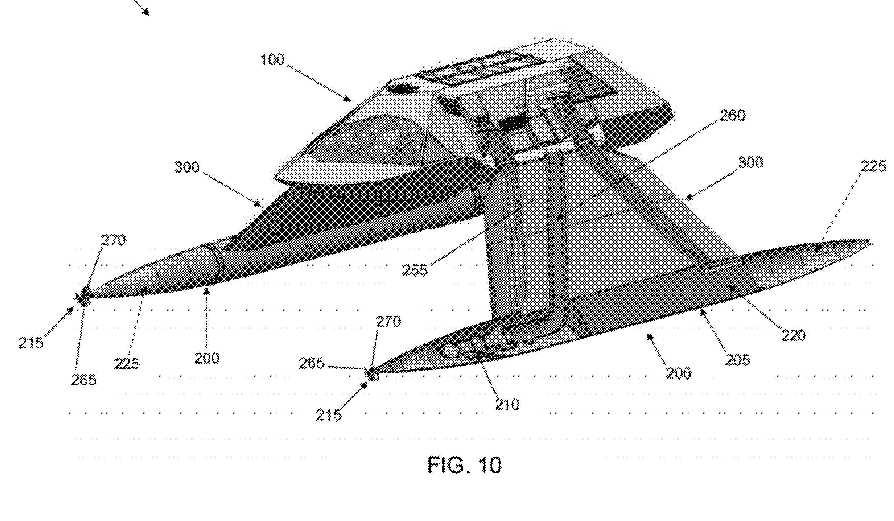
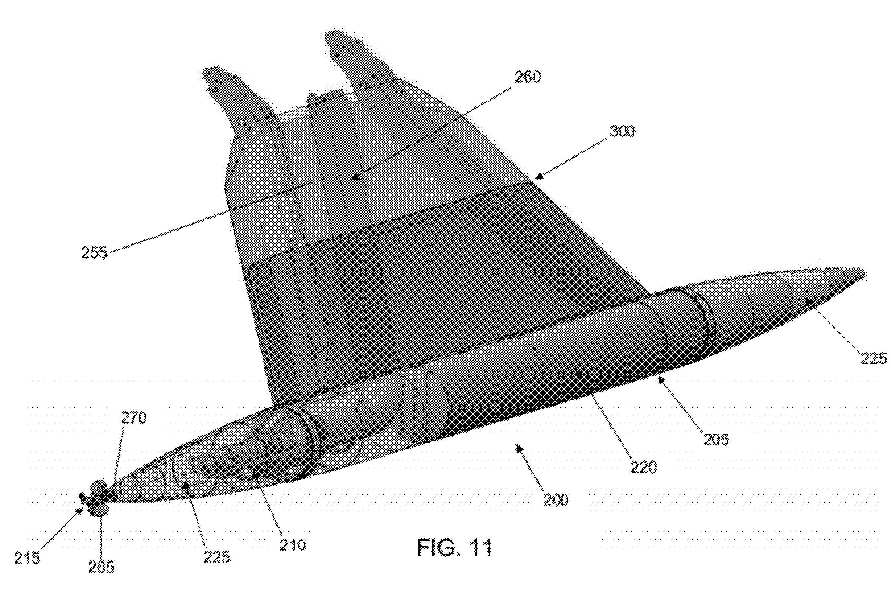
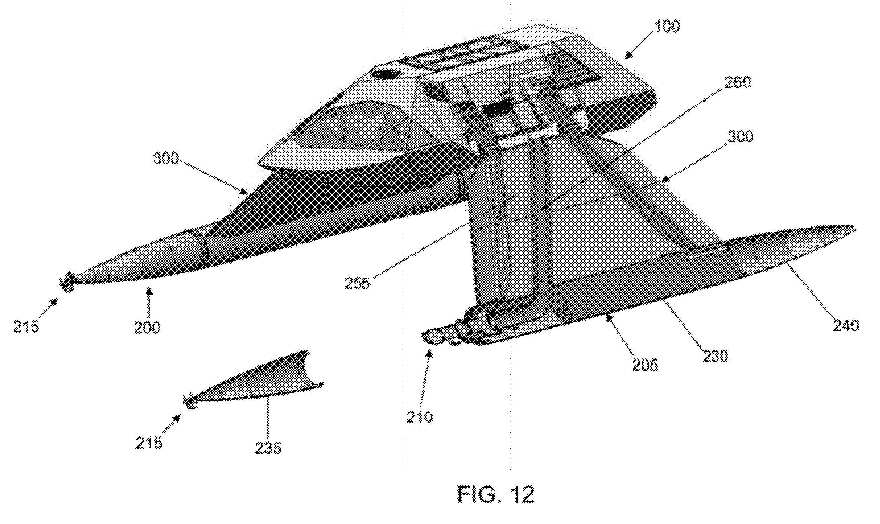
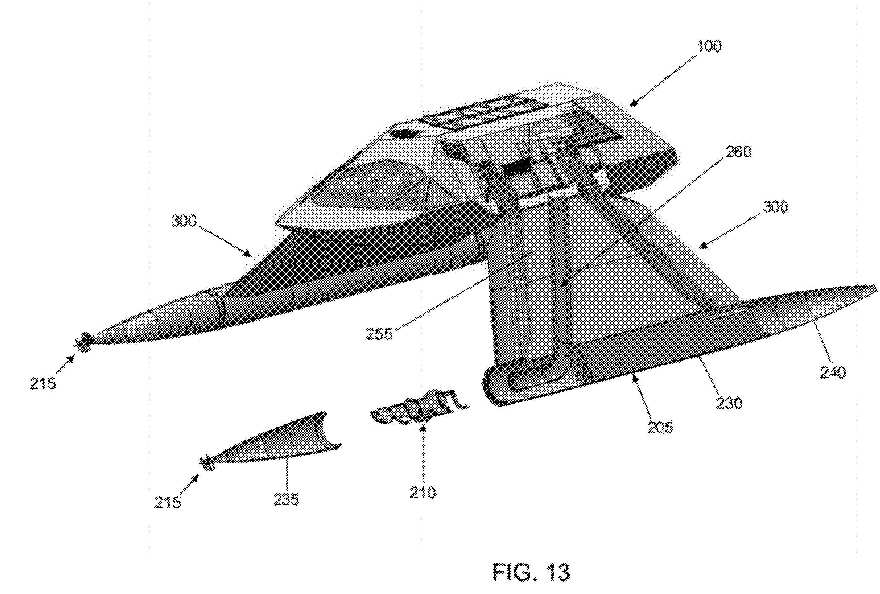
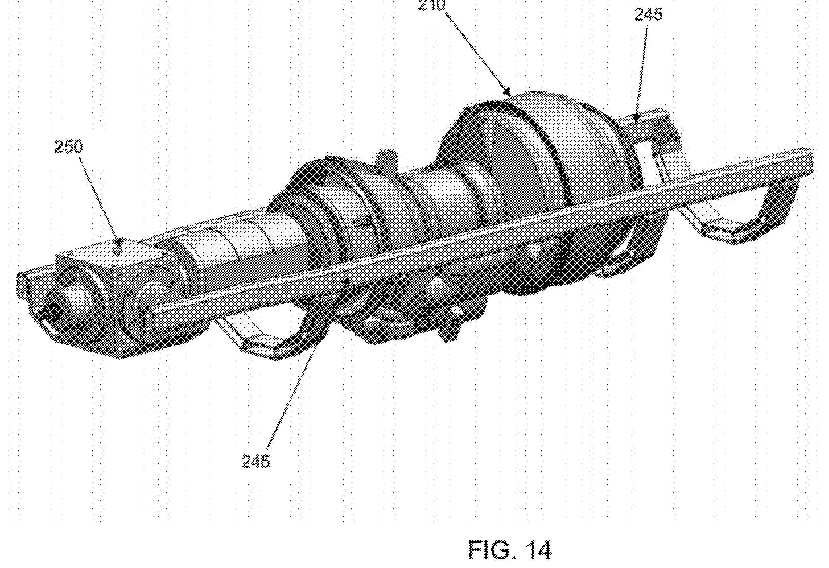
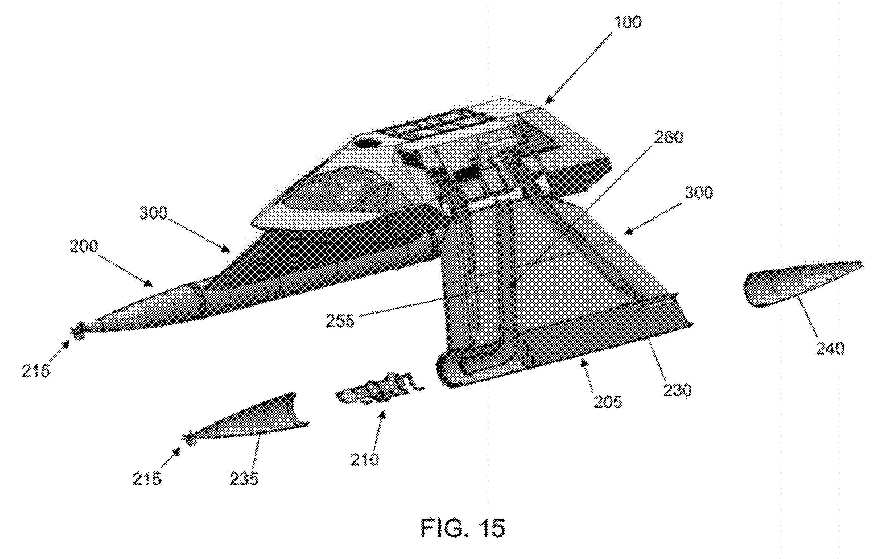
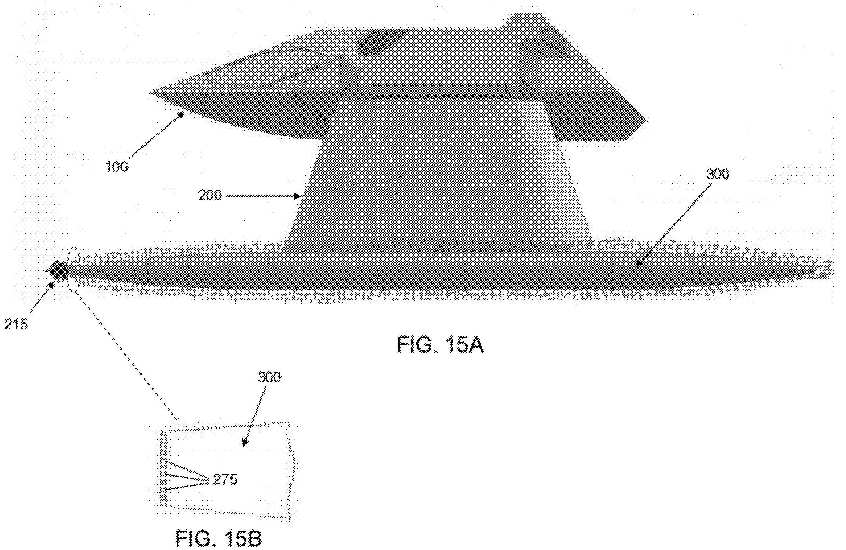
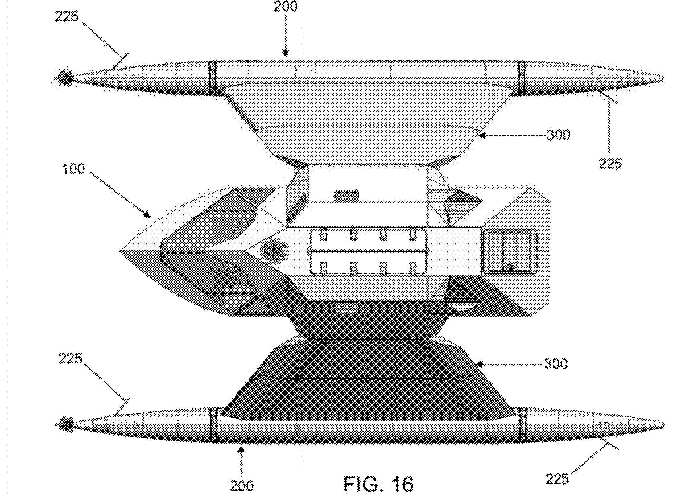
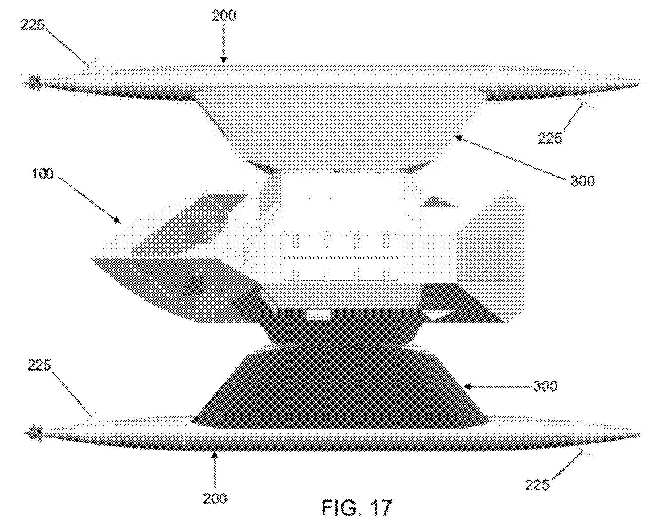
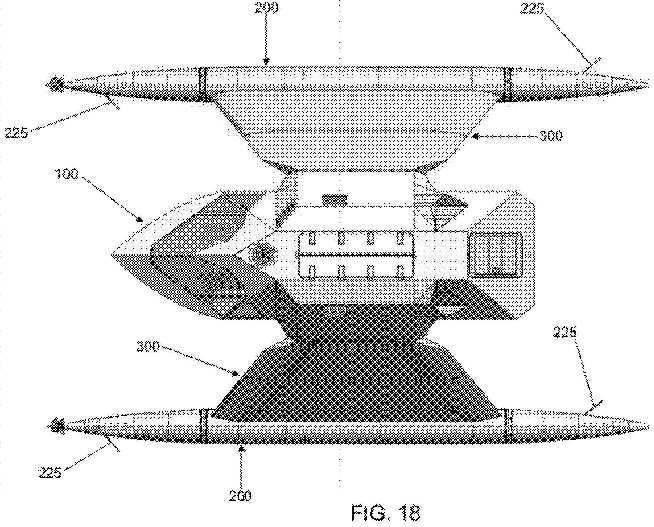
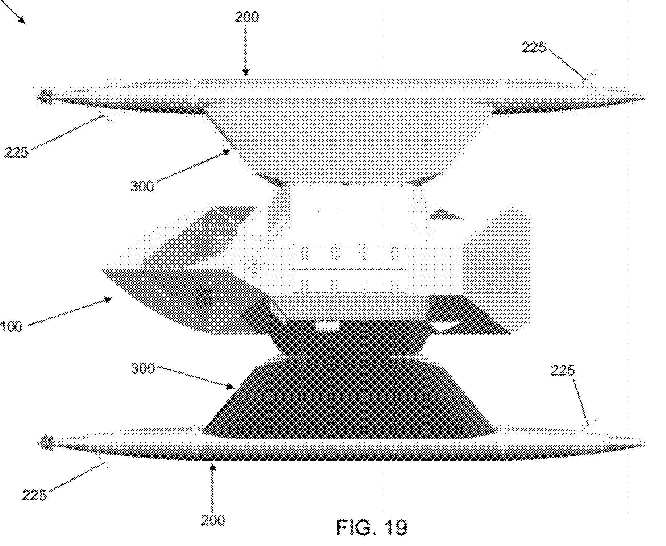
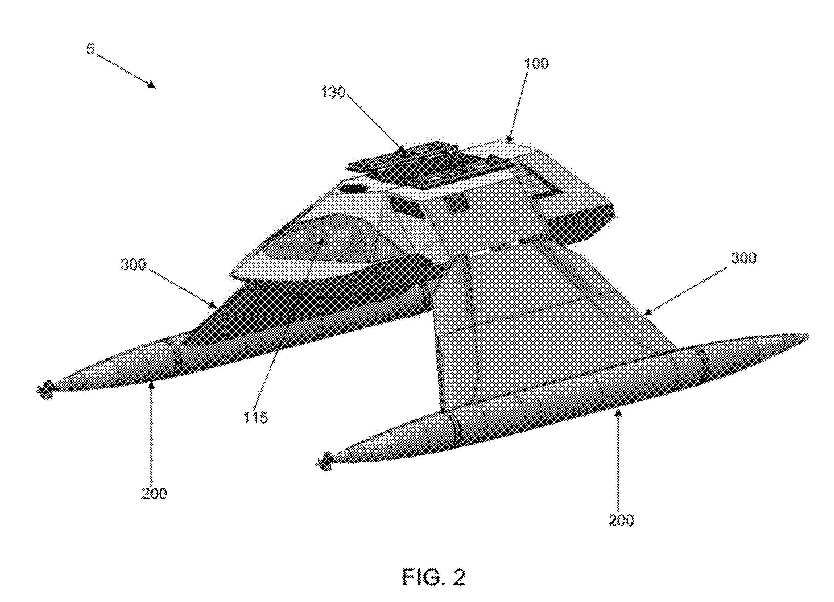
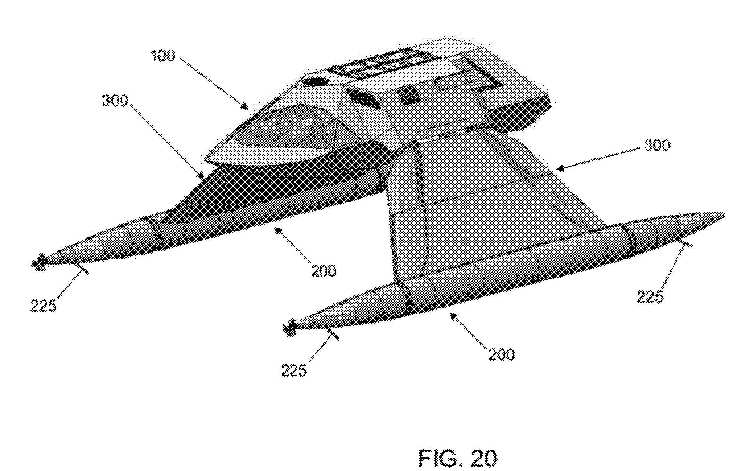
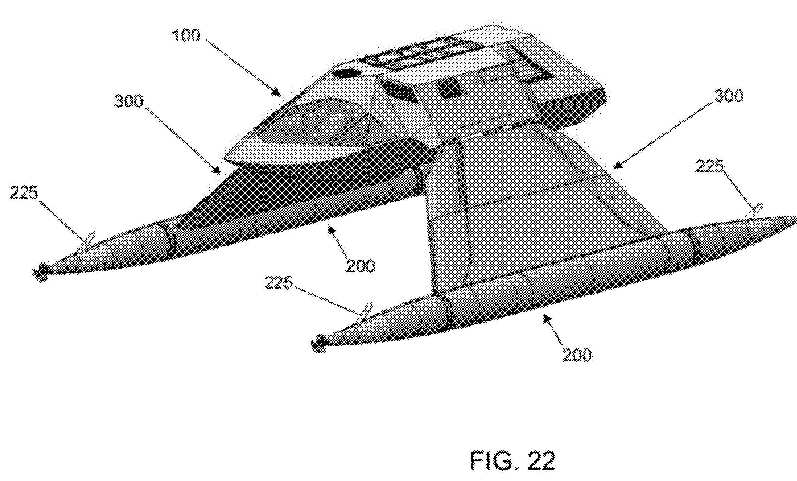
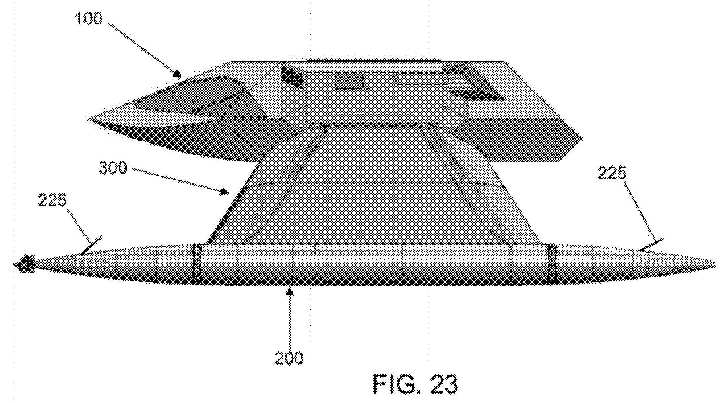
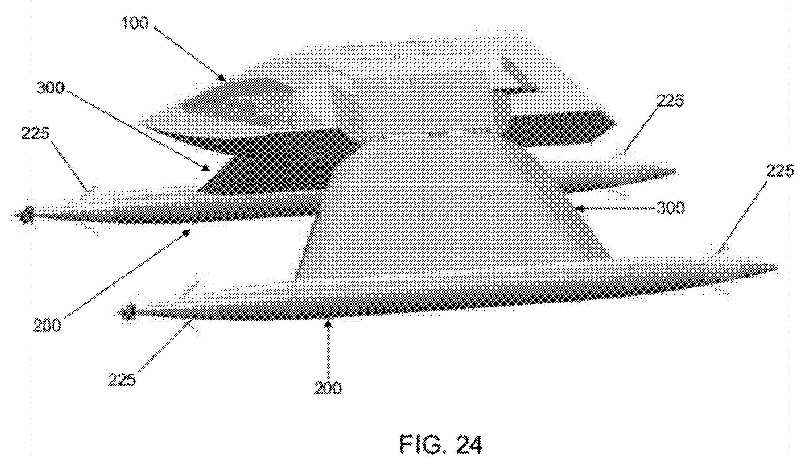
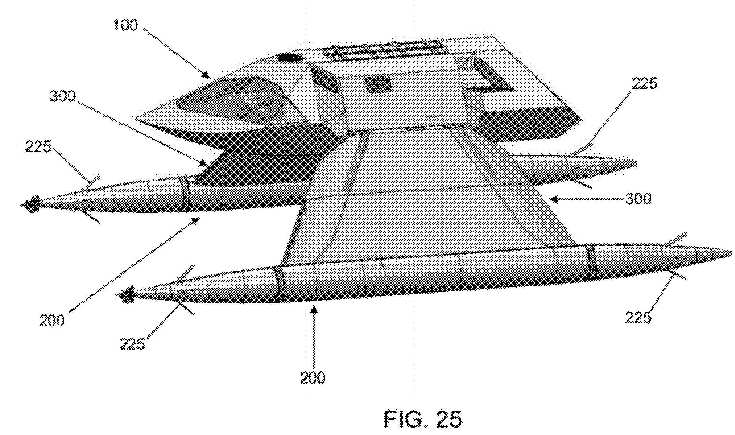
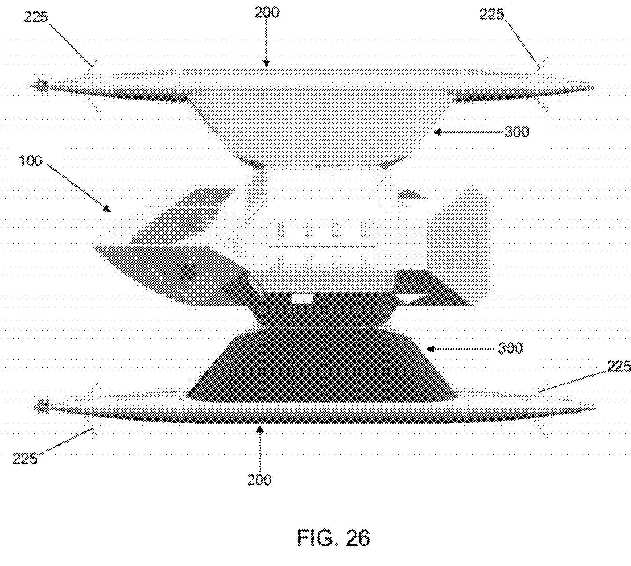
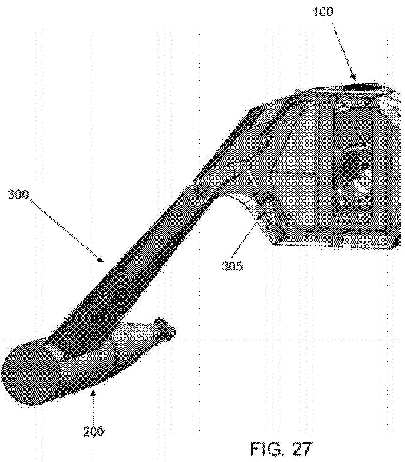
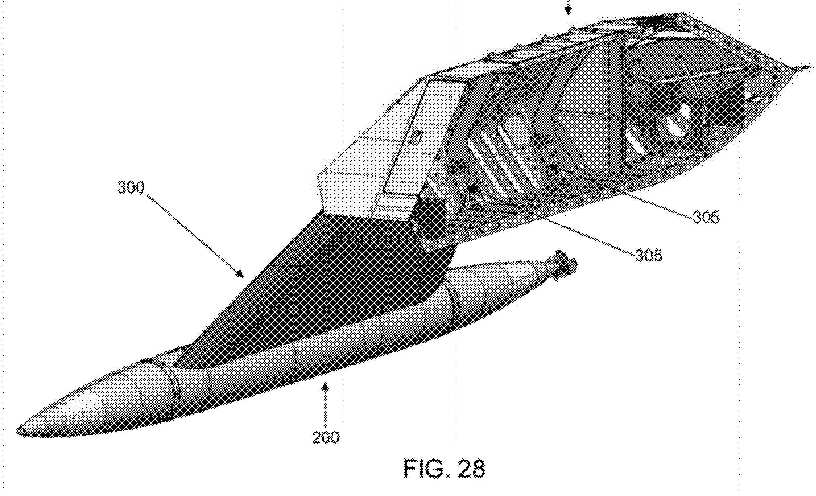
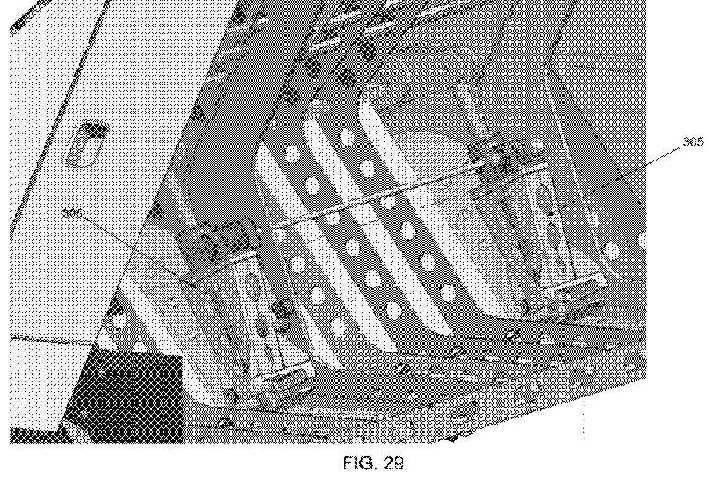
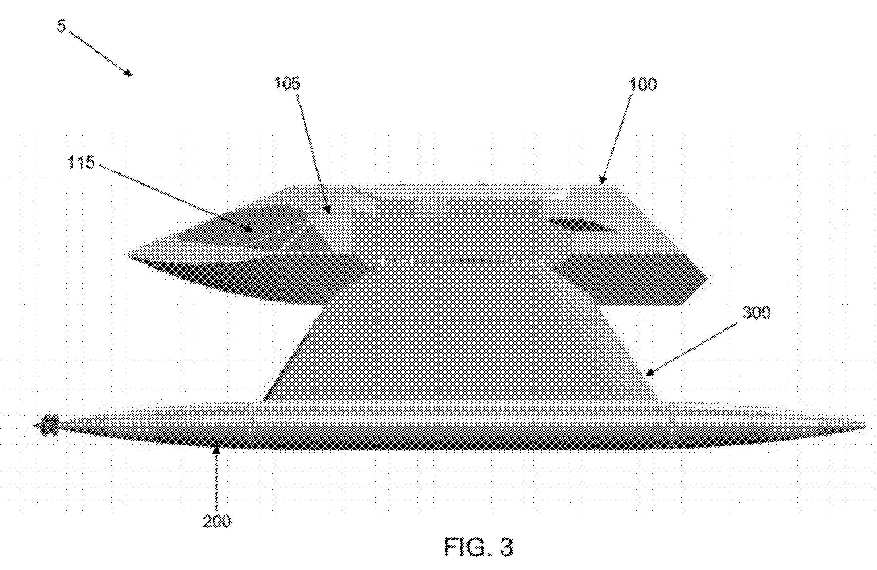
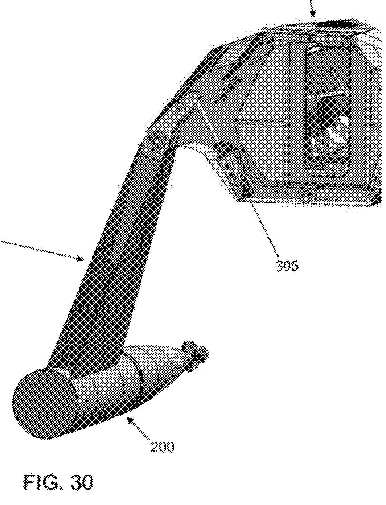
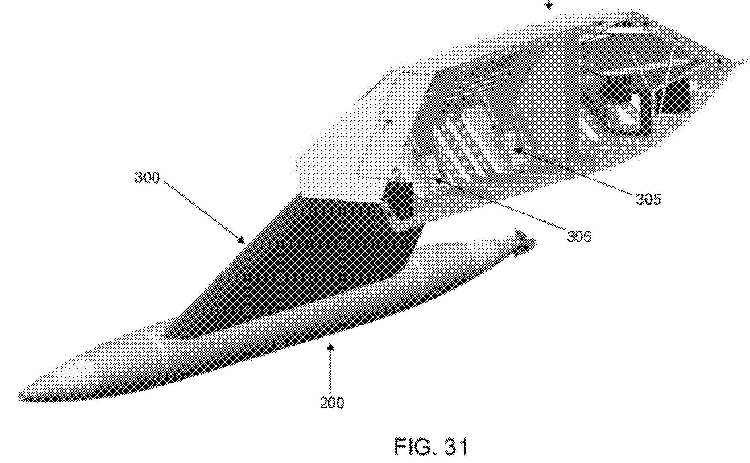
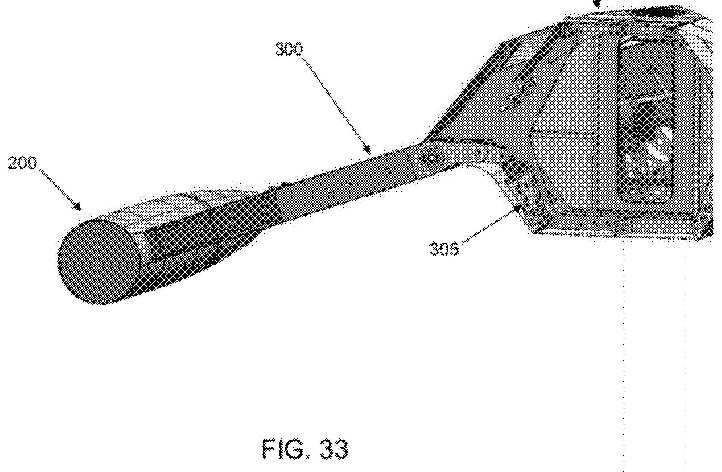
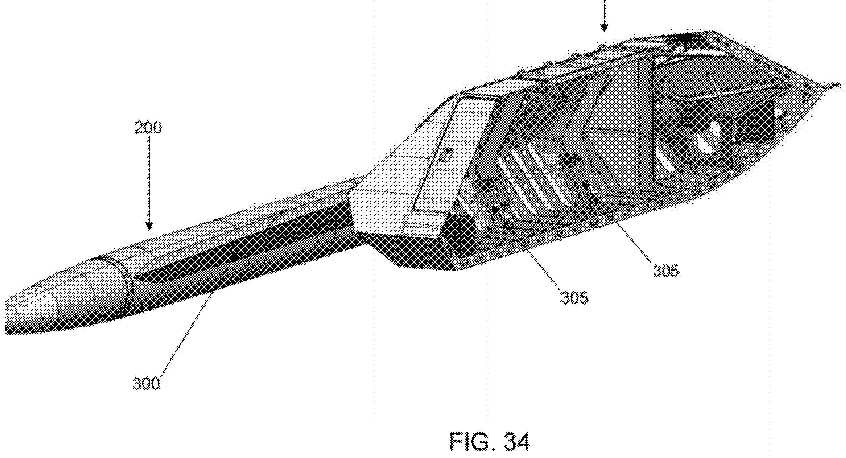
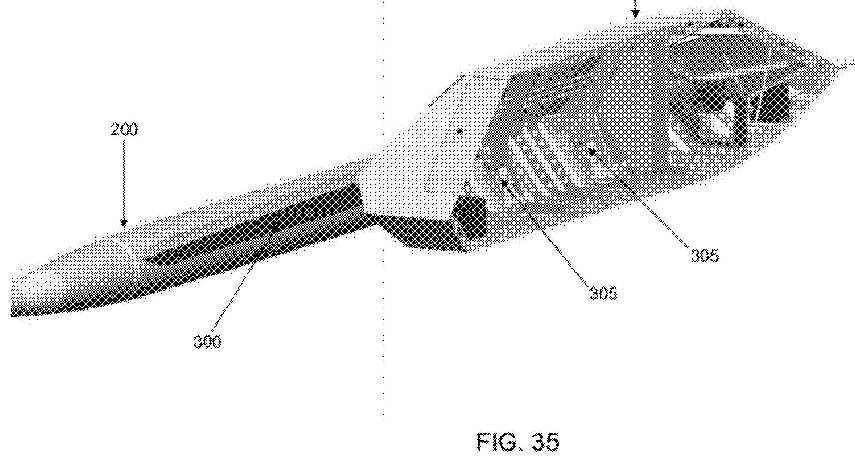
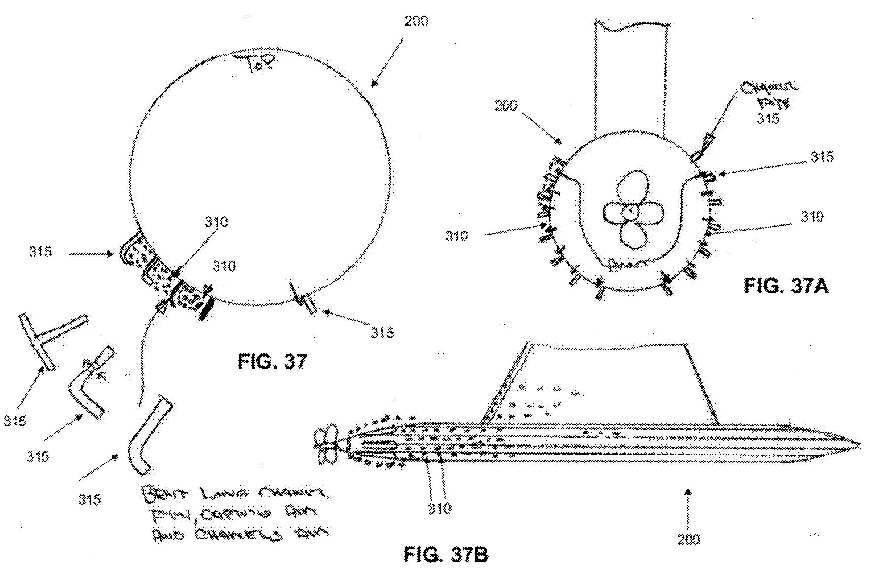
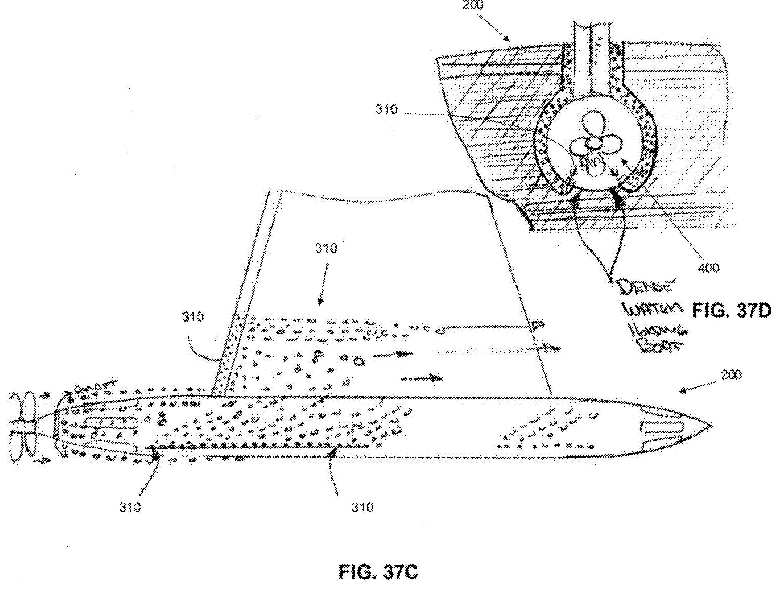
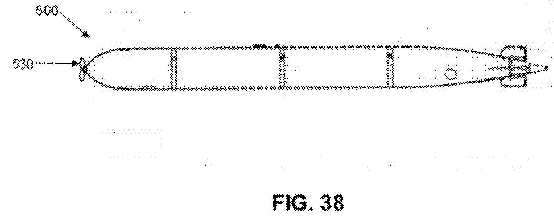
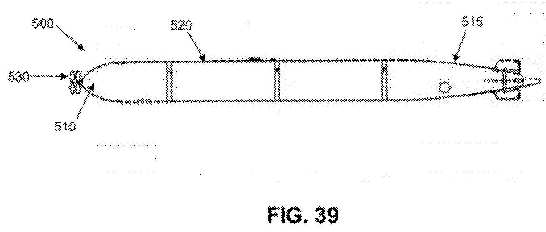
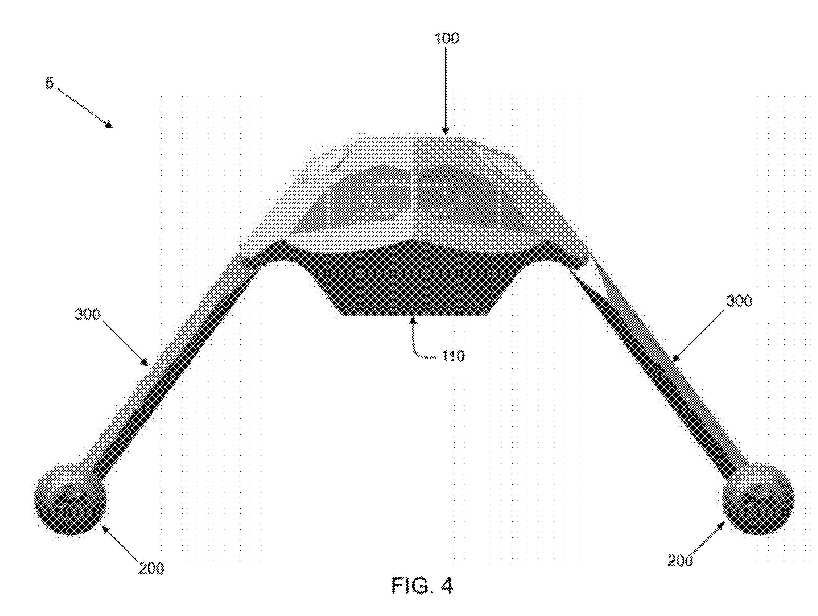
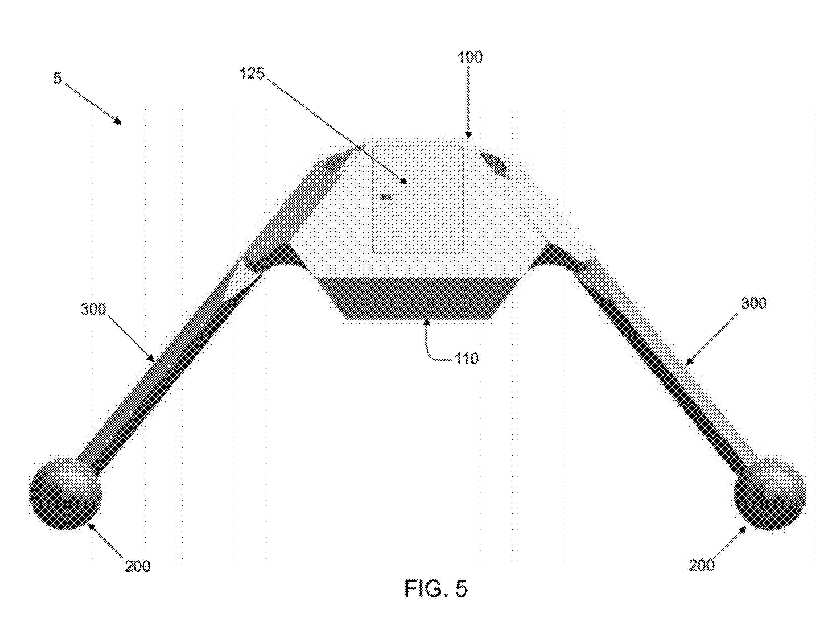
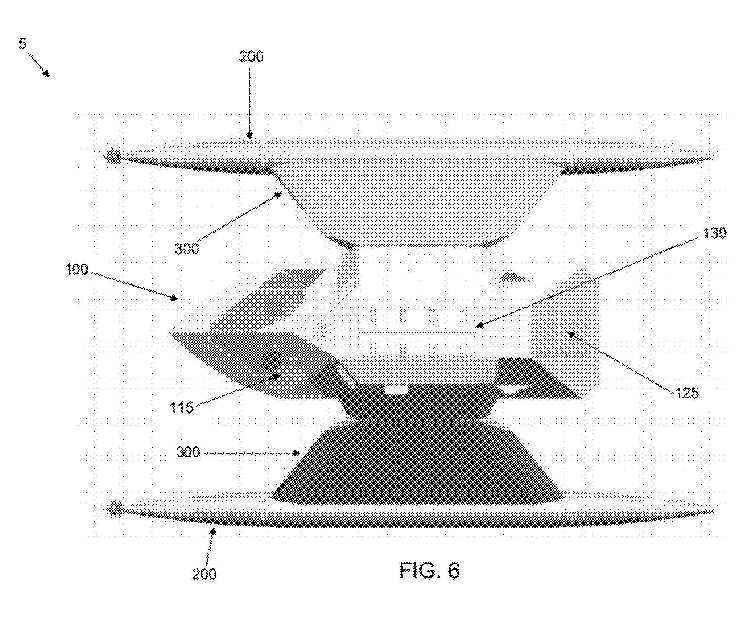
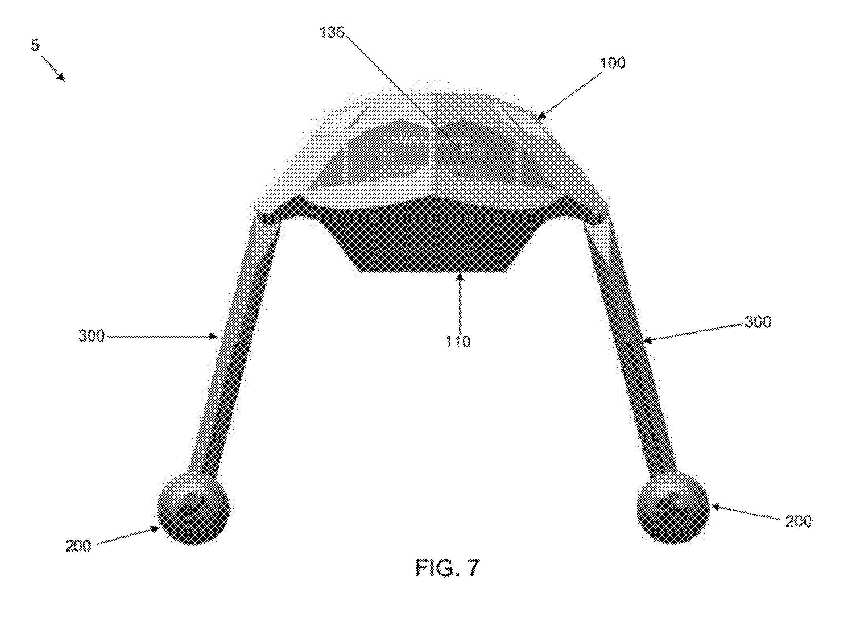
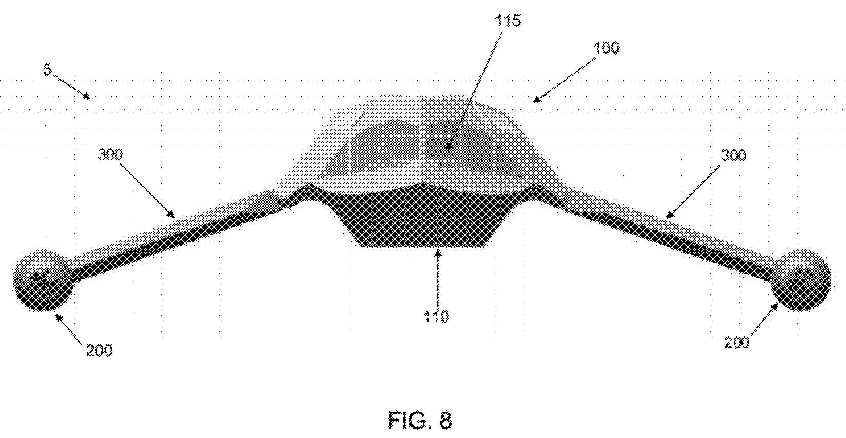
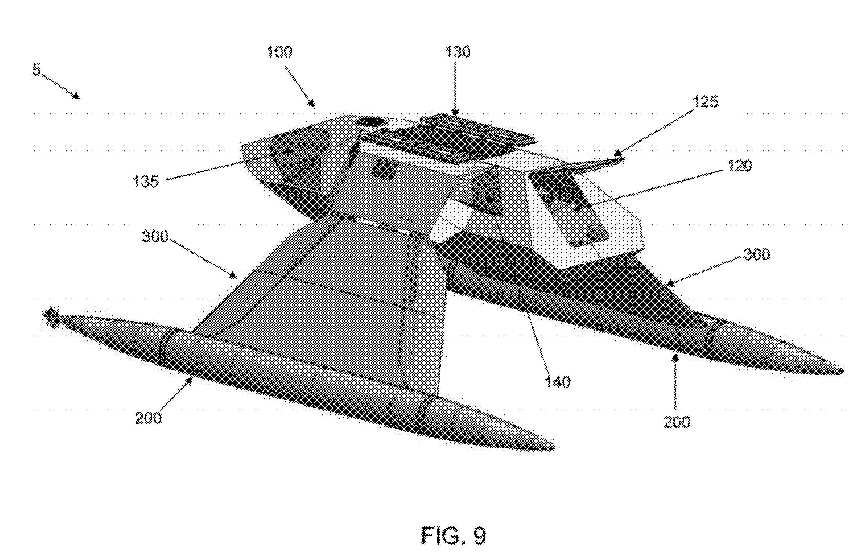
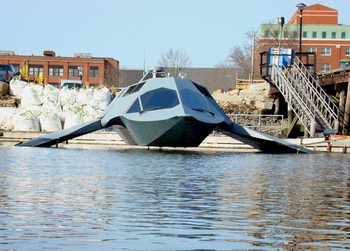
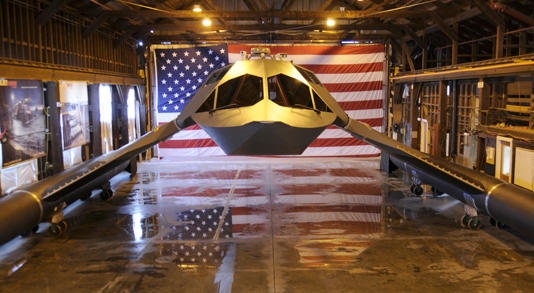
The Ghost is a supercavitating marine craft that rides on two torpedo-shaped foils that generate a gaseous bubble layer (supercavitation) around the hull, dramatically reducing friction. Each foil houses a modified gas-turbine/jet engine that drives a propeller, producing thrust and also boiling water to sustain the bubble. Adjustable struts and movable flaps provide control and stability, while the command module stays above water.
Detailed Description
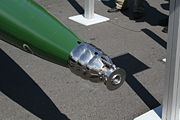
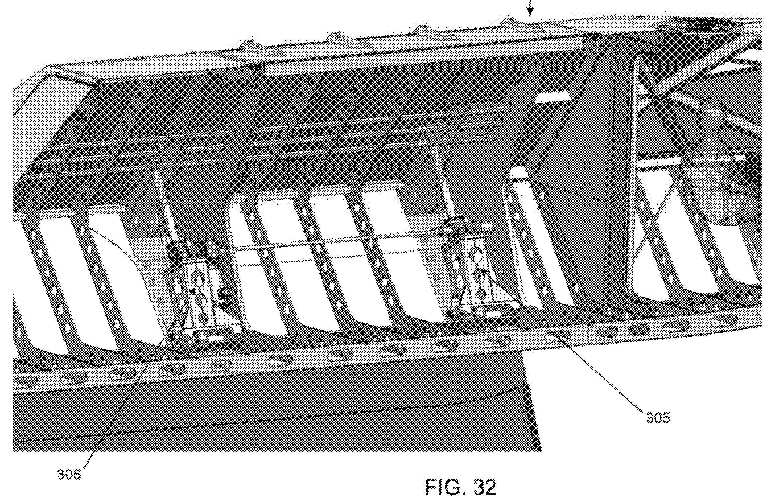
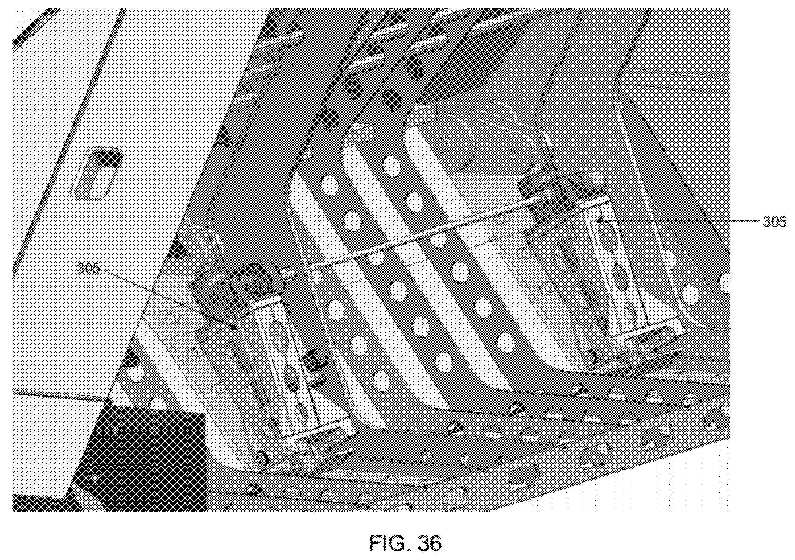
The craft consists of a cockpit module above water suspended between two submerged torpedo-shaped foils. Each foil contains a gas-turbine jet engine; the propeller at the front pulls the craft forward, creating a thin layer of vapor that envelops the foil (supercavitation). Air-trap fins and flaps maintain the bubble and allow steering. The propulsion system allegedly yields ~30 % more thrust than conventional propellers. The prototype weighs ~60,000 lb, carries 18 personnel, and is claimed to reach 80-100 knots. The vehicle is computer-controlled and includes mufflers for low acoustic signature.
Principles
- Supercavitation (bubble layer reducing hull friction)
- Gas-turbine/jet engine propulsion
- Steam generation from boiled water
- Adjustable struts and movable flaps for control
- Computer-controlled navigation
Scientific Domains
Mechanisms of Action
- Creation of a gaseous bubble cavity around the foils
- Propeller thrust combined with steam-generated vapor
- Dynamic adjustment of foil angle and flaps for stability
- Air-trap fins to retain vapor layer
Energy Sources
Applications
- Military coastal defense
- Anti-swarm patrols
- Piracy deterrence
- Coast Guard rescue missions
- Oil platform personnel transport
- High-speed commercial marine transport
Claimed Performance
Rumored speed of 80-100 knots (~=100 mph); 30 % more thrust than conventional propeller-based systems; silent operation audible beyond 50 ft.
Experimental Evidence
A fully functional prototype (pre-production vehicle) has been built, test-driven by the inventor, and is housed at Portsmouth Naval Shipyard. The company reports successful trials but provides no quantitative data.
Replication Status
Prototype built and tested by the company; no independent replication reported.
Limitations
- Control and stability of the bubble layer at high speed
- Unclear propulsion efficiency and thrust mechanism
- No publicly verified performance data
- Potential cavitation damage to propellers
Red Flags
- Highly secretive development with limited independent data
- Reliance on proprietary, undisclosed propulsion technology
- Potential over-statement of performance without peer-reviewed evidence