Goal
Produce a clean-burning, non-pollutant combustible gas from underwater electric arcs.
Problem
High CO_2 emissions from conventional fuels, short electrode life and low efficiency of earlier underwater-arc gas generators.
Concept Summary
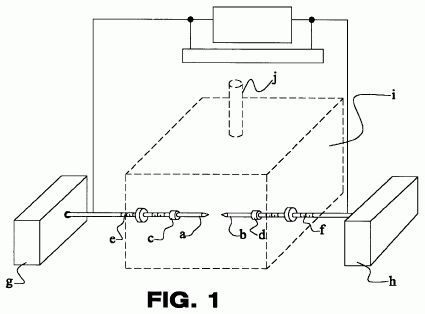
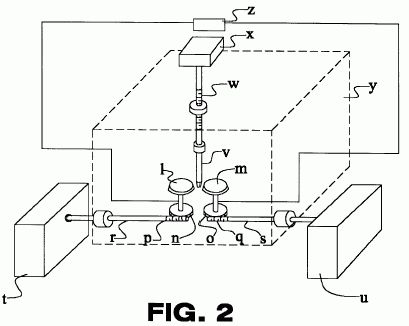
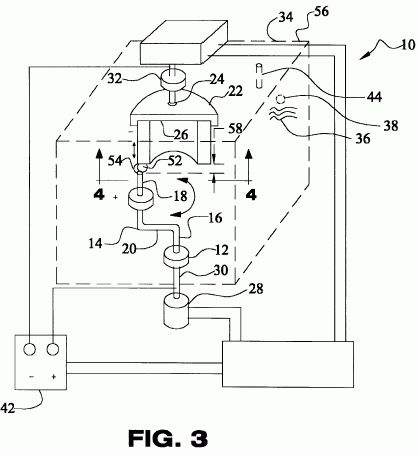
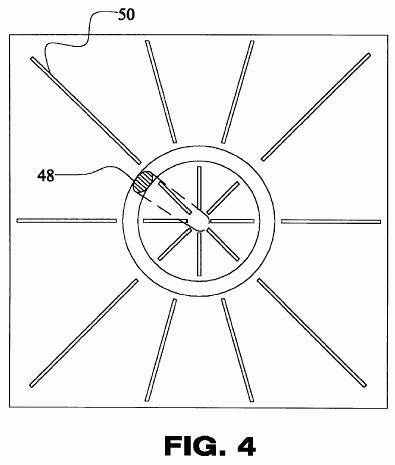
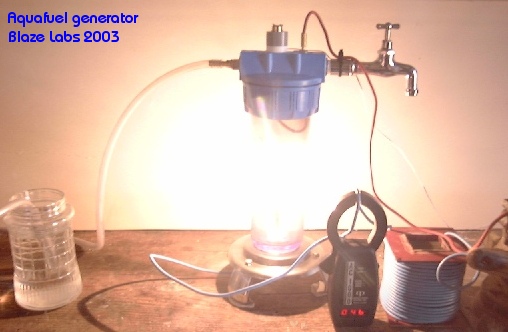
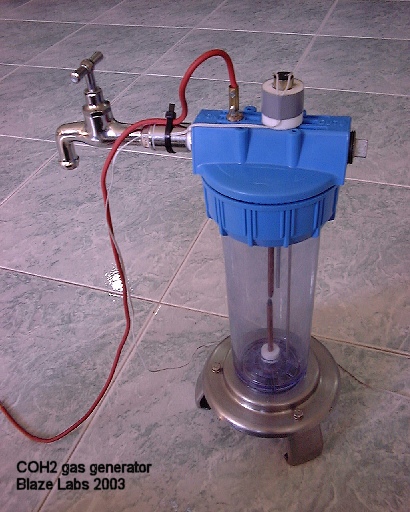
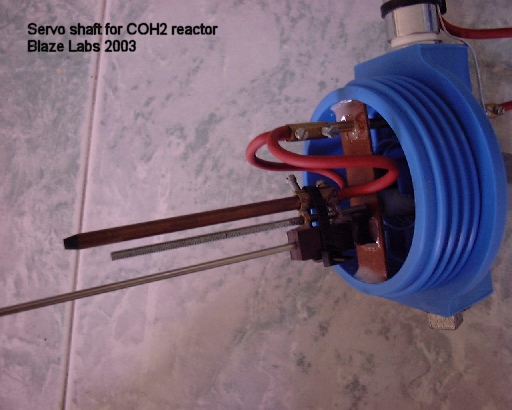
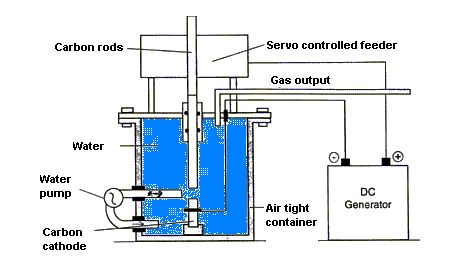
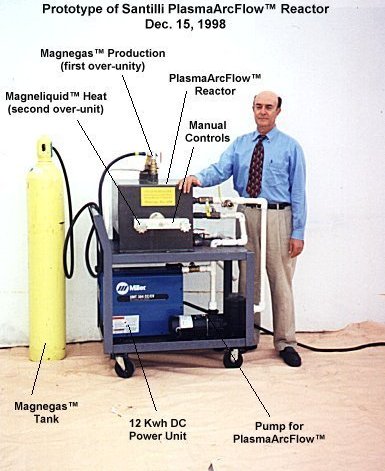
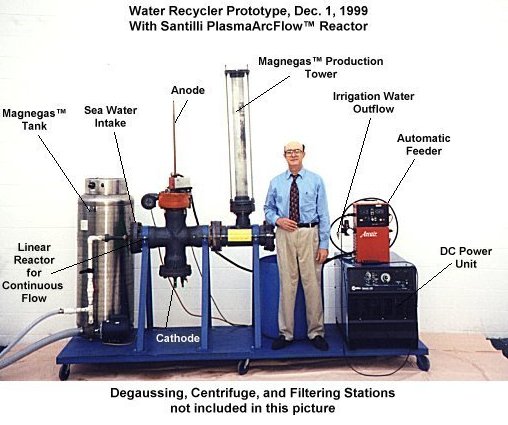
An electrically conductive tungsten anode and a hollow carbon cathode are submerged in water. A DC arc between them creates a high-temperature plasma that dissociates water and carbon, yielding a gas mixture rich in H_2 and CO with low CO_2. The anode is continuously moved by a motor-driven crank and the cathode is axially shifted to compensate for carbon consumption, extending electrode life and improving efficiency.
Principles
- Electric arc plasma generation
- Thermal decomposition of water and carbon
- Combustion chemistry of H_2, CO, CO_2, O_2
Scientific Domains
Materials
- tungsten
- carbon
- water
Mechanisms of Action
- Underwater electric arc between tungsten anode and carbon cathode
- Ionization of H_2O into H and O atoms
- Reaction of ionized carbon with O to form CO and CO_2
- Formation of H_2 and O_2 in the cooling zone
Energy Sources
Applications
- fuel for internal combustion engines
- power generation
- vehicle propulsion
Claimed Performance
Improved electrode life (service intervals of minutes rather than seconds), higher gas production efficiency than prior art, and low CO_2 content in the produced gas.
Experimental Evidence
Numerous measurements at independent laboratories reported gas composition of 45-48 % H_2, 36-38 % CO, 8-10 % CO_2 and 1-2 % O_2.
Replication Status
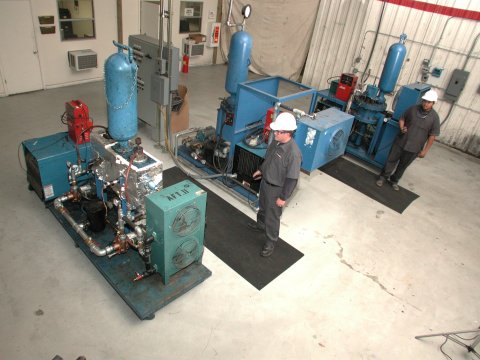
Only research-prototype units have been sold; no commercial-scale production equipment is currently available.
Limitations
- Rapid consumption of carbon cathode material
- Requirement for high-current DC power supply
- Current equipment limited to research/testing scale
Red Flags
- Claims of "non-pollutant" gas without peer-reviewed data
- Limited commercial availability despite long patent history