Goal
Detect antimatter galaxies, antimatter cosmic rays, antimatter asteroids, and invisible terrestrial entities by imaging negative-index (antimatter) light.
Problem
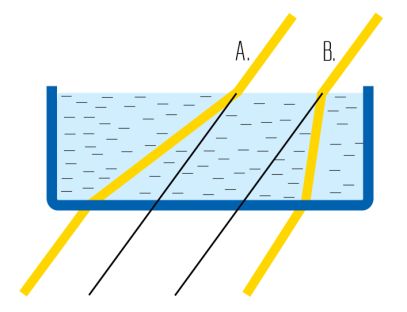
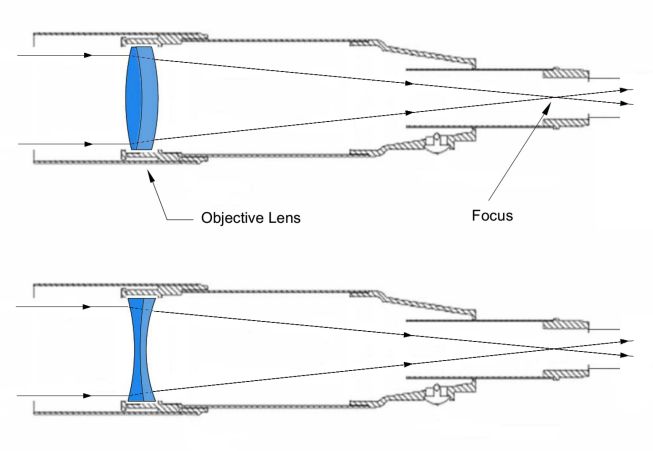
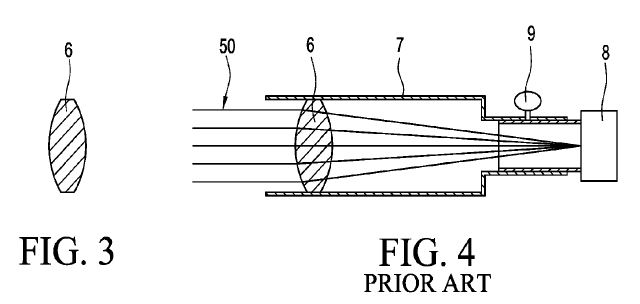
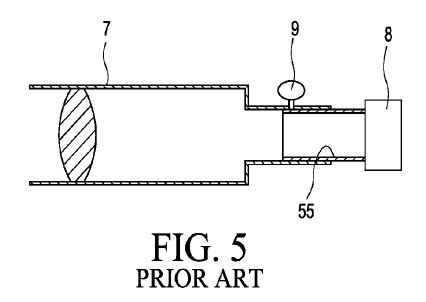
Conventional convex-lens telescopes cannot focus or detect antimatter-light because it has a negative index of refraction; such phenomena appear invisible to the human eye and standard optics.
Concept Summary
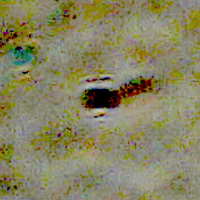
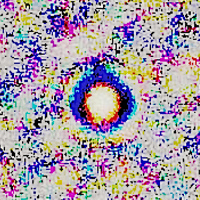
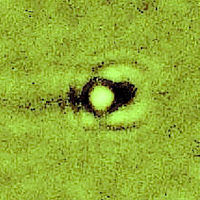
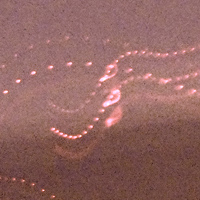
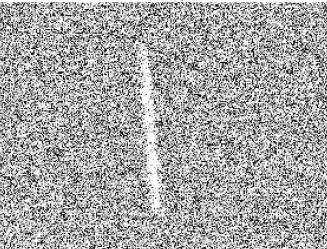
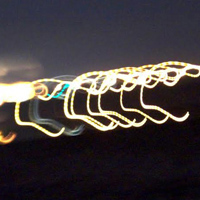
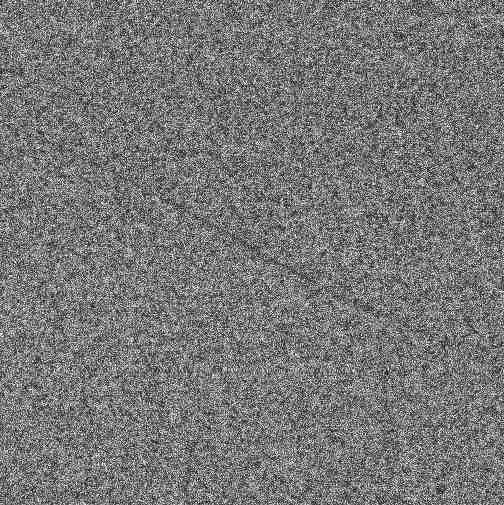
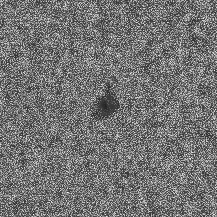
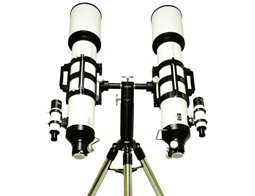
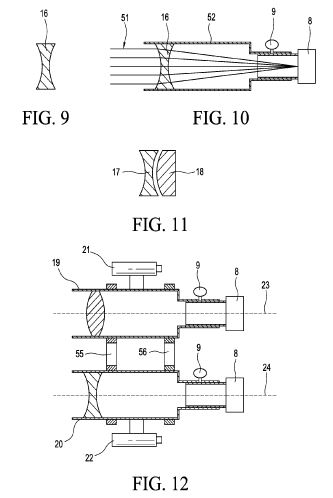
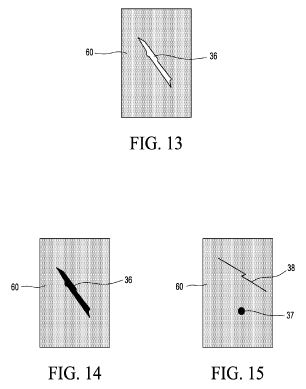
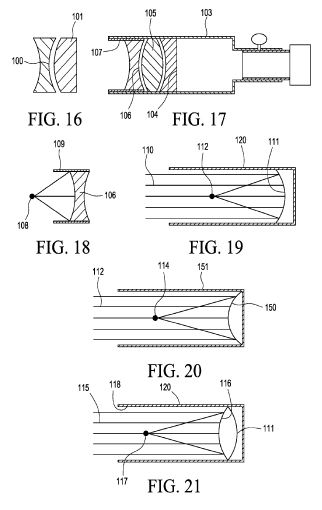
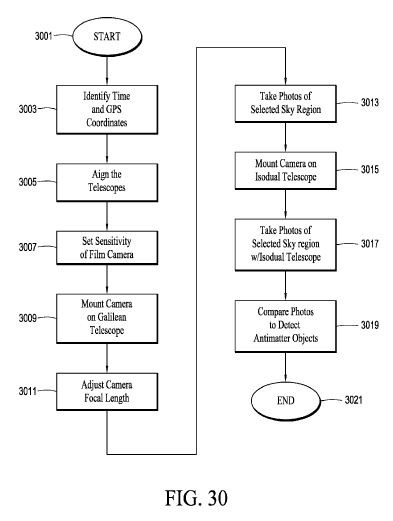
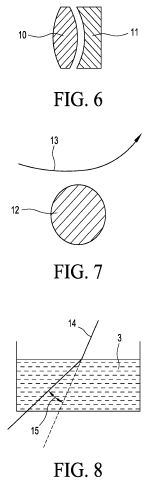
The Santilli Telescope uses a concave optical lens designed for a negative index of refraction to focus "antimatter-light". Images are captured with digital or film cameras; antimatter-light produces streaks or dots of darkness in long-exposure photographs, whereas ordinary matter-light produces bright streaks. By comparing paired images from a standard Galileo (convex-lens) telescope and a Santilli (concave-lens) telescope, unique darkness patterns are interpreted as evidence of antimatter phenomena or invisible terrestrial entities.
Principles
- Negative index of refraction for antimatter-light
- Concave lens focusing of negative-refraction light
- Digital camera capture of darkness streaks/dots
- Long-exposure imaging (~=15 s) to distinguish signal from background
- Side-by-side comparison with conventional convex-lens telescope
Scientific Domains
Mechanisms of Action
- Concave lens bends negative-index photons to form an image
- Annihilation of negative-energy photons with positive-energy background photons creates dark streaks in camera pixels
- Digital sensor records intensity variations, allowing detection of darkness patterns absent in the convex-lens image
Energy Sources
Applications
- Astronomical detection of antimatter galaxies
- Monitoring of antimatter asteroids
- Study of antimatter cosmic rays
- Observation of invisible terrestrial entities
Claimed Performance
Detects antimatter galaxies as streaks of darkness in 15-second exposures; detects invisible terrestrial entities that are invisible to the naked eye and conventional telescopes.
Experimental Evidence
The article cites video demonstrations, photographs, and a 2015-2016 series of papers claiming detection of darkness streaks attributed to antimatter-light and invisible entities.
Limitations
- Requires a bright matter-light background for contrast
- Long-exposure imaging limits tracking of moving objects
- Relies on unproven negative-energy photon physics
- No independent peer-reviewed verification reported
Red Flags
- Extraordinary claims without robust, peer-reviewed data
- Potential pseudoscientific terminology (e.g., "antimatter-light")
- Lack of independent replication or third-party validation