Goal
Provide a low-cost, simple direct petrol injector that atomizes fuel more effectively than conventional systems and reduces manufacturing precision requirements.
Problem
High manufacturing cost and precision tolerance of conventional fuel injectors; fuel wastage and carbon emissions due to poor atomization and quenching.
Concept Summary
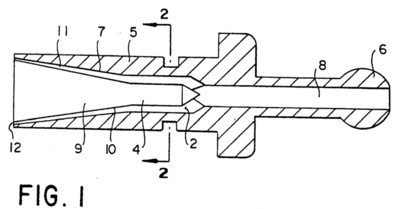
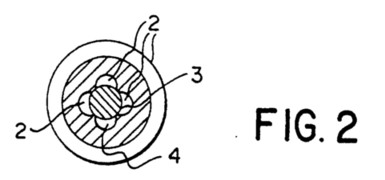
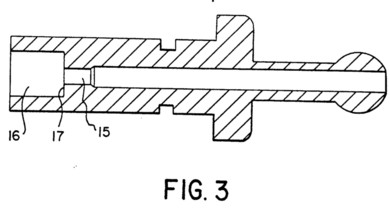
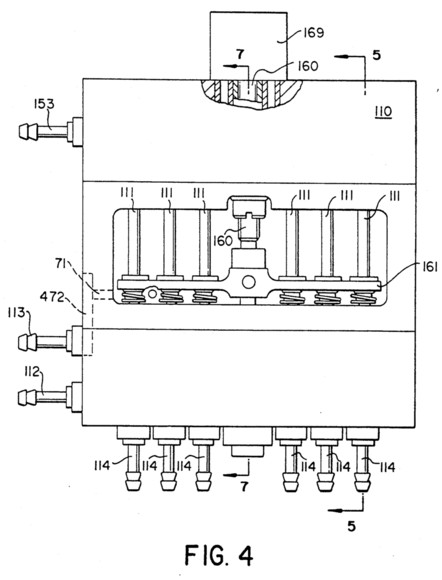
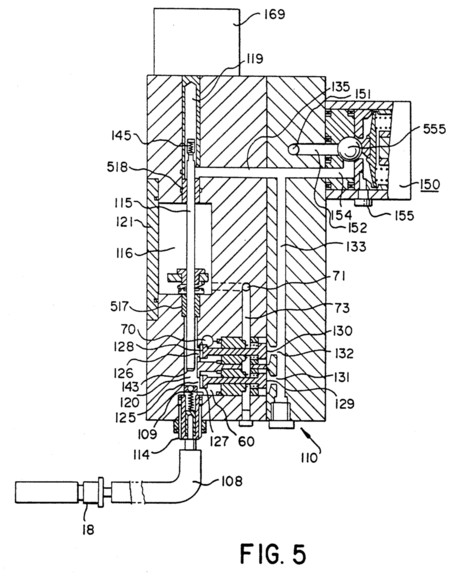
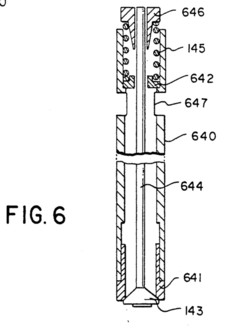
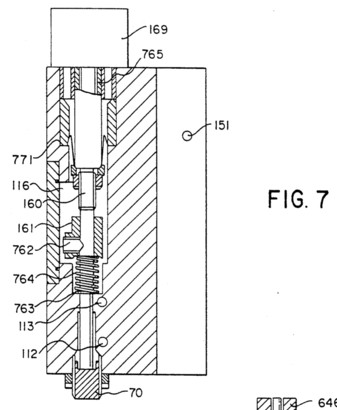
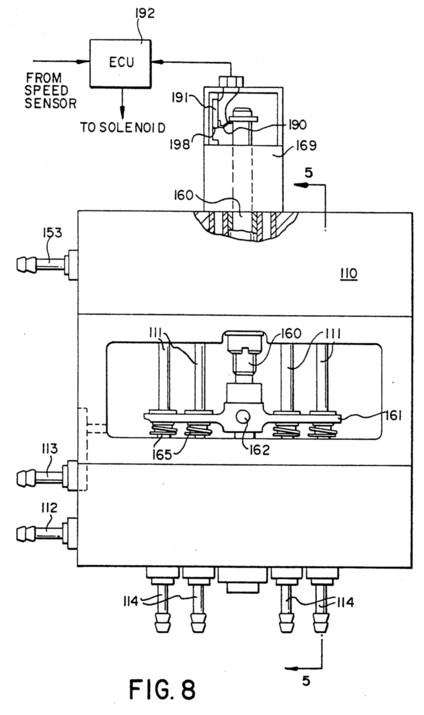
The Orbital injector uses a pre-determined quantity of liquid fuel delivered into a conduit, then a pulse of high-pressure gas (air) propels the fuel through the conduit and out of a constantly open nozzle at near-sonic speed. The gas-fuel interaction creates shear stresses and a fuel film that break the fuel into fine droplets, achieving high atomization without the need for high-precision, gas-free fuel columns.
Principles
- Atomization by high-velocity gas
- Sonic flow through nozzle
- Shear-induced droplet breakup
- Fuel-air emulsion formation
- Metered fuel delivery
Scientific Domains
Mechanisms of Action
- Gas pulse propels fuel through conduit
- Shear stresses at conduit walls break fuel into droplets
- Fuel film on divergent nozzle surface enhances surface area
- Near-sonic gas velocity improves atomization
Energy Sources
Applications
- Automobile engines
- Four-stroke engines
- Two-stroke engines
Claimed Performance
Atomizes fuel more effectively than existing motor-car systems; manufacturing tolerances 100x less stringent and surface finish 30x less demanding; proportional manufacturing time at least 56x lower than conventional injectors.
Experimental Evidence
Empirical tests defined a satisfactory minimum gas dose; improved atomization observed when gas speed at nozzle exit is sonic or near-sonic.
Limitations
- Not yet in commercial production
- Requires precise high-pressure gas control
- Potential durability concerns due to high-frequency nozzle operation