Goal
Increase internal combustion engine efficiency and reduce harmful emissions.
Problem
High fuel consumption and NOX, CO, THC emissions from combustion engines.
Concept Summary
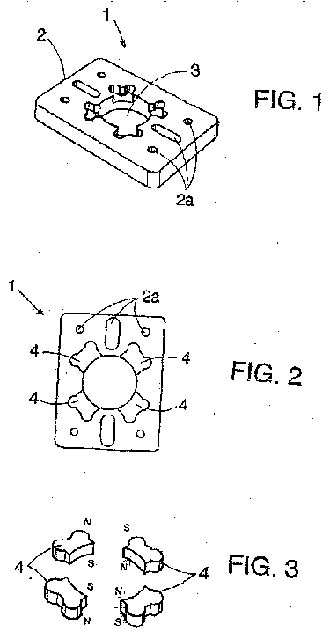
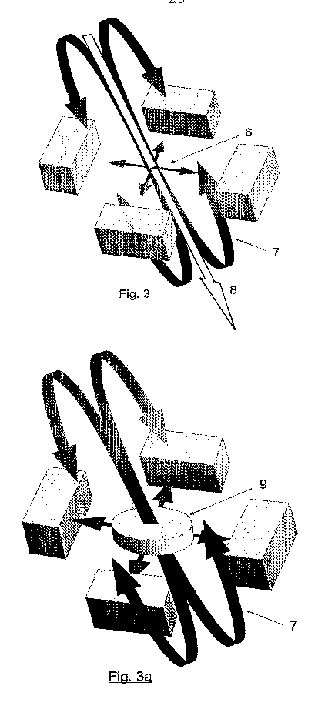
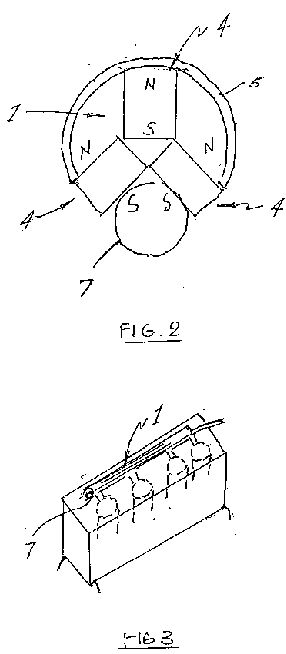
The device uses specially oriented magnetic fluxes (and, in related patents, electric fields) to alter the molecular structure of hydrocarbon fuel, reducing its viscosity and improving atomization. This leads to a more complete burn, lower emissions and better fuel economy.
Detailed Description
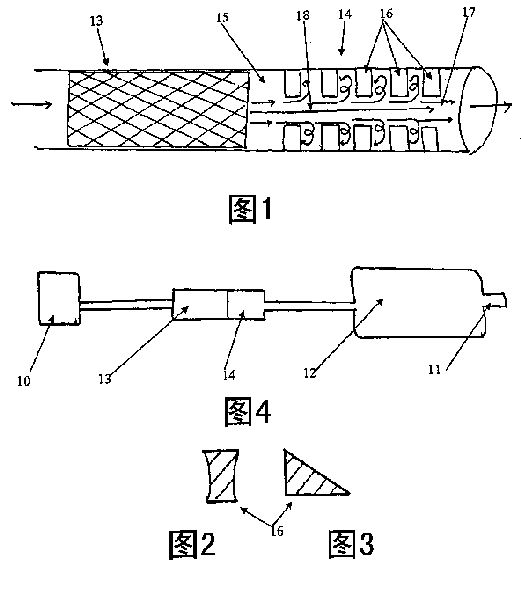
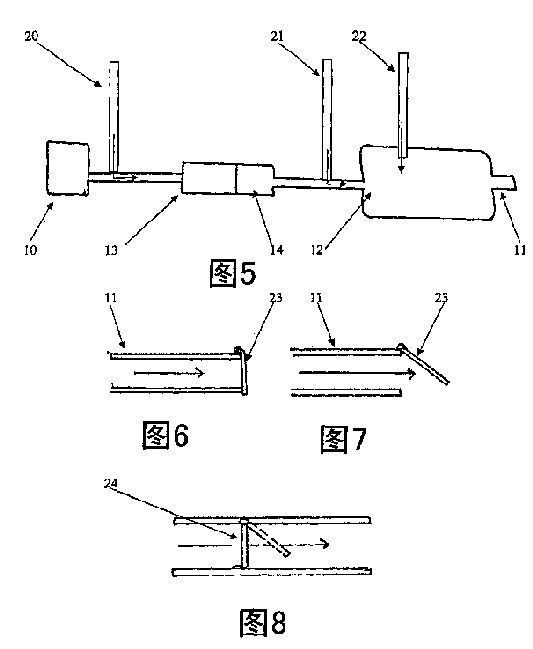
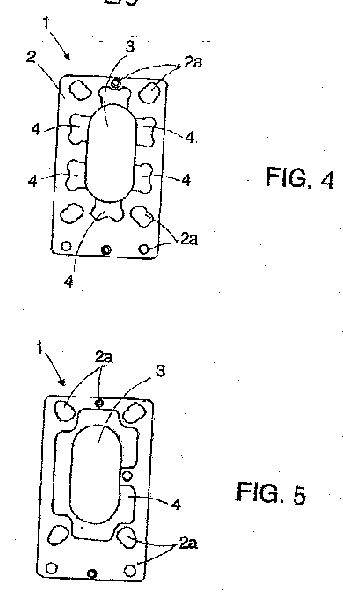
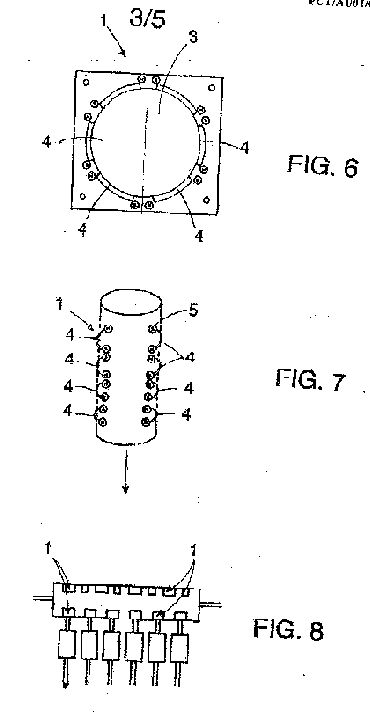
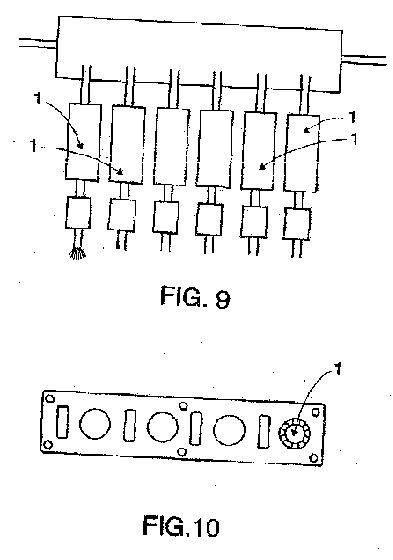
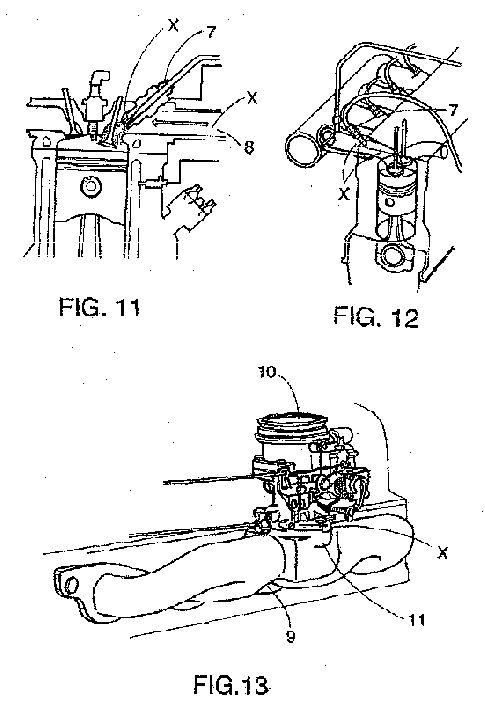
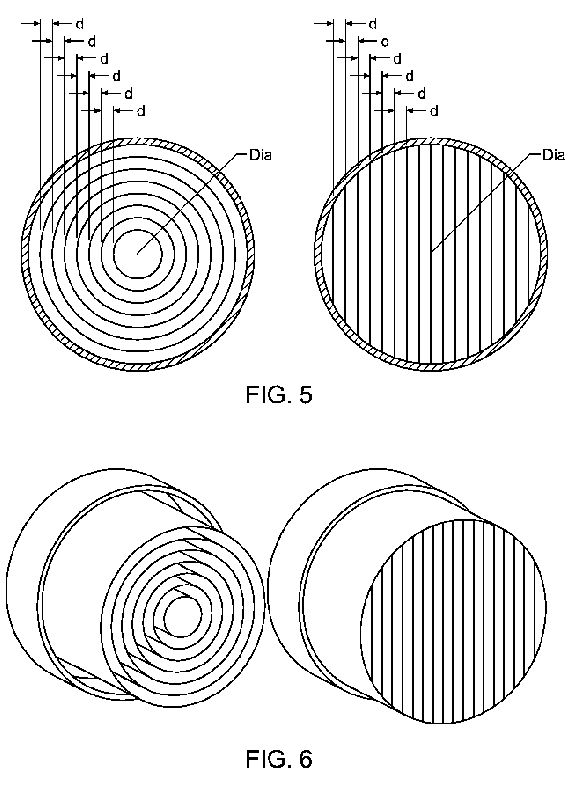
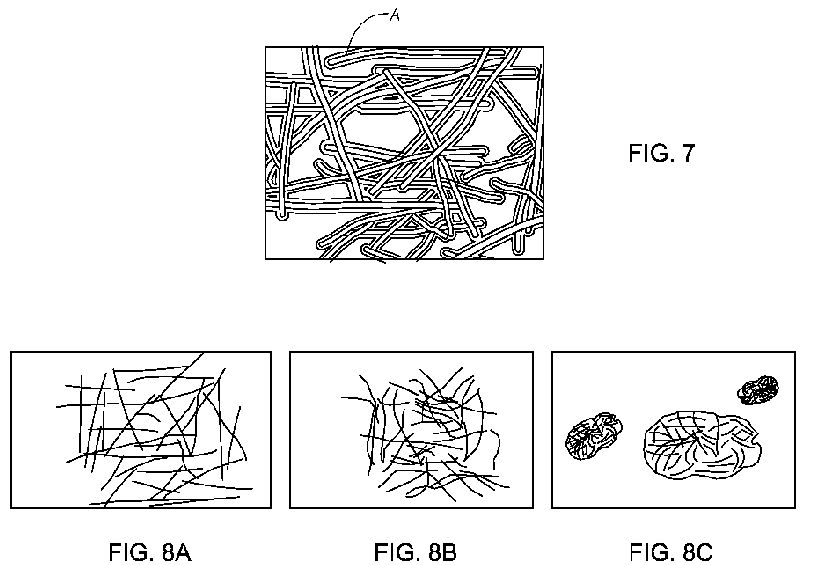
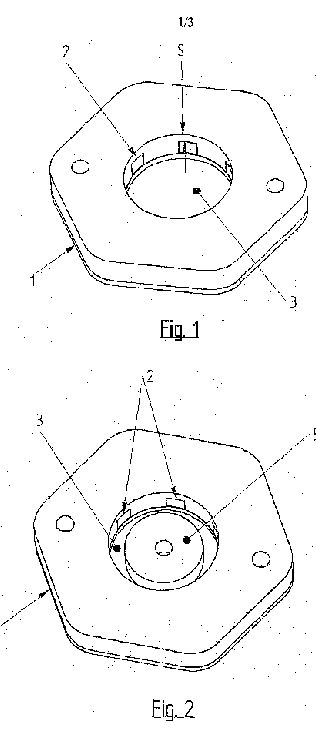
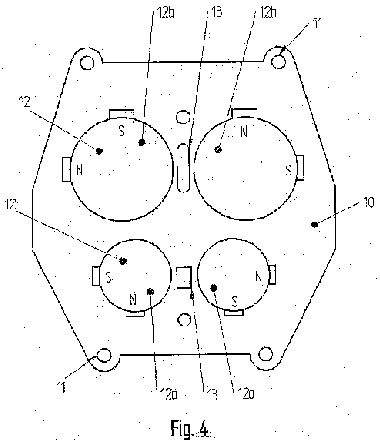
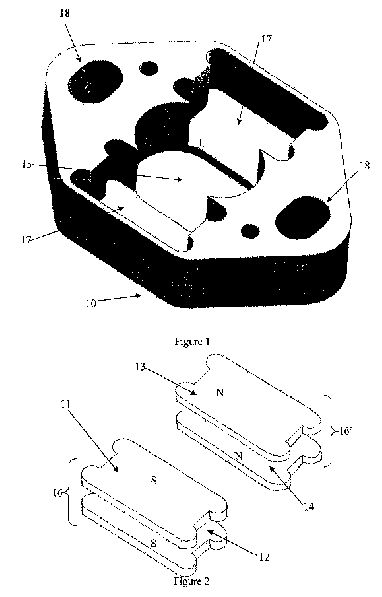
ZEFS devices are compact, non-moving units that attach to carburetors or fuel-injection systems. They generate complex magnetic flux orientations that break down fuel molecular clusters from ~760 um to ~140 um (carbureted) or ~3 um (injection). In a related patent (WO2014179217), a series of electrically charged plates creates a dielectrophoretic field that induces dipoles in paraffin and asphaltene molecules, causing them to aggregate into sub-micron clusters and thereby lowering bulk viscosity. Independent testing at the Hong Kong Exhaust Emissions Laboratory reported up to 95 % reduction in THC, 86 % reduction in NOX and 78 % reduction in CO for a motorcycle and generator.
Principles
- Dielectrophoresis (DEP)
- Magnetic flux orientation
- Viscosity reduction by molecular aggregation
Scientific Domains
Materials
- Hydrocarbon fuel
- Paraffin molecules
- Asphaltene molecules
- Polyurethane (insulating tube)
- Metal plates (electrically charged)
Mechanisms of Action
- Magnetic fields alter fuel molecular size and structure, improving atomization.
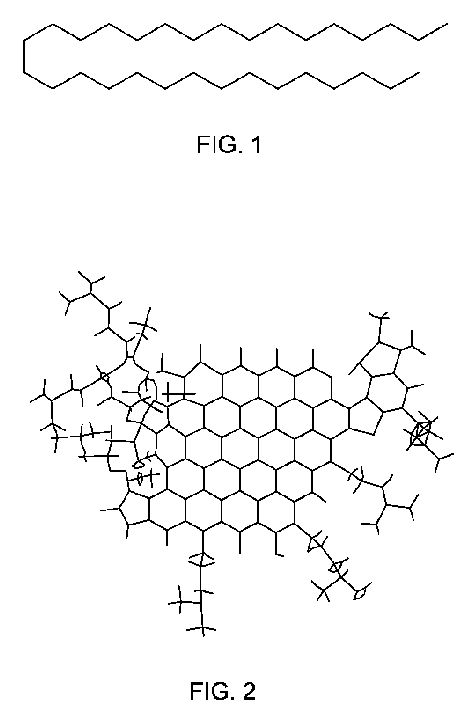
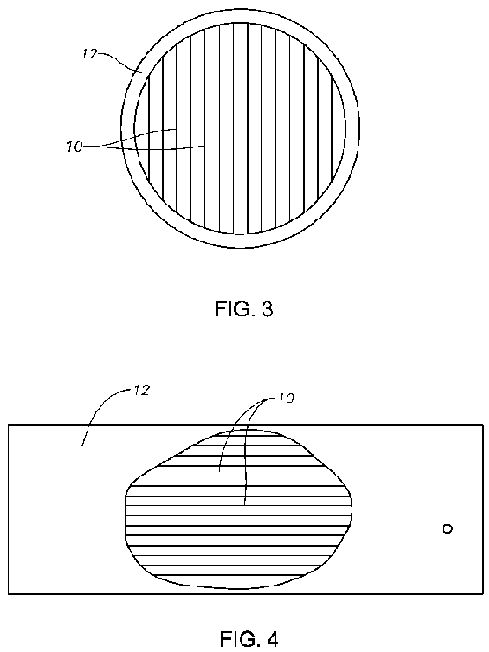
- Electric fields induce dipole moments in paraffin/asphaltene molecules, causing them to aggregate into sub-micron clusters.
- Reduced viscosity leads to more efficient combustion and lower emissions.
Energy Sources
Applications
- Automobile engines
- Motorcycle engines
- Generators
- Stationary combustion engines
Claimed Performance
75 % NOX reduction, 78 % CO reduction, 95 % THC reduction in a Honda NSR 150 motorcycle; 58 % THC reduction, 86 % NOX reduction, 57 % CO reduction in a 63 cc generator.
Experimental Evidence
Independent tests performed in August 2004 at the Hong Kong Exhaust Emissions Laboratory (HKEEL) on a Honda NSR 150 two-stroke motorcycle and a 63 cc generator showed the emission reductions quoted above.
Replication Status
Independent laboratory testing reported; no large-scale commercial replication documented.
Limitations
- Effectiveness may vary with fuel type and temperature.
- Requires a continuous electrical power source.
- Viscosity reduction may revert after >24 hours without sustained field.
- No publicly available large-scale commercial data.
Red Flags
- Claims of magnetic field molecular restructuring lack detailed peer-reviewed mechanisms.
- Emission reduction percentages are based on limited independent tests without broader validation.