Goal
Provide a portable, non-invasive therapeutic method that stimulates the nervous system to induce endogenous neuropeptide release and promote healing across a wide range of medical conditions.
Problem
The need for a lightweight, energy-efficient medical treatment for space travel and general healthcare that avoids the logistical and toxic drawbacks of storing and using many pharmaceuticals.
Concept Summary
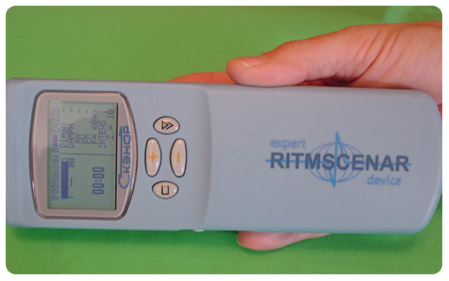
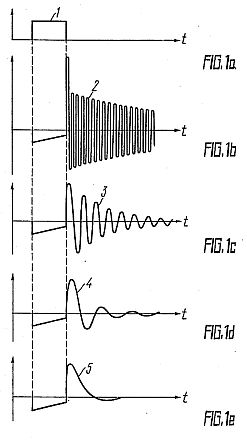
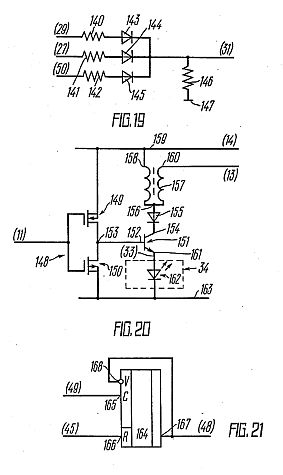
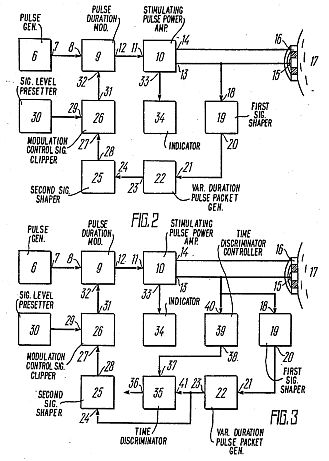
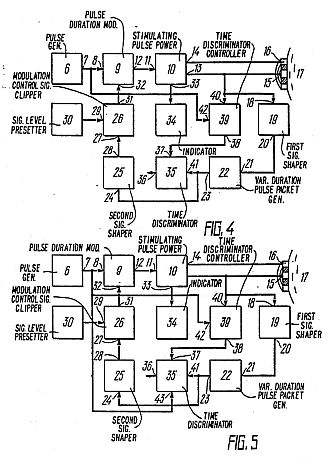
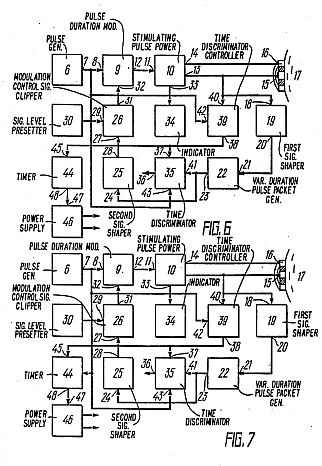
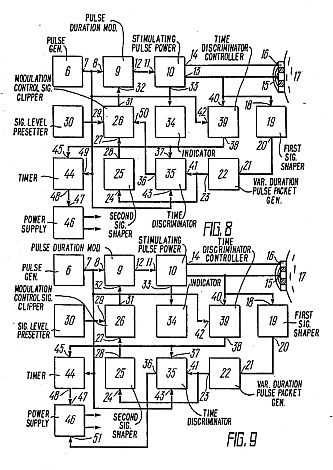
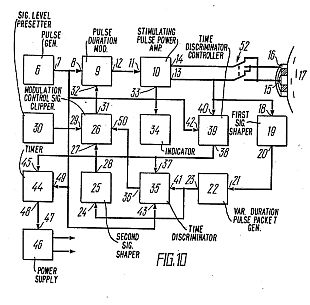
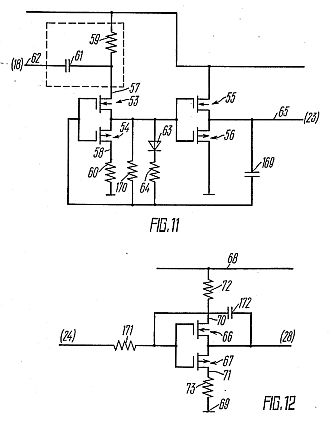
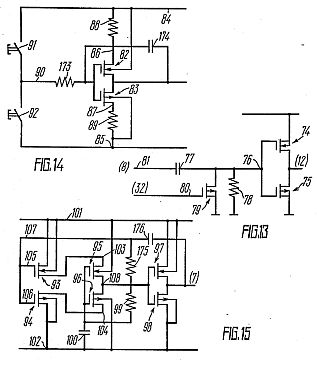
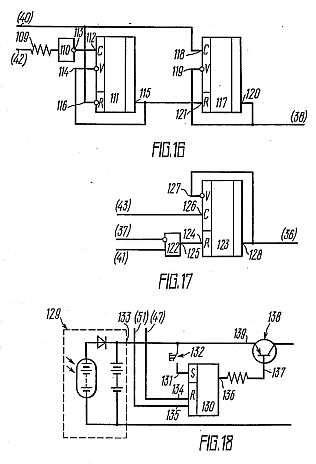
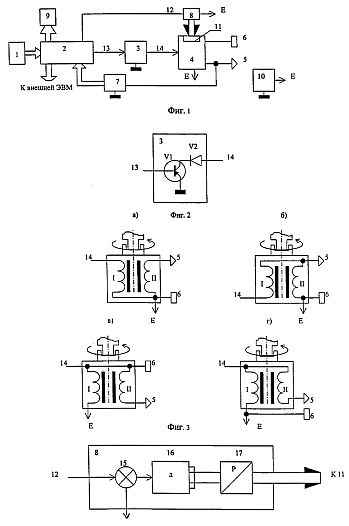
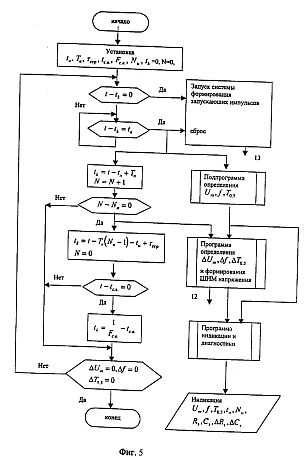
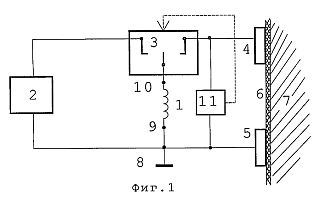
SCENAR is a hand-held biofeedback device that delivers a series of adaptive electrical impulses through skin electrodes. The device measures the skin's electrical response and modifies subsequent signals, targeting C-fibres to trigger the body's own production of regulatory neuropeptides, which are claimed to restore physiological balance and accelerate healing.
Detailed Description
The device weighs ~300 g, is ~200 mm long and runs on a 9 V battery. One end contacts the skin while the other contains electronics that generate high-amplitude, variable-frequency electrical pulses. Each pulse is emitted only after a change in skin resistance is detected, creating a feedback loop. The stimulation is said to activate C-fibres (~=85 % of peripheral nerves), prompting the release of neuropeptides and other regulatory peptides that act systemically. Practitioners monitor skin responses such as redness, numbness, stickiness, or changes in a numeric display, and adjust treatment locations accordingly. The therapy is applied repeatedly (daily for acute conditions, several times a week for chronic) and is claimed to be safe for most patients except those with cardiac pacemakers.
Principles
- Biofeedback-controlled electrical stimulation
- Adaptive signal modulation based on skin resistance
- Targeted activation of C-fibres
- Induction of endogenous neuropeptide release
Scientific Domains
Materials
- Metal electrodes
- Plastic housing
- 9 V alkaline battery
Mechanisms of Action
- Electrical stimulation of peripheral nerves (C-fibres)
- Skin-based biofeedback loop to tailor pulse parameters
- Triggering of endogenous peptide cascades for immune and metabolic regulation
Energy Sources
Applications
- Pain management
- Accelerated wound healing
- Immune system support
- Recovery from sports injuries
- Adjunct therapy for cardiovascular, respiratory, and neurological disorders
Claimed Performance
Effective in ~80 % of treated cases; full recovery in ~66 % of those, significant improvement in the remainder. Reported superior pain relief compared with administered opiates and reduced recovery times for injuries and postoperative patients.
Experimental Evidence
Russian clinical reports cite >50 000 treatment cases and ~600 practitioners using the device. The British Standards Institute has licensed it for pain relief. No peer-reviewed randomized trials are presented in the article.
Replication Status
In use by ~600 Russian practitioners; licensed in the UK for pain-relief applications; multiple commercial models produced by OKB Ritm and LET Medical.
Limitations
- Lack of controlled, peer-reviewed clinical trials
- Broad, non-specific efficacy claims
- Contraindicated for patients with cardiac pacemakers
- Reliance on practitioner skill for electrode placement
Red Flags
- Extraordinary claims of treating virtually all diseases without rigorous scientific validation
- Anecdotal evidence predominates over peer-reviewed data
- Potential for placebo effect and bias in uncontrolled case series