Goal
Produce superheated steam efficiently, eliminating the need for boilers and fossil-fuel heating.
Problem
High energy consumption and reliance on natural gas or other fossil fuels for steam generation and building heating.
Concept Summary
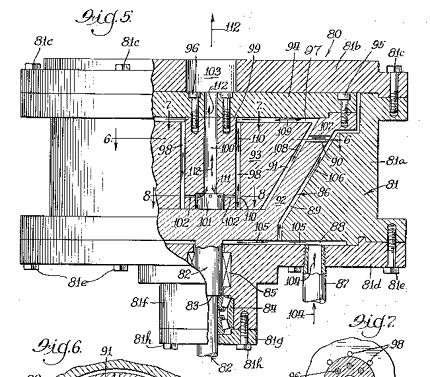
An electrically driven rotating disc creates rapid pressure spikes (water hammer) in flowing cold water. The resulting shock waves instantly superheat the water into steam, delivering thermal energy with claimed efficiencies approaching or exceeding 100 %.
Detailed Description
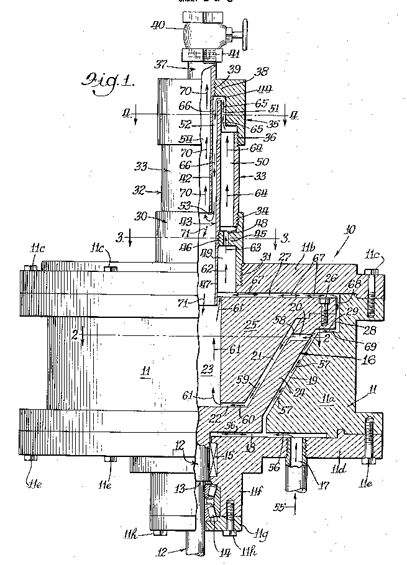
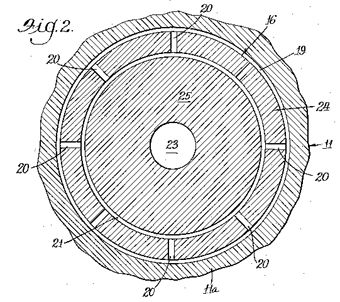
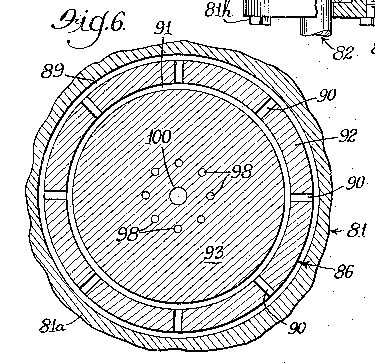
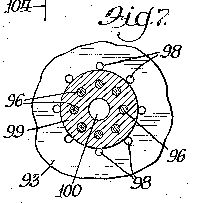
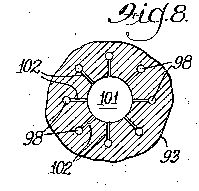
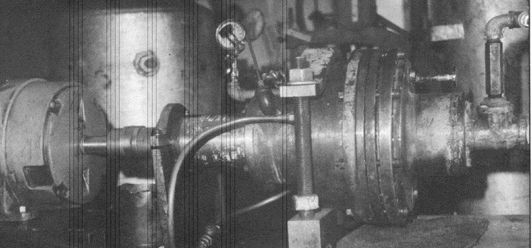
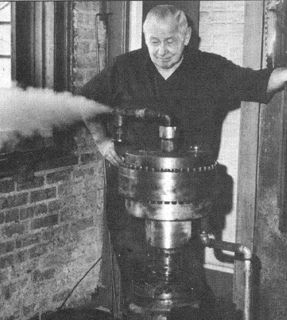
The device consists of a high-speed electric motor (~=20 hp) that spins a metal flywheel/impeller. Cold water is fed into specially shaped chambers on the disc where the rapid rotation generates intense water-hammer and cavitation shock waves. These shocks raise the water temperature to the superheated steam phase within seconds. The steam is then expelled for heating or other uses. Early prototypes were crude but demonstrated the principle; later versions by Sonaqua and Aquasonics showed improved performance and home-heating applications.
Principles
- water hammer
- cavitation
- shock wave energy conversion
- mechanical to thermal energy conversion
Scientific Domains
Materials
- water
- steel
Mechanisms of Action
- Rotating impeller creates rapid pressure spikes (water hammer) in water
- Shock waves generated by cavitation heat water to superheated steam
- Electric motor supplies mechanical energy to drive the impeller
Energy Sources
Applications
- home heating
- industrial steam generation
- building heating systems
- process heating
Claimed Performance
Battelle efficiency tests (1973) reported 97.3 %-99.0 % efficiency, with occasional readings exceeding 100 % (up to 117 %). Home-heating tests showed 20 % less electricity use than standard immersion heaters; a three-bedroom house was heated with two 3-hp motors.
Experimental Evidence
Battelle Research Institute conducted eight test runs in 1973, reporting 97.3 %-99.0 % efficiency and occasional >100 % readings. Demonstrations by the inventor produced steam instantly from cold water. Aquasonics of Denver successfully heated a three-bedroom home using two small 3-hp motors, achieving a 20 % electricity reduction.
Replication Status
Sonaqua licensed production; Aquasonics demonstrated home heating; Battelle performed efficiency tests. No independent peer-reviewed replication reported.
Limitations
- Device not fully developed; still experimental
- Efficiency measurements reported as uncertain
- Requires external electric power
- Claims of over-unity not independently verified
Red Flags
- Claims of free energy and >100 % efficiency
- Lack of peer-reviewed, independently verified data
- Potential for overstated performance or fraud