Goal
To achieve levitation or weight reduction by electrically charging a body so that electrostatic repulsion counteracts Earth's gravitational attraction.
Problem
The inability to overcome or negate the force of gravity for lifting heavy objects, buildings, or vehicles.
Concept Summary
Professor Scharf proposes that gravity is a phase of electricity. By charging a human body (or any object) with a high positive electric potential equal to that of the Earth, the like charges repel, reducing the object's weight and potentially causing levitation. The apparatus uses a friction-generated high-voltage source (glass disks with silk/leather cushions and metallic points) to transfer charge to the subject while the Earth is similarly charged.
Detailed Description
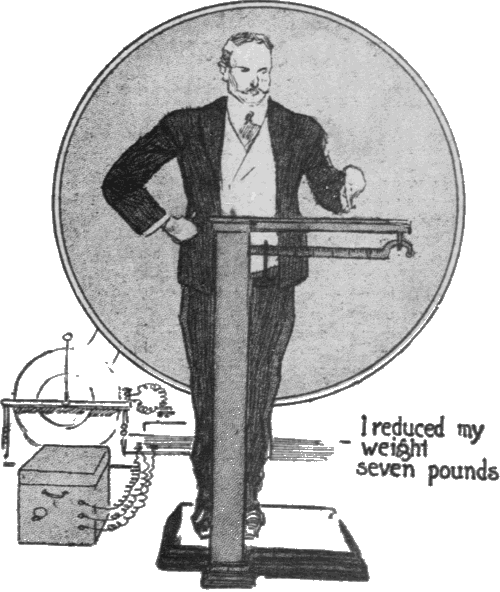
The described system consists of a large glass-disk electrostatic generator driven mechanically. One side of each disk is pressed by a silk or leather cushion to generate static electricity; the opposite side carries metallic points attached to a metal ball that collects the positive charge. The subject stands on an insulating glass plate, is connected to the generator via wires that run beneath the earth's surface, and is charged to a high potential (up to 1 million volts). Simultaneously the Earth is assumed to be positively charged, creating a repulsive electrostatic force between the subject and the ground. Scharf reports a measured weight loss of up to seven pounds on a sensitive scale, accompanied by a sensation of lightness and a fainting feeling, leading him to halt the experiment for safety reasons.
Principles
- Electrostatic repulsion of like charges
- Charge induction and transfer
- High-voltage static electricity generation
- Assumed equivalence of gravity to an electrical phase
Scientific Domains
Materials
- Glass disks
- Silk or leather cushions
- Metallic points
- Metal ball (prime conductor)
- Insulating glass plate
- Wires
Mechanisms of Action
- Charging the subject with a high positive electric potential
- Charging the Earth with a comparable positive potential
- Generating a net repulsive force that offsets gravitational attraction
Energy Sources
Applications
- Levitation of heavy structures
- Transportation of ships and aircraft
- Potential new propulsion method
Claimed Performance
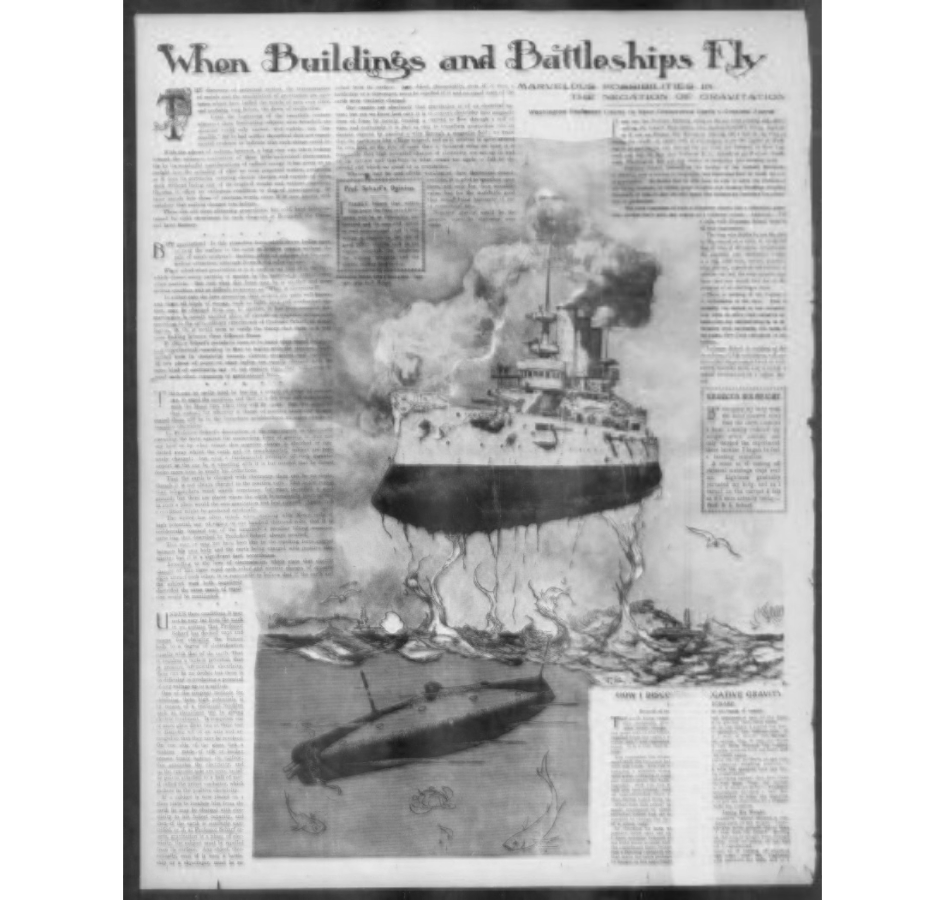
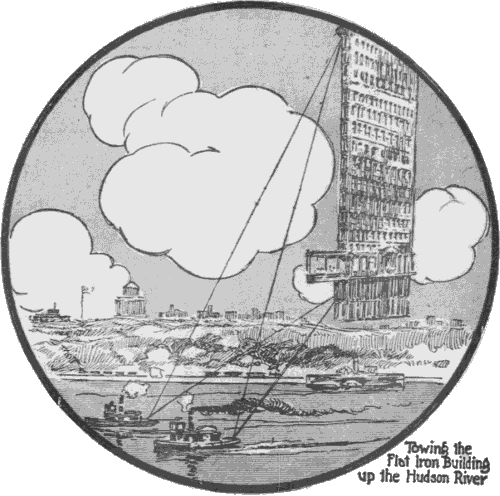
Weight reduction of 1-7 pounds on a scale; subjective feeling of rising; claim that any mass (e.g., battleship, skyscraper) could be repelled if similarly charged.
Experimental Evidence
Scharf reports that while standing on a calibrated scale and connected to his apparatus, his weight decreased continuously, eventually showing a loss of seven pounds before he stopped due to a fainting sensation.
Limitations
- No independent verification or peer-reviewed data
- Requires extremely high voltages, posing safety hazards
- Reported physiological side-effects (fainting)
- Unclear how to scale the effect to large masses
Red Flags
- Extraordinary claim lacking quantitative, reproducible evidence
- Potential health risks from high-voltage exposure
- No documented independent replication
- Historical context of similar unverified anti-gravity claims