Goal
Provide heating and cooling without conventional fuel by exploiting organic vacuum, suction and planetary motion.
Problem
Fuel shortage and inefficient conventional heating/cooling methods; need for low-cost temperature control.
Concept Summary
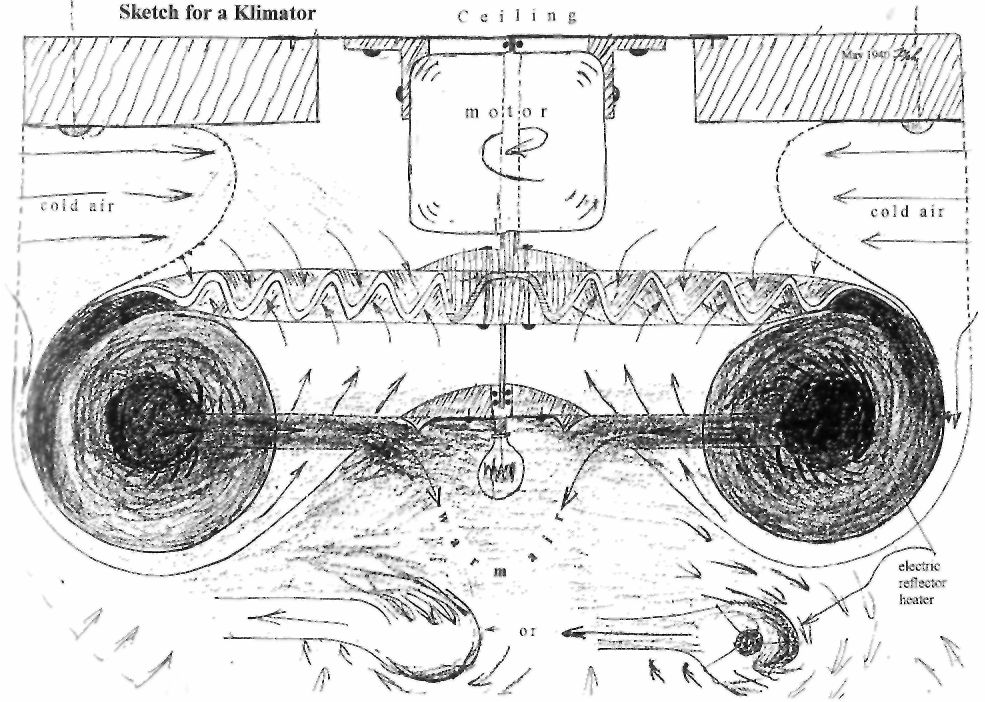
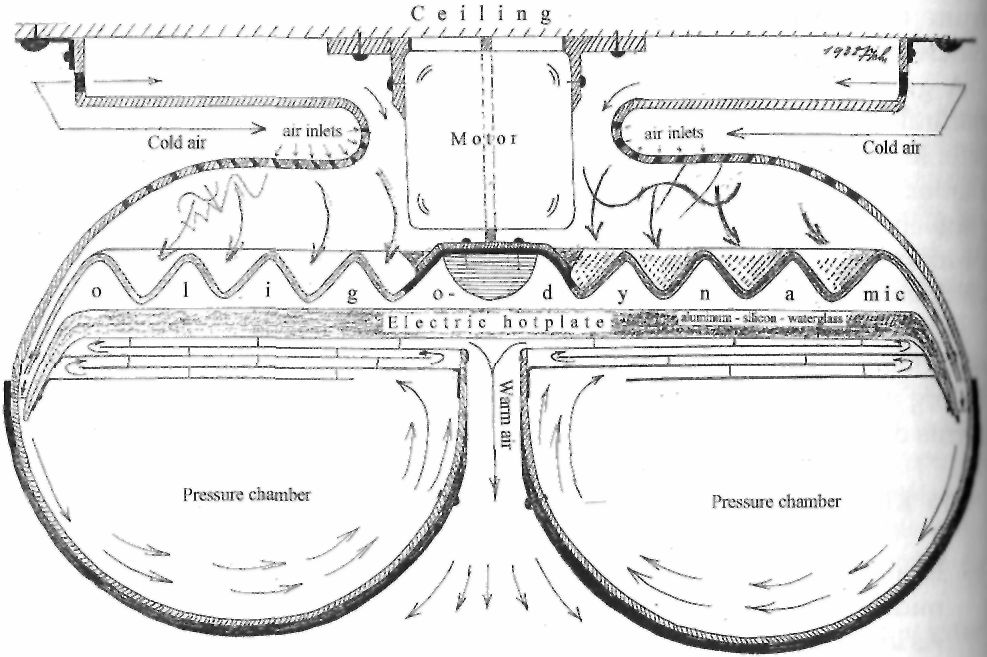
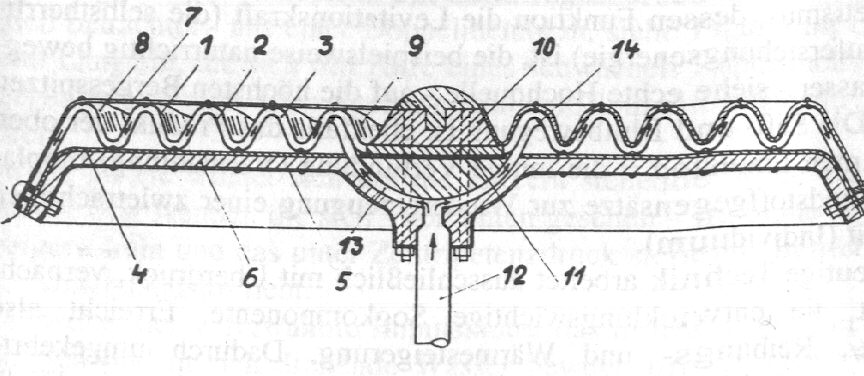
The Klimator is a rotating vortex-type machine that uses copper/zinc (or similar) catalysts, high-speed planetary motion, and an "organic vacuum" to separate oxygen from water/air, producing large suction forces that generate heat or cold. The device claims to cool a river from +20 deg C to below 0 deg C in minutes, deliver up to 10 000 hp to a drive shaft, and even synthesize artificial fuel.
Principles
- Organic vacuum creation
- Planetary (rotational) motion with suction/pressure
- Catalytic dissociation of air or water
- High-speed centrifugal forces
- Conversion of kinetic energy into heat or cold
Scientific Domains
Materials
- copper
- zinc
- brass
- aluminium
- silica
- waterglass (sodium silicate)
- caustic potash
- sodium
Mechanisms of Action
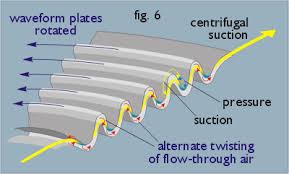
- Suction forces generated by rotating vanes
- Catalytic separation of oxygen from water/air
- Rapid compression/expansion of gases
- Conversion of mechanical rotation into thermal energy
Energy Sources
Applications
- building heating
- refrigeration
- artificial fuel production
- silent, fuel-less propulsion (theoretical)
Claimed Performance
Can cool a river from +20 deg C to below 0 deg C in a few minutes; delivers about 10 000 hp to the drive-shaft; 350 000-fold increase in weight/pressure; a fist-sized unit can heat a house.
Limitations
- No quantitative experimental data provided
- Mechanism description is vague and unverified
- Requires very high rotational speeds (4 000-9 000 rpm)
- Materials and construction details are ambiguous
Red Flags
- Extraordinary claims (e.g., 10 000 hp from a fist-sized device)
- Lack of peer-reviewed evidence or independent replication
- Use of vague terms such as "life-energy", "qualigen", "electrozoic energy"
- Potential classification as pseudoscience or free-energy claim