Goal
Reduce stress, anxiety and improve mental well-being by balancing hemispheric brain activity.
Problem
Stress, anxiety, depression, PTSD, ADD, compulsive disorders and other psychological symptoms.
Concept Summary
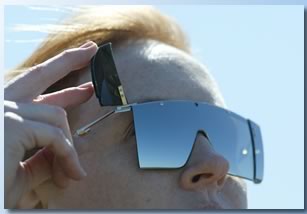
Lateralized sunglasses that restrict vision to a left or right visual field, thereby stimulating the opposite cerebral hemisphere and promoting a calmer, more balanced psychological state.
Detailed Description
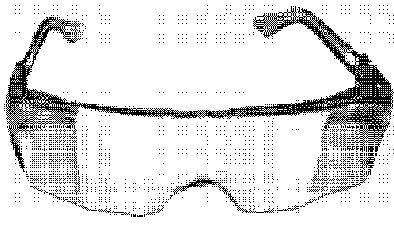
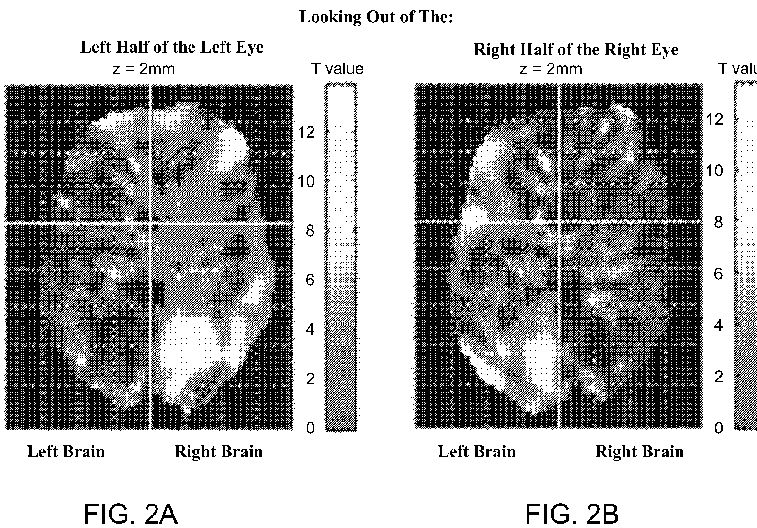
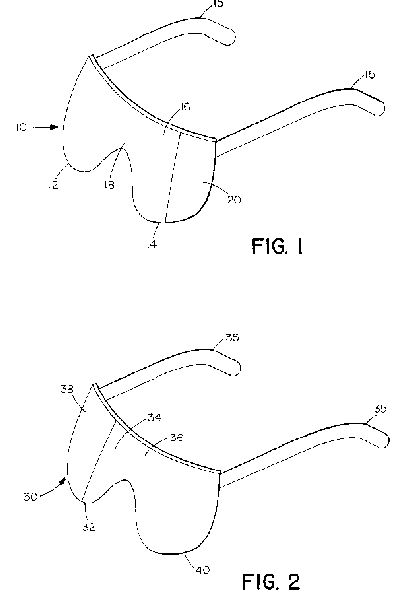
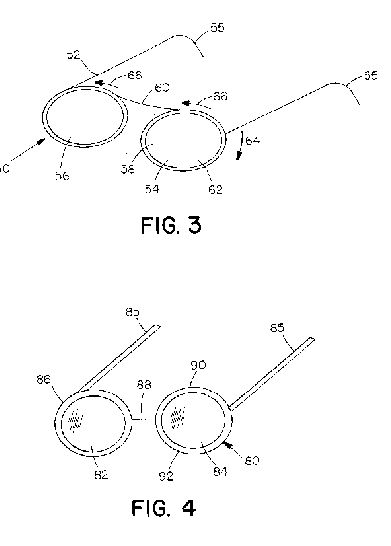
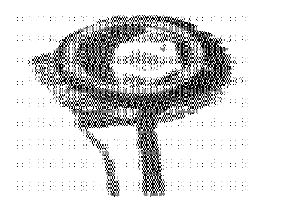
The glasses are based on modified safety glasses (polycarbonate or polystyrene) with sections of the lenses coated opaque opaque opaque opaque opaque opaque film, or electro tapes. a strip user can raised or lowered to expose one side of the visual field. By limiting visual input to one hemisphere, retinal stimulation preferentially activates the opposite brain hemisphere, producing a rapid reduction in stress and anxiety. Variants include tinted, photo-chromic or electro-chromic lenses, reflective coatings, and even contact lenses with a horizontal tint gradient.
Principles
- Lateral visual-field restriction
- Hemisphere-specific retinal stimulation
- Light-induced neural activation
Scientific Domains
Materials
- Polycarbonate
- Polystyrene
- Opaque adhesive tape
- Paint
- Reflective metal coating (gold, silver, aluminum)
- Photochromic dye
- Electrochromic material
Mechanisms of Action
- Restricts vision to a lateral field
- Stimulates the opposite cerebral hemisphere via retinal input
- Alters EEG activity indicating hemispheric dominance shift
Energy Sources
Applications
- Stress management
- Therapeutic adjunct for psychotherapy
- Performance enhancement for athletes
Claimed Performance
Calm and rationality achieved within seconds; users report immediate reduction of stress, anxiety and panic; improved athletic performance and focus.
Experimental Evidence
Anecdotal reports from patients (e.g., a man whose car was towed, a boxer before interview) and therapist observations; no peer-reviewed clinical data provided.
Limitations
- Evidence limited to anecdotal case reports
- No controlled clinical trials
- Potential placebo effect
Red Flags
- Lack of peer-reviewed data
- Commercial claims without independent verification