Goal
Revolutionize the heavy-duty truck engine market by reducing fuel consumption, emissions and weight while increasing power-to-weight ratio.
Problem
High fuel consumption, greenhouse-gas emissions, heavy weight, and complex mechanical systems of conventional diesel, gasoline and Brayton-cycle engines.
Concept Summary
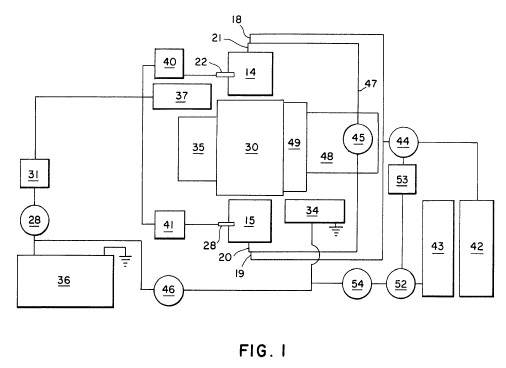
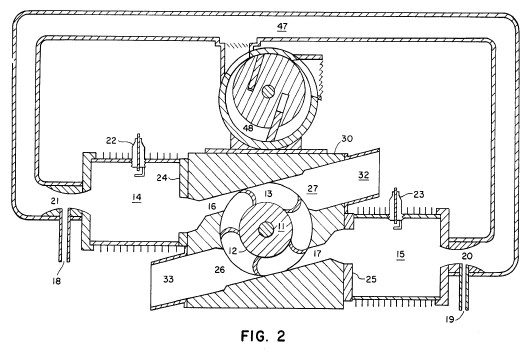
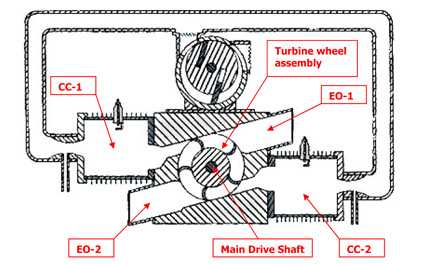
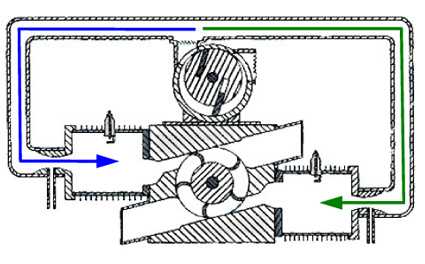
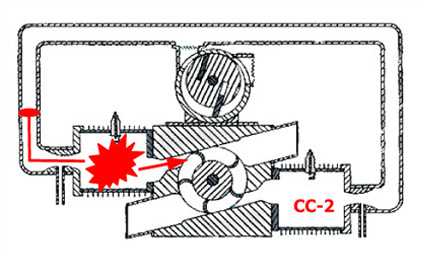
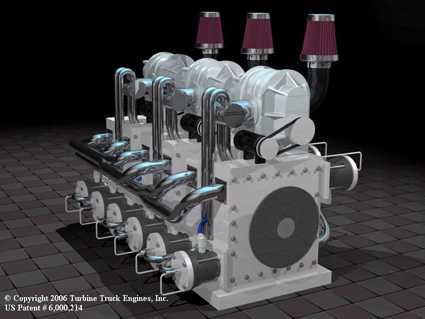
The DCGT uses a valveless manifold with two combustion chambers that fire alternately via a high-energy electric arc (Electromagnetic Isothermal Combustion). Each detonation creates high-pressure gases that drive a turbine rotor, producing shaft power. The cycle repeats, providing continuous power with fewer moving parts and the ability to run on a wide range of fuels.
Principles
- Pulse detonation combustion
- Electromagnetic Isothermal Combustion (EIC)
- Valveless manifold flow control
- Pressure-based fuel/air redirection
Scientific Domains
Materials
- Metal alloys (turbine rotor, housing)
- Ceramic or high-temperature coatings (combustion chamber)
- Electrical insulation for igniter
Mechanisms of Action
- Cyclic high-energy detonations generate pressure pulses that spin a turbine rotor.
- Electric arc (~=300 J) dissociates fuel-oxidizer molecules, producing complete detonation.
- Back-pressure from a detonation shuts off flow to that chamber and redirects it to the opposite chamber.
Energy Sources
Applications
- Heavy-duty truck propulsion
- Transportation powertrains
Claimed Performance
~=30 % reduction in fuel consumption, up to 40 % thermal efficiency, weight < 2 lb/hp, lower NOx/CO emissions.
Experimental Evidence
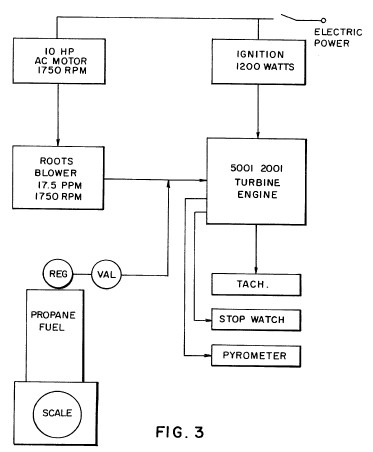
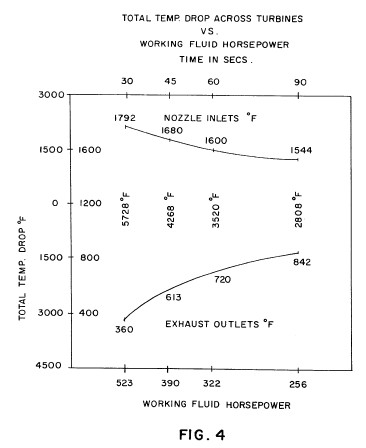
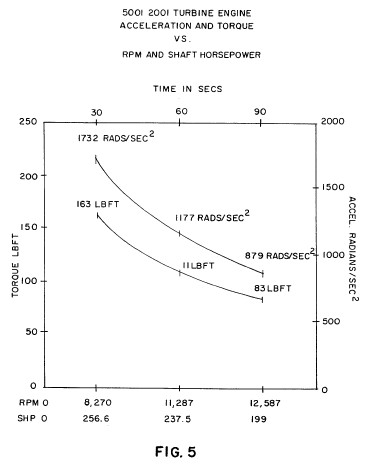
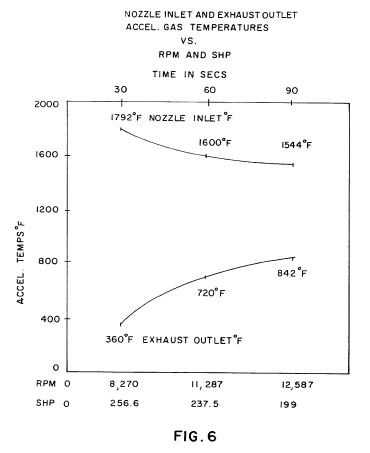
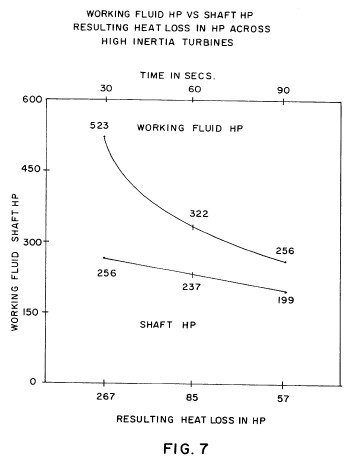
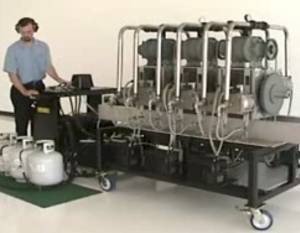
Prototype videos and a US patent (6,000,214) are cited; no quantitative test data or independent verification are provided.
Limitations
- No independent performance data
- Claims based on prototype demonstrations only
- Potential scaling challenges for high-power applications
Red Flags
- Efficiency claim (40 %) exceeds typical Brayton and Diesel cycles without peer-reviewed evidence
- Reliance on proprietary EIC process without disclosed chemistry