Goal
Generate clean electrical power and mechanical motion from a purported unlimited energy source.
Problem
Need for a low-cost, high-output, continuous energy source and a practical manufacturing process for the SEG.
Concept Summary
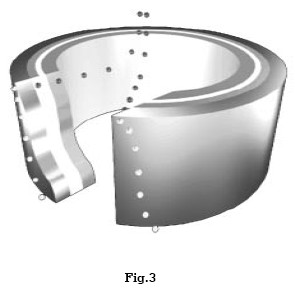
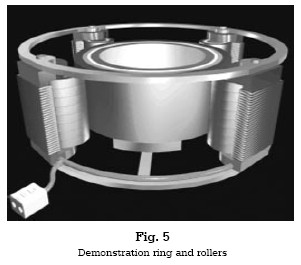
The SEG is a three-ring, concentric composite device that uses magnetic bearings, resonant magnetic fields, and a claimed zero-point/space-fabric energy source to drive rollers that produce high-voltage electricity. It relies on precise material masses, magnetic pole patterns, and stimulation frequencies to create a steady flow of electrons.
Detailed Description
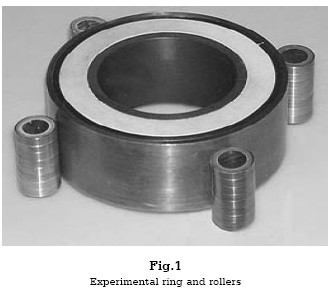
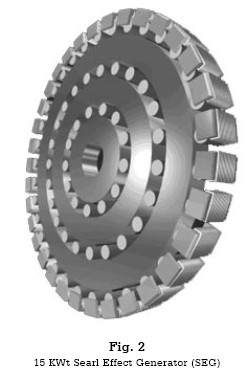
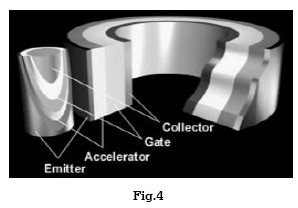
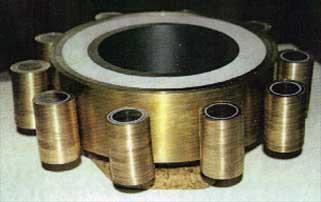
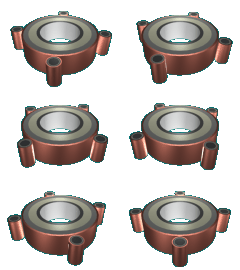
The SEG consists of three concentric rings, each made of a composite of four materials (rare-earth neodymium, iron or nickel, nylon-66 or Teflon, and aluminium or copper). The rings carry rollers (10-35 per ring) that rotate frictionlessly on magnetic bearings. Multiple magnetic poles are imprinted on the rings and rollers, forming a resonant magnetic field that accelerates negative ions and electrons, producing electrical power. The device is described as a step-up rotary transformer that can output up to 15 kW at 240 V. A partially functioning demonstration prototype (innermost ring with rollers) has been built, but the original magnetic layer composition remains uncertain.
Principles
- Law of the Squares
- Magnetic bearing
- Zero-point/Space Fabric energy
- Quantum Energy Field
- Resonant magnetic field
- Magnetic diode
Scientific Domains
Materials
- Neodymium
- Iron
- Nickel
- Aluminium
- Copper
- Nylon 66
- Teflon
Mechanisms of Action
- Magnetic levitation
- Electrostatic charge accumulation
- Resonant magnetic field induced ion acceleration
- Step-up rotary transformer
- Neodymium electron emission
Energy Sources
Applications
- Electricity generation
- Vehicle propulsion
- Magnetic levitation
Claimed Performance
15 kW electrical output at 240 V; rollers can reach 250 km/h; superconductivity claimed at 4 K.
Experimental Evidence
A partially functioning demonstration prototype of the SEG principles has been built, consisting of the innermost ring and several rollers, and it has produced electrical power in limited tests.
Replication Status
Only a single demonstration prototype has been reported; no independent replication documented.
Limitations
- Extremely tight material mass tolerances (+/-0.05 g per roller set)
- Uncertain composition of the original magnetic layer
- Lack of peer-reviewed experimental data
- Potential need for cryogenic temperatures for superconductivity
Red Flags
- Extra of unlimited free energy without quantitative validation
- No independent replication or peer-reviewed publication
- Historical association with "free-energy" devices that have been debunked