Goal
Provide propellant-less satellite positioning and on-orbit power transfer using electromagnetic formation flight and resonant inductive coupling.
Problem
Satellites are limited by finite propellant supplies, reducing maneuverability and mission lifetime; conventional thrusters also require fuel for on-orbit power distribution.
Concept Summary
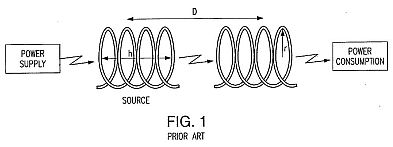
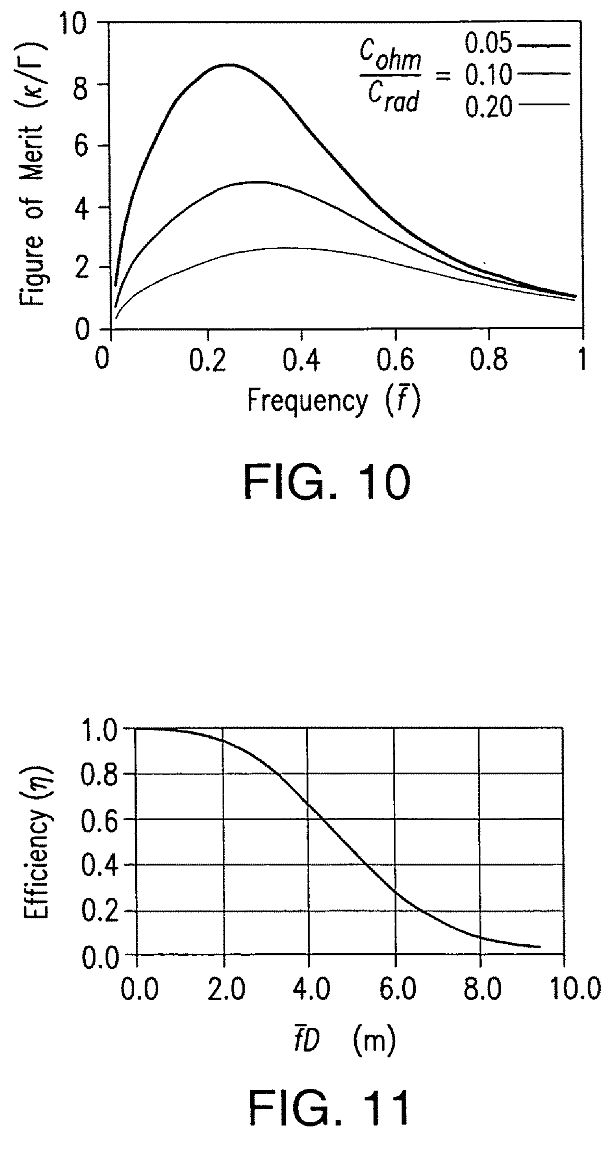
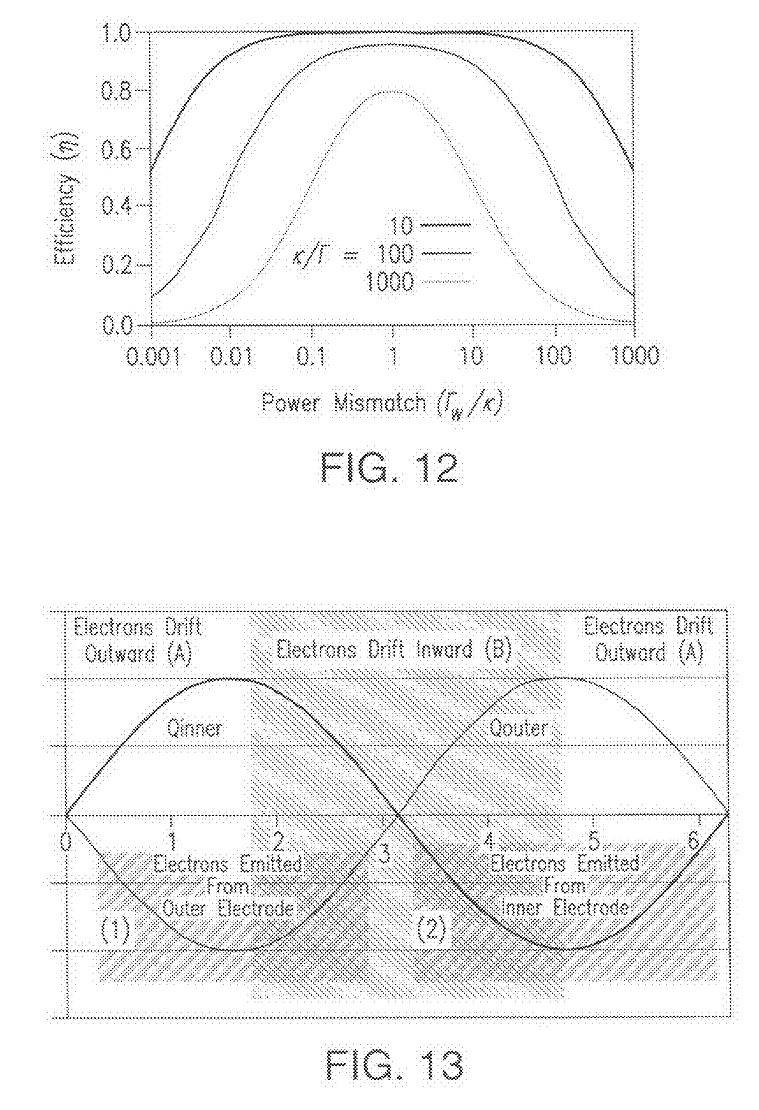
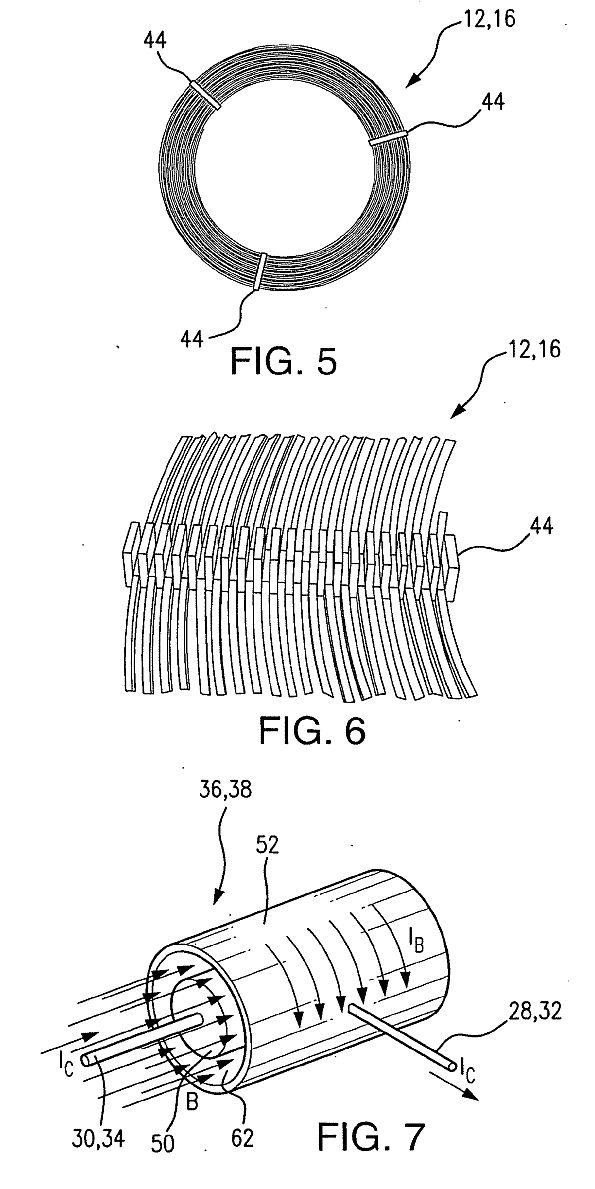
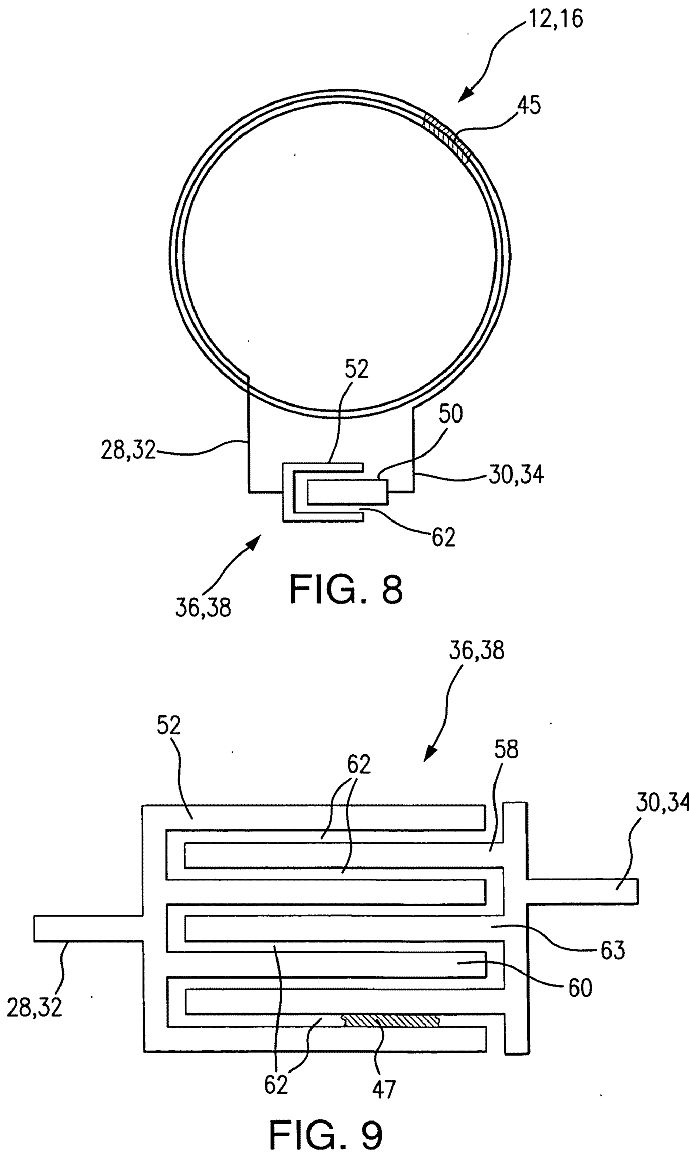
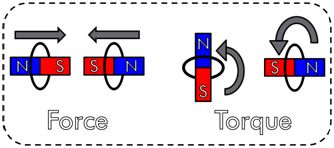
RINGS uses two coils of aluminum wire (prototype) that carry oscillating currents up to 18 A. By controlling phase (in-phase or out-of-phase) the coils generate attractive, repulsive, or shearing magnetic forces that can reposition satellites without propellant (electromagnetic formation flight). The same coils act as resonant inductive couplers for wireless power transfer, demonstrated to transmit ~50 W over 1 m and, in a related patent, up to 100 m with >50 % efficiency using superconducting components.
Detailed Description
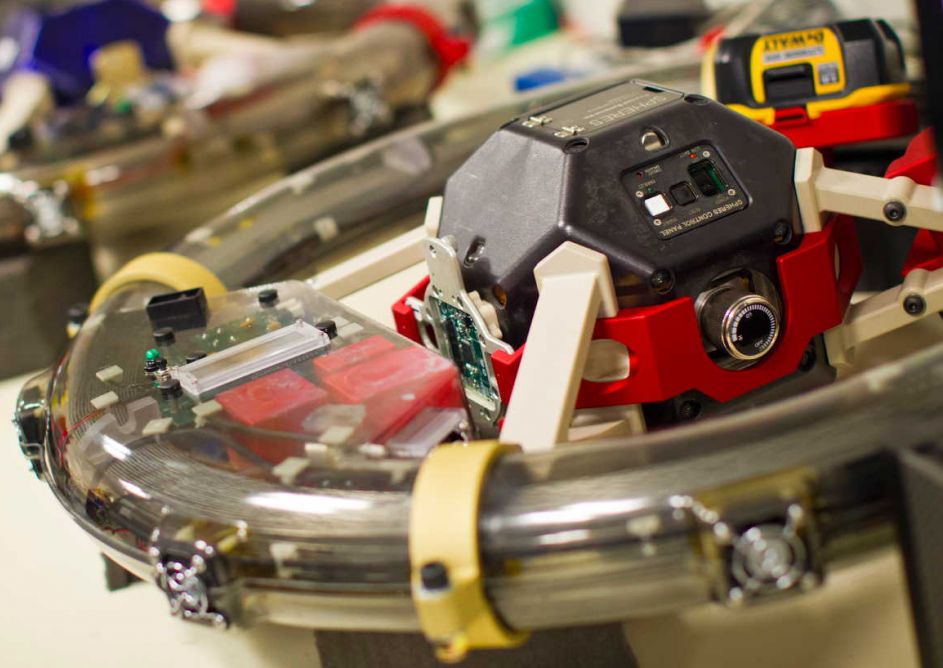
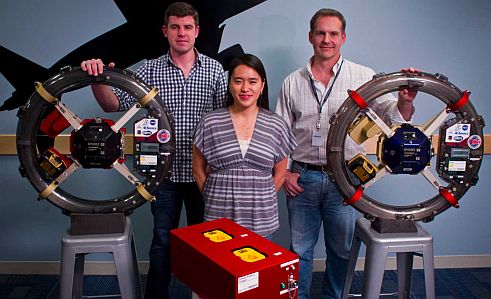
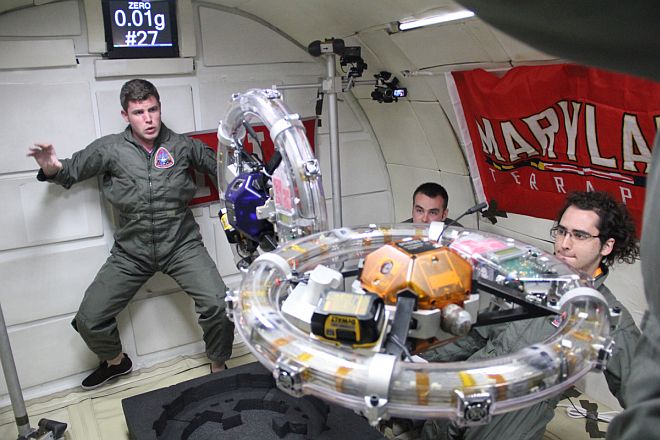
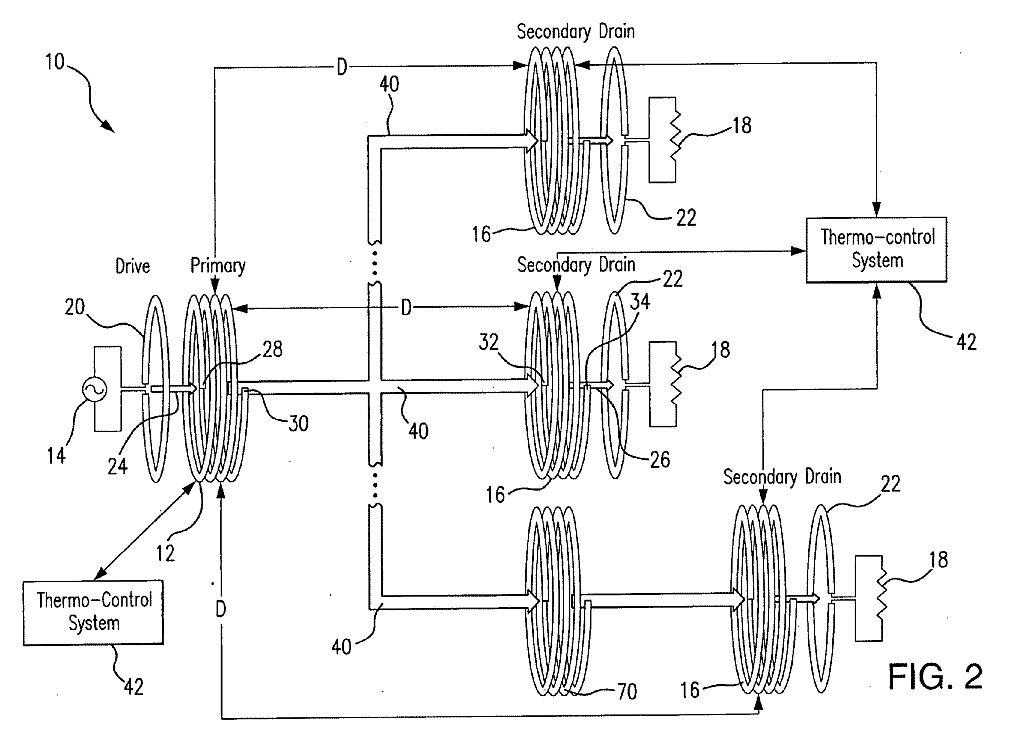
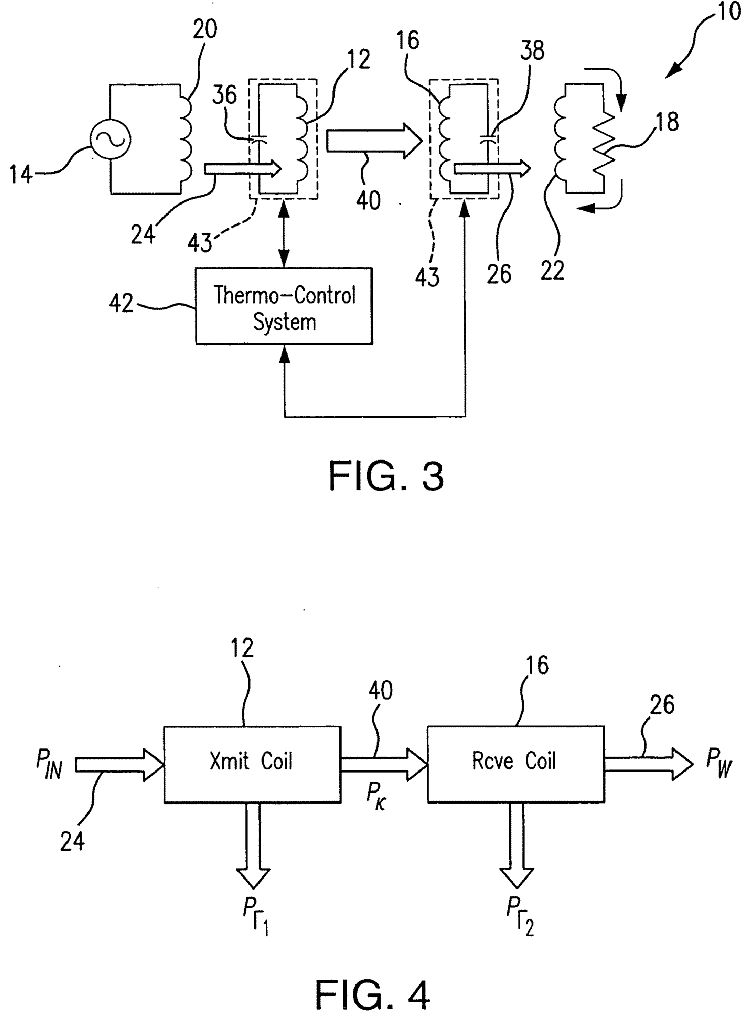
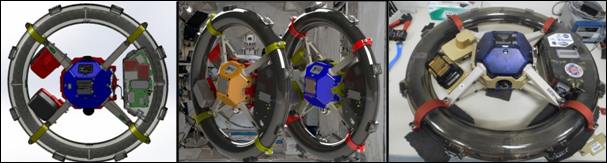
The system consists of two identical units, each housed in a polycarbonate shell and containing a specially fabricated aluminum-wire coil. Microcontrollers drive the coils with oscillating currents, allowing precise control of magnetic forces for six-degree-of-freedom formation flight. A primary unit can act as a transmitter, actively driving current, while the secondary unit receives power inductively. Future designs plan to replace aluminum with superconducting wire to increase range and efficiency. The technology has been tested in microgravity flights (reduced-gravity aircraft) and is scheduled for multiple test sessions on the International Space Station.
Principles
- Electromagnetic induction
- Resonant inductive coupling
- Magnetic force generation
- Phase-controlled current oscillation
Scientific Domains
Materials
- Aluminum wire
- Polycarbonate
- Superconducting wire (proposed)
- Superconducting capacitors (patent)
Mechanisms of Action
- Magnetic attraction/repulsion between oscillating coils
- Resonant energy transfer via coupled coils
- Wireless power transfer using high-Q resonators
Energy Sources
Applications
- Satellite position control
- Formation flight of spacecraft constellations
- On-orbit assembly
- Synthetic aperture arrays
- Space-based wireless power distribution
Claimed Performance
First successful EMFF demonstration in full six-degree-of-freedom microgravity; wireless power transfer expected ~50 W at 1 m; patent claims >50 % efficiency over distances up to 100 m using superconducting components.
Experimental Evidence
Microgravity aircraft test (spring 2013) demonstrated EMFF; ISS flight planned for multiple test sessions; patent documentation provides theoretical performance figures.
Replication Status
Only demonstrated by University of Maryland team; no independent replication reported.
Limitations
- Current prototype uses aluminum wire, limiting range and efficiency
- Superconducting implementation required for long-range high-efficiency operation
- Demonstrated only in short-duration microgravity flights and planned ISS tests