Goal
Generate electrical power without external fuel and produce apparent reduction of weight (anti-gravity) using quasi-single-pole magnets and Mobius-wound coils.
Problem
The need for a self-sustaining energy source and a method to counteract gravity for propulsion or weight reduction.
Concept Summary
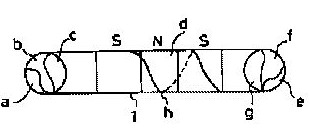
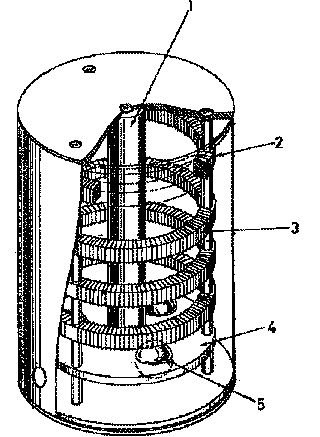
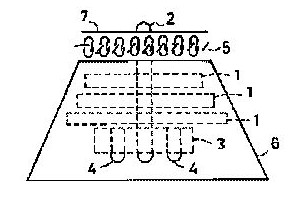
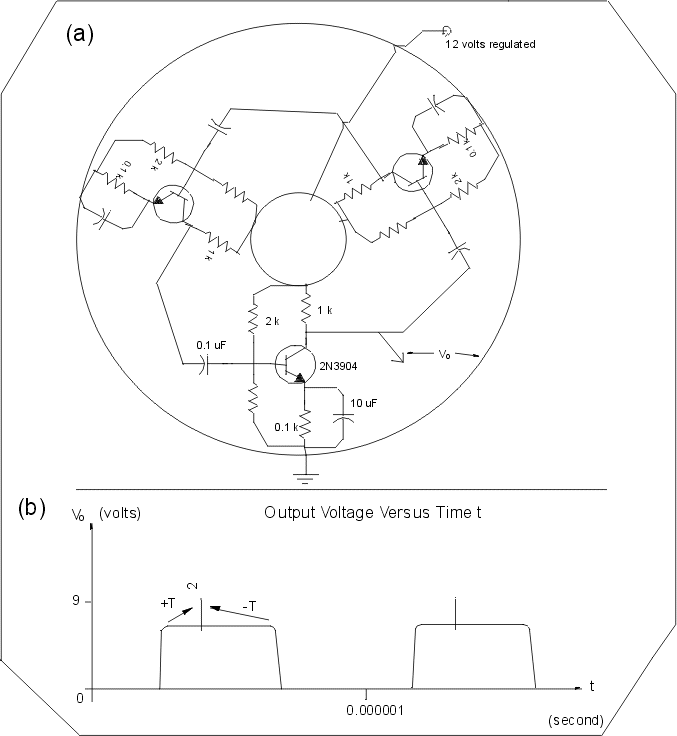
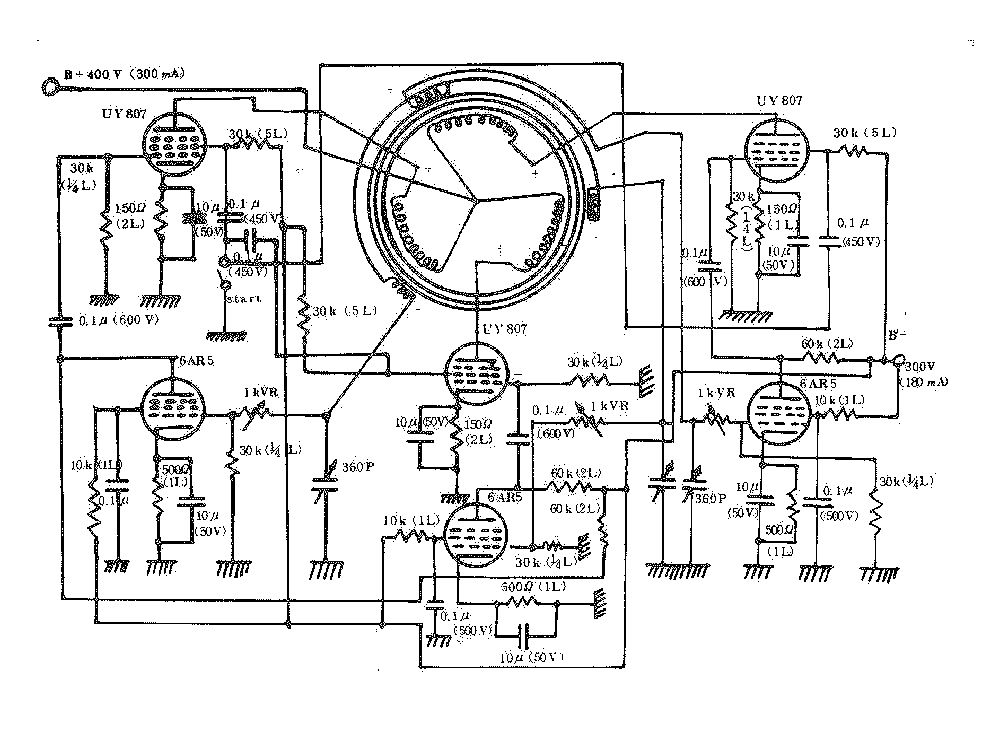
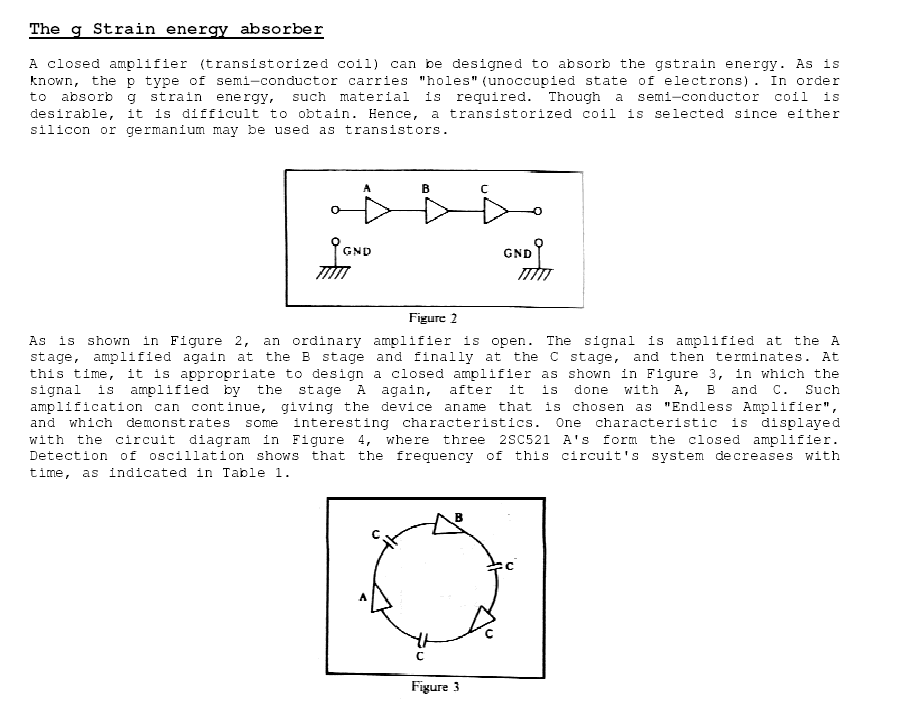
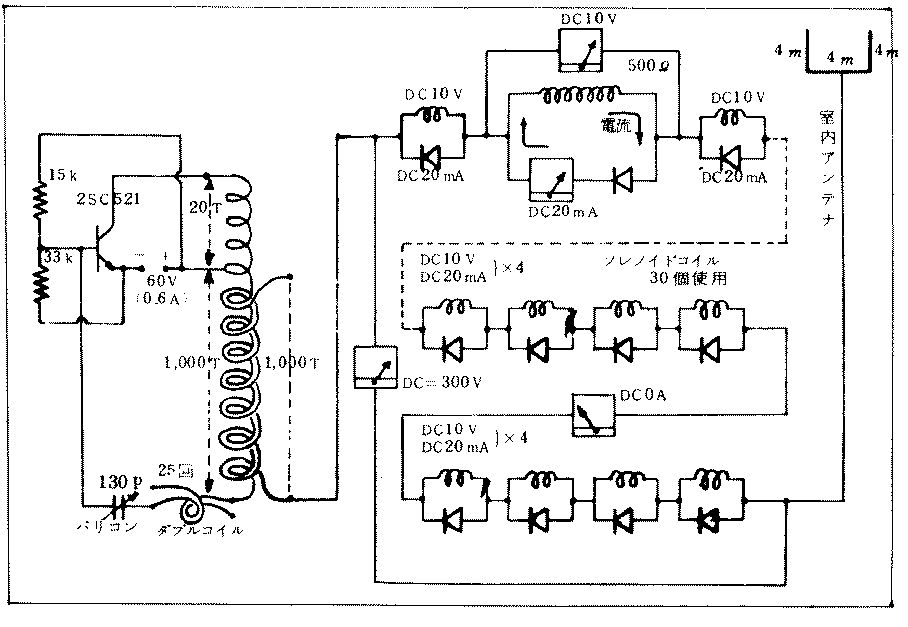
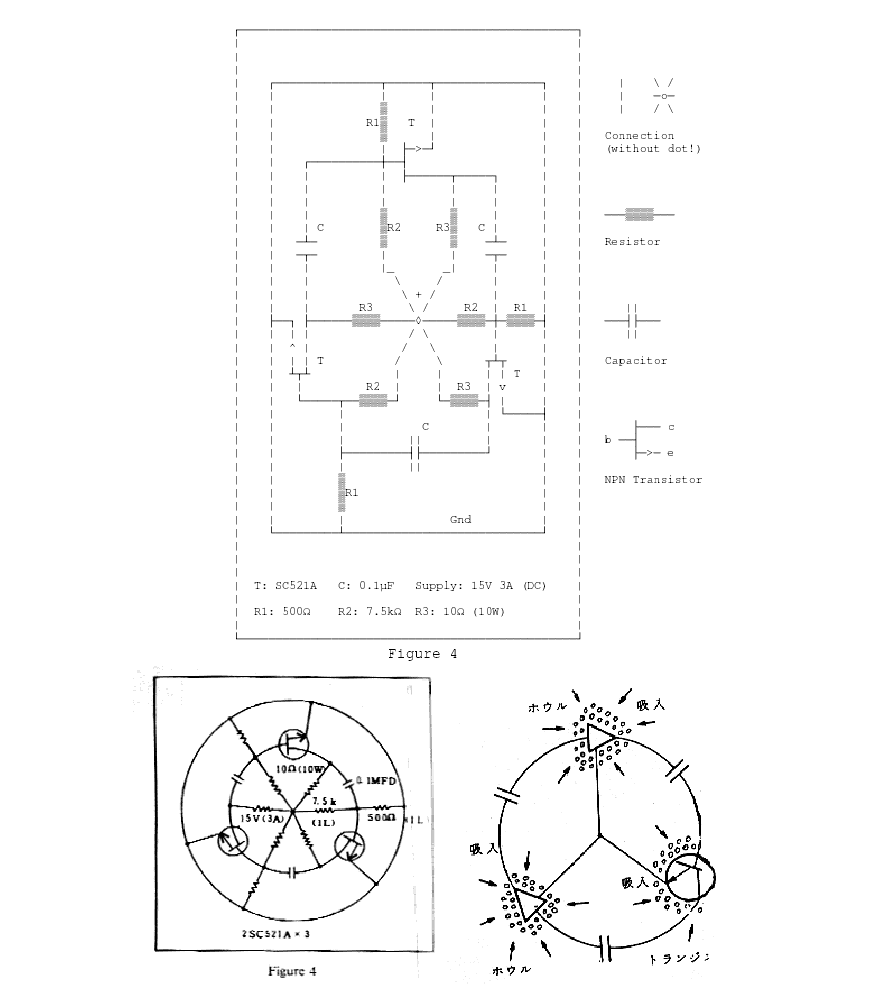
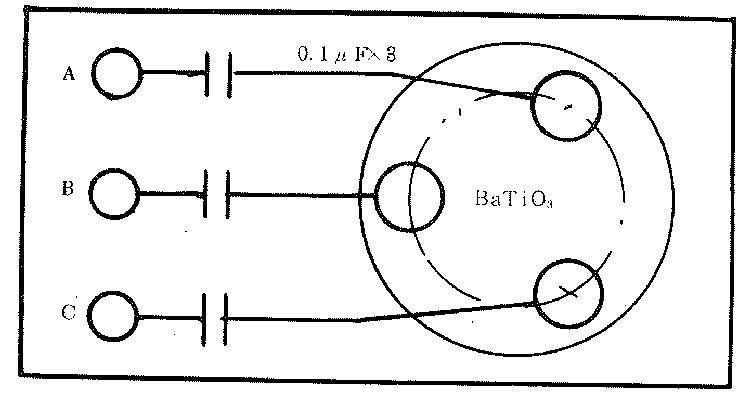
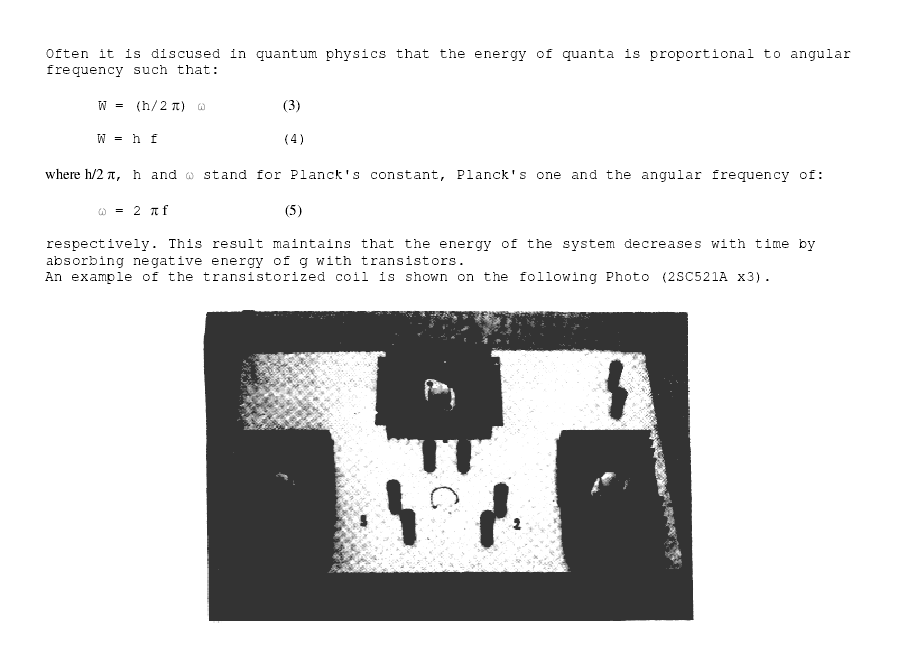
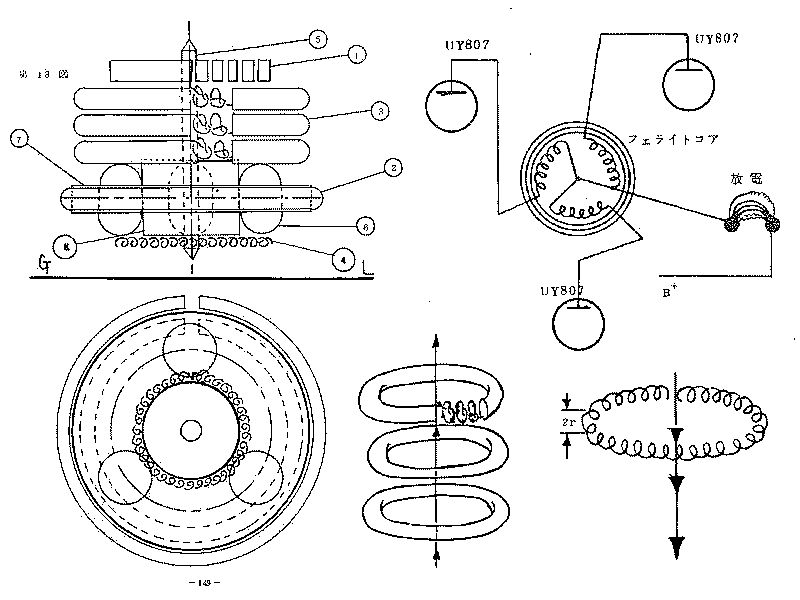
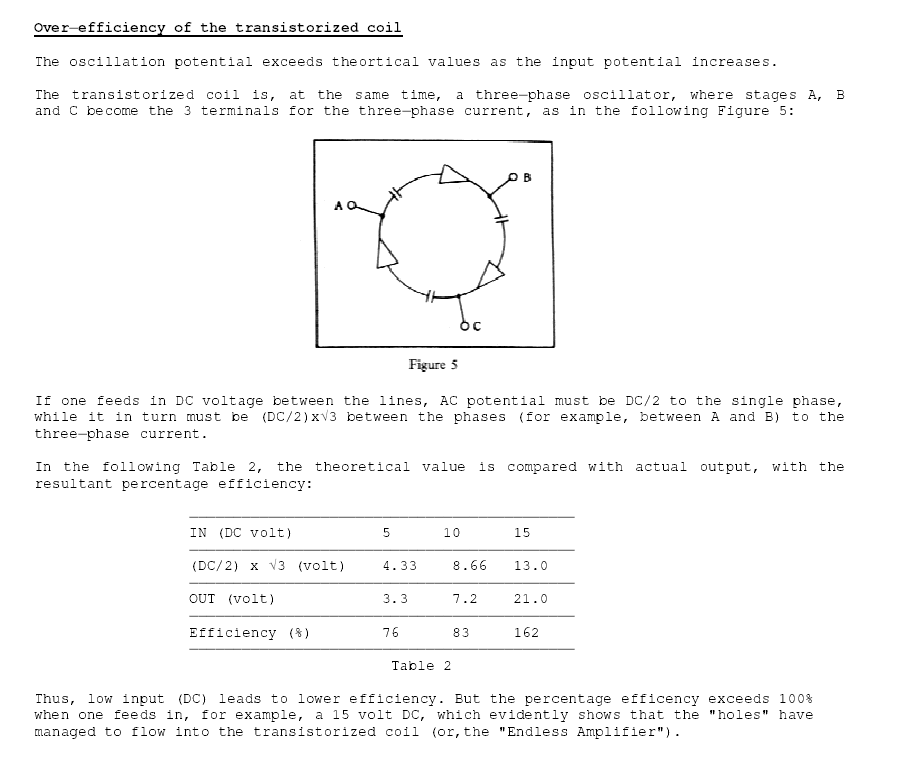
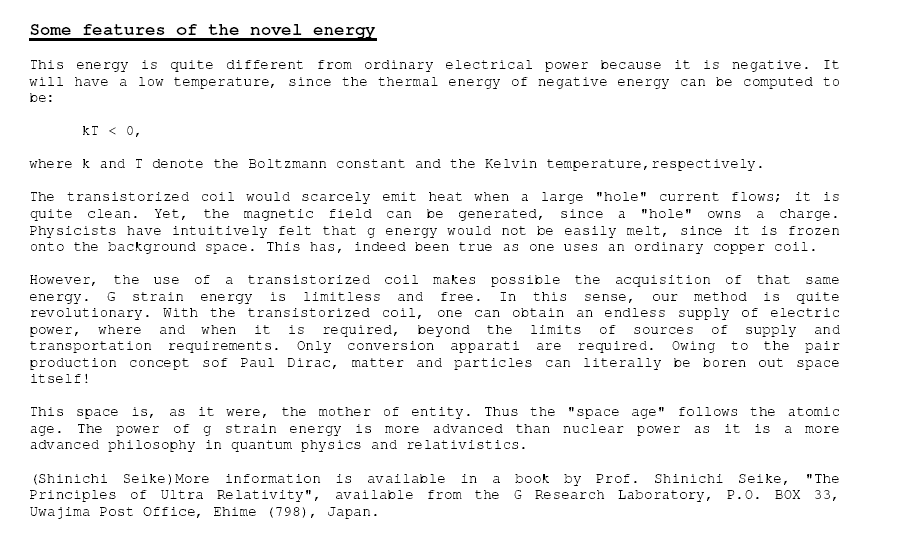
The invention uses a Mobius-wound conductive coil around a rare-earth magnetic core (e.g., neodymium or praseodymium) to create a quasi-single-pole magnet. The coil is pulsed, magnetizing the core into an N-S-N or S-N-S configuration. By cutting and re-bonding pole ends, a quasi-single-pole magnet is formed. Multiple stages of such coils are arranged in resonant circuits (capacitor coils, toroidal cores) to produce three-phase AC and, according to the inventor, over-unity power output and a measurable decrease in the coil's weight while current flows. Replication attempts and a tachyon detector are also described.
Principles
- Mobius winding
- Quasi-single-pole magnet
- Resonant capacitor-coil circuits
- Pulse current energization
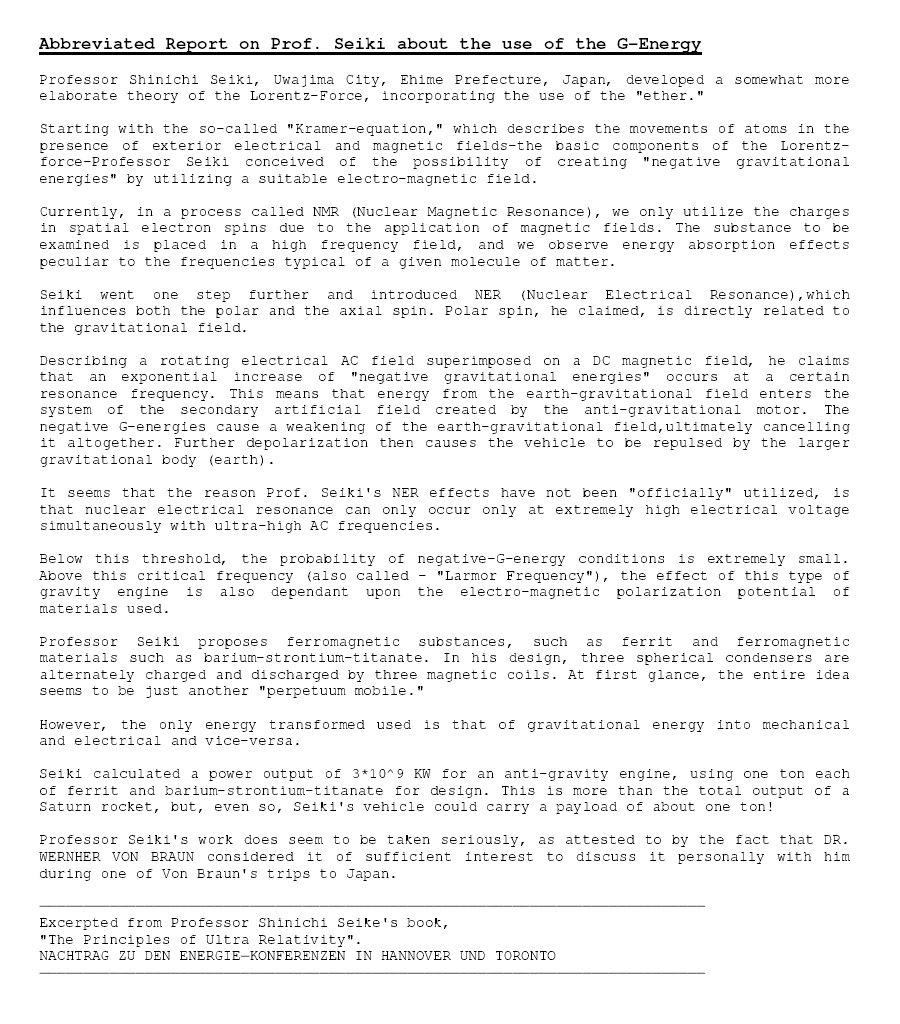
- Ultra-relativity theory
Scientific Domains
Materials
- Rare-earth elements (neodymium, praseodymium)
- Conductive wire (copper or alloy)
- Gold alloy conductors
- Adhesive agent
- Capacitors
- Gold balls (embedded in resonance disk)
- Toroidal core material
Mechanisms of Action
- Creation of a quasi-single magneticpole magnetic field by Mobius winding
- Magnetization of rare-earth core with pulsed current
- Resonant energy extraction via capacitor-coil LC circuits
- Apparent weight reduction due to interaction of electric current with gravity (as reported)
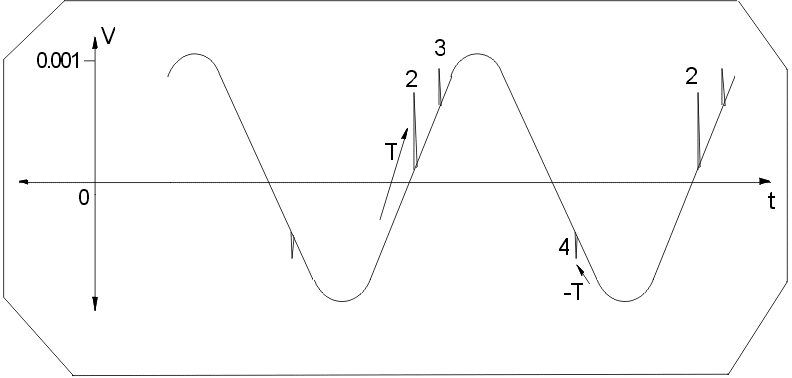
- Tachyon generation in semiconductor stages (hypothetical)
Energy Sources
Applications
- Self-sustaining power generation
- Propulsion systems with reduced effective weight
- Experimental tachyon detection
Claimed Performance
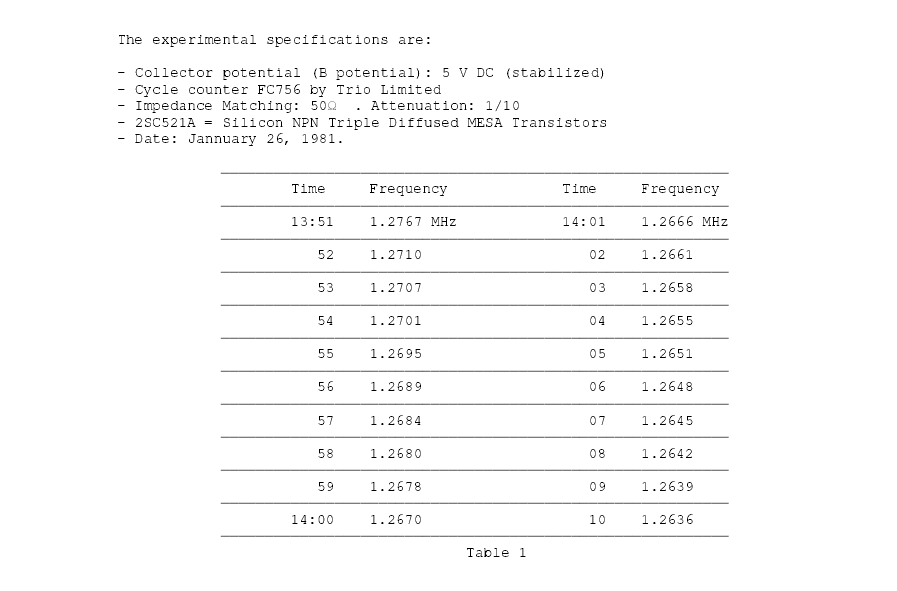
Over-unity (free) energy generation, measurable weight loss of the coil during operation, detection of tachyon-like voltage spikes.
Experimental Evidence
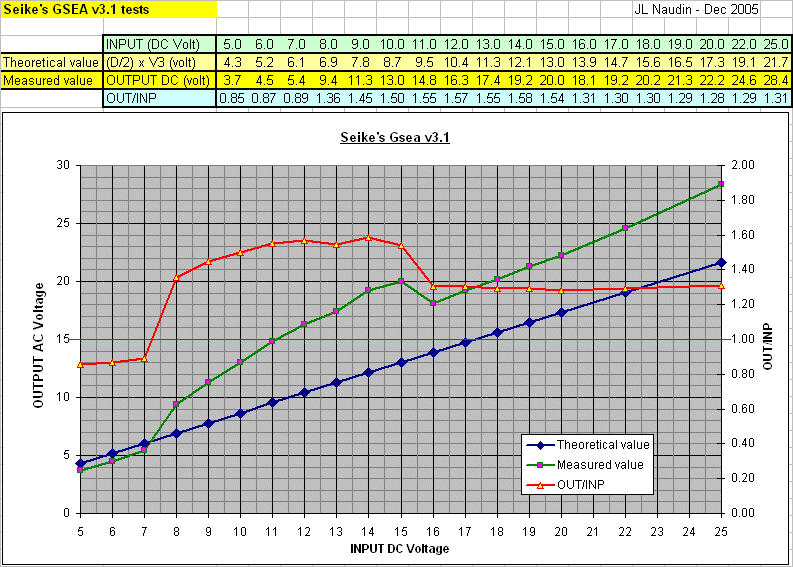
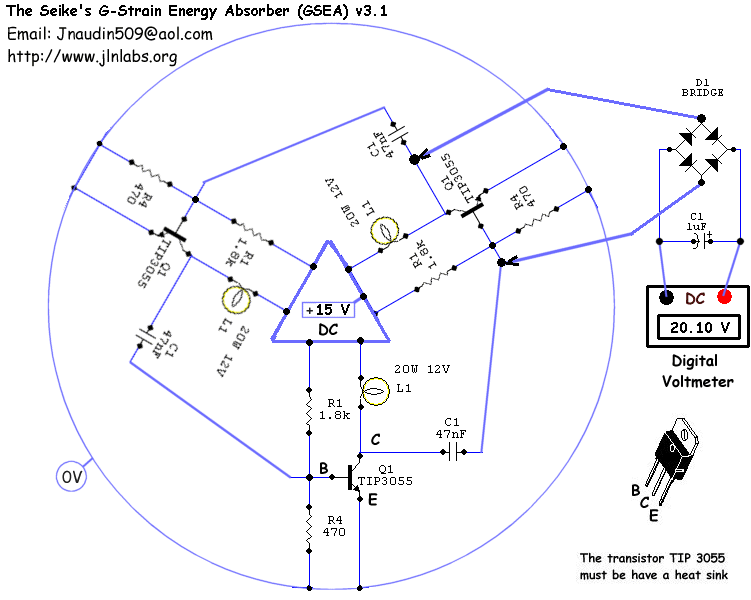
Obata & Ono reported weight reduction of Klein and transistor coils with electric current. Matsumoto's student theses allegedly support the effect. Jean-Louis Naudin documented a replication of the G-Strain Amplifier. Len Belfroy described a "round amplifier" tachyon detector based on Seike's design.
Replication Status
Replication attempts documented (Naudin, Belfroy) but no independent peer-reviewed verification reported.
Limitations
- Lack of peer-reviewed, reproducible data
- Theoretical basis (ultra relativity) not accepted by mainstream physics
- Potential measurement errors in weight-reduction experiments
- Complex coil winding and precise construction requirements
Red Flags
- Claims of free energy and anti-gravity
- Reference to tachyons (hypothetical faster-than-light particles)
- Absence of independent, peer-reviewed validation
- Reliance on unpublished theses and self-published PDFs