Goal
Increase fuel economy of gasoline-powered cars by up to 50 % while maintaining low emissions comparable to diesel engines.
Problem
Low thermal efficiency of conventional spark-ignited gasoline engines and high emissions of diesel engines; need for a cost-effective alternative to hybrids.
Concept Summary
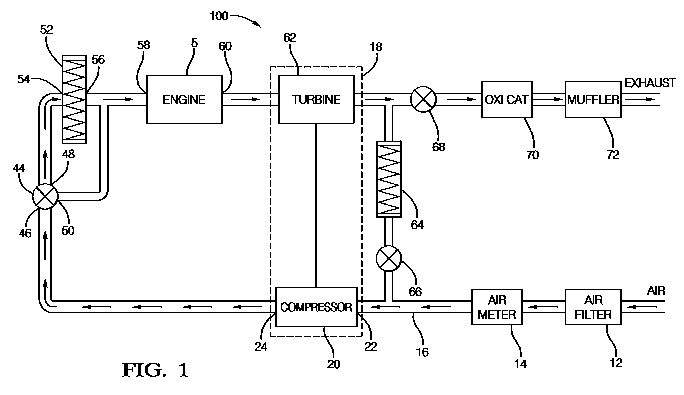
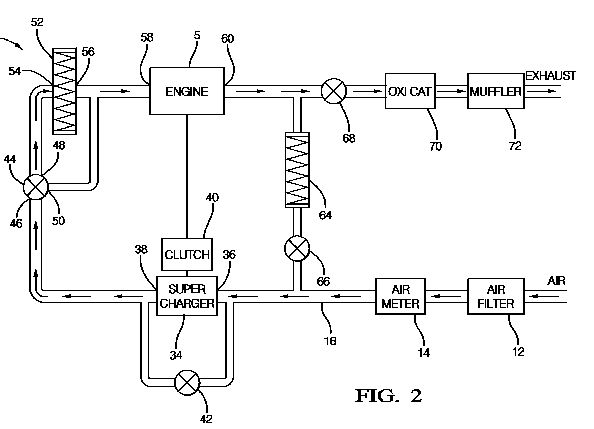
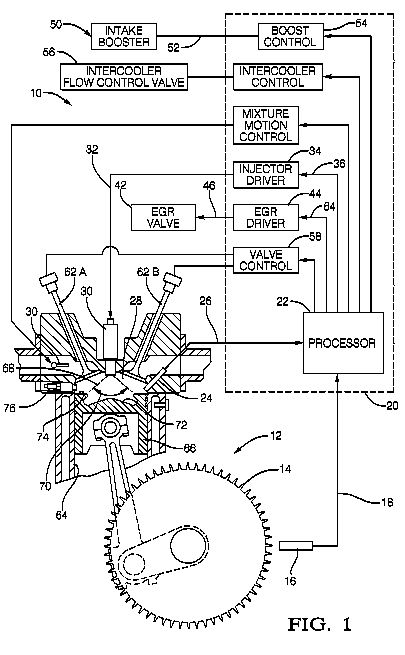
The Delphi GDCI engine uses high-pressure direct gasoline injection combined with multiple precisely timed injection bursts, intake-air boost, exhaust-gas recirculation, and exhaust-gas heating to achieve compression ignition of gasoline. By creating a stratified, partly premixed charge and controlling ignition dwell, the engine attains diesel-like efficiency with gasoline.
Detailed Description
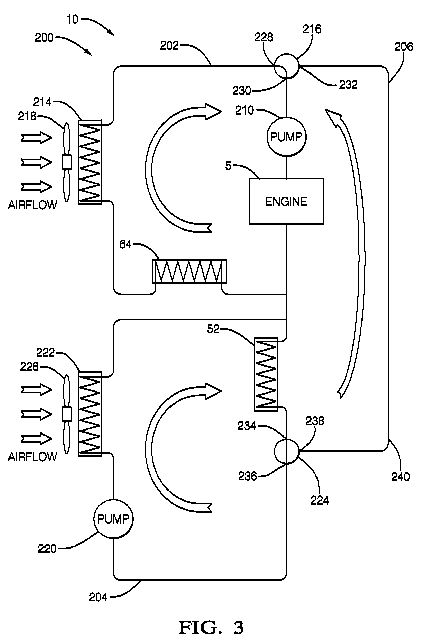
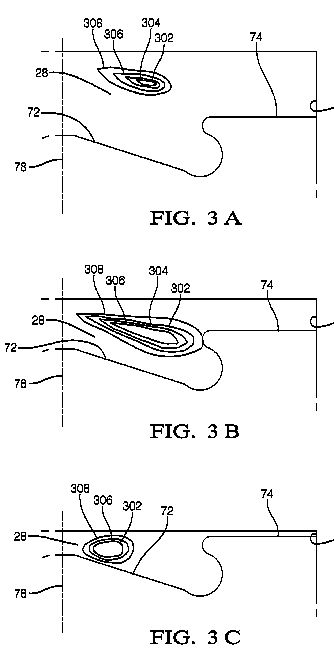
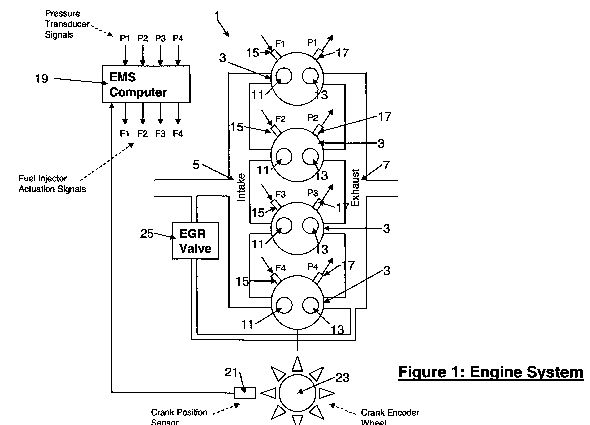
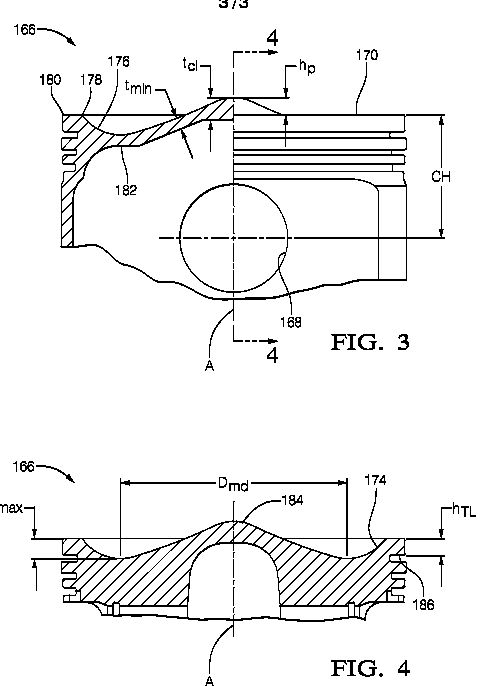
In the GDCI approach, a gasoline-fuel injector delivers three short, timed fuel pulses into a heated, high-pressure air charge. At low engine speeds or during start-up, a portion of exhaust gas is routed back into the combustion chamber to raise its temperature and ensure reliable auto-ignition. Intake air is boosted and, when needed, cooled with a liquid-cooled charge-air cooler to manage charge temperature. The piston bowl geometry is designed to localize the fuel and achieve a near-stoichiometric equivalence ratio just before ignition. Advanced engine control algorithms monitor cylinder pressure, crank angle, and exhaust-gas composition to adjust injection timing, EGR, and valve actuation, thereby optimizing combustion across the full speed-load map while keeping NOx and particulate emissions low.
Principles
- Compression ignition
- Direct high-pressure fuel injection
- Multiple injection timing (pulse-train injection)
- Exhaust-gas recirculation (EGR) for charge heating
- Intake air boost and charge-air cooling
- Stratified charge formation
- Closed-loop ignition dwell control
Scientific Domains
Materials
- Gasoline
- Air
- Exhaust gases
Mechanisms of Action
- Air compression raises temperature to auto-ignite injected gasoline
- Three-burst injection creates a controlled premixed zone for fast, efficient combustion
- Exhaust gas injection pre-heats the chamber at low load/temperature conditions
- Intake boost increases charge density, improving combustion efficiency
- Ignition dwell timing aligns fuel injection end with start of combustion for optimal pressure rise
Energy Sources
Applications
- Passenger-car internal combustion engines
- Hybrid vehicle powertrains
- Commercial vehicle engines
Claimed Performance
Up to 50 % improvement in fuel economy (~= 2x efficiency) relative to conventional gasoline engines; diesel-like thermal efficiency with low emissions; comparable to hybrid vehicle performance without a large battery pack.
Experimental Evidence
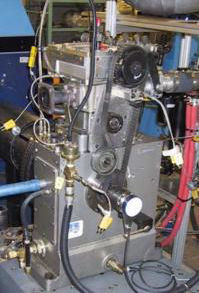
Delphi has demonstrated the GDCI concept in a single-piston test engine across a wide range of operating conditions and is beginning tests on a multicylinder prototype. Simulations of a midsized vehicle equipped with a multicylinder version predict the 50 % fuel-economy gain.
Replication Status
Demonstrated in a single-cylinder test engine; multicylinder prototype testing underway; no independent third-party replication reported.
Limitations
- Complex multi-pulse injection timing required
- Control of combustion at low load and low temperature
- Potential noise and vibration compared to conventional engines
- Need for advanced engine control hardware and software