Goal
Accelerate and control the decay of radioactive isotopes to decontaminate radioactive waste and contaminated areas.
Problem
Existing radioactive waste treatment methods (calcination, chemical treatment, high-voltage electrostatic generators) are limited, unsafe, expensive, and ineffective in moist environments.
Concept Summary
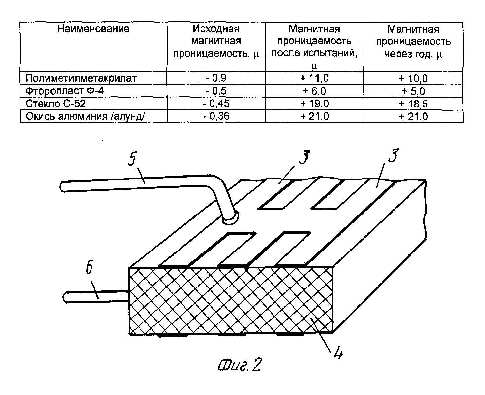
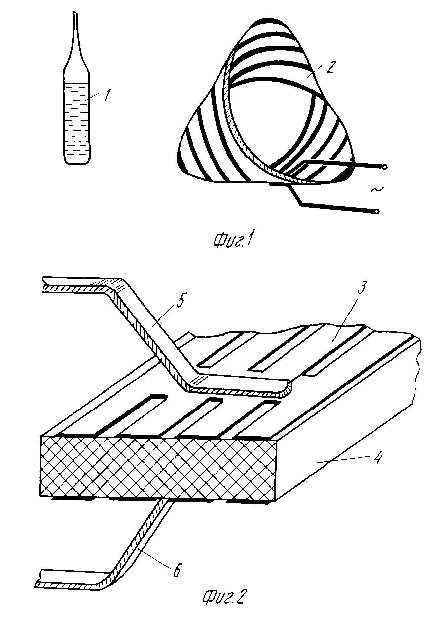
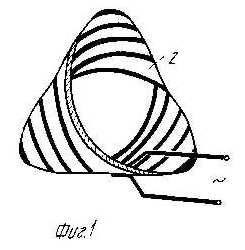
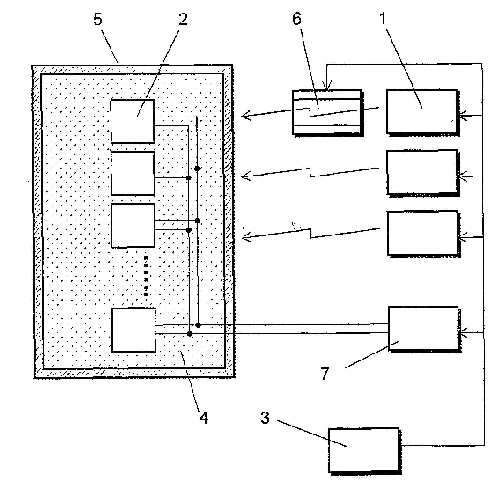
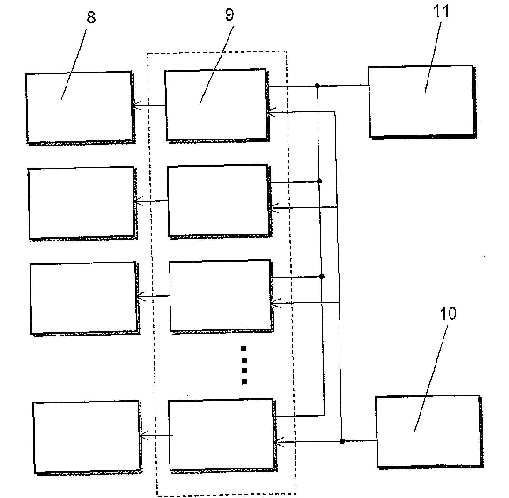
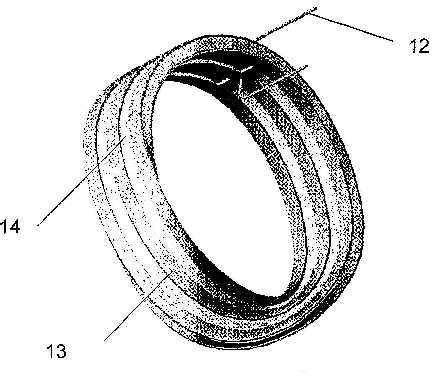
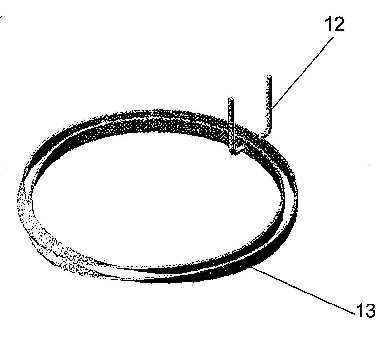
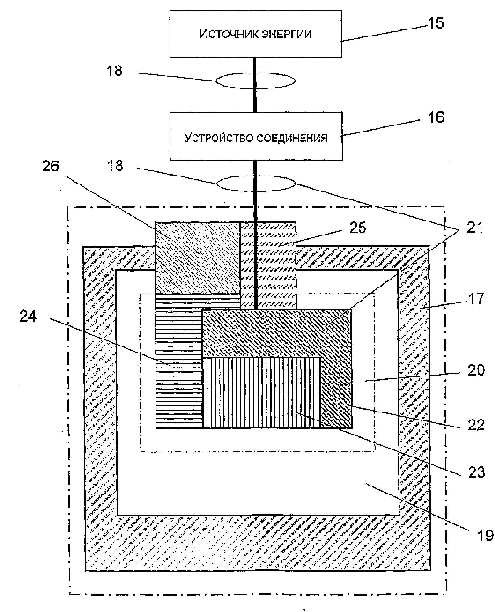
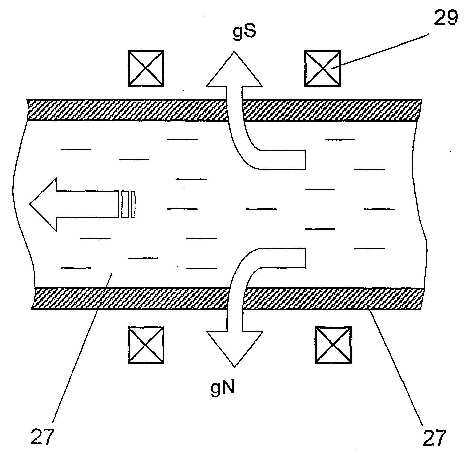
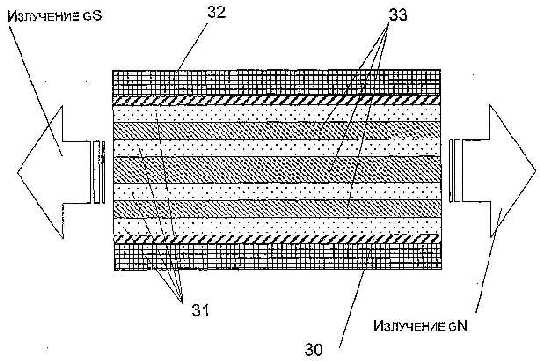
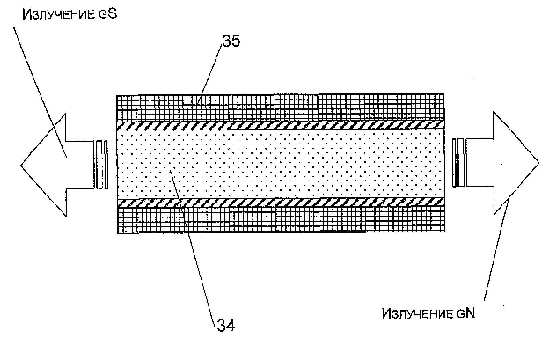
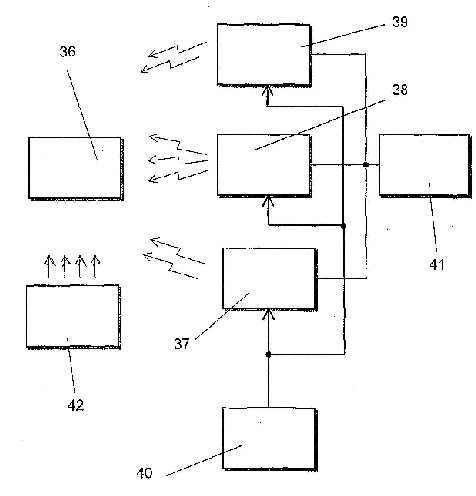
A conductive-strip array is printed on a dielectric substrate folded into a Möbius strip. The strip system is energized by a pulsed high-current, low-voltage source, creating a strong localized electrostatic/magnetic field that is claimed to generate magnetic-monopole-like particles. Exposure of radioactive material to this field allegedly modifies the decay constant, increasing the decay rate and allowing controlled decontamination.
Principles
- External electrostatic field
- Magnetic monopole emission (theoretical)
- Controlled radioactive decay
- Pulse-voltage excitation
Scientific Domains
Materials
- Copper conductors
- Dielectric substrate (unspecified, likely polymer or ceramic)
- Adhesive N 88
Mechanisms of Action
- Generation of a strong localized electric field (~782 kV equivalent) by the Möbius-strip electrode
- Emission of magnetic-monopole-like particles during high-current pulses
- Interaction of the field/particles with radionuclides to alter decay probability
Energy Sources
Applications
- Radioactive waste treatment
- Site decontamination
- Nuclear research
Claimed Performance
The device can increase the decay rate of 131J by roughly 40 % compared with natural decay, allowing control of the decay period and rapid decontamination.
Experimental Evidence
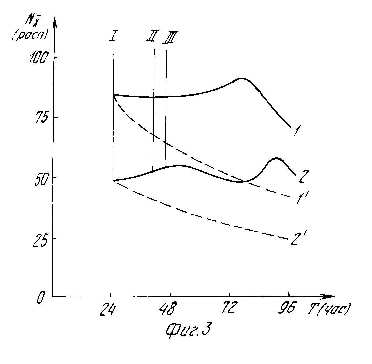
In a laboratory test, ampoules containing 131J were irradiated for 15 min at 1.5 m distance from the emitter. Measured decays were 70 after 15 min and remained 70 after 45 min, versus a background of 50 decays without exposure. Decay counts remained elevated (~=75-82) up to 96 h after exposure.
Replication Status
Only the single experiment described in the patent document is reported; no independent replication is mentioned.
Limitations
- Relies on unverified magnetic-monopole phenomena
- Requires high-current pulsed power and precise geometry
- Experimental data limited to a single isotope and short-term measurements
Red Flags
- Extraordinary claim of controlling nuclear decay
- No peer-reviewed publication or independent verification
- Potential safety hazards from high-current pulses and strong fields