Goal
Drive sharks away from humans and protect sharks from accidental capture
Problem
Shark attacks on divers, surfers, swimmers and unintended shark capture in fisheries
Concept Summary
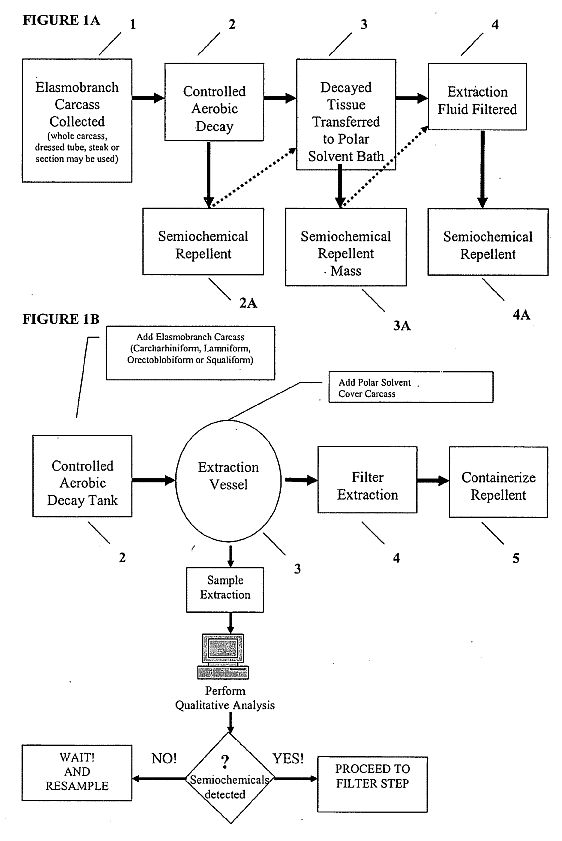
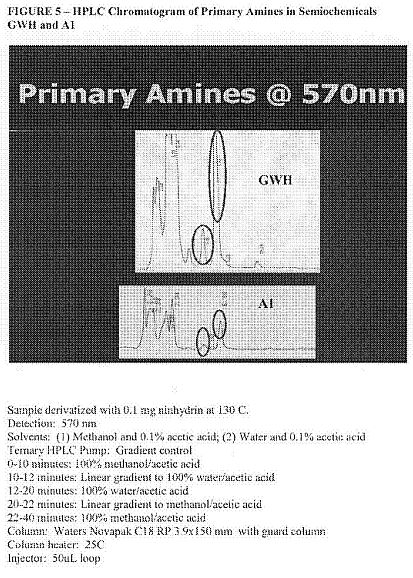
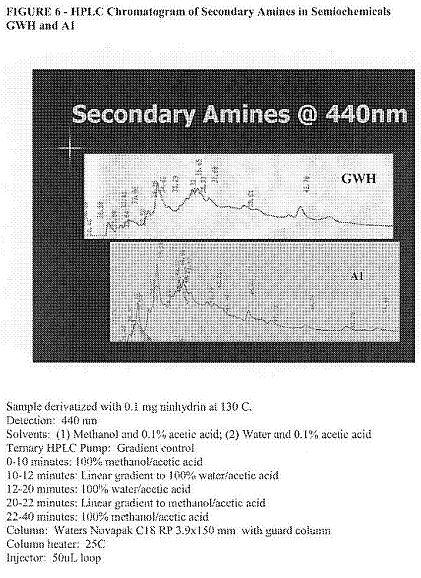
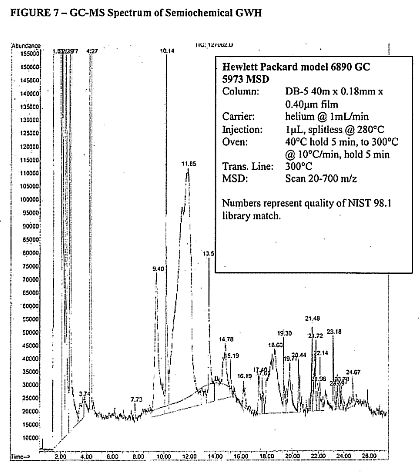
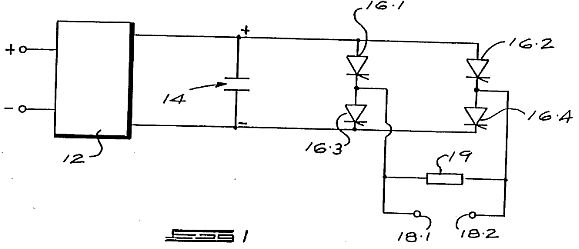
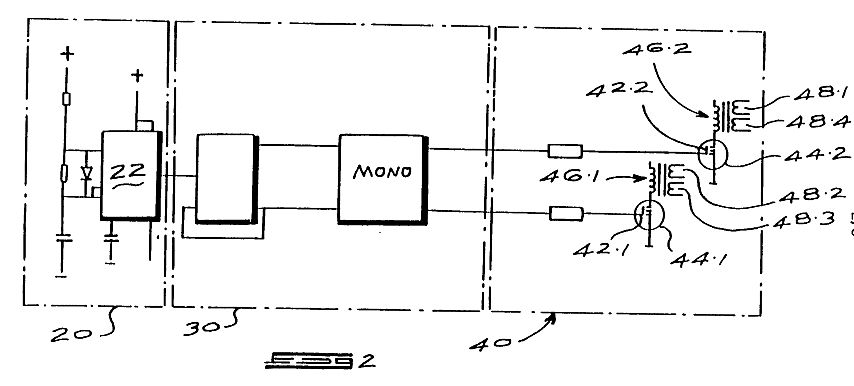
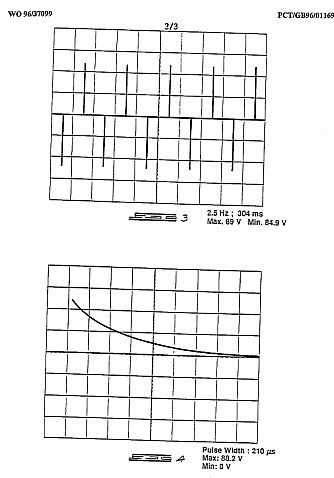
Shark repellents employ chemical semiochemicals derived from dead shark tissue, copper-based compounds, magnetic fields, or electrical fields to trigger avoidance behavior in sharks. Chemical sprays mimic the odor of a dead shark, while devices such as the Shark Shield generate a low-frequency electric field that stimulates the shark's ampullae of Lorenzini, causing discomfort and retreat.
Principles
- Semiochemical odor deterrence
- Electrical stimulation of ampullae of Lorenzini
- Magnetic field interference with shark electroreception
Scientific Domains
Materials
- Sodium lauryl sulfate
- Copper sulfate
- Copper acetate
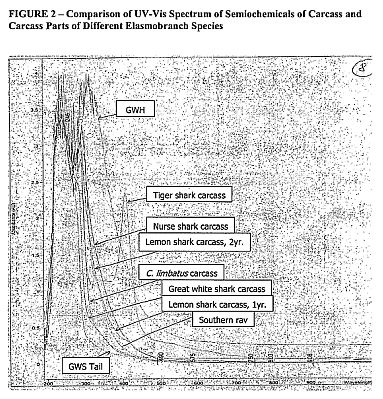
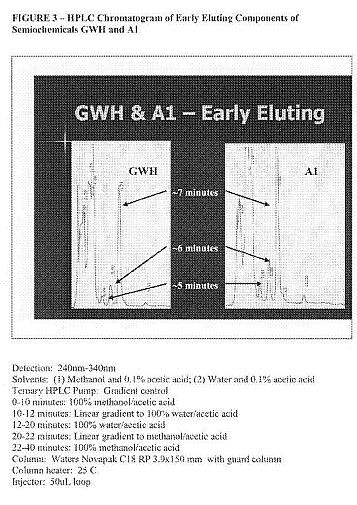
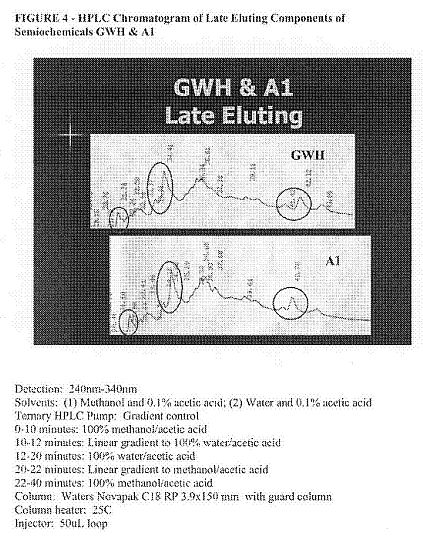
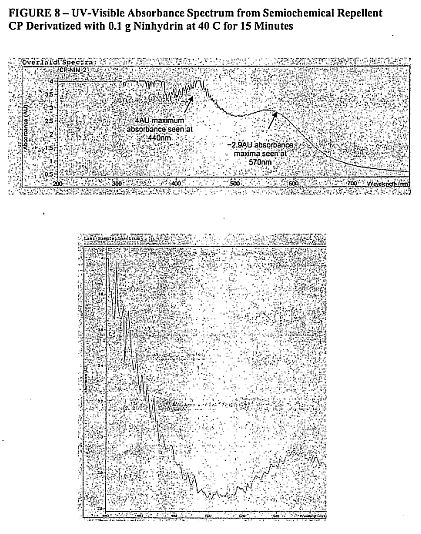
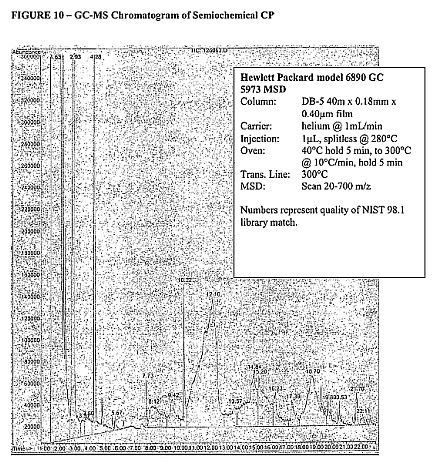
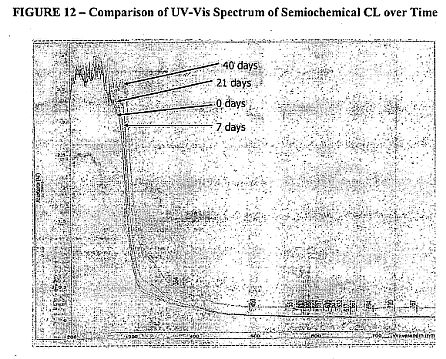
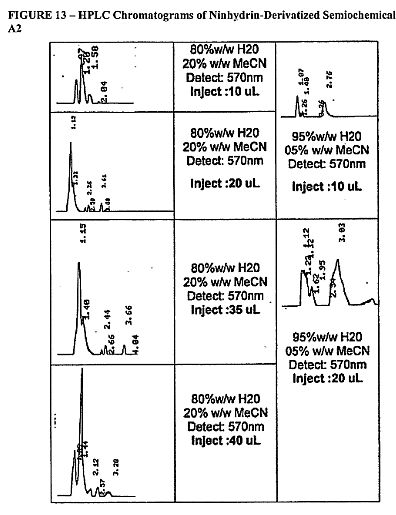
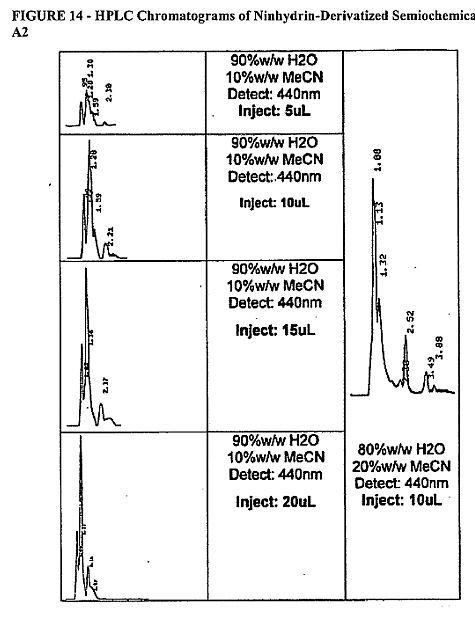
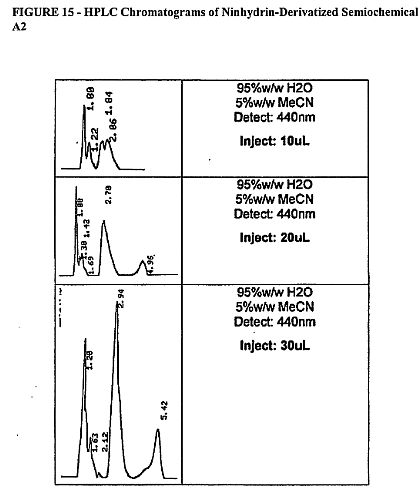
- Semiochemical extracts from shark tissue
- Black dye (for visual masking)
- Metal electrodes (for electric devices)
Mechanisms of Action
- Sharks detect and flee from chemical cues associated with dead sharks
- Electrical pulses induce muscle spasms via ampullae of Lorenzini
- Magnetic fields disrupt shark electroreceptive navigation
Energy Sources
Applications
- Diver and surfer protection
- Protection of fishing gear and nets
- Shark deterrence for submarines and offshore equipment
Claimed Performance
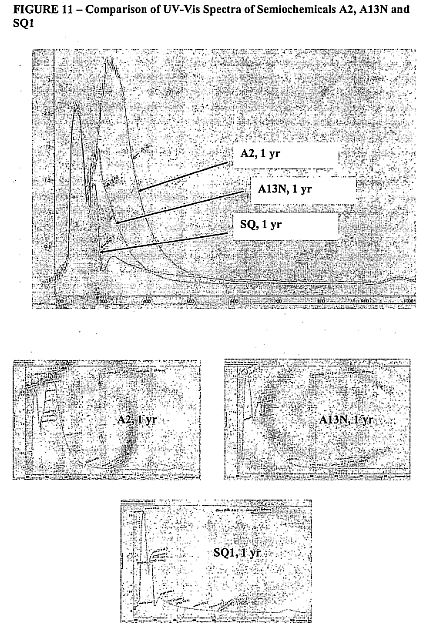
A-2 spray repels sharks for up to two hours with a few drops per minute; Shark Chaser (copper acetate) reported ~70 % effectiveness; Shark Shield causes immediate muscle spasms and forces sharks to turn away within a few meters.
Experimental Evidence
Field tests at Bimini Biological Field Station (2004) documented shark flight response to A-2 spray; presentations at the 2004 Joint Meeting of Ichthyologists and Herpetologists; Shark Shield performance shown in videos and cited by US Coast Guard and Australian Elite Military.
Replication Status
No independent peer-reviewed replication reported; results are limited to authors' field observations.
Limitations
- Effectiveness varies by shark species
- Chemical sprays require frequent re-application
- Limited peer-reviewed data on long-term environmental impact
- Battery life constraints for electric devices
Red Flags
- Performance claims largely based on proprietary field tests
- Potential commercial bias (patents and product marketing)
- Lack of independent scientific validation