Goal
Replace missing teeth with a regenerated natural tooth grown from the patient's own stem cells, eliminating the need for conventional dentures or implants.
Problem
Loss of natural teeth in adults, which currently requires dentures or metal-post implants that can be uncomfortable and require sufficient jaw bone.
Concept Summary
A small ball (bud) of patient-derived stem cells is cultured in vitro to induce dental tissue differentiation, then implanted into the jaw under local anaesthetic. The bud matures over weeks-to-months into a fully formed tooth that integrates with bone, nerves, and blood vessels, also generating new alveolar bone.
Detailed Description
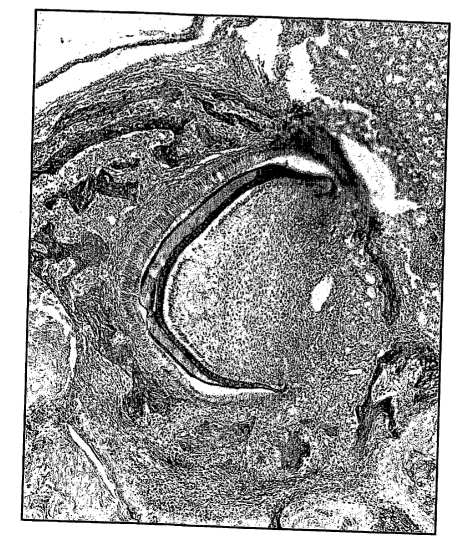
The process begins with harvesting stem cells from the patient (e.g., dental pulp or bone-marrow cells). In a laboratory setting the cells are nurtured with specific growth factors to form a tooth primordium (bud) that is pre-programmed to develop into a specific tooth type (molar, incisor, etc.). After a couple of weeks the bud is implanted through a small incision in the gum under local anaesthetic. Within months the cells differentiate into enamel, dentin, pulp, and periodontal ligament, while simultaneously inducing alveolar bone formation that anchors the tooth. The growing tooth releases biochemical signals that attract nerves and blood vessels, achieving functional integration. Mouse studies have demonstrated complete tooth formation within weeks, and the inventors claim the same principles apply to humans.
Principles
- Stem-cell differentiation
- Tissue engineering
- Regenerative dentistry
- In-situ organogenesis
Scientific Domains
Materials
- Patient-derived stem cells (e.g., dental pulp stem cells, bone-marrow stromal cells)
- Culture media with odontogenic growth factors
Mechanisms of Action
- Implantation of a cultured tooth primordium
- Induction of odontogenic differentiation by growth factors
- Simultaneous alveolar bone formation
- Neurovascular integration via released chemokines
Applications
- Permanent dental restoration
- Improved denture retention via bone augmentation
- Personalized regenerative dentistry
Claimed Performance
A fully formed, functional tooth can be grown in situ within a few months after implantation, providing a permanent, biologically integrated replacement for a missing tooth.
Experimental Evidence
Mouse experiments have shown that implanted tooth buds develop into mature teeth within weeks, with concurrent bone formation. The authors state that the underlying biological principles are the same in humans, though human trials have not yet been reported.
Limitations
- Requires harvesting and culturing of patient-specific stem cells
- Procedure time (weeks-to-months) before functional tooth is available
- No published human clinical trial data yet
- Potential regulatory hurdles for cellular therapies