Goal
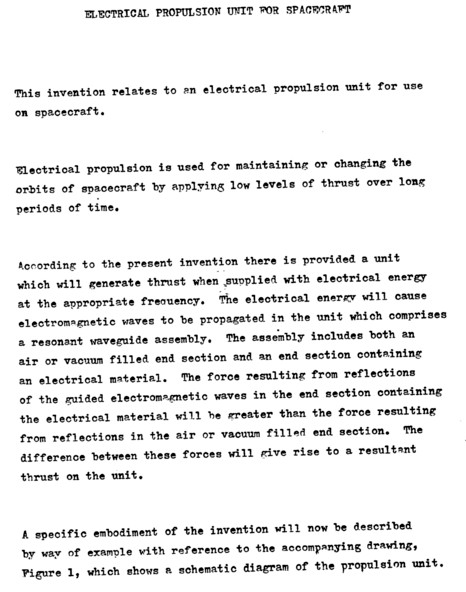
Provide propellant-less thrust for satellite and spacecraft propulsion.
Problem
Heavy, limited-life propellant subsystems that increase launch mass and cost for space missions.
Concept Summary
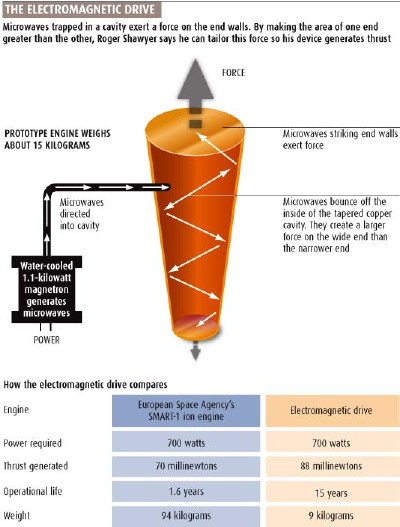
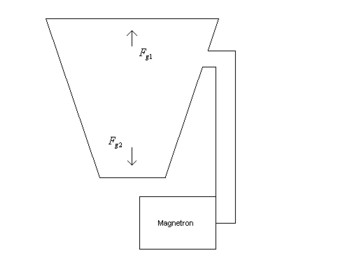
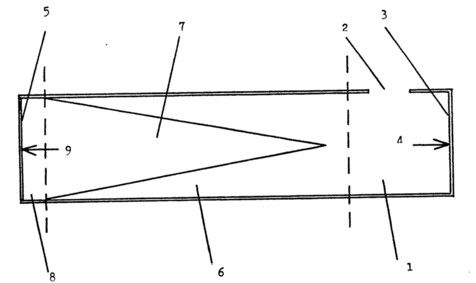
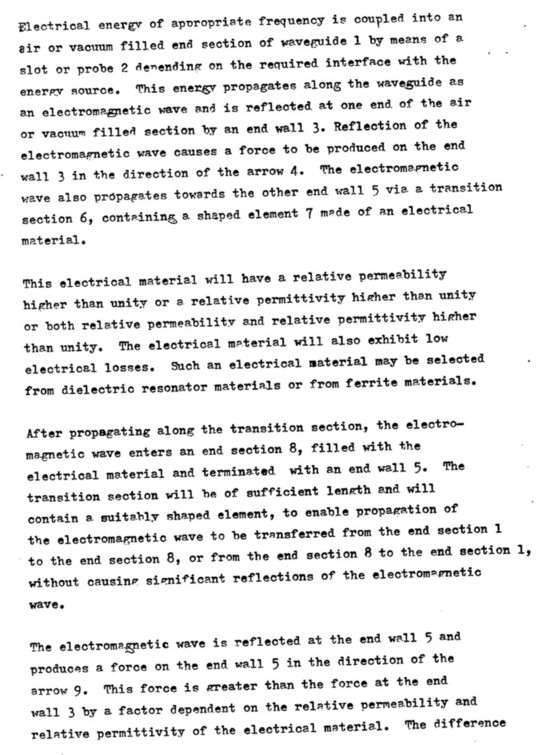
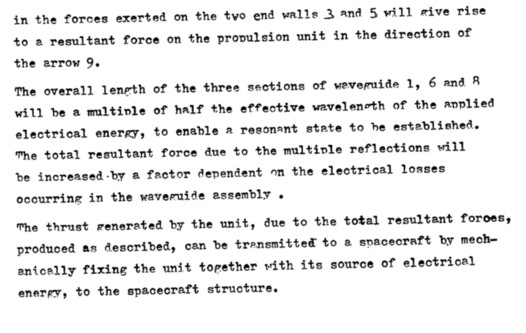
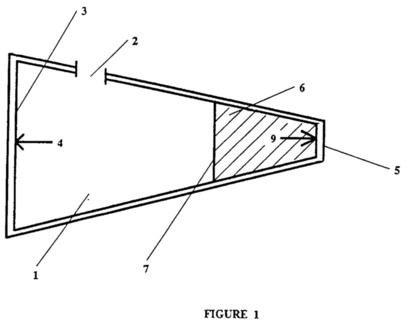
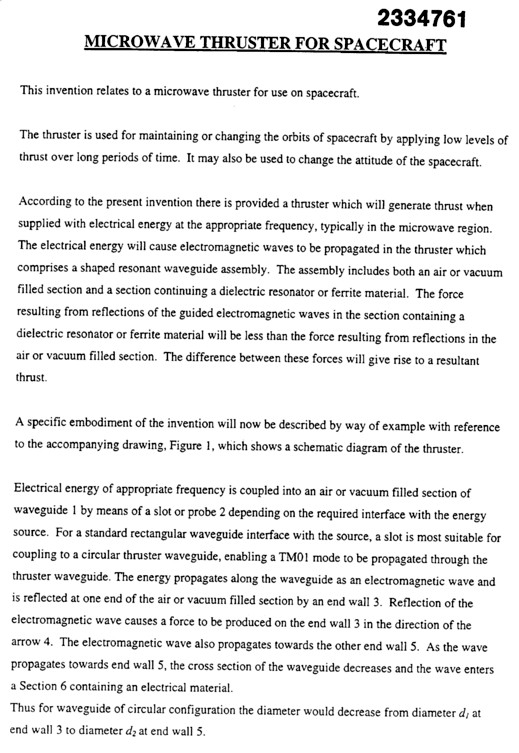
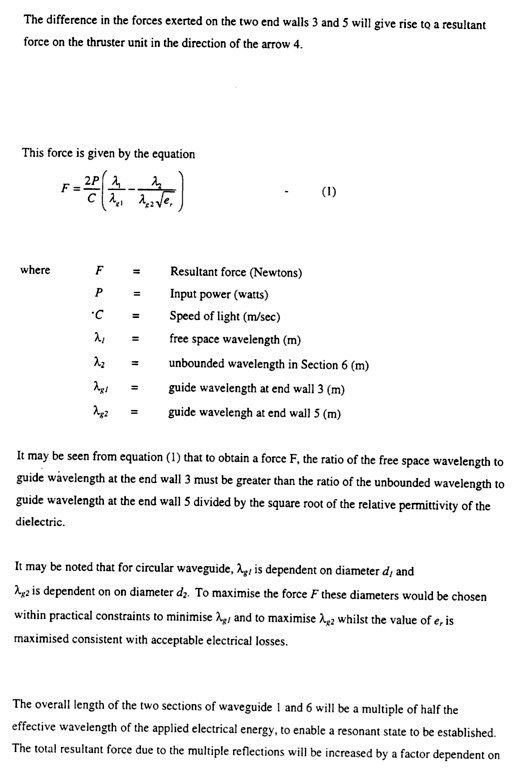
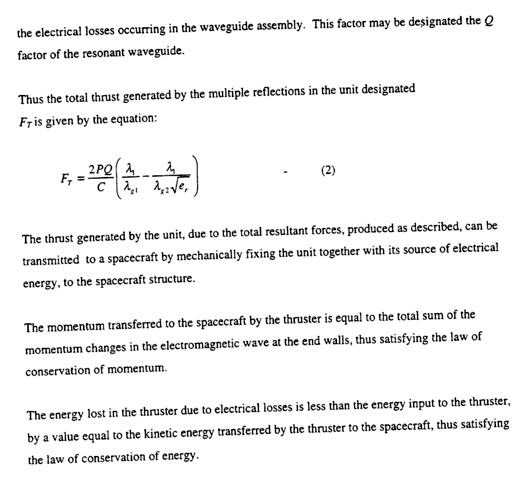
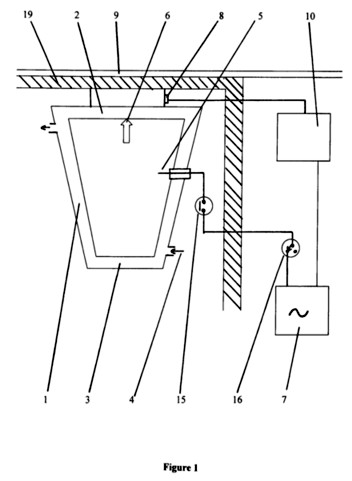
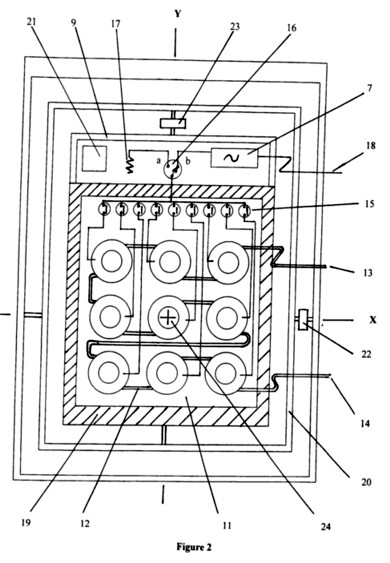
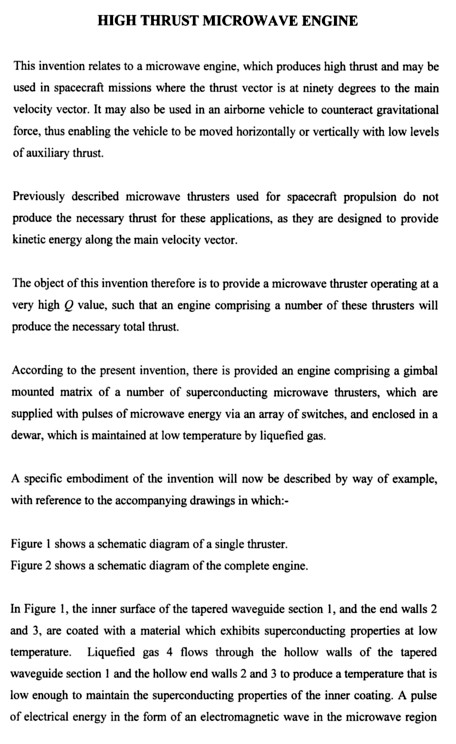
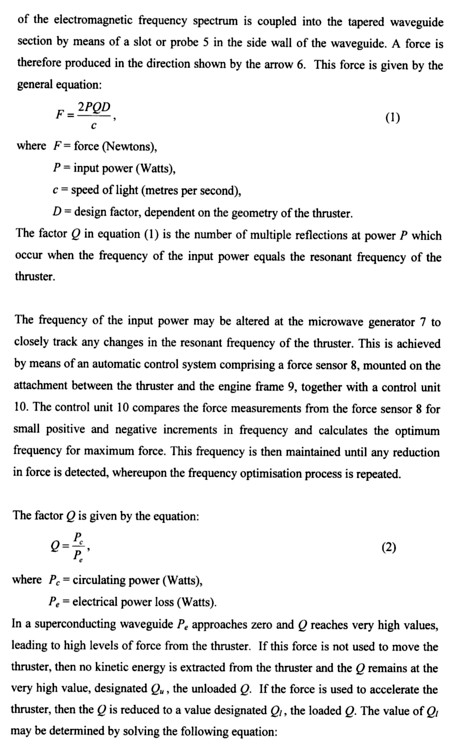
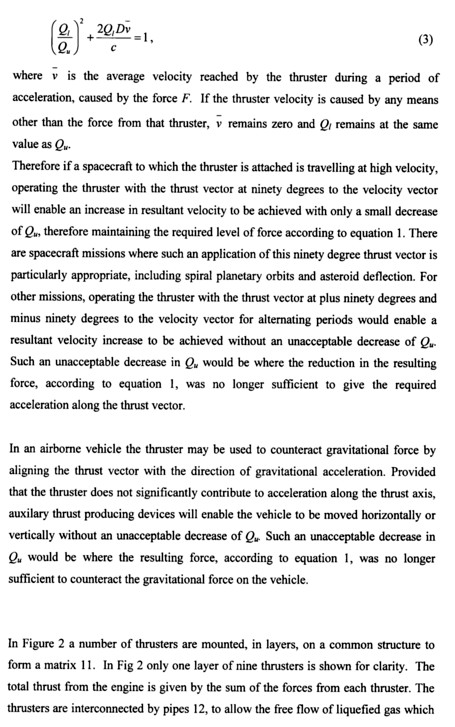
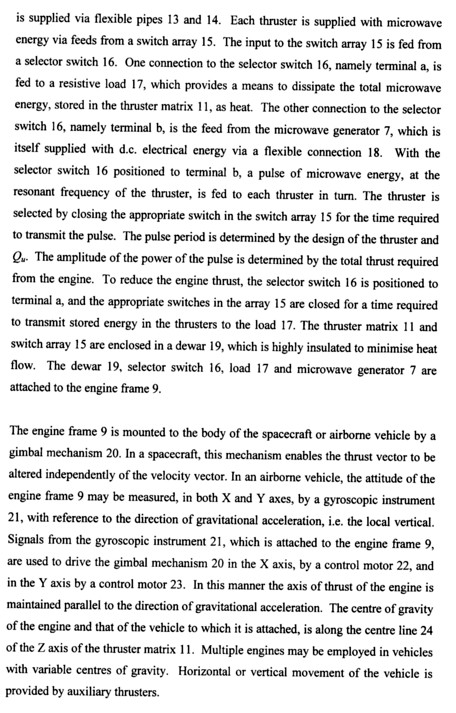
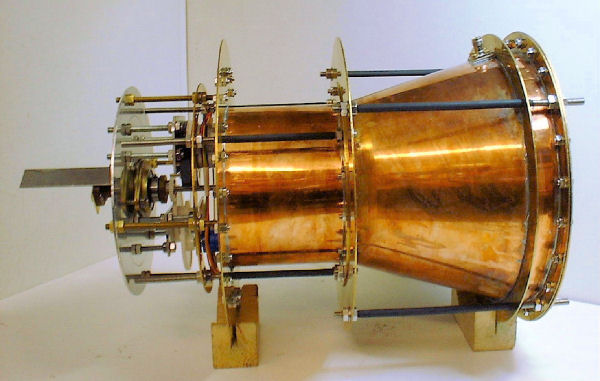
The EmDrive uses a tapered, high-Q resonant microwave cavity. Microwave radiation is generated by a magnetron, circulates within the cavity, and, because of radiation pressure and differing phase velocities along the tapered waveguide, a net thrust is produced without expelling propellant.
Principles
- Radiation pressure of electromagnetic waves
- Newton's second law (force = rate of change of momentum)
- Momentum of photons
- Resonant cavity Q-factor amplification
- Waveguide geometry affecting phase velocity
- Special relativity (different reference frames for wave and cavity)
Scientific Domains
Materials
- Copper or aluminum waveguide
- Metallic reflectors (e.g., copper, aluminum)
- Water-cooled magnetron
- Ceramic insulating supports
Mechanisms of Action
- Microwave energy is injected into a tapered resonant cavity.
- The EM wave reflects between two metal reflectors, creating a pressure differential due to differing propagation speeds.
- The high Q of the cavity amplifies the effect, resulting in a measurable net thrust along the axis of the cavity.
Energy Sources
Applications
- Satellite orbit adjustment
- Station-keeping
- Deep-space probe propulsion
- Reduced launch mass for satellites
Claimed Performance
Maximum specific thrust of 214 mN/kW measured in static tests; flight-model 300 W C-band thruster specified to produce 85 mN thrust.
Experimental Evidence
Static test rig with calibrated composite balance; 134 test runs; measured cavity Q ~= 45,000; thrust up to 214 mN/kW reported.
Replication Status
Demonstrated in internal static and dynamic test programmes; no independent third-party replication reported in the article.
Limitations
- Lack of independent verification
- Low thrust-to-power ratio compared with conventional electric thrusters
- Thermal management of high-Q cavity
- Potential scalability issues
Red Flags
- Claims of propellant-less thrust contradict well-established physics.
- No peer-reviewed, independently replicated experimental data presented.