Goal
Extend healthy lifespan by protecting cells from free-radical damage.
Problem
Age-related oxidative damage that contributes to diseases such as cancer, Alzheimer's and Parkinson's.
Concept Summary
Enrich water, foods and animal feed with the heavy hydrogen isotope deuterium (or carbon-13) so that vulnerable chemical bonds in biomolecules become stronger via the isotope effect, thereby reducing free-radical attack and slowing ageing.
Detailed Description
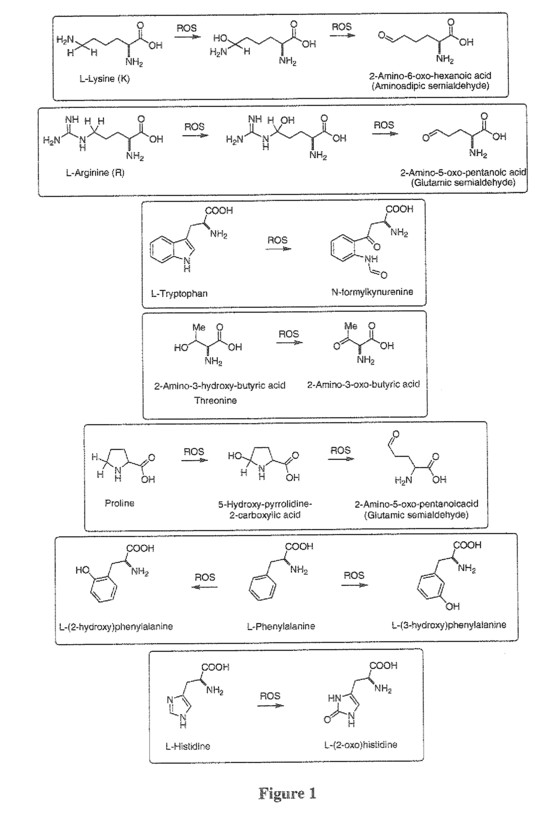
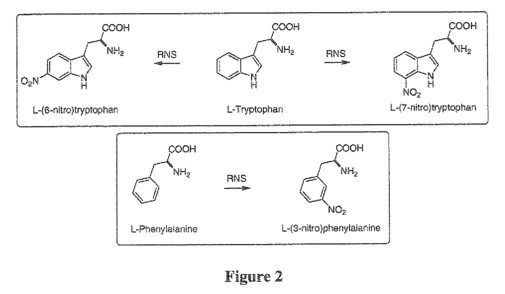
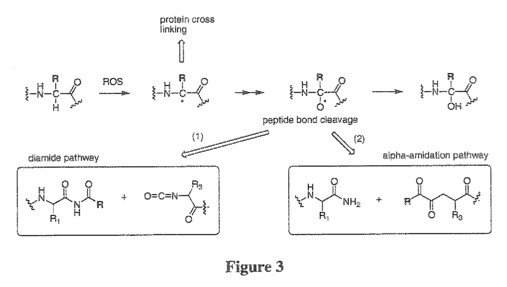
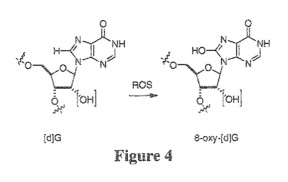
The technology relies on the well-known isotope effect: heavy isotopes form stronger covalent bonds, slowing the chemical reactions that free radicals use to damage proteins, DNA and lipids. By delivering deuterium-enriched water (D_2O) or deuterated amino acids/fatty acids (the "iFood" approach) to organisms, the most oxidation-prone bonds are reinforced. Laboratory tests showed that worms fed heavy water lived ~10 % longer and fruit flies up to 30 % longer. Low-level heavy-water consumption in humans (~=2.5 % of body water) produced no adverse effects. The company Retrotope plans to produce deuterated foods (e.g., eggs, meat, milk) by feeding animals deuterated water or amino acids, or by directly supplementing human diets with fortified amino acids.
Principles
- Isotope effect
- Free-radical theory of ageing
- Targeted isotopic enrichment (iFood)
Scientific Domains
Materials
- Heavy water (D_2O)
- Deuterated amino acids
- Deuterated fatty acids
- Carbon-13 labelled compounds
Mechanisms of Action
- Strengthening of C-H bonds by replacing H with D
- Reduction of oxidative damage to proteins, DNA and lipids
- Targeted incorporation of deuterated amino acids into newly synthesized proteins
Applications
- Human dietary supplement
- Animal feed additive
- Pet food
- Functional foods (e.g., fortified eggs, meat, milk)
Claimed Performance
Worm lifespan +10 %; fruit-fly lifespan +30 %; potential human lifespan extension up to ten years (theoretical).
Experimental Evidence
Laboratory feeding studies on Caenorhabditis elegans and Drosophila melanogaster showed increased longevity; a 10-week human trial raised body-water deuterium to ~2.5 % with no adverse effects; toxicity observed only above ~20 % body-water replacement.
Limitations
- High cost of deuterium and carbon-13 isotopes
- No large-scale manufacturing process for deuterated amino acids
- Limited human clinical data
- Potential toxicity at high isotopic enrichment levels
Red Flags
- Claims of significant human lifespan extension are not yet substantiated by peer-reviewed clinical trials.
- High price of heavy water (~$300 per litre) may limit scalability.
- Potential for misuse or over-consumption of isotopically enriched products.