Goal
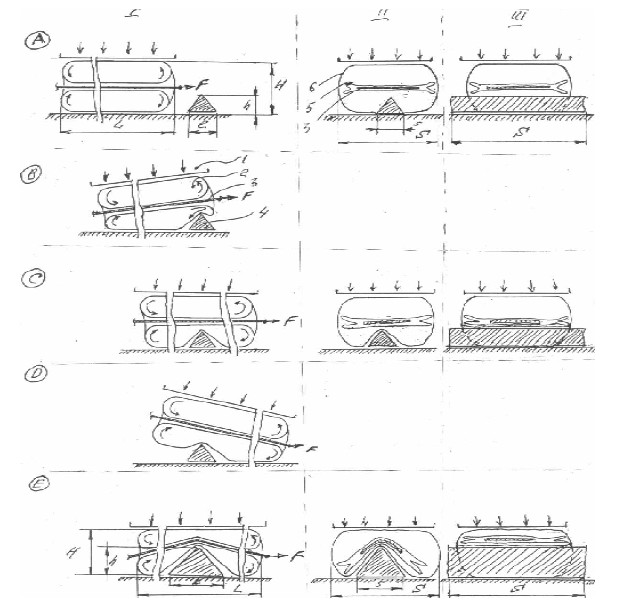
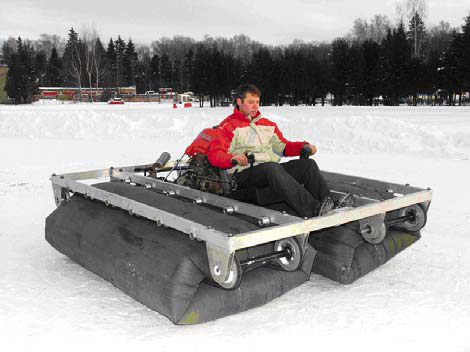
Provide vehicle propulsion by converting pressurised fluid energy into thrust using an elastic toroidal chamber.
Problem
Need for low-cost, efficient power supplies and propulsion mechanisms that avoid conventional combustion or electric motor systems.
Concept Summary
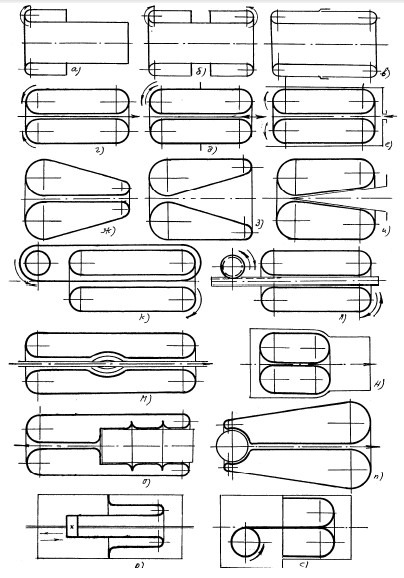
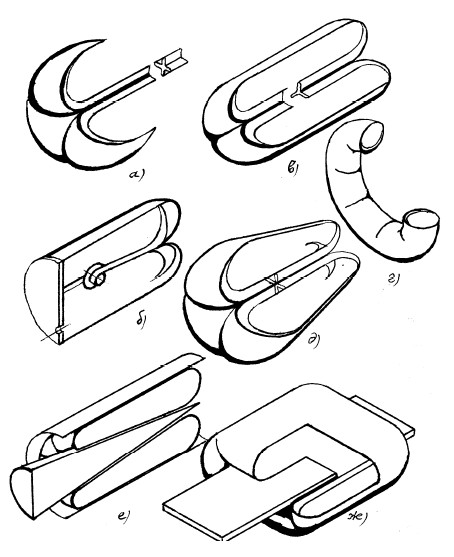
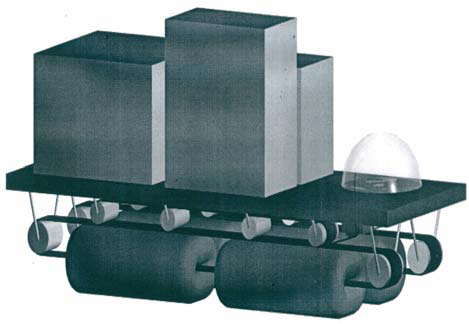
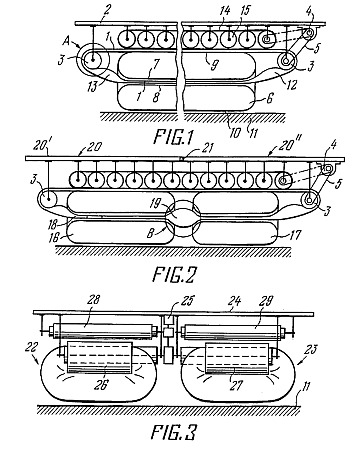
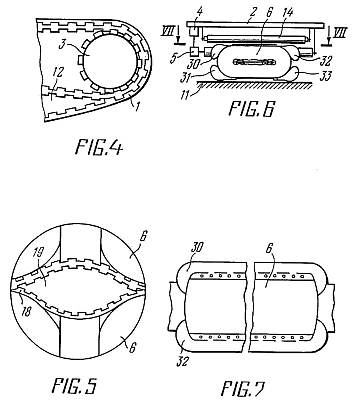
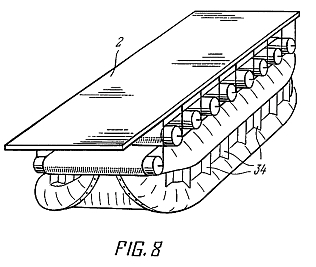
A resilient toroidal chamber (eversible tore) is filled with a pressurised fluid. The chamber expands into a singular torus with two internal layers. An endless belt (shaped like a hose) runs between the layers and contacts driving rollers mounted on the vehicle frame. Pressurised fluid in the belt's side chambers drives the belt, causing the toroidal chamber to oscillate and generate thrust.
Detailed Description
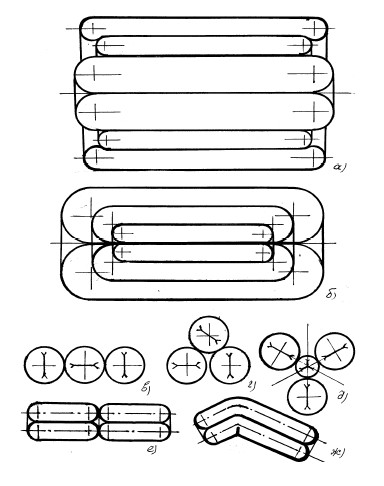
The invention comprises a cylindrical-sleeve chamber whose ends are turned inside out and sealed, forming a torus with two internal layers and opposite surfaces. The chamber is mounted on a support surface of the vehicle. An endless driving belt loops between the internal layers, surrounds the outer surface of the torus, and contacts two diametrically opposed rollers, one rigidly attached to the vehicle frame. The belt is a hose containing two side chambers that hold pressurised fluid at increased pressure. When the fluid is supplied, the belt expands, pushes against the rollers, and drives the toroidal chamber, producing a propulsive force. The system relies on elastic deformation of the torus and the circulation of fluid energy within the device.
Principles
- Elastic mechanics
- Toroidal motion
- Self-acting self-oscillation
- Additional circulation energy
- Hydrodynamic circulation
Scientific Domains
Materials
- Elastic polymer or rubber for toroidal chamber
- Compressed gas or air (pressurised fluid medium)
- Metal or rigid rollers
- Flexible hose/belt material
Mechanisms of Action
- Pressurised fluid expansion
- Elastic deformation of toroidal chamber
- Belt-driven rotation
- Momentum transfer via rollers
Energy Sources
Applications
- Vehicle propulsion
- Energy generation
- Atmospheric phenomenon suppression (whirlwinds, tornadoes)
- Matter structuring
Limitations
- No quantitative performance data provided
- Reliance on elastic materials that may degrade
- Unclear scalability to commercial vehicle sizes
- Potential safety concerns with high-pressure fluid
Red Flags
- Claims of "additional circulation energy" resembling free-energy concepts
- Language suggesting pseudo-scientific views and lack of peer-reviewed validation
- Heavy reliance on speculative cosmogonic theories