Goal
Provide a bio-available source of silicon to support bone mineralisation, collagen synthesis and other health-related processes.
Problem
Insufficient knowledge of silicon's biological role and low bio-availability of dietary silicon, which may contribute to osteoporosis, skin ageing, and other degenerative conditions.
Concept Summary
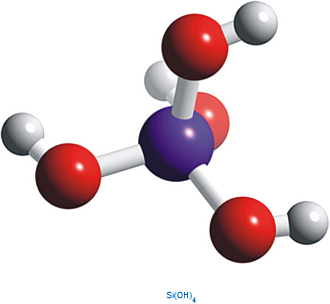
The article reviews how ortho-silicic acid (H4SiO4) and compounds that release it (e.g., ch-OSA, sodium/potassium silicates, zeolites) act as bio-available silicon sources. Supplementation has been shown in animal and limited human studies to improve bone mineral density, stimulate collagen synthesis, and modulate enzymes involved in connective-tissue formation. The therapeutic potential lies in correcting silicon deficiency and leveraging its synergistic interactions with calcium, vitamin D and vitamin K.
Principles
- Bio-availability of trace elements
- Nutraceutical supplementation
- Ion-exchange release of ortho-silicic acid
- Enzyme modulation (prolyl hydroxylase)
- Synergistic mineralisation with calcium and vitamin D
Scientific Domains
Materials
- Ortho-silicic acid (H4SiO4)
- Choline chloride
- Sodium silicate (Na2SiO3)
- Potassium silicate (K2SiO3)
- Colloidal silicic acid (hydrated silica gel)
- Amorphous silica (SiO2)
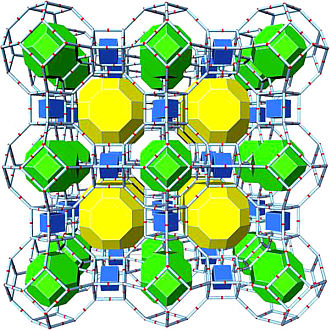
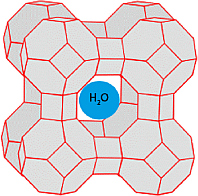
- Zeolite A
- Clinoptilolite
Mechanisms of Action
- Release of H4SiO4 in gastrointestinal fluids
- Stimulation of collagen type-1 synthesis in osteoblast-like cells
- Enhancement of bone mineralisation and calcification
- Modulation of prolyl hydroxylase activity
- Interaction with calcium, molybdenum, vitamin D and vitamin K pathways
Applications
- Osteoporosis prevention and treatment
- Support of skin, hair and nail health
- General nutritional supplementation of silicon
Claimed Performance
Clinical trial reported a significant increase in femoral bone mineral density in osteoporotic women; animal studies showed lower blood pressure in hypertensive rats and enhanced collagen synthesis in vitro.
Experimental Evidence
Randomised placebo-controlled study in osteoporotic women (increased femoral BMD); controlled animal study in spontaneously hypertensive rats (lower blood pressure); in vitro studies on human osteoblast-like cells and skin fibroblasts (stimulated collagen type-1 synthesis).
Limitations
- Variable bio-availability depending on formulation
- Limited large-scale human clinical trials
- Unclear optimal dosing regimen