Goal
To alter the molecular structure of primary materials (metals, ceramics) so that they acquire atypical energetic properties and can, in turn, induce molecular changes in secondary substances such as water, enabling purification and other functional effects.
Problem
Need for novel methods to modify material properties and to purify water without chemical additives, as well as to affect biological and chemical activity of various media.
Concept Summary
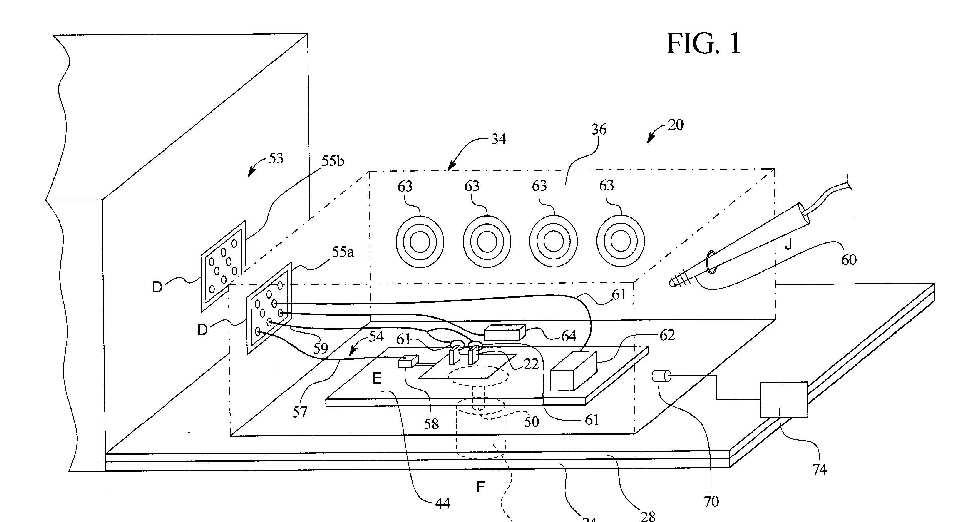
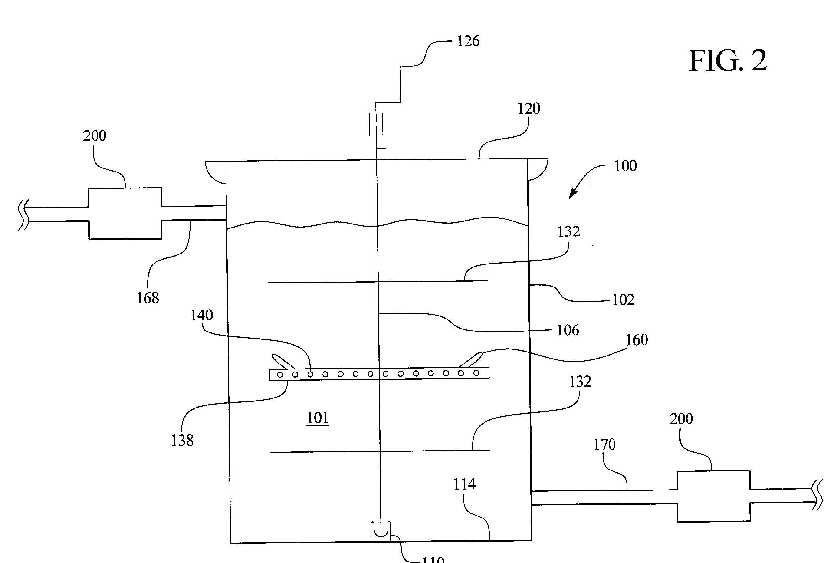
The invention uses a high-power apparatus that vibrates a primary material at high speed while exposing it to a combination of electrical, magnetic, electromagnetic, thermal, far-infrared and laser energies. This multi-frequency exposure is claimed to excite vibrational and rotational molecular states, displace electrons between quantum shells, and permanently change the energetic characteristics of the material. The altered primary material then radiates subtle electromagnetic fields that, when in close proximity to secondary materials, cause molecular-level changes such as water-cluster dissociation, impurity precipitation, and microbial inhibition.
Principles
- Vibrational excitation of materials
- Rotational state alteration of electrons
- Electron shell displacement
- Far-infrared radiation emission
- Laser surface scanning
Scientific Domains
Materials
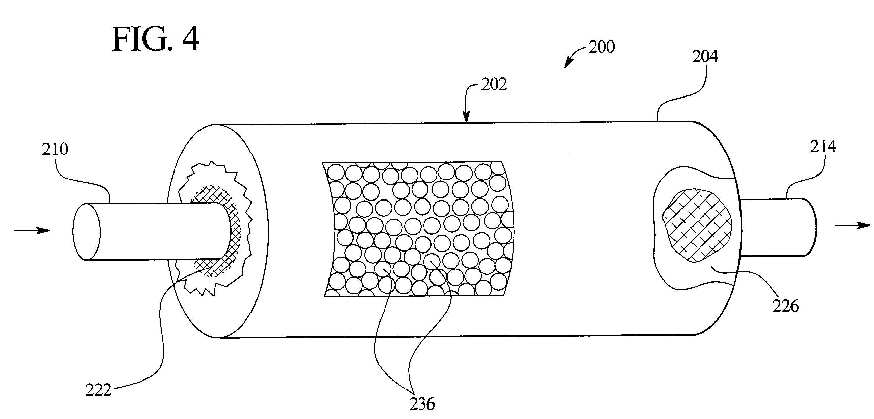
- Ceramic beads or spheres
- Alumina hydrate
- Silica hydrate
- Alumina
- Silica
- Silicate
- Natural stone containing Si, Al, K, Fe
- Metals
Mechanisms of Action
- High-frequency electromagnetic field exposure
- Mechanical vibration at high speed
- Thermal heating
- Far-infrared photon emission
- Laser radiation scanning
Energy Sources
Applications
- Water purification (industrial and household)
- Medical and biological treatment devices
- Thermal appliances (hairdryers, sauna lamps)
- Industrial cleaning of gases and liquids
Claimed Performance
The treated primary material can purify contaminated water by dissociating water clusters, precipitating gases (e.g., sulfurous acid, hydrochloric acid) and heavy metals (e.g., mercury, cadmium), and inhibiting bacteria, fungi and algae. The primary material remains effective for six to twelve months before re-charging is required.
Limitations
- No quantitative performance data provided
- Requires high-power equipment and vacuum chamber
- Mechanistic explanations are vague and lack peer-reviewed validation
Red Flags
- Extraordinary claims of permanent molecular change without peer-reviewed evidence
- Lack of experimental data or independent replication
- Potential pseudoscientific language (e.g., "atypical energetic attributes")